Building a Lasting Impact on U.S. Soccer: Beyond the Scores
The United States men’s national soccer team has recently made significant strides on the global stage, highlighted by their record of winning three matches at a World Cup for the first time. However, the vision for the team extends far beyond immediate results on the field. With Mauricio Pochettino at the helm and a renewed commitment from US Soccer, there is a focused ambition to create a sustainable and transformative impact on the sport within a country that has welcomed the team so warmly.
A Historic World Cup and Controversies
At the 2026 World Cup, co-hosted by the United States, Canada, and Mexico, the Americans advanced to the last 16, a milestone feat reflecting the growth of the sport in the country. The journey, however, was not without its challenges. A major talking point was the controversy surrounding striker Folarin Balogun’s red card ban, which FIFA suspended just before the knockout stage against Belgium. Despite the surrounding debates, the team showed resilience and promise.

Mauricio Pochettino: Leading the Charge
Mauricio Pochettino, the former Tottenham and Paris Saint-Germain coach, was appointed as the head coach of the U.S. team in 2024 following a disappointing group-stage exit at the 2024 Copa America, which the U.S. had hosted. His arrival marked a turning point. Under his guidance, the USA reached the 2025 CONCACAF Gold Cup final, narrowly losing 2-1 to Mexico, demonstrating competitiveness and improved tactical sophistication.
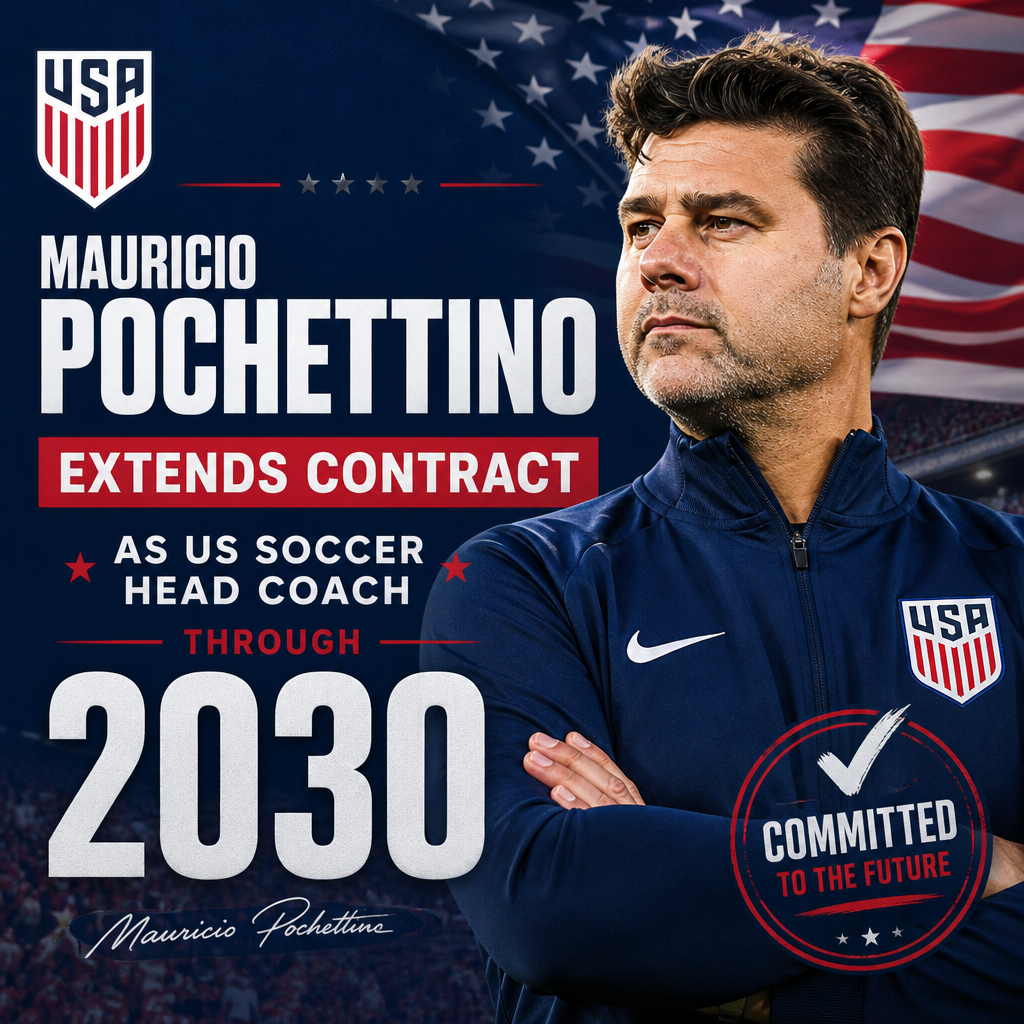
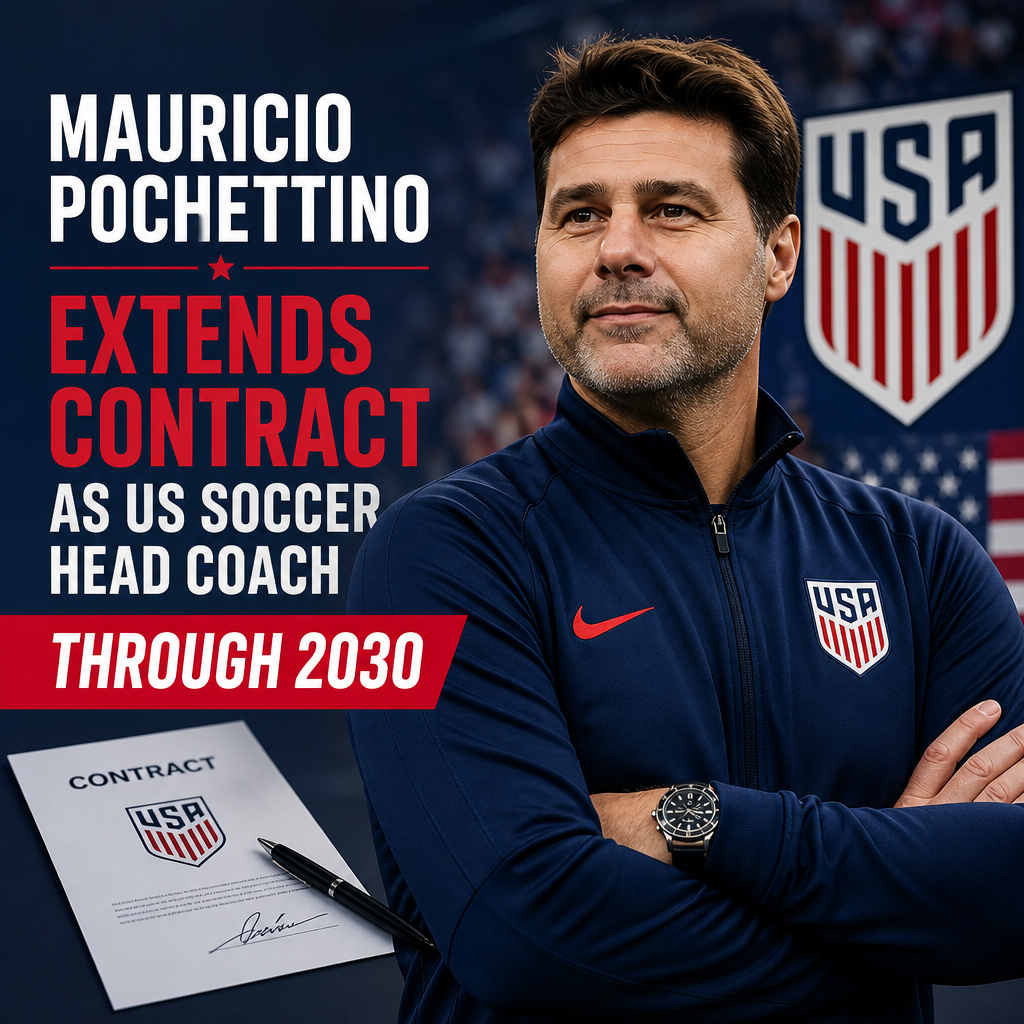
Recently, Pochettino signed a contract extension to remain as head coach until the 2030 World Cup, which solidifies US Soccer’s plans for long-term development. Pochettino acknowledged this commitment, stating, “It has become clear to us that there is tremendous potential to make the men’s national team program even stronger.”
A Vision Beyond Immediate Success
The focus now is not solely on World Cup triumphs or continental trophies but on creating a lasting impact on soccer culture and infrastructure in the United States. This ambition aligns with the surge in fan interest and grassroots participation observed during the recent World Cup campaign.
Key Elements of the Lasting Impact
- Youth Development and Academy Growth
Expanding youth programs to identify and nurture local talents from a young age ensures a continuous pipeline of skilled players capable of competing internationally. - Community Engagement and Fan Passion
The energy and passion from fans during the World Cup have inspired the team and management alike. Leveraging this atmosphere to build a vibrant soccer culture will encourage sustained interest and support nationwide. - Infrastructure Investment
Upgrading training facilities, stadiums, and coaching education programs helps to raise the standard of soccer across all levels. - Coaching Stability and Expertise
With Pochettino and his coaching staff signing new contracts, the team benefits from a stable leadership and the European experience that the coach brings.
The Road to 2030
The forthcoming World Cup in 2030, set to be hosted mainly by Spain, Portugal, and Morocco, represents a future milestone for the U.S. team under Pochettino’s leadership. The extended coaching contract signals a strategic approach to long-term success, focusing on systemic improvements and solidifying the country’s place in the global footballing hierarchy.
Conclusion
The Americans’ recent World Cup performance was a major step forward, but the deeper goal is to build a lasting impact on the sport in the United States. The warmth and enthusiasm that the country has shown the team have fueled a belief in the potential of American soccer beyond just results on the pitch. With Mauricio Pochettino’s continued guidance, US Soccer is poised to nurture growth that will benefit generations to come, creating not only a competitive national team but also a vibrant soccer culture embedded in the fabric of the nation.