It’s a bad look—full stop. A senior player like Neymar is expected to set the tone, especially around younger teammates like Robinho Jr.. Even if there was frustration or a feeling of being “shown up” in training, crossing into physical or abusive behavior isn’t acceptable at any professional club.
At the same time, it’s important to treat this as alleged until the internal process by Santos FC is complete. Early reports—especially from unnamed sources—can miss context or exaggerate details. The club launching an investigation through its legal department is the right step; they need to establish what actually happened and act accordingly.
A few things stand out:

•Power dynamics: A veteran star vs. a young player makes this more serious. Even a heated moment can feel intimidating or unsafe for the younger player.
•Professional standards: Training ground clashes happen, but physical contact or insults—if proven—usually bring disciplinary action.
•Aftermath matters: The reported apology from Neymar (if true) is better than nothing, but it doesn’t erase the incident if it crossed a line.
If the allegations are confirmed, you’d expect consequences—anything from internal discipline to fines or even suspension, depending on severity. If they’re not, then it becomes about managing reputations and restoring trust within the squad.
The bigger issue is culture: clubs need environments where young players can develop without fear of being humiliated or harmed by senior figures.
Conclusion.
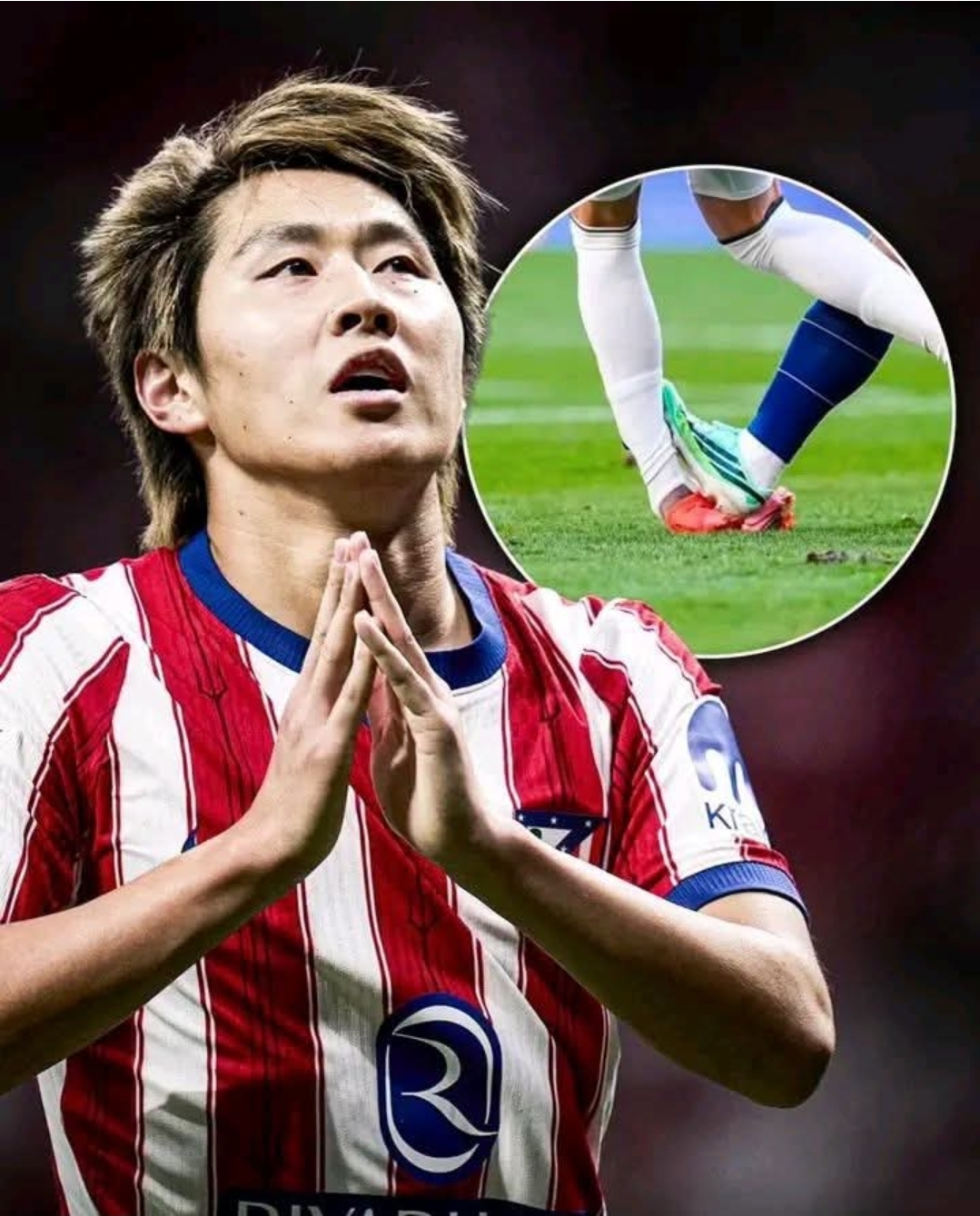
Looking agitated, Neymar, 34, proceeded to trip Robinho Jr. and the two then had a heated argument before being pulled apart by teammates, sources added to ESPN Brasil. Robinho Jr was left deeply upset by the unpleasant episode.
Sources said that Neymar later called Robinho Jr. to make amends while he also sent messages to Robinho Jr.’s family apologising for what had happened.
The sources added that Neymar and Robinho Jr. have a very close rapport on the day-to-day and that it is only a matter of time before they both put the incident behind them.
Curious—do you think this is being overblown, or does it reflect a deeper problem with locker-room culture?