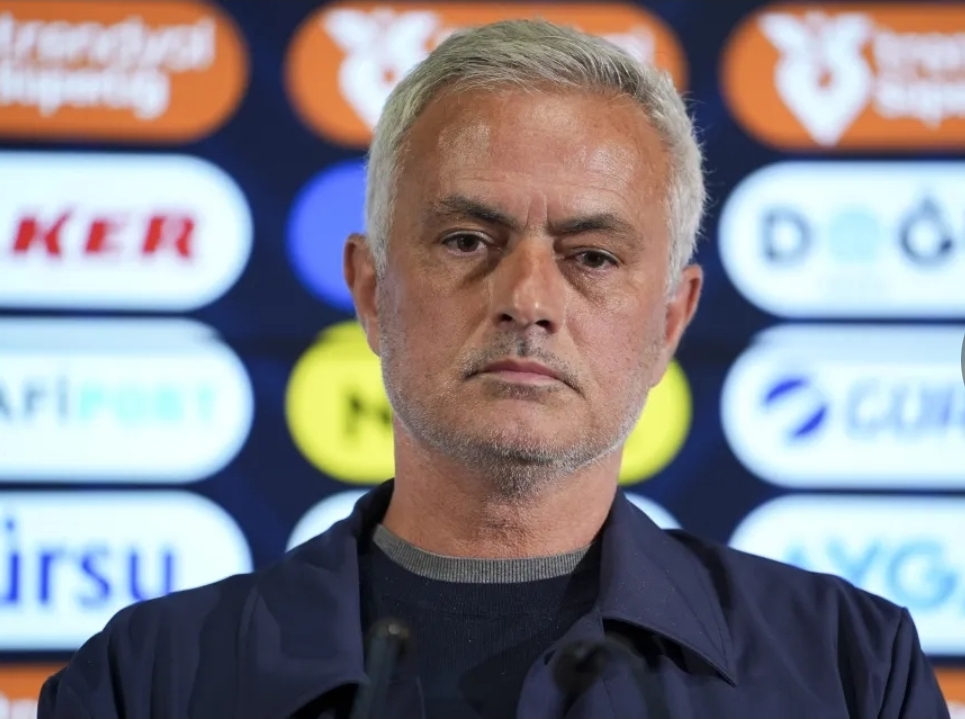
Jose Mourinho and Fenerbahçe: Why the Decision to Leave and What’s Next?
Jose Mourinho’s brief but highly anticipated tenure at Fenerbahçe came as a major talking point in the football world. The Portuguese manager, known for his tactical acumen and charismatic persona, took charge of the Turkish giants with high expectations from both fans and critics alike. However, many have been left wondering why Jose Mourinho left Fenerbahçe and what his next destination might be. In this article, we’ll delve into the reasons behind his departure, analyze his impact at the club, and explore the future opportunities that could be on the horizon for this football mastermind.
Jose Mourinho’s Arrival at Fenerbahçe: A New Chapter
When Jose Mourinho joined Fenerbahçe, it symbolized a bold step by the club in their quest to re-establish dominance in Turkish football and make a mark in European competitions. Mourinho, often called “The Special One,” carries a track record that includes multiple league titles in Portugal, England, Italy, and Spain, alongside Champions League triumphs. His arrival at the Şükrü Saracoğlu Stadium was met with excitement and high hopes.
Under Mourinho’s guidance, Fenerbahçe hoped to rebuild a squad capable of challenging not only in the Süper Lig but also on the continental stage. The club’s management and fans expected disciplined tactics, solid defensive organization, and efficient attacking transitions, qualities synonymous with Mourinho’s teams.

Why Jose Mourinho Left Fenerbahçe
Despite the initial optimism, Jose Mourinho’s stint at Fenerbahçe was shorter than many anticipated. Several factors contributed to his decision to part ways with the club:
1. Inconsistent Results on the Pitch
One of the most significant reasons was the inconsistency in performance and results. Mourinho’s teams are typically known for their resilience and the ability to grind out results, even in tough situations. However, at Fenerbahçe, there were visible struggles to achieve consistency, which led to pressure from supporters and management. The club’s ambitions outpaced the realities on the ground, causing unrest in the locker room and among fans.
2. Differences in Vision and Club Management
Mourinho’s management style is known to be demanding, with a strong focus on discipline and structure. Reports suggested that there were discrepancies between Mourinho’s vision for the team and the club’s broader management decisions, including recruitment policies and transfer targets. Such conflicts can hinder a coach’s ability to implement his philosophy fully.
3. External Pressures and Turkish Football Environment
The intense scrutiny and passionate nature of Turkish football culture often place managers under immense stress. The combination of high expectations, fan demands, and media pressure can make management extremely challenging. Mourinho, despite his vast experience, found this environment taxing, especially when results did not immediately follow.
4. Personal and Professional Ambitions
Finally, Mourinho is a manager with lofty ambitions who seeks projects where he can build or rebuild teams with a clear pathway to success. When it became evident that the project at Fenerbahçe might not align with his goals or timeframe, he opted to move on rather than compromise his ideals or reputation.
What Is Going to Be Jose Mourinho’s Next Destination?
Given Mourinho’s illustrious career and reputation, his next move is highly anticipated within football circles worldwide. Several potential destinations are speculated:
1. Return to a Top European League
Mourinho’s tactical expertise makes him an attractive candidate for clubs in the major European leagues. Teams in the English Premier League, Serie A, or La Liga that are either in transition or looking for an experienced manager to galvanize the squad could be on his list. There have been rumors linking him to mid-sized clubs with ambitions of breaking into the top tiers.
2. Taking on a National Team Role
Some pundits believe Mourinho might consider stepping into international football management. His experience and personality could suit the role of a national team coach, guiding a country through qualifying campaigns and major tournaments.
3. A Project in Emerging Football Markets
In recent years, emerging football markets — such as the Middle East, North America, or even East Asia — have attracted seasoned European managers by offering lucrative contracts and the chance to pioneer football development projects. Mourinho could embrace such an opportunity, blending football with global brand growth.
Final Thoughts: The Legacy of Mourinho’s Time at Fenerbahçe
Jose Mourinho’s chapter at Fenerbahçe may have been brief, but it offered valuable lessons both for the club and the Portuguese manager. His departure underscores the importance of alignment between a manager’s vision and the club’s strategic ambitions. While fans may be disappointed, Mourinho’s career is far from over, and we can expect to see him making headlines in the football world once again.
As the dust settles, one thing is clear: Jose Mourinho’s next destination will be one that allows him to pursue his passion for winning and leave a lasting mark, wherever that may be. The football world watches with bated breath to see where “The Special One” will apply his special touch next.