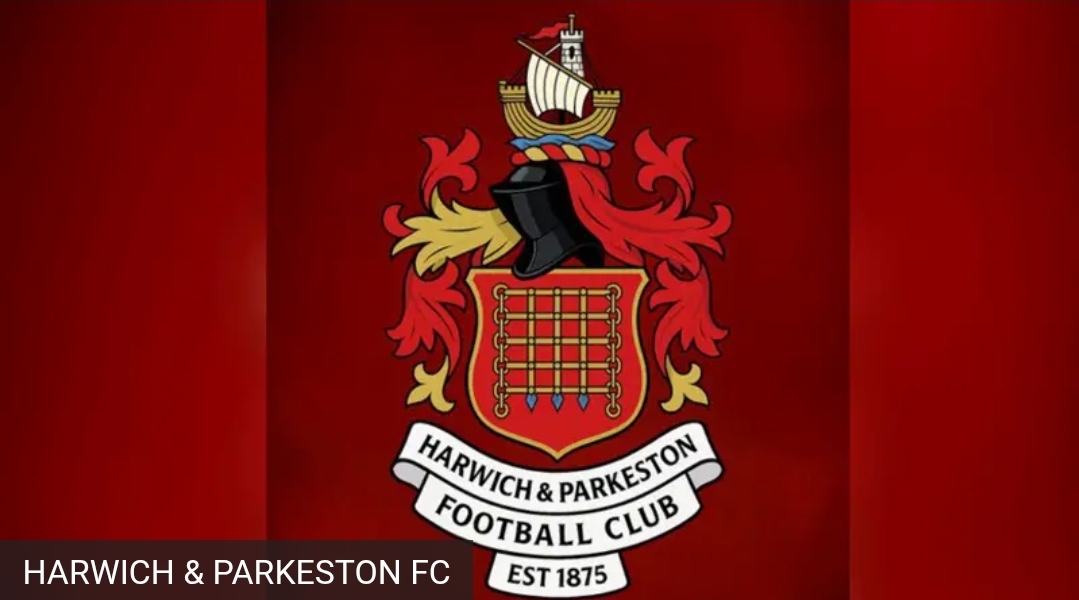
Club Found to Be 150 Years Old Updates Its Crest in Celebration of Historic Milestone
Harwich & Parkeston Football Club, a non-league team rooted in the Essex seaside town, has recently made waves in its football community by updating its club crest following a remarkable discovery about its origins. For decades, the club believed it had been established in 1877, but recent historical research has pushed that founding year back by two years, to 1875. This revelation not only rewrites part of the club’s history but inspired a fresh identity for its 150th anniversary celebrations.
Uncovering the True Foundation Year: A New Chapter for Harwich & Parkeston FC
The discovery came through painstaking examination of old newspaper reports unearthed during an anniversary research project. These archival finds showed that Harwich & Parkeston FC was actually formed in 1875, rather than the commonly accepted 1877. This makes the club one of the oldest surviving football clubs in Essex and indeed in England.
The confirmation of its true age was a cause for pride and excitement among supporters and management alike, prompting the club to mark this milestone with tangible change. Central to this was the redesign of the club’s crest—this new emblem is not only an update but a tribute to the club’s heritage and community ties.

The New Club Crest: Symbolism Rooted in Local Identity
Harwich & Parkeston FC’s revamped badge incorporates the corrected foundation year, 1875, prominently displayed to acknowledge their official history. It is inspired by the current coat of arms of Harwich, the town the club has represented for over a century and a half, ensuring the emblem resonates deeply with local pride.
While the previous crest featured since the 1960s had elements like the portcullis and ship motif—symbols linked closely to the town—the date emblazoned on it was incorrect. The earlier crest displayed 1877, reflecting the outdated understanding of the club’s origins. The updated badge not only revises this but also includes the full club name for the first time, lending a more formal and authoritative appearance.
The club’s statement revealed that the redesign was aimed “to take the club into a new era,” and plans have been made to phase out the old crest from their home ground at the Royal Oak, signifying a step forward while honoring the past.
Celebrating 150 Years of Football Tradition
Marking 150 years in football is a significant achievement for any club, more so for a non-league side operating in the Essex Senior Football League Premier Division. Harwich & Parkeston FC joins a distinguished group of historic English clubs that have contributed to the rich football tapestry of the country.
Within Essex, the club becomes the second side to reach such an impressive milestone, following Saffron Walden Town, which celebrated its 150th anniversary in 2022. Nationally, very few clubs can lay claim to such longevity. Among the oldest English clubs still competing at various levels are Notts County (formed 1862), Nottingham Forest (1865), and Aston Villa (1874), each with deep roots in football history.
The Importance of Historical Recognition in Football
Football clubs are often more than just sporting teams; they are community institutions with stories that weave through generations. Accurately understanding and celebrating such histories enhances the sense of identity and belonging among supporters.
Harwich & Parkeston’s journey to uncover its true foundation date may inspire other grassroots clubs to delve into their local archives, potentially revealing untold stories. It also serves as a reminder of how football heritage is continually evolving—history can be rewritten as new evidence comes to light.
Looking Ahead: Embracing a New Era While Honoring Tradition
With the updated crest donned by players and proudly displayed around the Royal Oak ground, Harwich & Parkeston FC enters its next century with renewed vigor and respect for its origins. The club’s commitment to honoring the past while evolving visually demonstrates a healthy balance between tradition and modernity.
As they continue competing in the Essex Senior Football League Premier Division, the badge is a symbol of resilience and legacy, reminding both players and fans of a remarkable 150-year journey. It encapsulates the spirit of a club deeply rooted in the community and ready to face new challenges while carrying its history with pride.
In end, the update of Harwich & Parkeston’s club crest is far more than a design change—it’s a celebration of heritage, an embrace of discovery, and a promise of a bright future for one of Essex’s oldest football institutions.Club Found to Be 150 Years Old Updates Its Crest: A New Chapter for Harwich & Parkeston FC
Harwich & Parkeston FC has made a historic discovery that has reshaped its identity and pride. The club found to be 150 years old has revealed a new club crest that honors the correct year of its formation, marking a remarkable milestone in its long-standing history. This subtle yet significant change not only reflects greater historical accuracy but also signals the club’s ambition as it looks forward to a new era.
Uncovering the True Origins: Revising the Club’s Founding Year
For many years, Harwich & Parkeston FC operated under the assumption that it had been founded in 1877. This date was proudly displayed on the club’s traditional crest, which featured the portcullis and ship motifs emblematic of the Essex seaside town. However, last year, a chance discovery in old newspaper archives revealed that the club was actually established in 1875—two years earlier than previously believed.
This revelation was more than just a historical footnote; it reshaped the club’s identity and pride. With 150 years of history now confirmed, the club embraced this remarkable anniversary by commissioning a new badge that features the correct founding year.
A Crest Designed for the Future
The new crest unveiled by Harwich & Parkeston FC proudly features “1875,” along with the full name of the club, which is presented for the first time on a badge. The design closely replicates the town’s current coat of arms, keeping a strong visual connection to the heritage and community that the club represents.
This update was not just about changing a number; it symbolized a deliberate step forward. The club stated that the new design aimed “to take the club into a new era,” reflecting ambitions that go beyond nostalgia. Plans are underway to replace the old crest, which dated back to the 1960s, at the Royal Oak ground—indicating a comprehensive embrace of the club’s true history and future direction.
Harwich & Parkeston FC in Context: A County and National Perspective
Celebrating a 150-year anniversary places Harwich & Parkeston FC in a very exclusive group of football clubs in Essex and across England. The club is currently competing in the Essex Senior Football League, Premier Division, and is the second club in the county to commemorate 150 years. Saffron Walden Town was the first to reach this milestone in 2022.
On a broader scale, only a handful of older football clubs survive in England’s top four leagues. Famous clubs like Notts County, founded in 1862 and often cited as the oldest professional football club, Nottingham Forest (1865), and Aston Villa (1874), stand as historical giants of the sport.