Iran’s Judiciary Releases Assets of Women’s Football Team Captain After Reversal
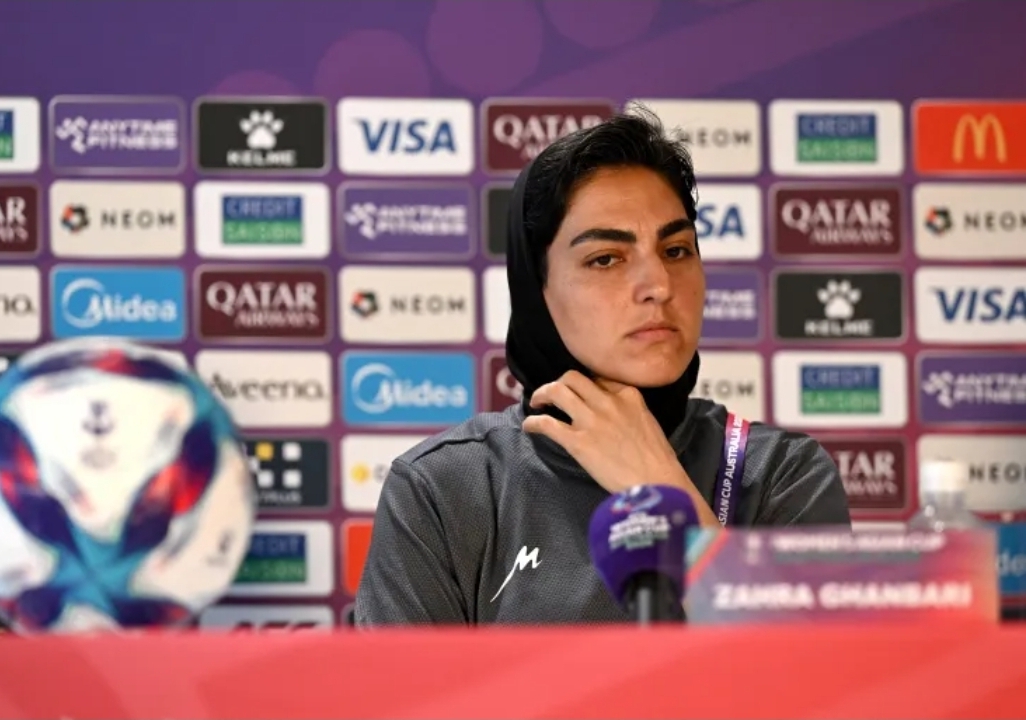
Iran’s judiciary says the assets of the country’s women’s football team captain have been released by local authorities, reversing an earlier decision to seize them. This significant development comes after the player, Zahra Ghanbari, initially sought asylum in Australia but later withdrew her claim and returned home. The decision highlights the complex intersection of sports, politics, and personal choices amid a turbulent period in Iran’s recent history.
Background: The Asylum Claim and Withdrawal
Zahra Ghanbari, a notable footballer for the Iranian women’s national team, was among a group of six players and one staff member who sought asylum in Australia following the Women’s Asian Cup held in March. This tournament occurred at the height of escalating tensions and the outbreak of war between the US, Israel, and Iran. The asylum request came amid fears that the players could face punishment from Iranian authorities after the team refused to sing the national anthem during their matches – a symbolic gesture of protest.
Australia’s Home Affairs Minister Tony Burke confirmed that Australian authorities offered asylum to all team members and staff precisely to protect them from potential repercussions. However, Ghanbari and four other players eventually changed their minds, returning to Iran along with the remainder of the team. They received a hero’s welcome during a special ceremony in central Tehran on March 19.

The Seizure and Subsequent Release of Ghanbari’s Assets
Following the asylum episode, Iranian media outlets published a “list of traitors” shortly after the war’s outbreak on February 28. The list included individuals who had their assets frozen by court order, with Zahra Ghanbari’s name appearing among them. Although the exact timing of the asset freeze was unclear, the move symbolized the government’s harsh stance on dissidence and what was perceived as betrayal.
However, on Monday, Iran’s Mizan news agency announced that the asset freeze on Ghanbari was lifted after a court ruling. According to the agency, the decision was based on “a declaration of innocence following her change in behaviour.” This legal reversal underscores a nuanced approach by local authorities in dealing with sensitive cases where political and personal factors intertwine.
The Pressures Faced by the Players
The tension surrounding the Iranian women’s football team during this period was immense. Several players who chose to return home spoke about the “enormous pressure” weighing on their decision. Mona Hamoudi, one of the players who returned with Ghanbari, shared her experience with Al Jazeera, emphasizing the anxiety and fear that any misstep could have severe personal consequences.
Hamoudi described the difficult dilemma she faced: whether to risk asylum abroad or potentially face dire consequences back home. She confessed that this “constant anxiety” stemmed from the stakes involved – her life, her family’s safety, and her athletic career.
The atmosphere of fear was compounded by the violent conflict underway in Iran. Since the war’s outbreak six weeks prior, more than 2,000 people had been killed, including hundreds of schoolchildren and teachers in initial attacks. This wartime condition created a backdrop of uncertainty and heightened government scrutiny of any perceived disloyalty.
Political Symbolism and Sportsmanship on the Field
The story of the Iranian women’s football team is not just about sports but also about political symbolism. Their refusal to sing the national anthem in their first game was a bold act of defiance broadcasted live from the Gold Coast Stadium in Queensland. The players’ stance was swiftly condemned by state media, with some calling the team “traitors.”
However, the scenario evolved in subsequent matches. For example, in their second game against Australia, the team did sing and salute the national anthem. This sudden change raised suspicions that the team might have been pressured to comply after backlash in Iranian media.
Implications and Outlook
The release of Zahra Ghanbari’s assets symbolizes a rare moment of leniency, possibly reflecting the complexities around athletes caught between national loyalty and personal freedom. It underscores the profound consequences faced by Iranian women athletes who dare to express dissent or seek asylum.
The incident also draws attention to the intersection of international sports, politics, and human rights. It highlights the unique vulnerabilities of athletes as both representatives of their country and individuals with personal rights and safety concerns.
As the situation in Iran unfolds, the experiences of Ghanbari and her teammates will continue to resonate globally, reminding the world of the deep challenges faced by those who live and compete under oppressive political conditions.
This fascinating case invites ongoing dialogue about the protections for athletes, the role of international asylum policies, and how governments respond to dissent in international arenas. Iran’s recent decision to unfreeze the assets of its women’s national team captain opens a window into the difficult balancing act between justice, politics, and sport in a highly volatile context.