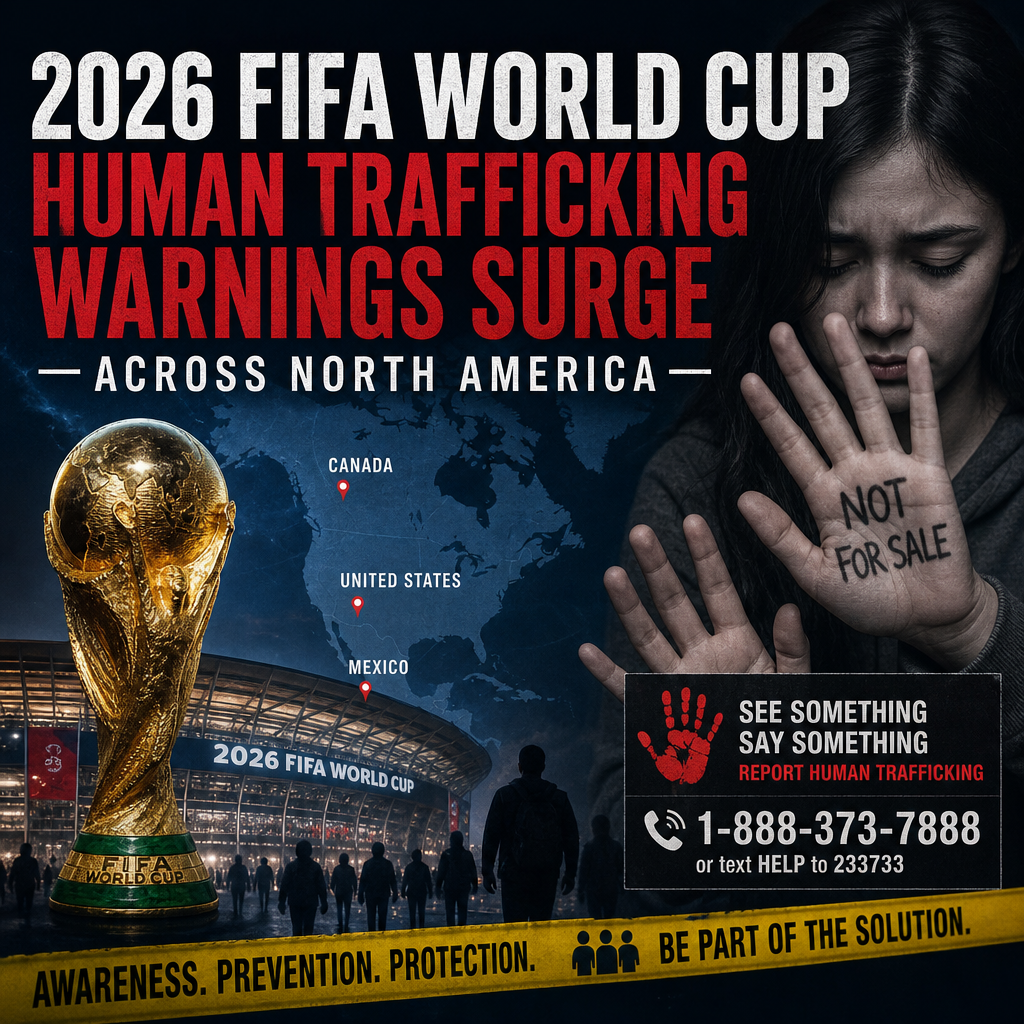
The Human Trafficking Threat Amidst the World Cup Buzz
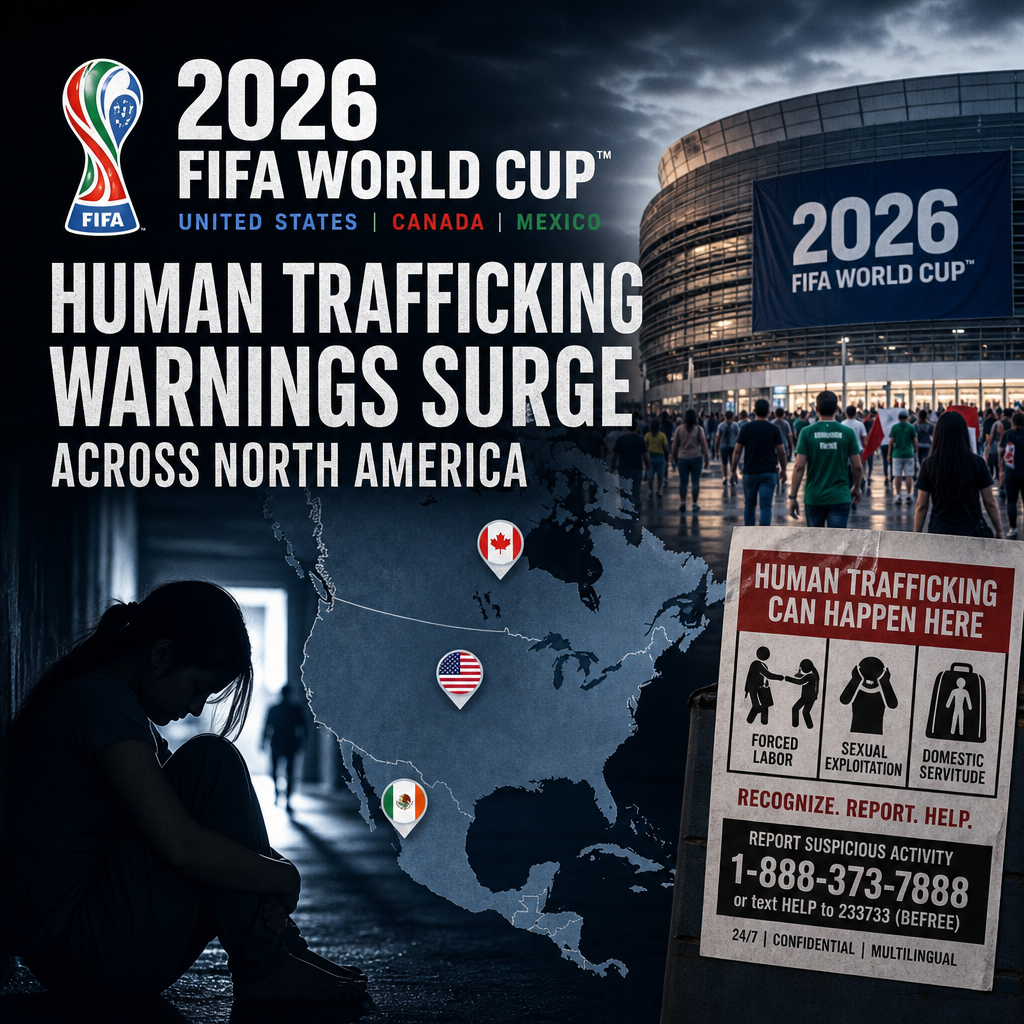 The 2026 FIFA World Cup, jointly hosted by Mexico, Canada, and the United States, promises huge economic and social activity. However, the event’s scale also creates fertile ground for illicit operations, especially involving human trafficking. Federal security agencies and cyber police in Mexico have uncovered a surge in online scams promising immediate jobs with high pay and fully covered travel expenses. These false offers proliferate across social media platforms, fraudulent websites, and messaging apps like WhatsApp, targeting individuals desperate for work. Nayely Sánchez Estrada from the United Nations Office on Drugs and Crime explains the pattern: major sporting events always attract increased human movement and economic activity, which opportunistic traffickers exploit ruthlessly. Fake job postings are a common entry point, tricking victims into forced labor or sexual exploitation.
Coordinated Warnings Across North America
Recognizing the danger, authorities in all three host countries have launched coordinated alerts and preventative measures.
Canada’s Proactive Measures
Canada’s anti-money-laundering agency has issued bulletins urging heightened scrutiny of labor-heavy industries, such as: – Hospitality – Construction – Cleaning – Security Sudden spikes in worker demand create openings for traffickers to use deceptive recruitment methods, even through seemingly legitimate subcontractors or temporary staffing firms.

United States’ Financial Sector Vigilance
The U.S. Treasury Department is calling on financial institutions in World Cup cities to watch for suspicious transactions tied to sex and labor trafficking. The department notes traffickers aim to capitalize on the event’s booming economic activity by moving illicit funds and recruiting victims under false pretenses.
Mexico’s Cybersecurity and Fraud Challenges
Mexican authorities report that job-seekers are often defrauded by demands for upfront payments for uniforms, visas, or training—none of which are legitimate requirements. Additionally, bars, nightclubs, and escort services are sometimes used as cover for illegal trafficking and exploitation.
Direct Impact on FIFA and Its Recruitment Efforts
The extent of fraud has even targeted FIFA’s recruitment processes. A recruiter recently reported scammers misusing her identity on LinkedIn to trap candidates into fake hiring schemes. FIFA responded with clear communications emphasizing: – Only official recruitment channels are valid – No payment or financial information requests are made by FIFA – Interviews are not conducted through messaging platforms like WhatsApp or Telegram This public clarification aims to protect applicants from falling prey to impersonators and scams.
Combatting Trafficking: Training and Awareness Campaigns
Across North America, swift efforts are underway to equip frontline workers—particularly in hospitality, transportation, and entertainment—with the knowledge to detect and report signs of trafficking or suspicious behavior. A FIFA spokesperson highlighted the drive to empower everyone involved with recognizing indicators such as: – Suspicious recruitment tactics – Unauthorized individuals in restricted venues – Signs of coercion or exploitation Early identification and reporting can help disrupt trafficking networks before the World Cup crowds arrive.
How You Can Support the Fight Against Human Trafficking
Preventing human trafficking during massive events like the FIFA World Cup requires collective vigilance. Here’s how individuals and organizations can contribute: – Verify job offers: Use official sources to confirm employment opportunities; never pay upfront fees. – Be alert to red flags: Unrealistic promises or pressure tactics may signal scams. – Report suspicious activity: Reach out to local authorities or support organizations if you notice potential trafficking. – Raise awareness: Share accurate information with friends, family, and colleagues. – Support OCCRP’s reporting: Independent news outlets like OCCRP play a crucial role in uncovering trafficking schemes—stay informed and encourage their work.
Conclusion
The 2026 FIFA World Cup is a momentous event drawing millions to North America, but it also magnifies risks of human trafficking through fraudulent employment offers. Authorities across Mexico, the U.S., and Canada are working tirelessly to expose and dismantle these schemes, but public awareness and vigilance remain equally critical. By staying informed and cautious, we can help protect vulnerable individuals from falling victim to exploitation and support OCCRP’s efforts to shed light on these dark undercurrents amid the global celebration. — Reported by Lilia Saul Rodriguez, OCCRP, June 1, 2026