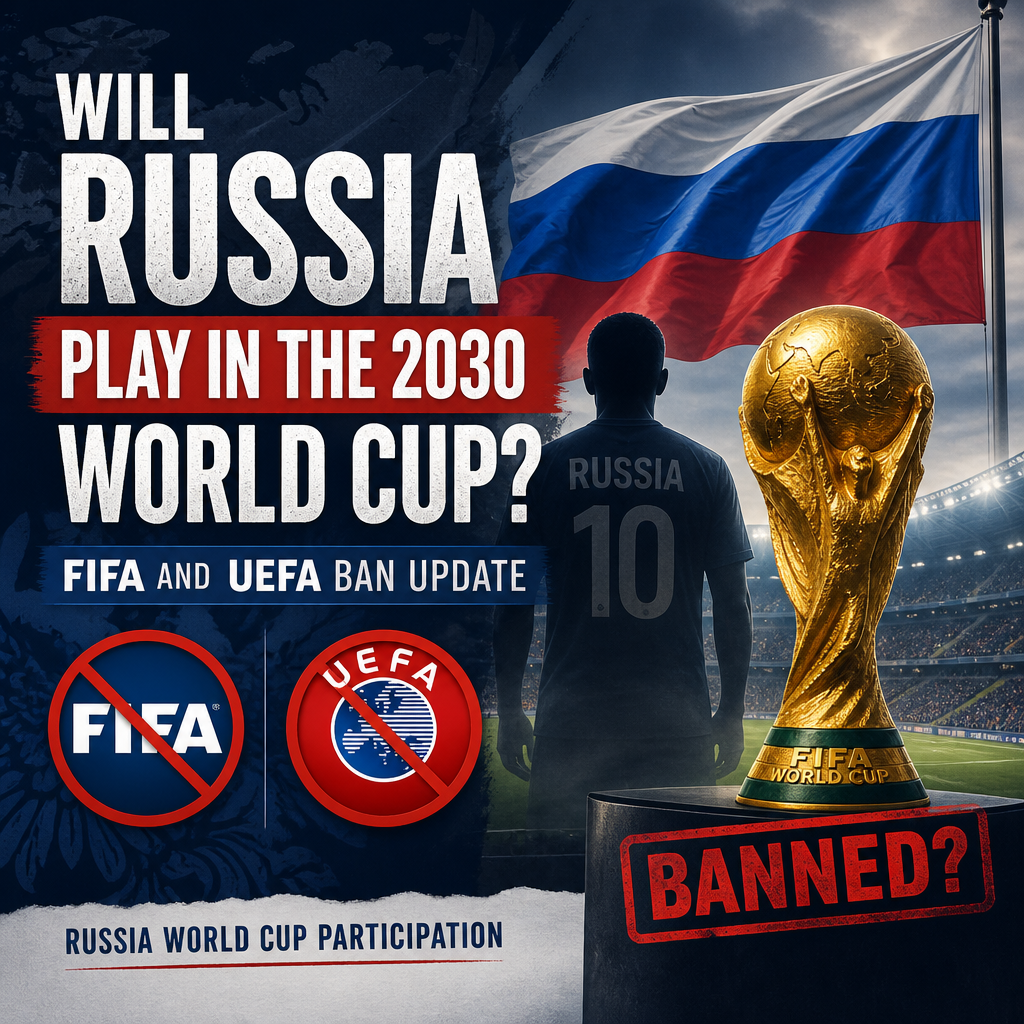
Will Russia Play in the 2030 World Cup? The Uncertain Road Ahead
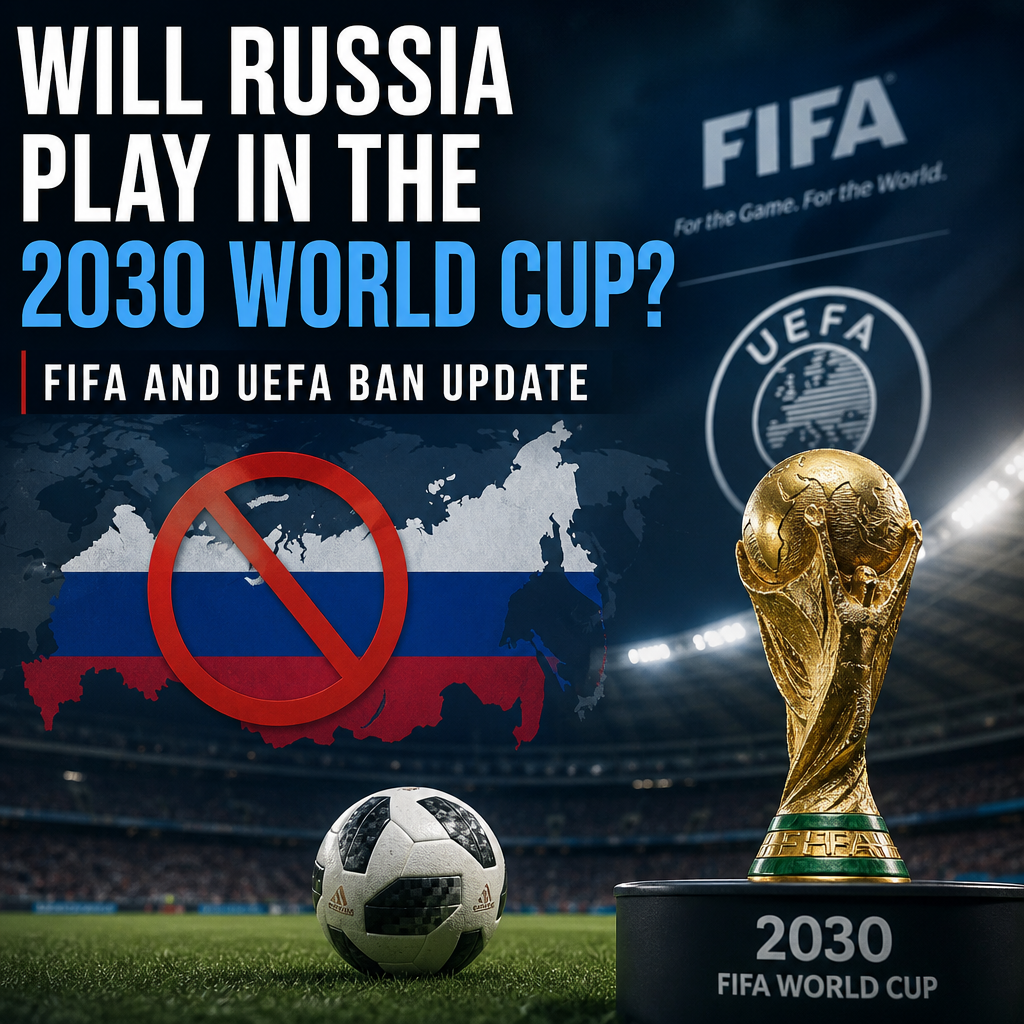
The possibility of Russia participating in the 2030 FIFA World Cup remains shrouded in uncertainty. This ambiguity stems from ongoing suspensions imposed by FIFA and UEFA, as well as the broader geopolitical tensions linked to the war in Ukraine. With key football governing bodies maintaining bans on Russian teams, the path to qualification for Russia is fraught with obstacles.
Current Status of the Ban on Russian Teams
Since February 2022, Russian national teams and clubs have been banned from official FIFA and UEFA competitions “until further notice.” This means they have been excluded from all major tournaments and qualifiers since the suspension took effect.

Extended Exclusion Timeline
- UEFA announcement: Russian teams will remain banned through the 2026–27 season.
- Impact: Russia missed the 2022 World Cup, Euro 2024, and the upcoming 2026 World Cup due to this suspension.
- Rationale: The ban aligns with international responses to the ongoing conflict in Ukraine.
Official Positions from FIFA and UEFA
The leadership of FIFA and UEFA has signaled their firm stance on the issue, tying any reconsideration of Russia’s participation directly to political developments.
FIFA’s Position
- FIFA has implemented an indefinite ban on senior Russian teams.
- Recent initiatives show some openness toward youth-level participation, but no immediate plans exist to reinstate senior teams.
- FIFA President Gianni Infantino has publicly expressed support for allowing Russian youth teams to rejoin developmental competitions.
UEFA’s Position
- UEFA remains steadfast in its exclusion of Russian teams, and European football associations largely support this approach.
- UEFA has emphasized that there is no immediate prospect of welcoming Russian teams back while the conflict persists.
- The complete ban on senior teams remains a cornerstone of UEFA’s current policy.
Path to Qualification for the 2030 World Cup
To qualify for the 2030 World Cup, Russia would first need FIFA and UEFA to lift their suspensions. This would require a significant shift in both the administrative and political landscape.
Challenges Facing Russia
- Indefinite Ban on Senior Teams: Without lifting the ban, Russia cannot compete in qualifiers, making participation in 2030 impossible.
- Geopolitical Situation: The ongoing war in Ukraine is the backdrop for these sanctions, and resolution or de-escalation is seen as a prerequisite for reinstatement.
- European Football Opposition: Major European football associations remain opposed to Russia’s return while the conflict continues.
Signs of Possible Change
- FIFA’s invitation to Russia for participation in U-15 youth events offers a tentative step toward reintegration.
- This could serve as a testing ground for broader inclusion in the future.
- However, youth participation alone does not guarantee a path to senior-level competition or the 2030 World Cup.
What Needs to Happen for Russia to Play in 2030?
For Russia to once more take the field in FIFA and UEFA competitions, including the World Cup, several key developments must occur:
- Resolution of the Conflict: A significant political breakthrough regarding the war in Ukraine.
- FIFA and UEFA Policy Reversal: Official lifting of suspensions on Russian teams.
- Acceptance by European Associations: Overcoming resistance from European football bodies.
- Successful Reintroduction Through Youth Tournaments: Youth teams’ gradual reintegration could pave the way for senior team participation.
Conclusion
The question of whether Russia will play in the 2030 World Cup remains unanswered, hinging on complex political and sporting factors. While youth team participation may signal a slow thaw, the continuation of the ban on senior teams from all FIFA and UEFA competitions through at least 2027 suggests a rocky road ahead. Fans and observers will need to watch both football governance decisions and geopolitical developments closely to gauge Russia’s World Cup prospects.