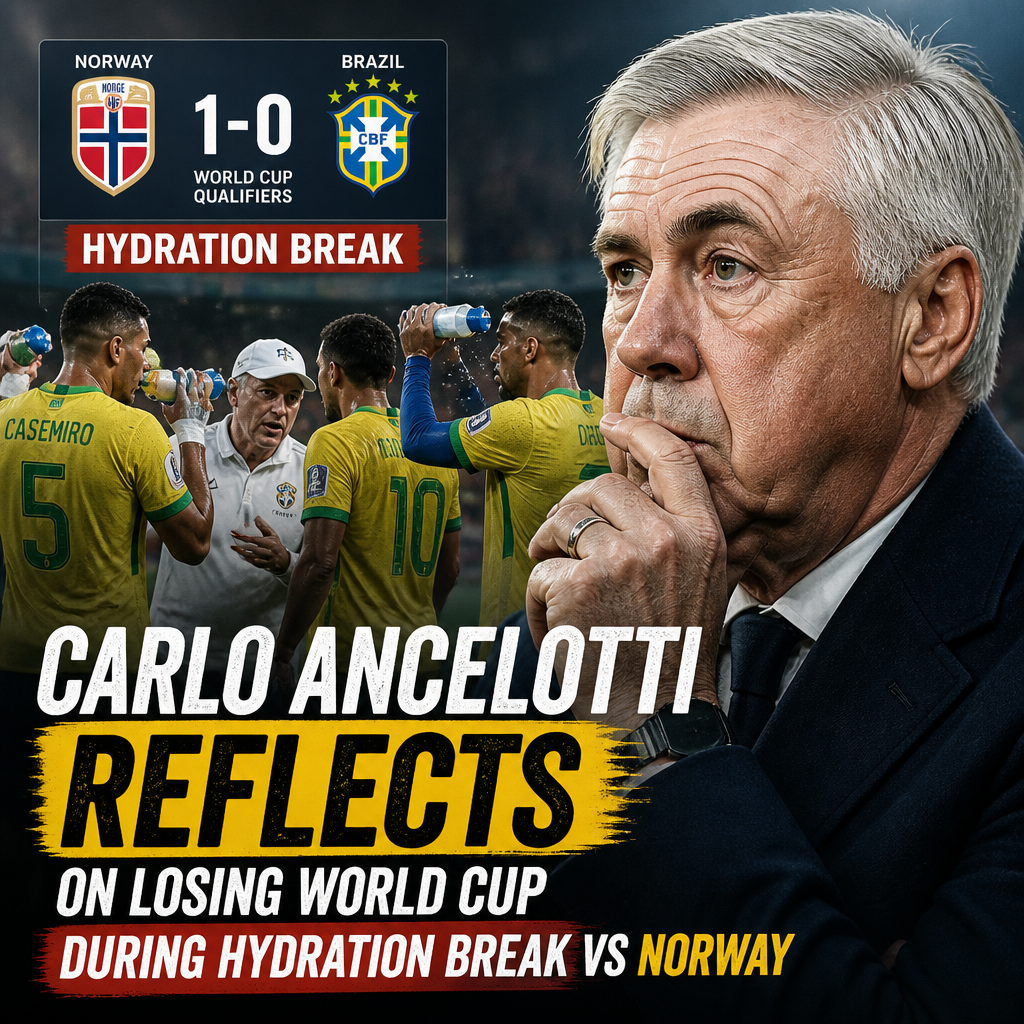
Carlo Ancelotti Reflects on the World Cup Loss: “We Lost It During the Hydration Break vs Norway”
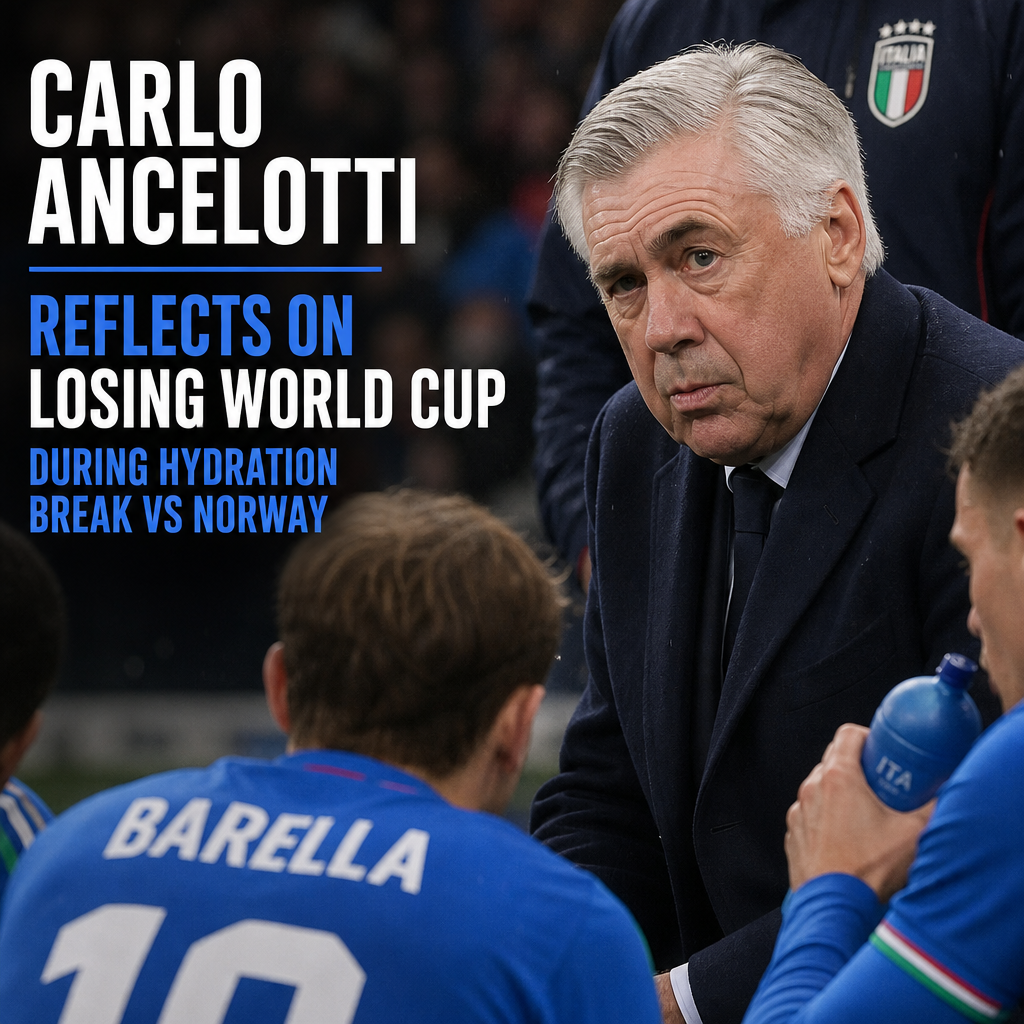
In a recent interview with ESPN, renowned football manager Carlo Ancelotti shared his candid thoughts on a pivotal moment that, in his opinion, cost his team dearly during the World Cup. Reflecting on the match against Norway, Ancelotti pinpointed the hydration break as the turning point where momentum shifted — a moment that eventually led to their defeat.
The Hydration Break: A Critical Moment in the Match
Ancelotti remarked, “I think we lost the World Cup during the hydration break vs Norway. Why? Because until that moment, the team was in control.” His analysis sheds light on an often overlooked part of the game that can influence a team’s focus and rhythm.

- Team Control Before the Break: According to Ancelotti, his team had been dominating the match’s flow and maintaining control before the hydration stoppage.
- Opponent’s Strategy: Norway, known for their determined style of play, had a lot of possession in their own half, setting a foundation to build their attacks.
Norway’s Tactical Approach
Norway’s game plan was quite consistent throughout the tournament, playing a defensive possession-based style. Ancelotti noted how they employed this exact approach during games against other strong teams, including England.
- Possession in Defensive Half: Norway’s ability to keep the ball in their half frustrated the opposition while patiently waiting for opportunities.
- Risks and Rewards: This style allowed Norway to control the tempo and minimize risks while crafting chances to score on the counterattack.
Ancelotti’s Tactical Changes and Reflections
The coach confessed that the hydration break led him to believe his team was losing control, prompting him to make a series of lineup changes. Reflecting on the decision, he revealed how this misjudgment impacted the match’s outcome.
“That’s where my mistake may have been, thinking that the team had lost control of the game when it hadn’t.”
These changes, aimed at regaining control or shaking up the momentum, coincided with Norway finding the breakthrough.
The Decisive Moment: Erling Haaland’s Goal
Shortly after the lineup adjustments, one of the world’s most lethal strikers, Erling Haaland, capitalized on the opportunity.
- Impact of the Goal: Haaland’s strike disrupted the flow of Ancelotti’s team and put Norway ahead, turning the tide of the match.
- Psychological Blow: Scoring at such a critical juncture shook the confidence of Ancelotti’s players and boosted Norway’s morale.
Lessons From the Defeat
Carlo Ancelotti’s reflections provide valuable lessons for players, coaches, and fans alike.
Maintaining Perspective on Game Control
Just because a team isn’t dominating possession visibly does not mean control is lost. Effective control can mean managing risks and setting conditions for success, even if the opponent has the ball in their half.
Timing and Impact of Tactical Changes
Substitutions and lineup adjustments should be carefully considered, balancing the need for fresh energy against the potential to disrupt established rhythm and confidence.
Momentary Lapses Have Long-Term Consequences
The hydration break is a routine part of the game, but it can also be a moment where focus is lost or momentum shifted — a reminder that every detail matters at the highest level.
Conclusion
Carlo Ancelotti’s insight on losing control during the hydration break against Norway offers a fresh perspective on the dynamics of high-stakes football matches. His honesty about the mishap and its consequences highlights how fine the margins are between victory and defeat in the World Cup. For teams and managers around the world, this serves as a reminder that controlling a match isn’t just about possession but about smart decisions and timing—both on and off the pitch.