The World Cup May Be Over, But the Stench of FIFA Corruption Remains
While the excitement of the World Cup has settled into memories and highlight reels, the controversy surrounding FIFA has unfortunately not bowed out with the final whistle. The global governing body of soccer, led by President Gianni Infantino, continues to face criticism and suspicion over its management, decision-making, and recent moves that threaten to commercialize the beloved sport in unprecedented ways.
Infantino’s Controversial Ties and Moves
Before and during the World Cup, Gianni Infantino made clear his intent to align closely with powerful political figures, most notably former U.S. President Donald Trump. This cozy relationship raised eyebrows, especially considering Infantino’s actions during the tournament—such as reversing a red card against U.S. soccer star Folarin Balogun following Trump’s intervention.

Far from limiting his ambitions to political entwining, Infantino now faces accusations of aggressively pushing a privatization agenda that many see as a threat to the integrity of soccer worldwide.
FIFA Forward Enterprise: Selling Soccer to the Highest Bidder?
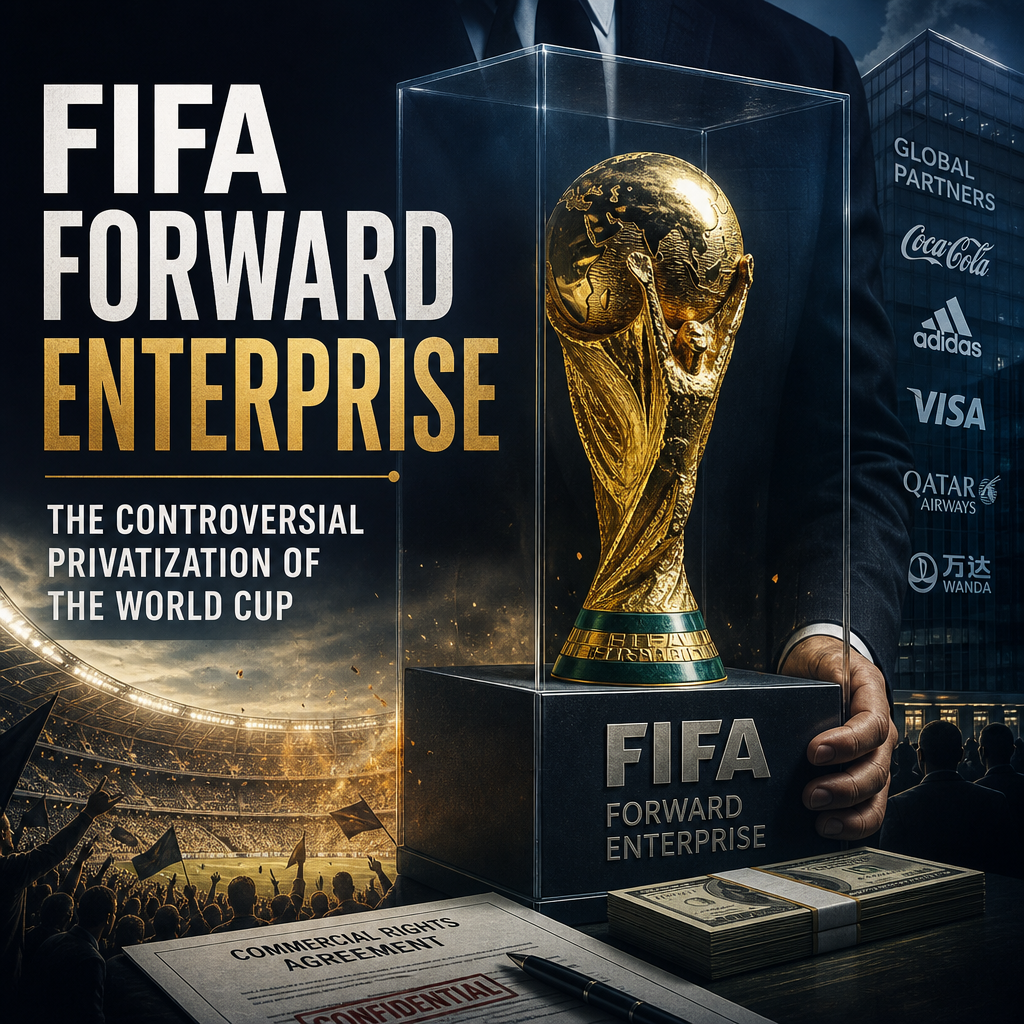
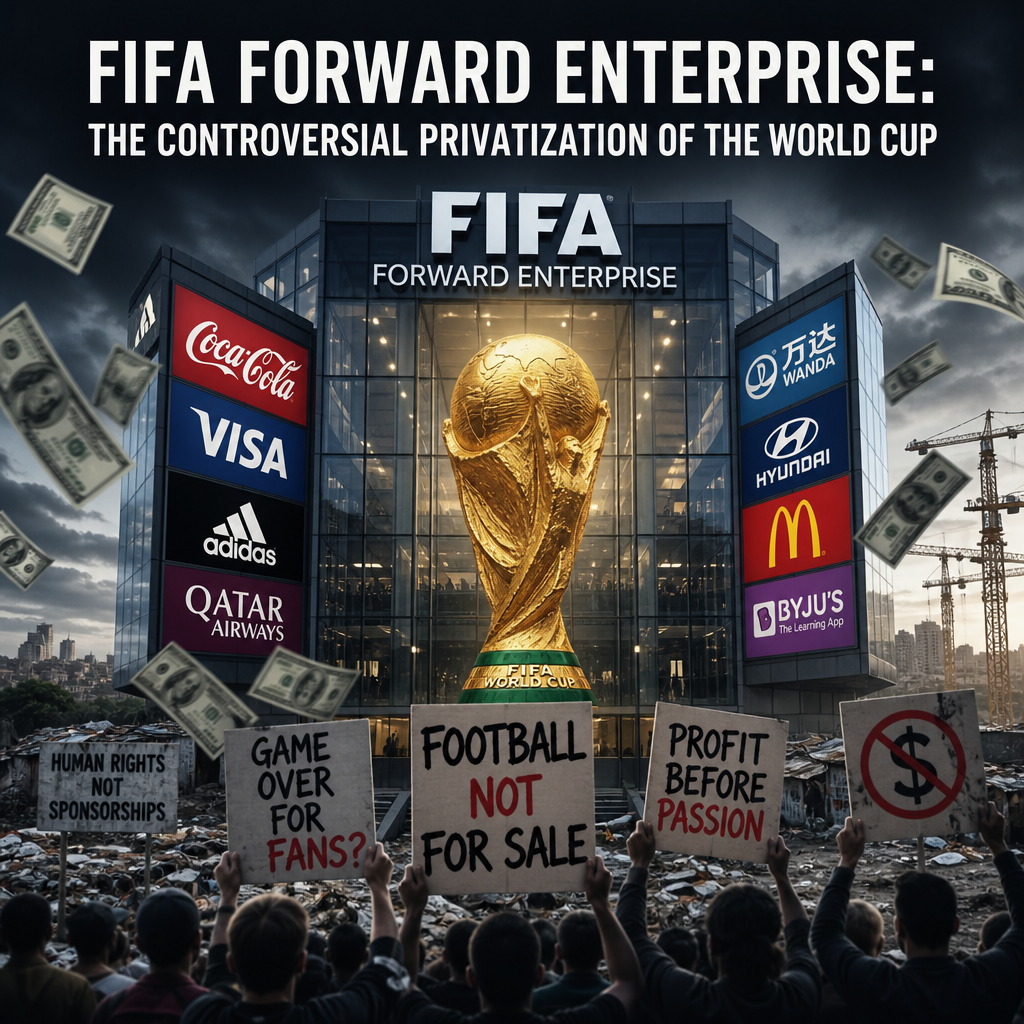
In a move that surprised many of FIFA’s 211 member federations, the organization announced the establishment of FIFA Forward Enterprise (FFE), a private company valued at $20 billion. This company is intended to manage the World Cup and other major FIFA competitions, but crucially, it will allow private investors to buy stakes—turning international soccer into a for-profit venture dictated by shareholders rather than member nations or the sport’s fans.
Who Are the Investors?
Working with financial giant J.P. Morgan, FIFA seems poised to attract deep-pocketed investors. Among the key figures involved is Thrive Eternal, a group founded by Joshua Kushner, brother of Jared Kushner, who is closely connected to the Trump family. Reports confirm that individuals tied to the Trump administration have been consulted on this privatization plan, suggesting political favoritism and potential conflicts of interest are coloring FIFA’s new direction.
“Democratization” or Commercial Exploitation?
Infantino claims this bold step toward privatization is about “the democratization of football worldwide.” According to him, selling shares in these football competitions will somehow make the sport more accessible and better managed.
However, many critics point out the glaring contradiction here: handing over control to wealthy investors inherently risks skewing the sport toward profit margins rather than fair competition and grassroots development. Infantino insists external investors will have “no operational role,” but with FIFA’s history of murky dealings and opaque governance, this assurance feels hollow.
A History of Controversial Decisions
This scheme is not novel. In 2018, Infantino attempted a related privatization with a secret agreement involving SoftBank, apparently backed by Saudi funds. This plan aimed to create new global soccer tournaments but was thwarted by UEFA—the European soccer governing body—who pushed back firmly against what they called a selling out of football’s soul.
UEFA’s stance on the latest FIFA Forward Enterprise proposal is even stronger:
“The soul and governance of football are not assets to trade — especially with zero transparency as to who gains financially. None of us are the owners of football. It is not FIFA’s to sell.”
Their words strike to the heart of the widespread skepticism within the soccer community.
The End Game: Power and Profits for Infantino?
There’s an individual incentive behind Infantino’s plans beyond the vague ambitions of global democratization. Sources reveal that Infantino aims to become chair of FIFA Forward Enterprise himself once he steps down from FIFA’s presidency. This new role reportedly comes with the potential for tens of millions of dollars annually—a figure drastically higher than his current earnings.
For comparison, the commissioner of the NFL earns around $64 million per year, nearly ten times Infantino’s salary at FIFA. Such staggering sums suggest the new company and its privatization efforts may primarily serve to enrich a select few rather than protect the sport’s broader interests.
The Future of FIFA and Soccer: A Crossroads
As billionaires eye the control of soccer’s most prestigious competitions, the game stands at a crossroads between continued corruption and the hope for genuine reform.
- Member federations largely oppose the privatization, demanding transparency and protection of the sport’s integrity.
- Fans worldwide worry about growing commercialization overshadowing the passion and culture embedded in soccer.
- Political entanglements muddy the waters further, threatening to turn the sport into another pawn in international power plays.
Conclusion: Don’t Buy Into The Illusion
While the global spotlight has shifted from the World Cup, the dark cloud of FIFA corruption remains heavily overhead. Infantino’s effort to privatize and monetize football reveals little about a commitment to the sport’s future and much about personal gain and political maneuvering.
In the world of billionaires, everything is for sale. But soccer fans and governing bodies alike don’t have to accept this reality passively. The future of football depends on robust governance, transparency, and passionate stewardship—not secretive billion-dollar deals cloaked in the language of democratization.
The conversation around FIFA’s privatization isn’t just about who controls the game; it’s about what kind of game we want to play.