Igor Tudor’s Tenure at Tottenham: A Brief and Tumultuous Chapter Ends
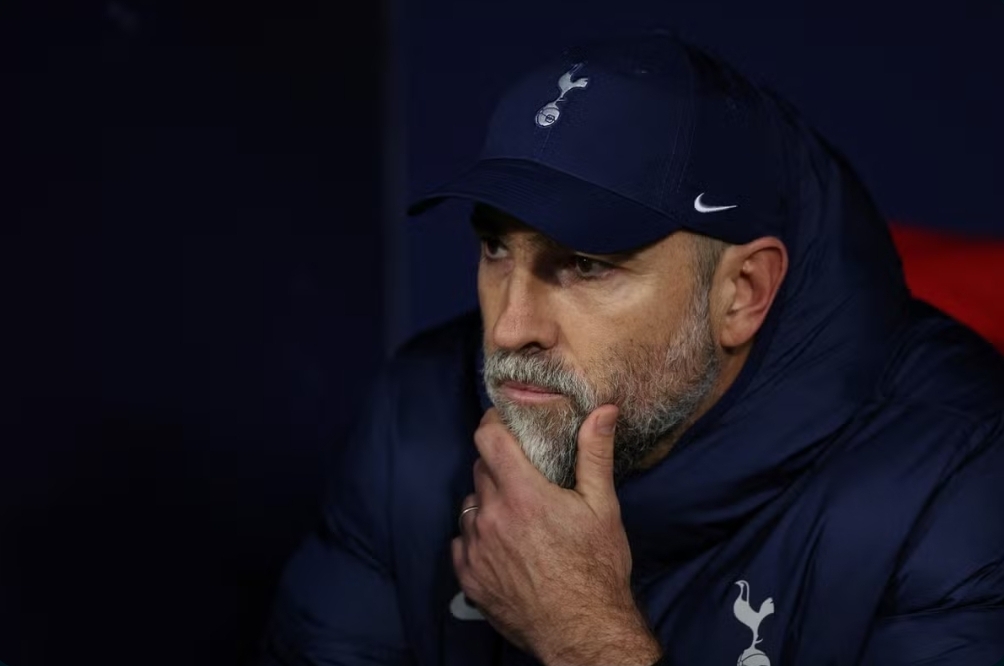
Igor Tudor has left Tottenham by mutual consent after just 44 days in charge as head coach, a period marked by high hopes but disappointing results. The Croatian manager, 47, was appointed to rescue a Spurs team teetering near the relegation zone, replacing Thomas Frank amid mounting pressure. However, Tudor’s short spell at the helm failed to inspire the turnaround the club desperately sought, culminating in a mutual agreement to part ways as Tottenham face a challenging fight for survival in the Premier League.
Igor Tudor’s Struggles to Steer Tottenham Clear of Danger
Taking charge of Tottenham under difficult circumstances, Tudor entered a volatile environment. The club’s recent form had been poor, leaving them perilously close to the relegation zone. Despite his reputation for stepping into crisis situations—a track record that includes notable spells at Juventus and Lazio—Tudor found the task too big to resolve in the brief period he was in charge.

In his five Premier League matches, Tudor earned just a single point, a dismal run that included three consecutive defeats against Arsenal, Fulham, and Crystal Palace. These losses highlighted the significant challenges facing Spurs, both tactically and mentally. The team’s performances lacked cohesion and resilience, prompting fans and pundits alike to question whether Tudor was the right man for the job.
Mixed Fortunes in Europe, But Domestic Troubles Persisted
While results in the Premier League were underwhelming, Tottenham showed glimpses of life in Europe, competing in the Champions League last 16. Tudor orchestrated a notable turnaround against Atletico Madrid, losing the first leg heavily 5-2 but managing to secure a 3-0 victory in the second leg. This single win stood out as the only bright spot during his brief tenure and ultimately fell short as Spurs bowed out on aggregate.
Tudor’s Champions League tenure was not without controversies, including his decision to substitute deputy goalkeeper Antonin Kinsky after just 17 minutes in the first leg—a move that raised eyebrows and underscored issues related to his man-management approach.
Final Days and Impact of Personal Tragedy
The culmination of Tudor’s tenure came after a crushing 3-0 home defeat to Nottingham Forest, a side also struggling in the Premier League relegation battle. This result left Tottenham just one point above the drop zone, extending their winless league run to 13 games—their longest streak without a victory in the top flight in 91 years.
Following this defeat, Tudor refrained from attending post-match interviews due to the death of his father, a personal blow that the club publicly acknowledged. Tottenham’s official statement expressed sympathy for Tudor and his family, highlighting the difficult period he endured during his time at the club.
A Wider Coaching Team Departure and Next Steps for Tottenham
Alongside Tudor’s departure, the club also announced that Tomislav Rogic, the goalkeeping coach, and Riccardo Ragnacci, the physical coach, had left their roles. Tottenham expressed gratitude for their work during the past six weeks, noting the hard effort all three put into trying to stabilize a faltering squad.
The club has promised an update on the appointment of a new head coach in due course. For now, the responsibility to turn things around remains firmly with the players and interim coaching staff as Tottenham prepare for a critical run of fixtures.
Looking Ahead: Tottenham’s Challenging Road to Safety
Tottenham’s Premier League campaign continues with a trip to Sunderland on April 12th, a team currently positioned mid-table but capable of causing difficulties. The remainder of the season features several daunting fixtures, including home games against Brighton, Leeds, and Everton, as well as away trips to Wolves, Aston Villa, and Chelsea. With survival at stake, Spurs face a steep climb to secure their Premier League status for next season.
The departure of Igor Tudor underscores the immense challenges Tottenham face as they seek stability and improved performances. His brief and turbulent tenure, while marked by flashes of promise in Europe, ultimately did not stem the domestic slide. Now, the club looks to new leadership to provide fresh impetus to a squad desperate to avoid a relegation that would be devastating for one of England’s historic top-flight teams.Igor Tudor has left Tottenham by mutual consent after just 44 days in charge as head coach, marking one of the shortest managerial spells in the club’s recent history. Appointed during a critical phase of the season to replace Thomas Frank, Tudor’s tenure was characterized by limited success, mounting pressure, and personal tragedy, culminating in an early departure that leaves questions about Tottenham’s future direction.
Igor Tudor’s Short-Lived Tottenham Tenure: A Challenging Assignment
Taking charge of Tottenham when the club was battling relegation, Tudor’s appointment was seen as a bold move by the Spurs’ hierarchy. The Croatian, 47, came with a reputation for providing tactical stability and improving struggling teams, having held roles at prominent clubs like Juventus and Lazio. However, the task he faced at Tottenham proved daunting from the outset.
His reign started poorly, with Spurs losing their first three Premier League matches under his management against Arsenal, Fulham, and Crystal Palace. Each defeat was marked by defensive frailties and offensive shortcomings, fueling anxiety among Spurs fans about the club’s fate in the Premier League. Tudor’s inability to quickly turn results around was glaring, especially given the intensity of the relegation battle.