Premier League Shirts Are Going to Look Very Different This Season
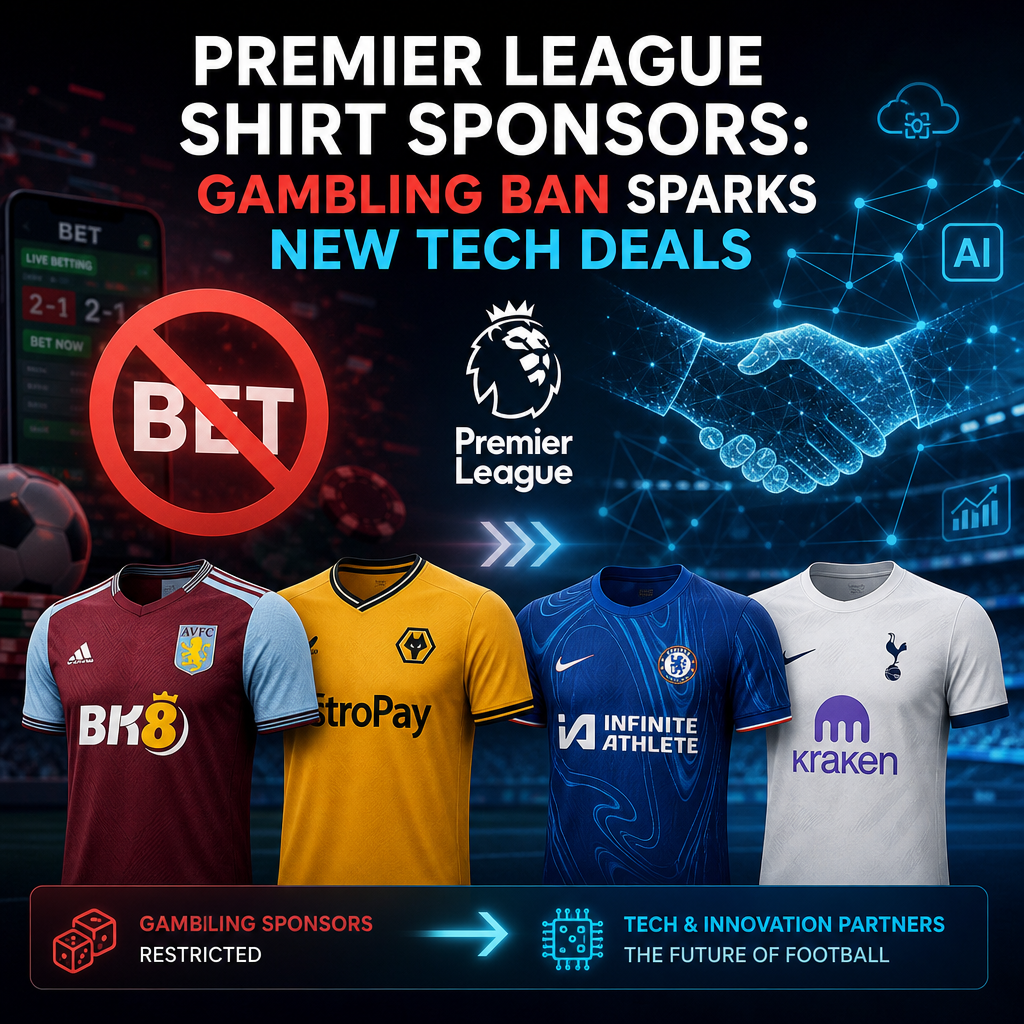
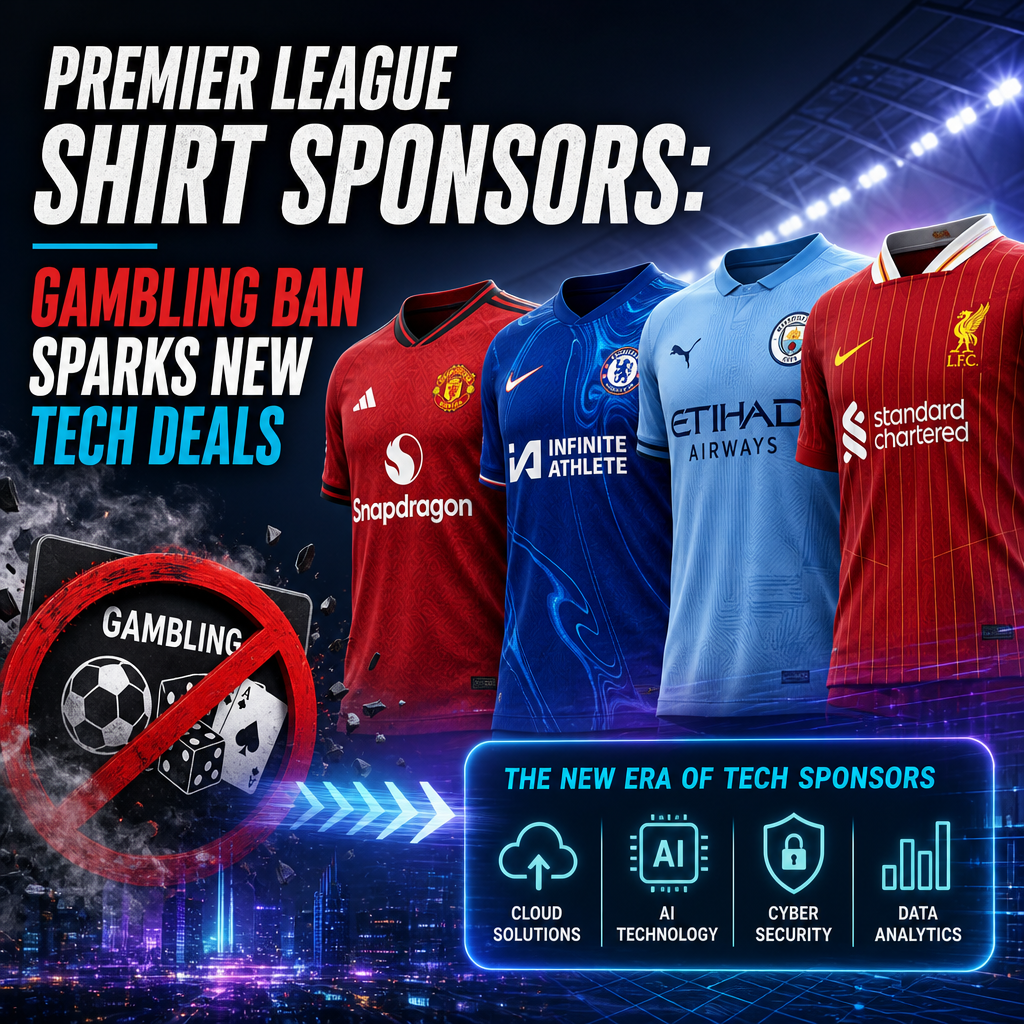
This season marks a significant change in the Premier League’s shirt sponsorship landscape. Twenty years after gambling companies first started putting their logos on the front of jerseys, the door has now been firmly closed after clubs voluntarily voted to ban them. This shift is transforming the look and commercial strategy of Premier League kits, reflecting broader changes in football sponsorship.
The Rise and Fall of Gambling Sponsorship
In the past two campaigns, more than half of the Premier League clubs — 11 out of 20 — featured betting firms as their shirt sponsors. These ranged from traditional online bookmakers to crypto casinos, some of which didn’t even operate within the UK. The prevalence of gambling sponsors was largely driven by market dynamics, particularly for clubs outside the top tier of global football brands.

Twenty years ago, such sponsorships would have been unthinkable; back then, football shirts were typically adorned by local companies or well-known foreign firms comfortable with the UK market. The 1980s saw names like Draper Tools, Crown Paints, JVC, and Sharp regularly appearing, reflecting the more localized and stable nature of commercial partnerships.
How the Premier League’s Global Appeal Changed Sponsorship
As the Premier League’s global appeal mushroomed, the sponsorship landscape shifted dramatically. No longer confined to local or nationally recognized companies, clubs began attracting sponsors from all sectors and corners of the globe, eager to reach international audiences.
While the Premier League’s “big six” clubs—such as Manchester United, Liverpool, and Chelsea—secured lucrative deals from a diverse range of industries, the remaining clubs often found their best commercial opportunities with gambling companies. Gambling firms offered lucrative deals that smaller clubs couldn’t match otherwise, leading to the saturation of betting brands on Premier League shirts.
Who’s Replacing the Gambling Sponsors?
With the voluntary ban on gambling sponsorships now in place, eight Premier League clubs needed to find new shirt sponsors this summer. Some, like Nottingham Forest and Sunderland, are still searching, while Chelsea—despite their stature—have only had brief front-of-shirt sponsors in recent seasons.
Kieran Maguire, professor of football finance at the University of Liverpool, offers insights into the challenges clubs face:
“This is mainly due to the club’s perception of its worth not being matched by that of sponsors themselves, and the removal of gambling sponsors which has reduced supply. Chelsea in particular have struggled in recent seasons, as the club wants a long-term deal at a price that they consider reflects their current status as FIFA Club World Cup champions.”
Chelsea’s recent short-term deal with IFS, an AI technology company, highlights emerging trends in sponsorship.
The Rise of Tech and Finance on Shirts
Premier League sponsorship has evolved with the times, transitioning from tech to alcohol, then gambling, and now AI and finance sectors are stepping up. This season, four Premier League clubs will have technology sponsors, including Ipswich, Manchester United, Crystal Palace, and Fulham.
Crystal Palace and Fulham have notably switched from gambling companies to AI and technology firms, Temporal and ClickHouse respectively. The increasing investment in AI and tech startups is expected to bring more names from this sphere onto football shirts in the coming years.
Finance sponsorship is now the leading sector, with five clubs sponsored by financial firms. Everton, for example, has signed a deal with CMC Markets, a global financial trading platform.
Other sectors stepping in to fill the gap left by gambling include insurance, tourism, and recruitment—diversifying the types of brands Premier League fans will see on the pitch.
A Brief History of Shirt Sponsorship in English Football
The journey of shirt sponsorship began in the late 1970s when football clubs actively sought new revenue streams. Initially, there was strong resistance, particularly from television companies, who argued that sponsors’ logos amounted to free advertising.
The Football Association and the Football League relaxed their stance ahead of the 1979-80 season but still required logos to be removed for televised matches and all cup ties. Everton made history by displaying Hafnia, a Danish tinned meat company, as their first-ever sponsor. Shortly afterward, Liverpool followed suit with Japanese electronics firm Hitachi.
By the 1983-84 season, the ban on sponsors’ logos during TV broadcasts was lifted, allowing all 22 top-flight clubs to feature sponsorships on their kits. The early sponsorship landscape was dominated by emerging electronics companies such as JVC, Panasonic, Pioneer, and Sharp.
When the Premier League was inaugurated in 1992-93, nine clubs featured technology sponsors, with Japanese companies accounting for five of them—highlighting the global reach and commercial appeal that clubs sought even then.
The Future of Premier League Shirt Sponsorship
As gambling companies exit the shirt sponsorship arena, the Premier League’s commercial landscape is undergoing a profound transformation. Technology, finance, and other sectors are eager to fill the void, bringing new ideas, investments, and branding sensibilities to the clubs.
While some teams are still seeking their next major deals, this new era promises a wider variety of sponsors and potentially more sustainable commercial partnerships aligned with clubs’ global ambitions and values. In the coming years, Premier League shirts are likely to reflect cutting-edge industries and innovative brands more than ever before—marking a new chapter both on and off the pitch.