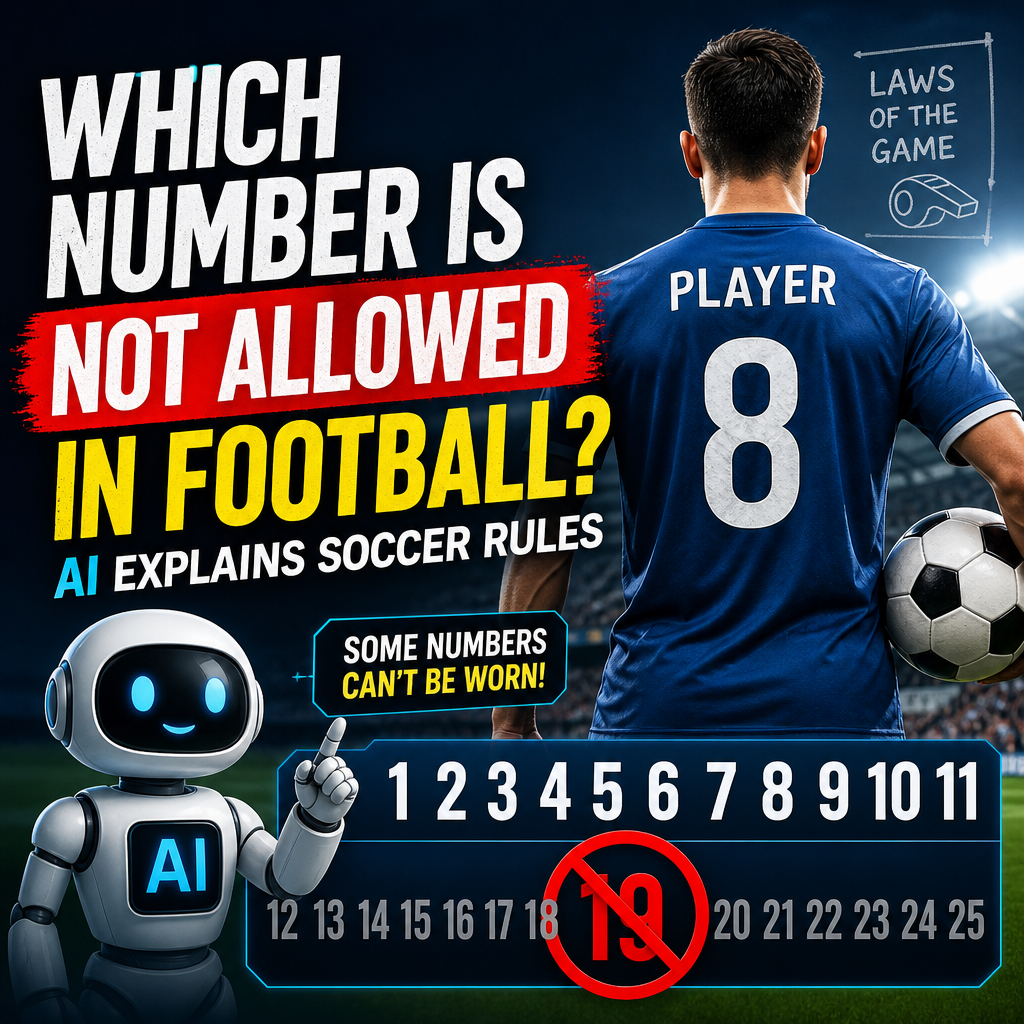
Hmmm… Do You Know About This?! Which Number Is Not Allowed in Football?
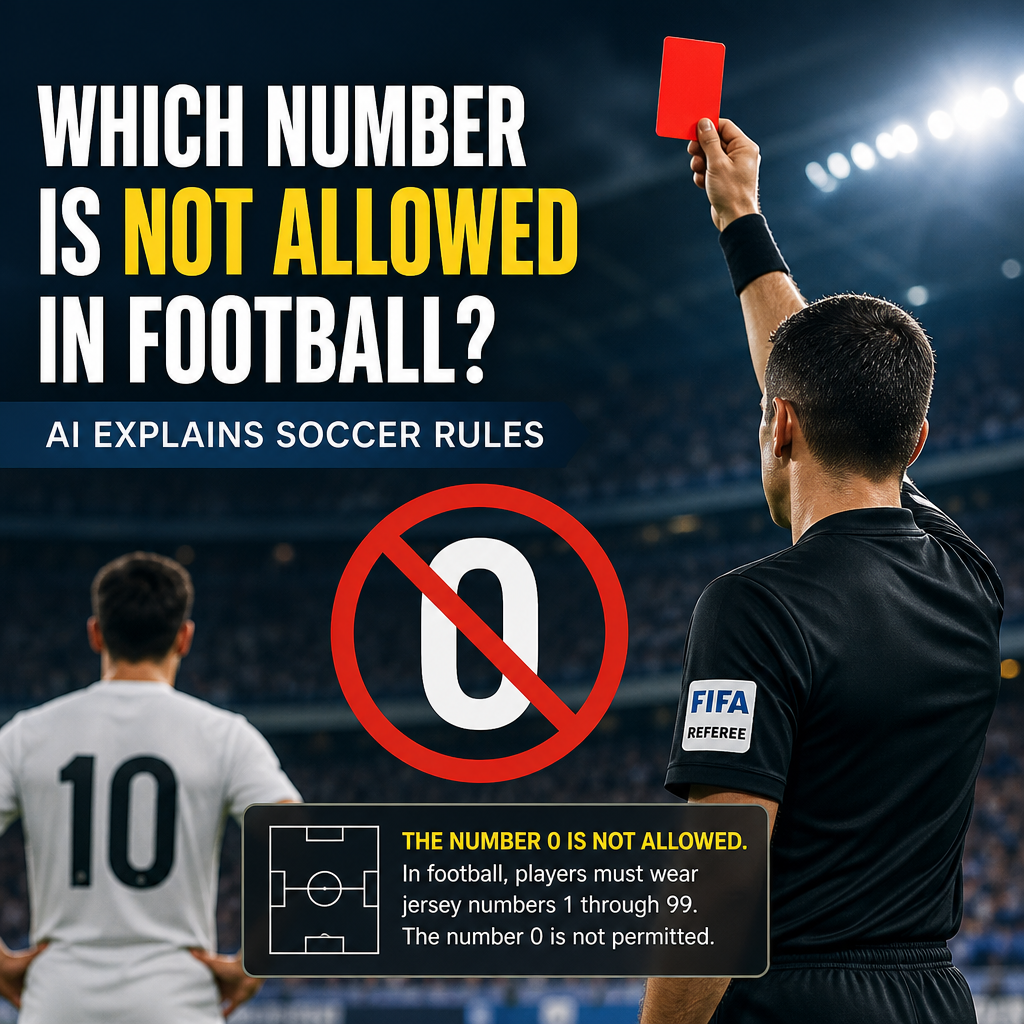
Football, in its many forms around the world, has different traditions and rules governing player numbers. Whether you’re a fan of association football (soccer) or American gridiron football, certain numbers are either forbidden or heavily regulated. But which number is not allowed in football? The answer depends greatly on the type of football and the league’s governing rules.
Association Football (Soccer)
In global soccer, player numbering is governed by the International Football Association Board (IFAB) and various football associations. While numbering systems can vary, there are some clear restrictions on which numbers players can wear during official competitions.

Numbers Not Allowed in Soccer
1. Number 0 and 00
One surprising restriction is the number 0. According to FIFA’s official regulations, standard squad numbers must start from 1. Zero and double zero (00) are broadly banned in most professional leagues worldwide.
Historically, some leagues outside Europe allowed the number 0, but this has become extremely rare or outright prohibited today. The reasoning is to maintain clarity and uniformity for referees, fans, and broadcasters.
2. Three-Digit Numbers (100+)
Most high-profile football leagues including the English Premier League, Bundesliga, and Serie A restrict player numbers to between 1 and 99.
Three-digit numbers are almost always forbidden because they are impractical for match sheets and jerseys. This is why player kits will never show numbers like 100, 101, or above.
3. Numbers Above 25 in Spain’s La Liga
Spain’s La Liga has a unique rule: senior first-team players must wear numbers from 1 to 25. Higher numbers are reserved strictly for youth team players who are temporarily called up to the main squad.
This system helps differentiate between permanent first-team players and those on short-term or youth assignments.
Political and Hate Symbol Bans in Soccer
In recent years, football governing bodies have also taken a stand against numbers associated with hate symbols or extremist groups.
Examples:
- Number 88: In 2023, the Italian Football Federation (FIGC) banned the number 88 from all Italian clubs. The reasoning? The number 88 is a hate symbol used by neo-Nazi groups as a code for “Heil Hitler” (H is the 8th letter of the alphabet).
- Number 44: The German Football Association (DFB) blocked the customized printing of number 44 because it resembles Nazi SS iconography when printed in certain fonts.
These bans showcase how football isn’t just about the game but also about maintaining ethical and social responsibility on and off the pitch.
American Gridiron Football: Different Rules, Different Numbers
When we shift our focus to American football, the rules about numbers are entirely different and generally more flexible—but still regulated by the NFL or NCAA.
Key Restriction in American Football:
- Unlike association football, there is no universally forbidden number in American football. However, certain number ranges are assigned by position group to keep the game organized (for example, quarterbacks usually wear numbers 1-19).
Unlike soccer, the idea of banning numbers like 0 or 00 has varied over time. The NFL recently allowed the use of number 0 again but forbids 00.
Summary: Which Number Is Not Allowed in Football?
| Football Type | Number Not Allowed | Why? |
|---|---|---|
| Association Football | 0, 00, 100+, above 25 (in La Liga), 88 (Italy), 44 (Germany) | Standard numbering starts at 1, political/hate symbol bans |
| American Football | 00 (some leagues), position-based numbering | Historical conventions, organizational clarity |
Final Thoughts
Understanding which number is not allowed in football can shed light on the culture, history, and social responsibilities embedded within the sport. Whether it’s the simple rules of squad numbering in soccer or politically motivated bans, these restrictions reflect football’s complex global nature.
So next time you watch a match, take a second to notice the players’ numbers—they tell a story beyond just identification!