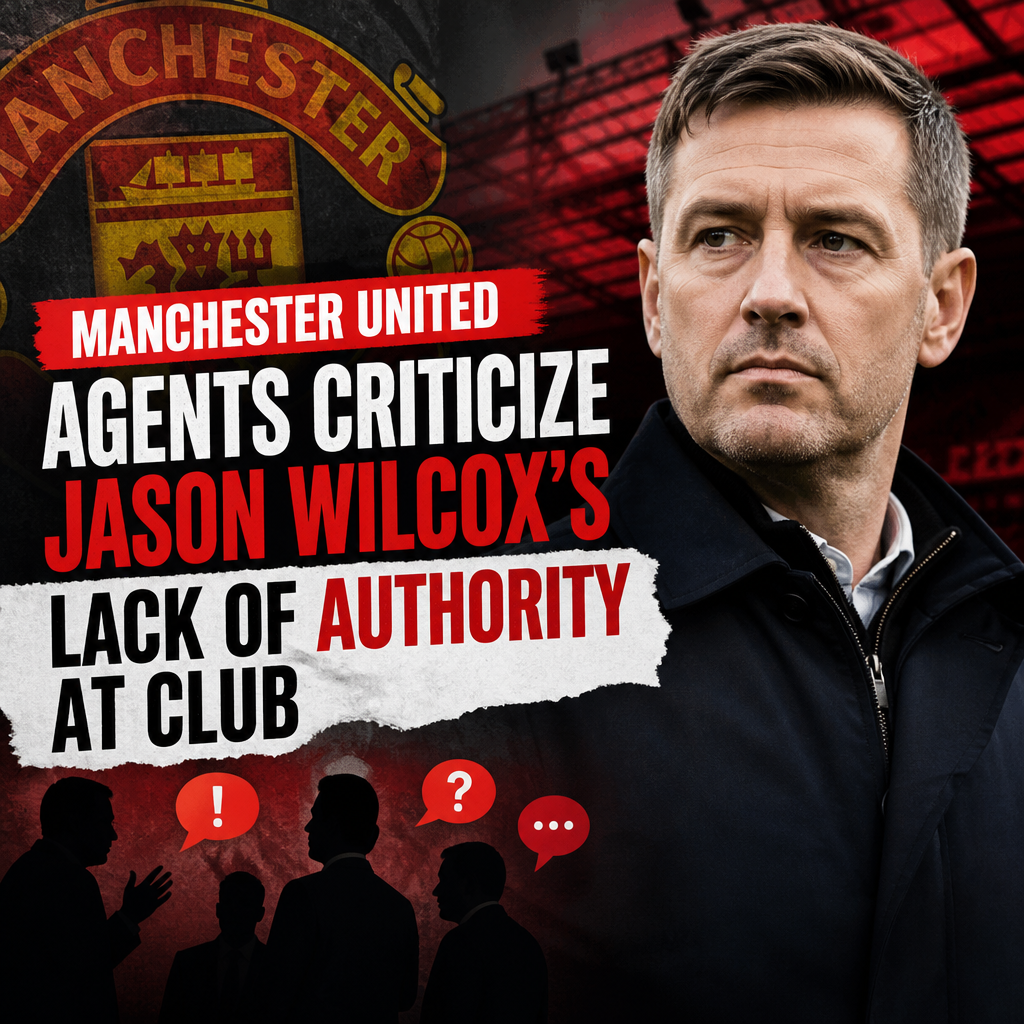
Concerns Mount Over Jason Wilcox’s Authority at Manchester United
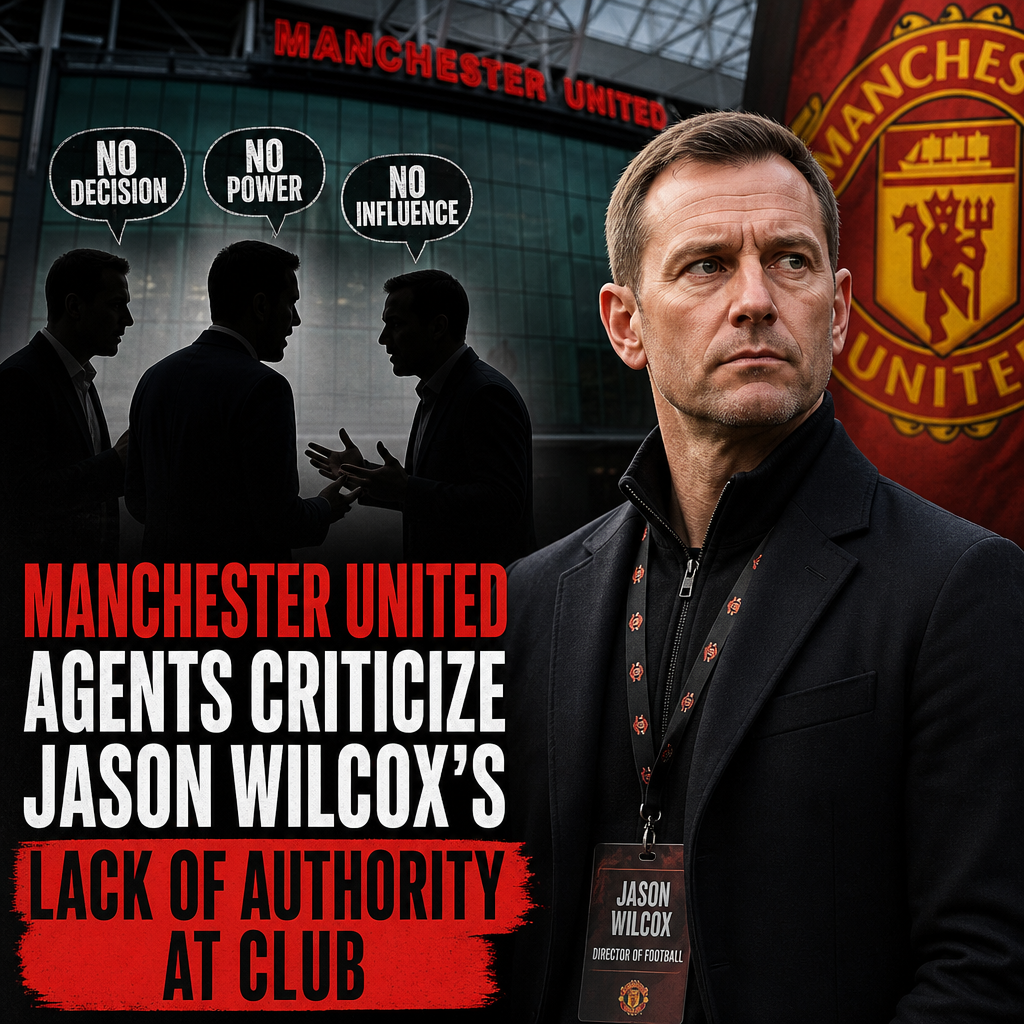
Manchester United, one of the most iconic football clubs in the world, is currently facing internal challenges that extend beyond the pitch. Recent reports from football agents have raised alarming concerns about Jason Wilcox’s actual authority within the club’s hierarchy. Despite Wilcox being perceived as a key decision-maker, insiders suggest that the real power rests elsewhere — with Sir Jim Ratcliffe and the Glazer family.
Jason Wilcox: A Figurehead or Decision-Maker?
Jason Wilcox was brought in to help steer Manchester United’s football operations, but some agents closely tied to the club’s dealings warn that his role may be more symbolic than substantive. One agent remarked,

“Jason is in an incredibly difficult position. Everybody would think he’s the decision-maker at the club, but he absolutely isn’t. United is run by the owners, Sir Jim and the Glazers. If you sack Wilcox, nothing will change. It’s a mess.”
This statement highlights a growing frustration among those dealing with the club — a disconnect between Wilcox’s official status and his actual influence over transfers, contracts, and other strategic decisions.
The Power Behind the Scenes: Sir Jim Ratcliffe and the Glazers
Manchester United’s ownership has long been a topic of debate among fans and pundits alike. The Glazer family has controlled the club since 2005, often drawing criticism over their management style and financial priorities. Recently, Sir Jim Ratcliffe, the British billionaire and chemical magnate, has entered the equation, further complicating the club’s leadership structure.
One agent sheds light on the chaotic decision-making environment:
“We had a deal agreed with Jason and then Jim got involved and tried to change it. He ended up killing it.”
This interference suggests that even when Wilcox tries to act decisively, he is frequently overruled or undermined by the owners, blurring the lines of authority within the organization.
What This Means for Manchester United’s Future
The internal power struggle at Manchester United raises several important questions about how the club will operate in coming months and years.
1. Stability in Transfers and Squad Building
If agents perceive that Wilcox does not have the final say, this could deter talent from joining or negotiating with the club. Players and agents want clarity and reliability — something that’s currently in doubt.
2. Risk of Leadership Turnover
With agents openly questioning Wilcox’s effectiveness, there’s speculation about potential changes on the football operations team. However, as one agent pointed out, changing Wilcox alone won’t solve the underlying problems, which originate at ownership level.
3. Fan and Media Scrutiny
Fans have long expressed frustration over the Glazers’ stewardship, and recent developments involving Sir Jim Ratcliffe have only intensified the spotlight on ownership influence. This ongoing saga could impact team morale and public relations.
The Path Forward: What Needs to Change?
To restore confidence and streamline decision-making, Manchester United must address the root cause: the divided control between football operations and ownership.
Key steps could include:
- Clarifying Roles and Boundaries: Ensuring that football executives like Wilcox have autonomy in their remit without constant owner interference.
- Transparent Communication: Engaging with fans, players, and agents honestly about who holds final decision-making power.
- Unified Leadership Vision: Aligning Sir Jim Ratcliffe, the Glazers, and club management on clear strategic goals for the club’s success.
Conclusion
Manchester United’s current internal dynamics reveal a club struggling with leadership clarity and authority. While Jason Wilcox holds a significant title, his influence appears limited by the dominant roles of Sir Jim Ratcliffe and the Glazers. Until the ownership structure is more cohesive, the club risks continued instability both on and off the field. For a club with such a rich history and global fanbase, resolving this power imbalance is critical to future triumphs.
Stay tuned for more updates as the situation at Manchester United unfolds.