Gianni Infantino Faces Backlash as FIFA Plan Sparks Fierce Reactions
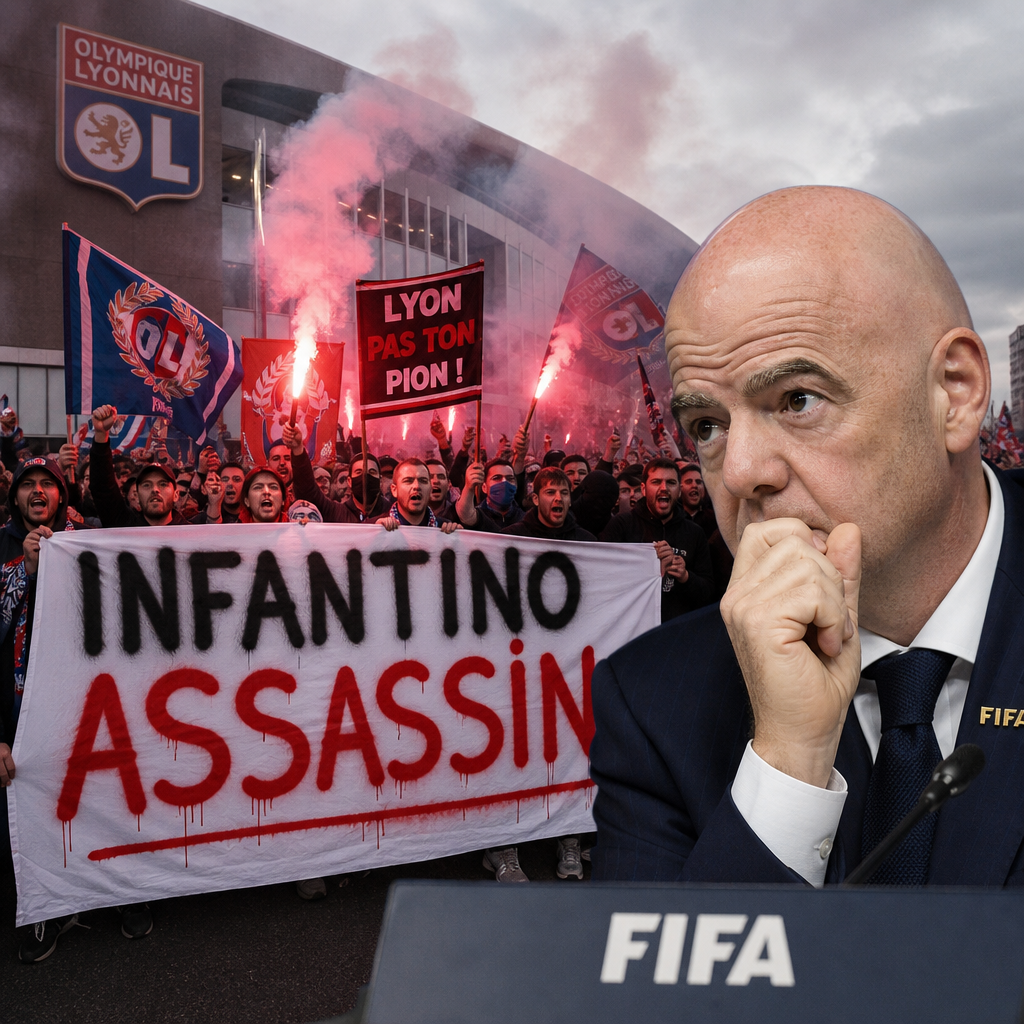
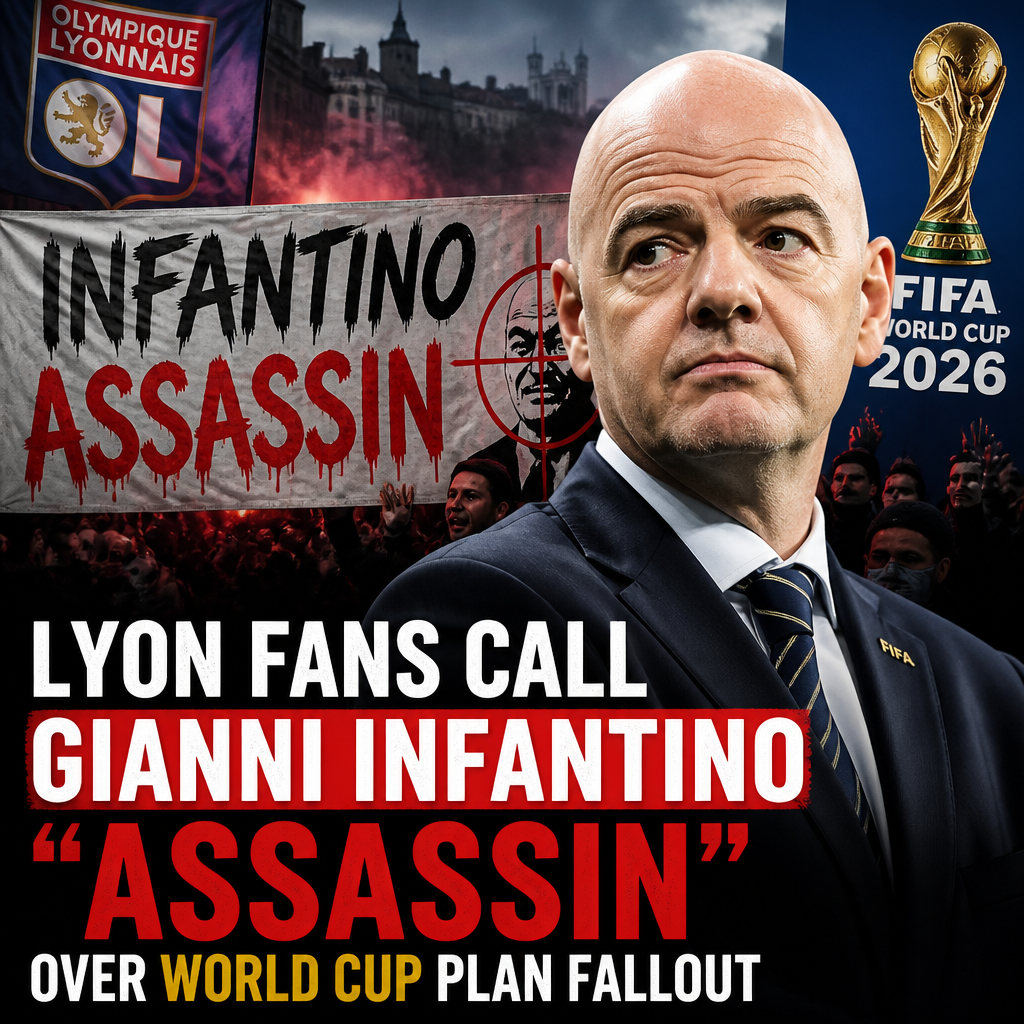
Tensions escalated sharply on Tuesday night during a Champions League qualifier as Gianni Infantino, FIFA’s president, was publicly criticised amid growing controversy over his World Cup proposal. The backlash, exemplified by a stark banner displayed by the Lyon fan group known as the Bad Gones, highlighted the deep unease within football communities about FIFA’s recent strategic decisions.
The Scene at Groupama Stadium
The incident unfolded at the Virage Nord section of the Groupama Stadium in Lyon, France, where supporters of Olympique Lyonnais (Lyon) unveiled a provocative banner targeting Gianni Infantino and FIFA. The banner labelled Infantino an “assassin” and referred to FIFA as a “mafia group.” This dramatic public display came during Lyon’s 3-0 victory against Sparta Prague in a Champions League qualifier, which culminated in a 4-2 aggregate win.

These sharp words from the fan group underscore the outrage felt by many football fans who are deeply suspicious of FIFA’s governance and its recent proposals surrounding the World Cup.
The Controversial World Cup Plan
The root of the discontent stems from Infantino’s plan to sell stakes in the World Cup, a move intended to bring private investment into the iconic football tournament’s structure. This proposal was immediately met with fierce resistance by football confederations, politicians, and various stakeholders in the sport.
Critics argued that this approach commercialises the world’s premier football competition in a way that threatens its integrity and democratic values. The idea to privatise elements of the World Cup was seen by many as a step too far, privileging profit motives over the spirit of the game.
Fallout and Abandonment of the Proposal
In the wake of the significant pushback, FIFA was forced to swiftly abandon the plan. The backlash not only came from within football governing bodies but extended to political arenas, highlighting how important the World Cup is, not just as a sporting event, but as an international cultural institution.
Despite scrapping the proposal, the episode has left a serious mark on Infantino’s credibility and on FIFA’s image. It has also provided a rallying point for critics who accuse FIFA of operating under opaque, self-serving practices.
Why the Fan Protests Matter
Fan groups like the Bad Gones play a crucial role in the football ecosystem. They represent the passionate grassroots supporters whose voices often get drowned out by the business and politics behind the scenes. When fans resort to such aggressive public criticism, it reflects a deeper dissatisfaction with how football is managed globally.
These protests remind us that football remains a sport deeply embedded in local and national identities, and any attempt to commercialize or politicize it risks alienating the very supporters who keep the sport alive.
Looking Ahead: What This Means for FIFA and Infantino
The rejection of the World Cup stake sale plan is a significant moment for FIFA and Gianni Infantino. It serves as a warning that major structural changes to the sport must be approached with transparency, inclusivity, and respect for the global football community.
For FIFA to regain trust and move forward, it will need to engage more openly with fans, football confederations, and political stakeholders. This incident also highlights the growing power and influence of fan groups in holding governing bodies accountable.
Summary
- Gianni Infantino was publicly denounced by Lyon’s fan group, the Bad Gones, who branded him an “assassin” and called FIFA a “mafia group.”
- The criticism was sparked by Infantino’s controversial plan to sell stakes in the World Cup, which was abandoned following widespread backlash.
- The impassioned fan protest at Groupama Stadium reflects broader concerns about FIFA’s governance and the commercialisation of the sport.
- The episode marks a pivotal moment for FIFA, underscoring the need for greater transparency and dialogue with football’s global community.
As football navigates an era of increasing commercial pressures, the voices of fans and critics like those in Lyon serve as a crucial reminder of the game’s soul and spirit — elements that must be preserved above all else.