El Monumental Expansion: River Plate’s Ambitious Plan to Create a 101,000-Seat Football Giant
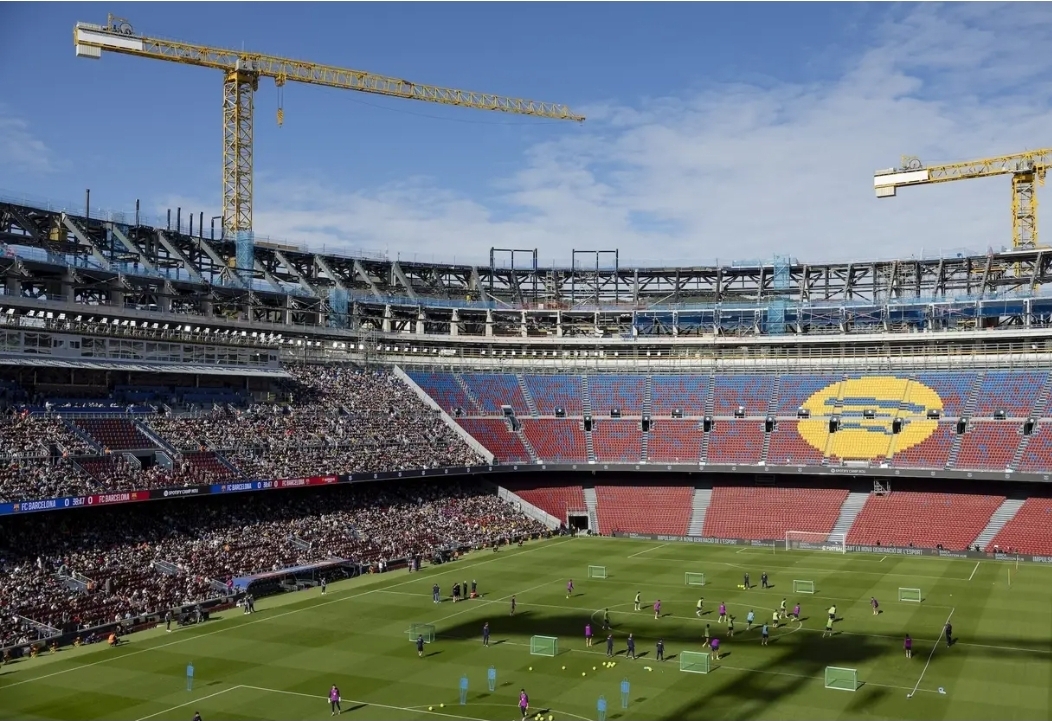
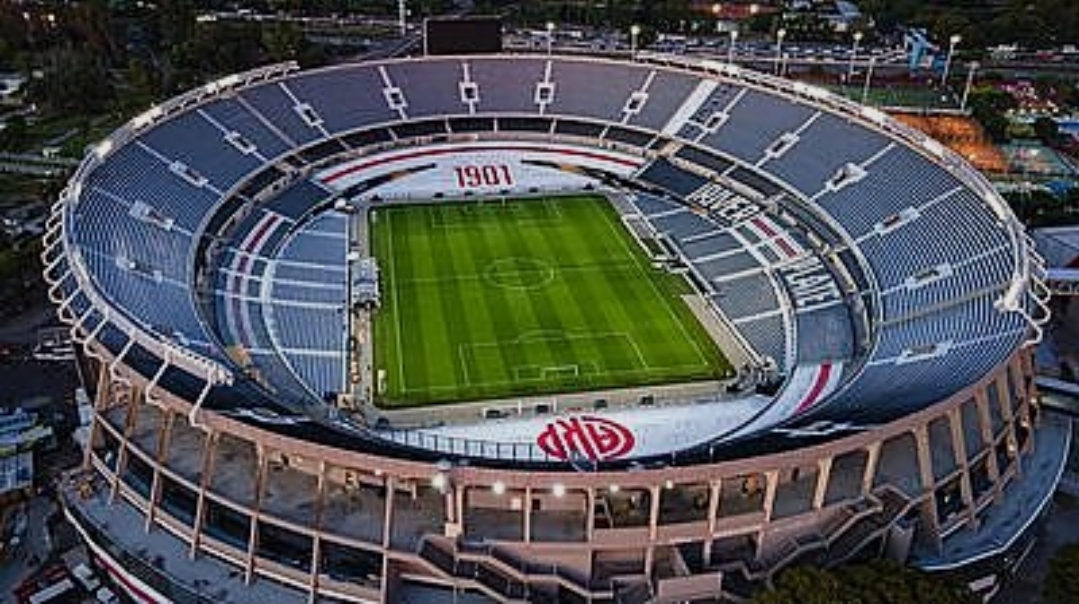
River Plate have announced ambitious plans to expand their iconic El Monumental stadium, aiming to increase its current capacity from 85,018 to a staggering 101,000 spectators. This bold move would not only cement the Argentine club’s status as one of the football world’s most popular teams but also make El Monumental the second-largest football stadium globally, trailing only behind Barcelona’s Camp Nou once its renovation is complete.
What is El Monumental’s Current Capacity?
Currently, El Monumental holds 85,018 fans and has been the beloved home of River Plate since its inauguration in 1938. The stadium has witnessed countless historic moments and is synonymous with River Plate’s rich heritage and passion for football. As four-time Copa Libertadores champions, River Plate attract hordes of supporters, frequently filling the stands to near capacity.
The decision to increase seating by approximately 16,000 more is driven by the remarkable demand for tickets at matches, with an average attendance exceeding 85,000 fans per game. This astounding figure made River Plate the most-attended football club in the world by the end of 2025, demonstrating just how vital expanding the stadium has become.
River Plate’s “Historic” Stadium Proposal
The club’s president, Stefano Di Carlo, revealed the expansion plan in a video post on Instagram, outlining their vision for a modern, roof-covered stadium that will raise El Monumental to new heights in both seating and prestige. This would see the venue not only surge in capacity but also feature a roof over the stands—an addition aimed at enhancing fan comfort and the overall matchday atmosphere.
“It is a continuation of River Plate’s path of modernization, growth, and historic leadership in sports infrastructure,” Di Carlo said. The vision includes transforming El Monumental into the largest and most important stadium in the Americas. Beyond football, the enhanced venue would become a focal hub for concerts and other major events, further highlighting its significance.
The estimated cost for the project is over $100 million (£72 million), with construction expected to begin in April and take around 36 months to complete. The timing is strategic, as organizers hope to have work finished in time for Argentina’s co-hosting duties during the 2030 World Cup.
Collaborations with Leading Engineering Experts
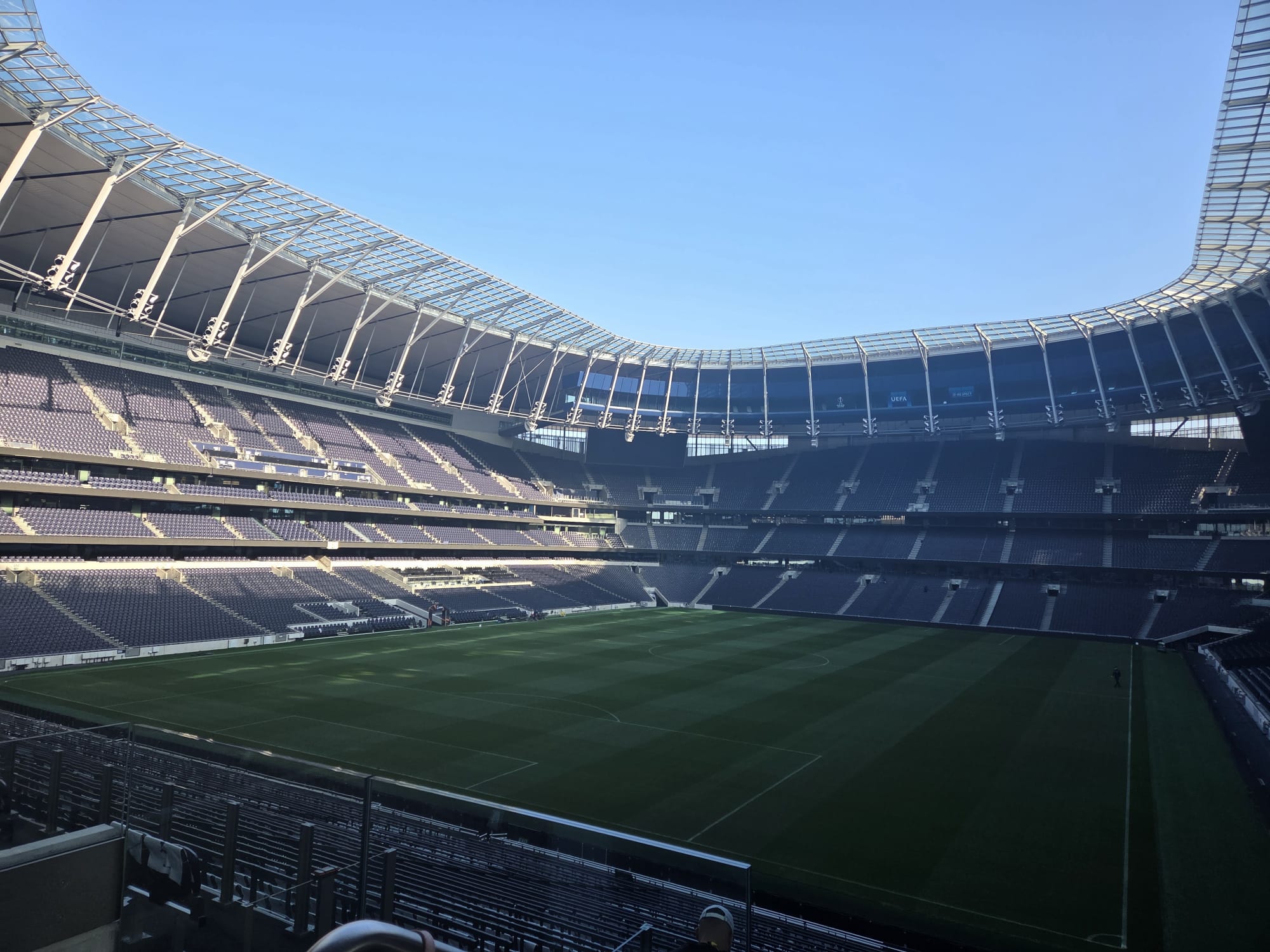
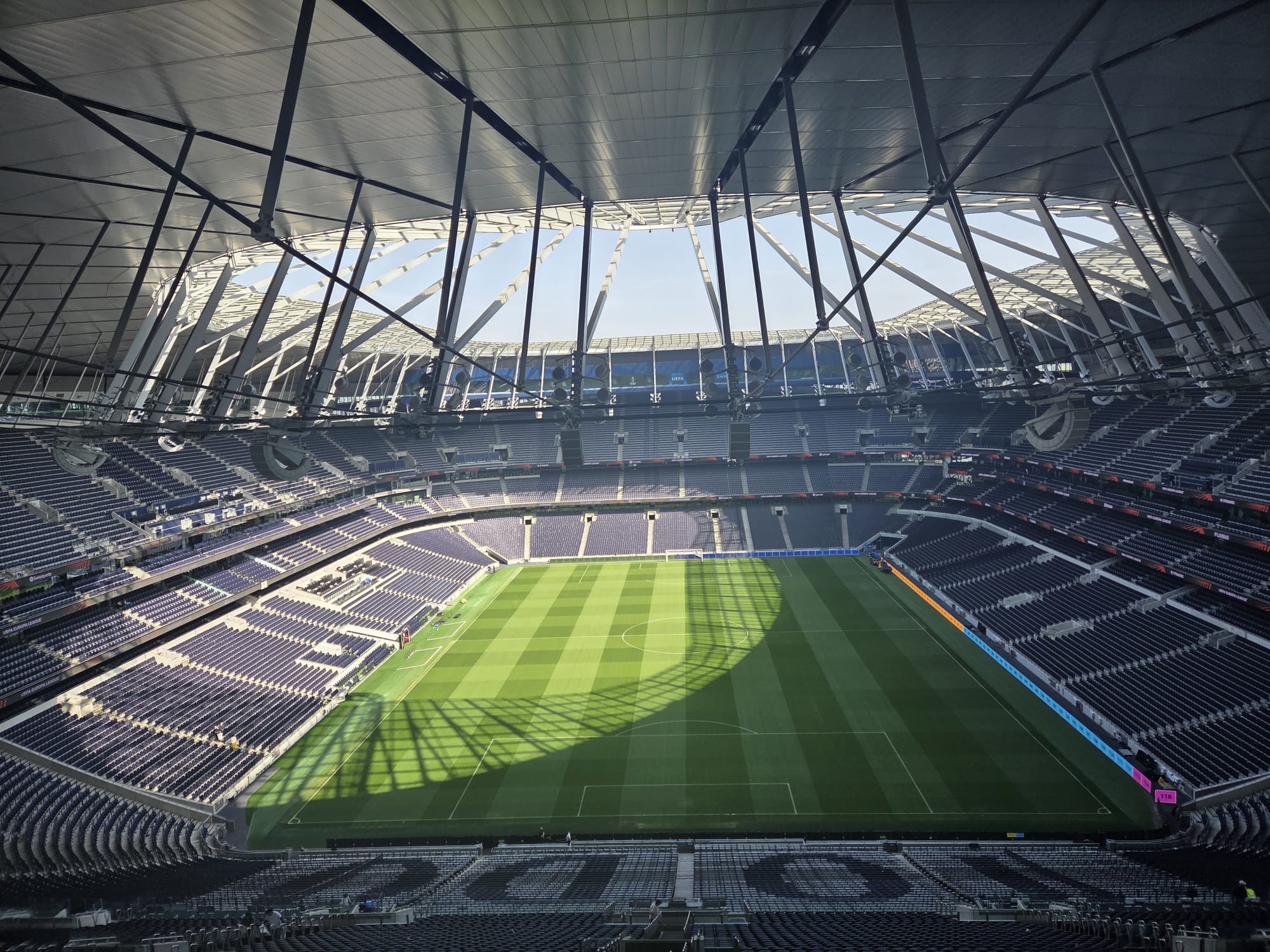
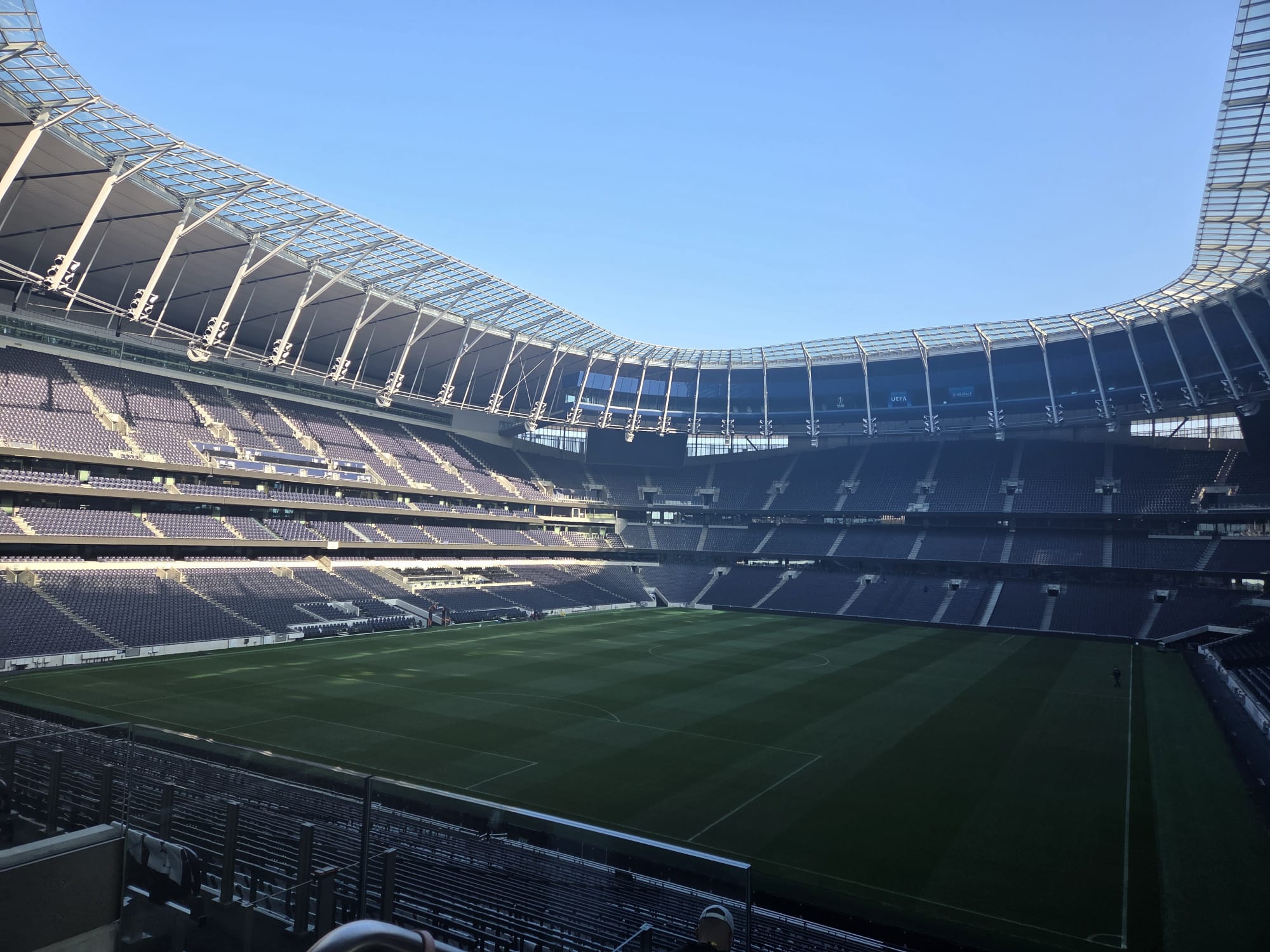
River Plate have enlisted the help of Schlaich Bergermann Partner (SBP), a top German engineering firm specializing in large stadium roofs. SBP’s portfolio boasts work on high-profile venues such as Tottenham Hotspur Stadium, Allianz Arena, Maracanã, Riyadh Air Metropolitano, and the Santiago Bernabéu.
By collaborating with experts who possess deep experience in stadium innovations, River Plate are ensuring El Monumental’s new design will stand out globally in terms of safety, design, and fan experience. The incorporation of the new roof will also allow the stadium to better adapt to weather conditions, making the environment more enjoyable for all attendees.
Funding and Financial Strategy
An important aspect of the project is its funding model. Di Carlo explained that River Plate will finance the construction through international loans, which will be repaid using revenue generated by the stadium itself. Hosting sporting events, concerts, and other entertainment activities in the upgraded facility will cover the costs, ensuring that the project does not negatively impact the club’s regular finances.
This approach reflects River Plate’s careful planning and commitment to fiscal responsibility, allowing them to modernize infrastructure without jeopardizing their financial health.
A Historical Venue Poised for a New Era
El Monumental has been a historic stage for numerous unforgettable events, from Argentina’s 1978 World Cup final victory over the Netherlands to many intense Superclásico clashes with Boca Juniors. The stadium has also hosted multiple Copa America and Copa Libertadores finals, securing its place as a footballing landmark in Argentina and South America.
Away from the pitch, El Monumental has welcomed internationally renowned artists, including the British rock band Oasis during their 2025 comeback tour. The planned renovations aim to enhance its status as a multipurpose venue capable of attracting a broader spectrum of events.
Visualizing the Future of El Monumental
Alongside the announcement, River Plate released an interactive video showing fans what the new El Monumental could look like once expansion is completed. The clip offered aerial views and detailed perspectives of the futuristic roof design and the increased seating layout, building excitement and anticipation among the club’s dedicated supporters.