■■■History of Ballon d’Or from Beginning to 2025■■■
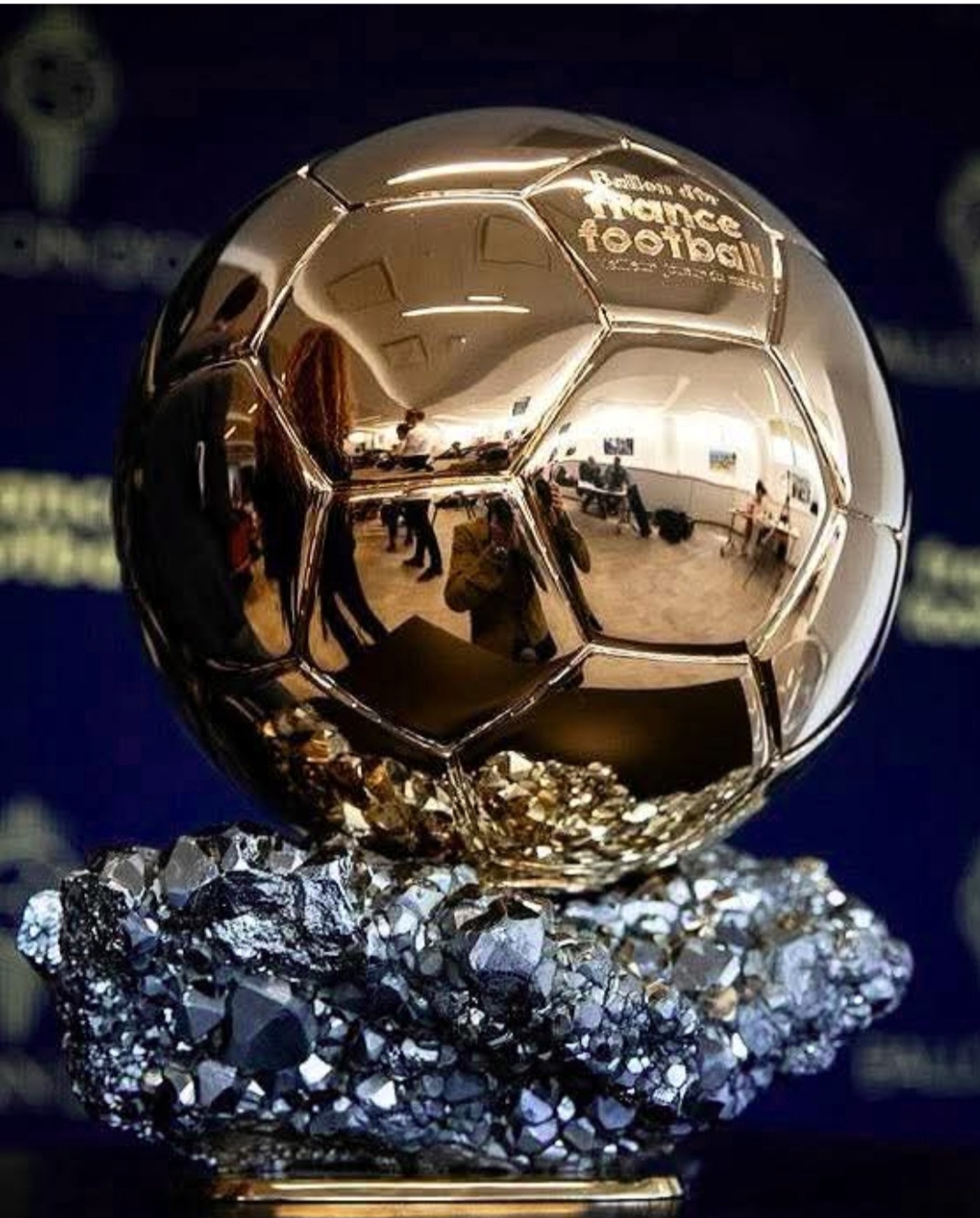
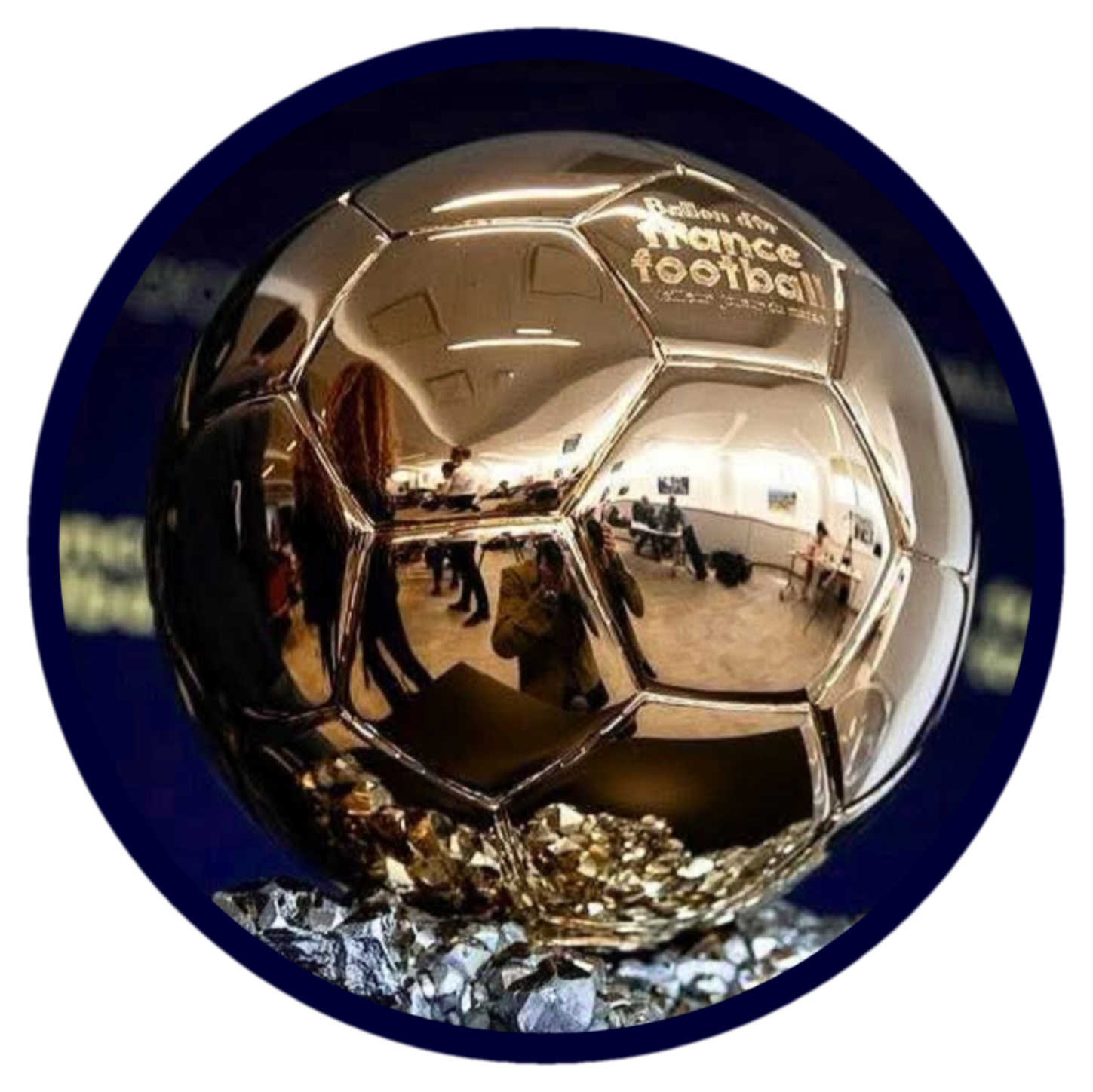
The Ballon d’Or stands as one of the most prestigious individual awards in the world of football, symbolizing excellence, talent, and dedication on the pitch. Since its inception, the award has chronicled the evolution of football by honoring its greatest players. Embarking on a journey from its early days to the latest champion of 2025, the Ballon d’Or has grown into a global icon that transcends the sport itself.
The Origins of the Ballon d’Or
The Ballon d’Or was first introduced in 1956 by the French football magazine France Football. Created to acknowledge the best European footballer playing in Europe, it was initially exclusive to European players. Stanley Matthews, the English winger, had the honor of winning the inaugural Ballon d’Or, setting a precedent for what was to become an annual celebration of footballing brilliance.
Throughout the decades, the award evolved. In 1995, the eligibility criteria expanded to include any footballer worldwide playing for a European club. Later, in 2007, it became a fully global award open to players regardless of their club or nationality. This shift recognized the truly international nature of modern football.
Evolution and Milestones Through the Years
From the early days dominated by legends such as Alfredo Di Stéfano, Johan Cruyff, and Michel Platini, the Ballon d’Or has witnessed some of the finest talents grace its list of winners. The award reflects not only individual success but also the footballing styles and trends that shaped the sport in each era.
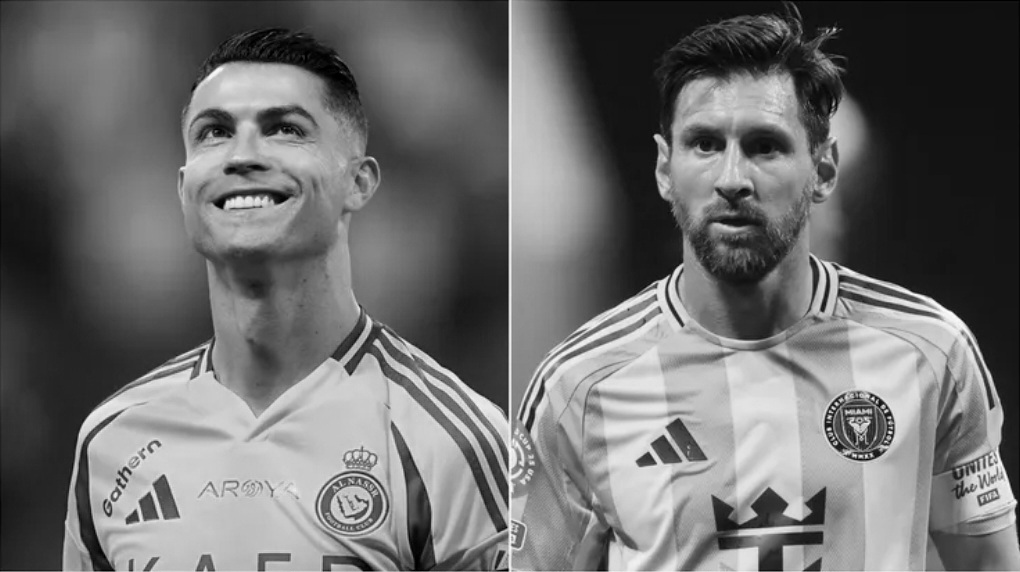
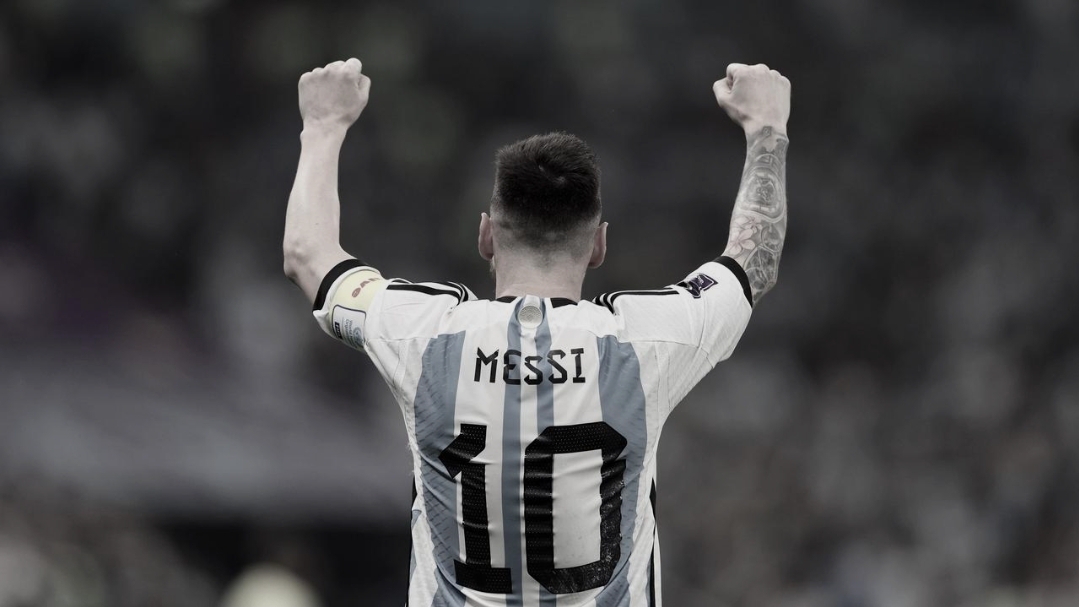
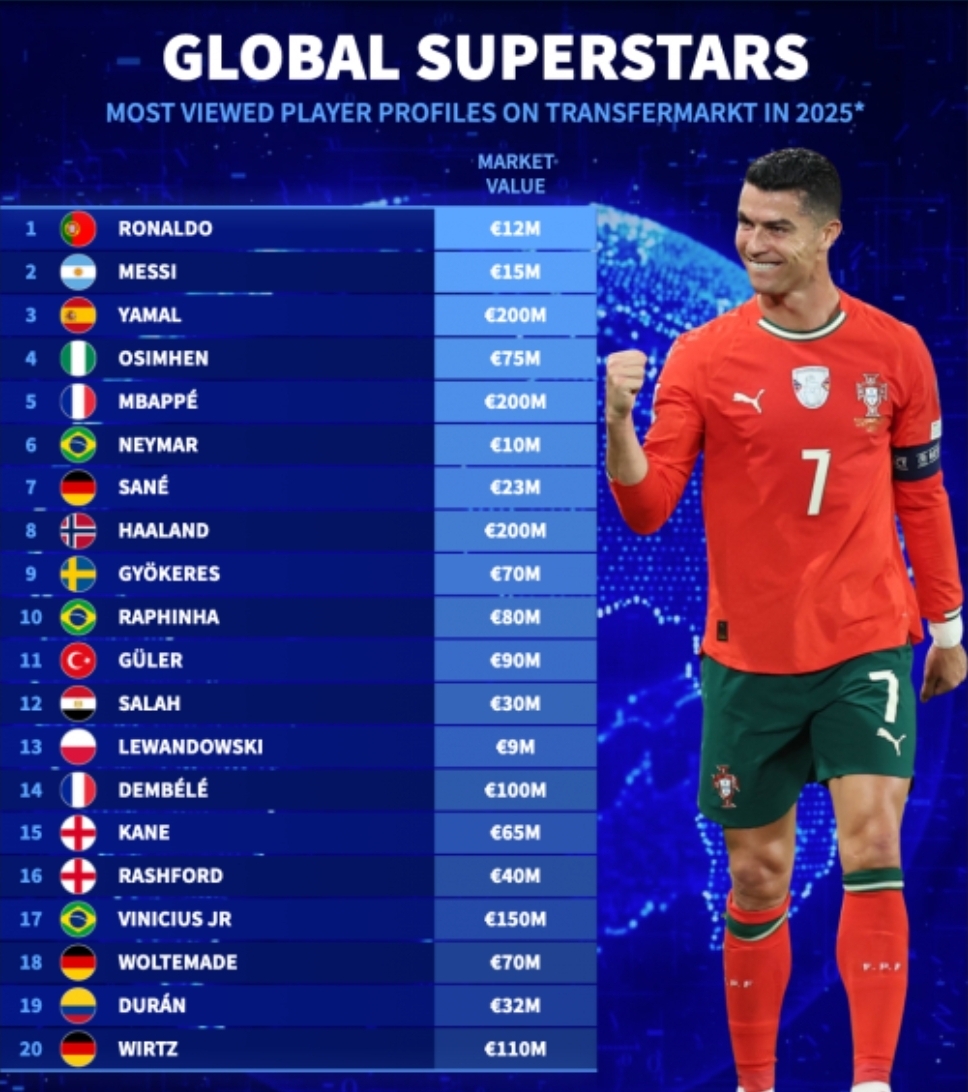
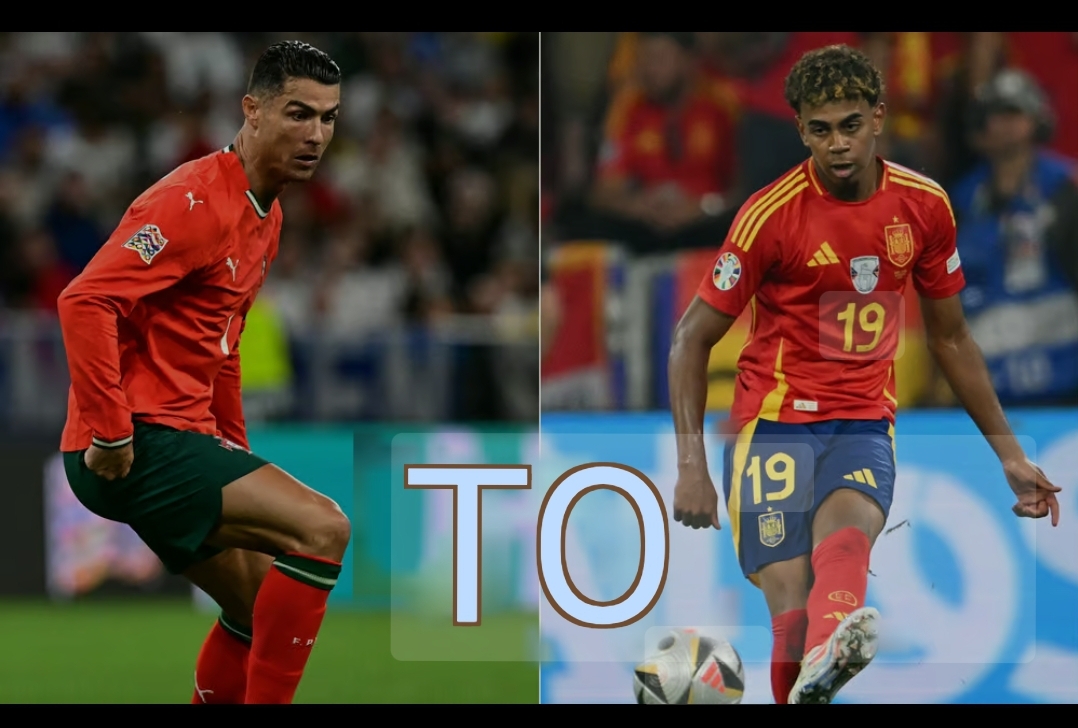
The 2000s were defined by the intense rivalry between Lionel Messi and Cristiano Ronaldo. These two icons elevated the Ballon d’Or to global superstardom, each winning multiple times and pushing the boundaries of footballing greatness. Messi, with his extraordinary dribbling and playmaking abilities, and Ronaldo, with his athleticism and goal-scoring prowess, have left an indelible mark on football history.
Who Has the Most Golden Boot in Football History?
While the Ballon d’Or honors the best player overall, the Golden Boot is awarded to the top goal scorer in specific competitions such as leagues, tournaments, or the FIFA World Cup. Across football’s vast history, determining who holds the record for the most Golden Boots can be complex due to different competitions and eras.
In club football, Lionel Messi boasts the most European Golden Shoe awards (which parallels the Golden Boot for league top scorers across Europe) with six titles, awarded to the top scorer in European leagues each season. This achievement underscores his consistency and brilliance in front of goal.
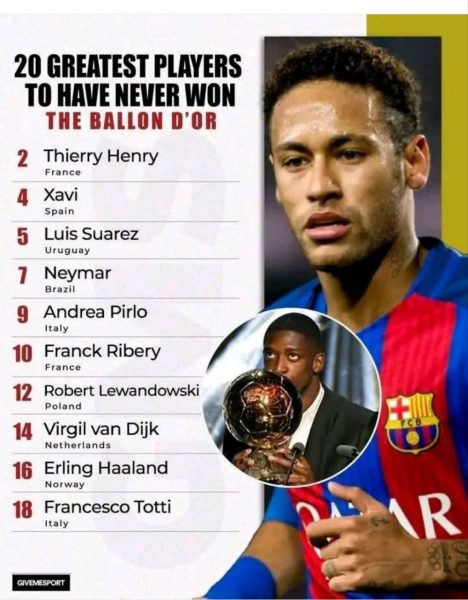
On an international stage, Ronaldo Nazário (Brazil), while never winning a Golden Boot award in the Ballon d’Or sense, has had top-scoring performances in World Cup tournaments. Meanwhile, players like Gerd Müller and Miroslav Klose remain among the highest scorers in World Cup history.
Ballon d’Or 2025
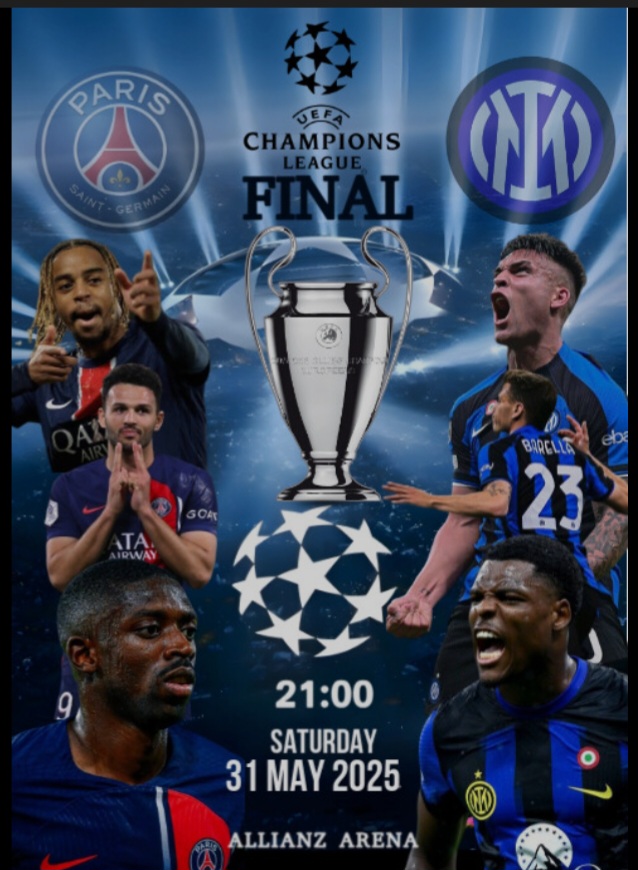
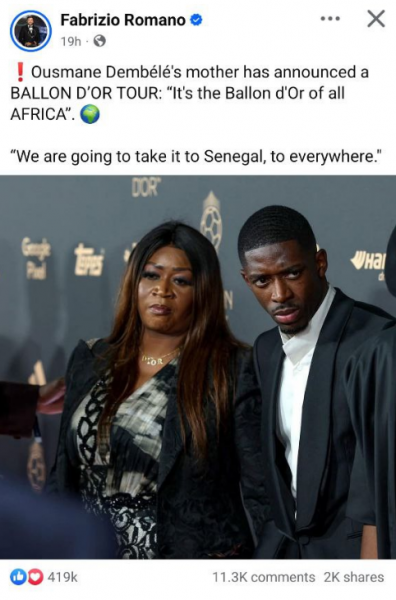
Football’s most prestigious individual honour was awarded to Ousmane Dembele on Monday night as the Frenchman was crowned the 2025 Ballon d’Or winner in Paris. All eyes fell upon the iconic Theatre du Chatelet for one of the biggest and glitziest nights on the game’s annual calendar,where Dembele scooped the top prize.
The Future of Ballon d’Or
Looking ahead, the Ballon d’Or continues to evolve as football grows in popularity worldwide. Emerging talents from diverse regions reflect the sport’s globalization. The criteria for judging excellence now take into account a variety of contributions beyond just goals or flashy skills—teamwork, leadership, and sportsmanship play a critical role.
As the game changes, technology and analytics might also influence how players are evaluated. However, the core essence of the Ballon d’Or—celebrating the art of football—is expected to remain unchanged.
In conclusion, the history of the Ballon d’Or from its humble beginnings in 1956 to 2025 encapsulates the story of football’s greatest heroes. The complexity and excitement surrounding the Golden Boot winners and Ballon d’Or recipients highlight football’s rich heritage and its dynamic present.