The 1990s was a transformative era for British football that reshaped the sport both on and off the pitch. This dynamic decade witnessed dramatic cultural shifts, the arrival of global stars, and the rise of football as a powerful commercial entity. More than just a period of change, it was an era that brought football from the terraces into mainstream British culture, setting the stage for the modern game we recognize today.
The 1990s: A Cultural and Sporting Renaissance for British Football
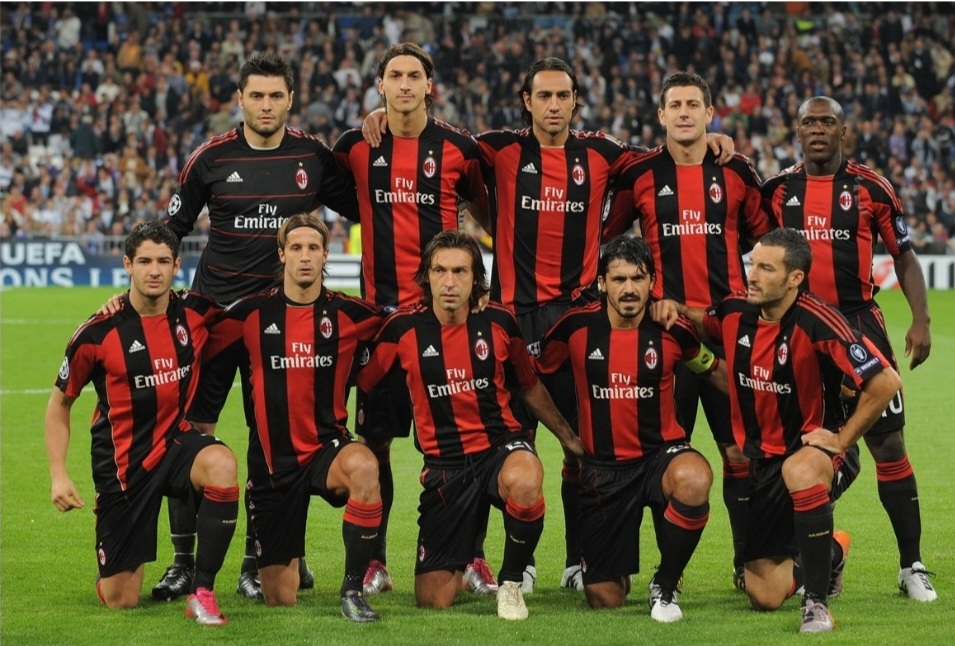
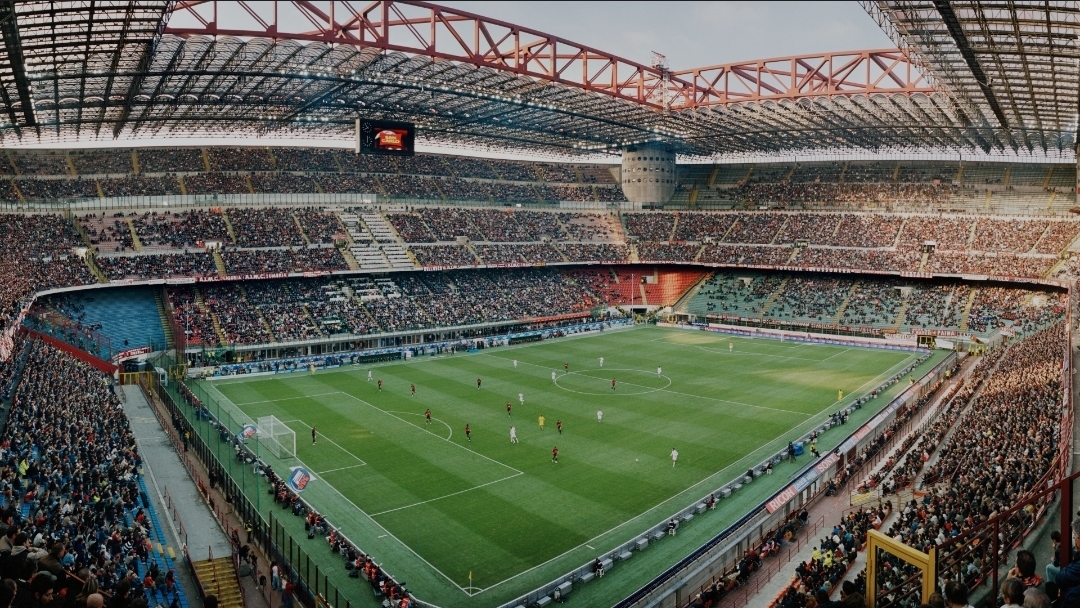
The transformation of British football in the 1990s was influenced by several key events, starting with the 1990 FIFA World Cup in Italy, famously referred to as Italia ’90. This tournament was significant for British football fans and players alike. English stars like Paul Gascoigne and Paul Ince showcased their talents on the world stage and began to make waves in Italian Serie A, then considered the pinnacle of club football. Gascoigne’s 1992 move to Lazio was particularly notable — it was more than a transfer; it symbolized the crossing of a cultural divide. English players were proving they could not only compete but also thrive in continental Europe, highlighted by Gascoigne’s flair and charismatic personality that captivated both British and Italian fans.
Serie A’s status as the leading football league of the era attracted the world’s best talent, and with English stars joining, the British football narrative expanded beyond its shores. This migration helped break down insular attitudes toward the game and encouraged cross-cultural appreciation of football at a tactical and aesthetic level.
The Formation of the Premier League: Football’s Glitzy Reinvention
Arguably the most watershed moment of 1990s British football was the birth of the Premier League in 1992. This new league wasn’t merely a rebranding of the then-First Division; it was a seismic shift towards full-scale commercialization and modernization of the sport. Buoyed by lucrative television contracts, most notably from Sky Sports, English football entered an era defined by substantial financial investment and unprecedented media exposure.
The Premier League in its early years saw the arrival of world-class international players who transformed the style and quality of football in England. Icons like Eric Cantona, Dennis Bergkamp, David Ginola, and Gianfranco Zola infused the league with flair, creativity, and a tactical sophistication that had rarely been seen before. These stars didn’t just elevate club performances; they helped the Premier League grow into a global entertainment product, attracting massive worldwide audiences hungry for top-tier football every weekend.
This influx of international talent blended with homegrown stars to create a dramatically improved spectacle that was hard to ignore. The Premier League rapidly became the most-watched football league globally, outshining its European counterparts in terms of both viewership and broadcast revenue.
Shaping British Football Culture: Beyond the Pitch
Beyond the emergence of top players and slick television deals, British football underwent significant cultural shifts during the 1990s. The sport was escaping from the shadow of the violence and hooliganism that plagued the 1970s and 1980s. The Heysel disaster in 1985 had resulted in a European competition ban for English clubs, forcing football authorities, clubs, and fans to rethink the relationship between the sport and its audience.
By the mid-1990s, stadiums had been transformed into safer, more family-friendly environments. The focus was on inclusive, accessible football experience, which encouraged a broader demographic to engage with the sport. These efforts, combined with football’s growing presence in popular culture, helped dispel negative stereotypes and laid the foundation for the modern-day football fanbase.
Football and Britpop: A Cultural Symbiosis
The resurgence of football in Britain during the 1990s was mirrored by a cultural revival known as Britpop, with bands like Oasis and Blur defining the soundtrack of a generation. This cultural movement celebrated British identity, confidence, and style, elements that seeped into football as well.
Tony Blair’s New Labour government, with its message of modernization and optimism, championed football as part of Britain’s cultural renaissance. The sport was increasingly seen as a symbol of a new, forward-looking Britain. Football stars were no longer just athletes; they became fashion icons, media personalities, and role models for a generation embracing this optimistic era.
Conclusion: The Lasting Legacy of 1990s British Football
The 1990s was a defining period that reshaped British football into a global phenomenon. The decade’s cultural shifts, the migration of players to and from Serie A, and the creation of the Premier League revolutionized the sport on every level, from the quality of play to its commercial appeal. The changes made during this era forged modern football’s identity — more accessible, globalized, and intertwined with popular culture than ever before.
Today’s Premier League owes much of its success to this transformative decade, which set in motion the sport’s elevation from a working-class pastime to one of the world’s premier entertainment industries. The 1990s didn’t just change football; it changed how millions of people experience and celebrate the beautiful game.