When Fans Turn: How Toxic Support is Breaking Footballers
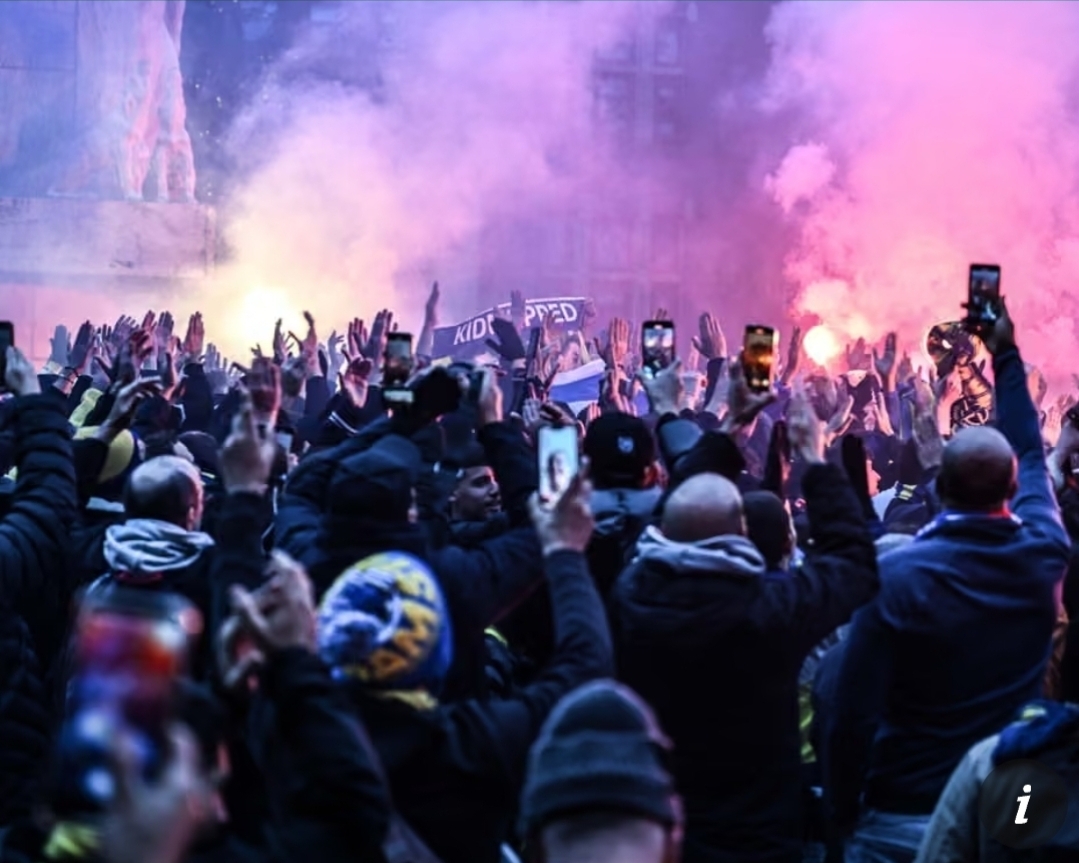
When fans turn toxic, it can shatter even the strongest footballers. In recent years, the escalating hostility some players face from their own supporters has revealed a worrying trend in football culture. While cheering a team to victory has long been the essence of fandom, today’s supporter environment often veers dangerously into negativity, placing an unbearable psychological burden on athletes. This shift from encouragement to condemnation not only threatens player wellbeing but also undermines the spirit of the sport.
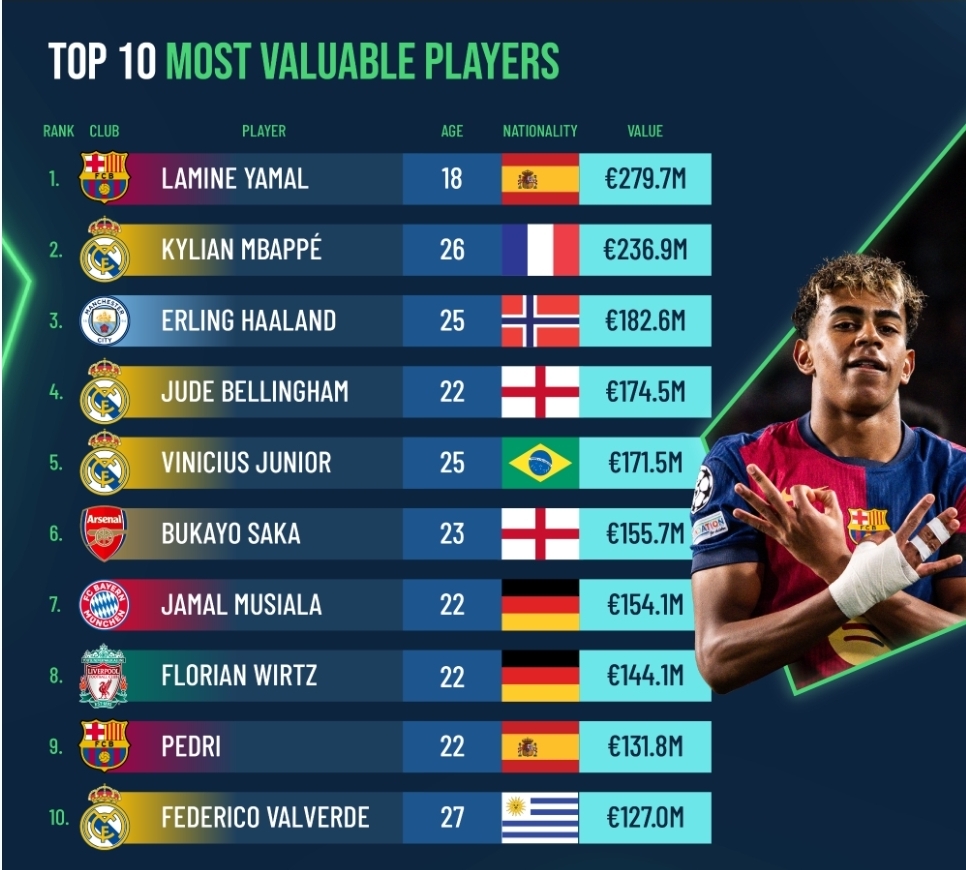
The Rare Case of Supportive Patience: Liverpool’s Approach to Florian Wirtz
It says a lot about Liverpool supporters that they have stood by Florian Wirtz through thick and thin. Despite the inevitable memes, jokes about his goal contributions, and teasing from rival fans branding him “007,” the Anfield crowd has chosen patience over poison. They understand that brilliance in football—especially from younger talents—takes time to mature.
Liverpool’s unwavering support reflects a deep understanding of the game’s realities. Fans have witnessed the rollercoaster of form and confidence and are willing to offer grace rather than quick judgment. This level-headedness is notable, considering how frequently social media piles on young players with relentless criticism. In an era when negative voices dominate online conversations, Liverpool fans have shown that loyalty still exists. However, this patience remains an exception rather than the rule across European football.
Toxicity Spreading: The Manchester United Example
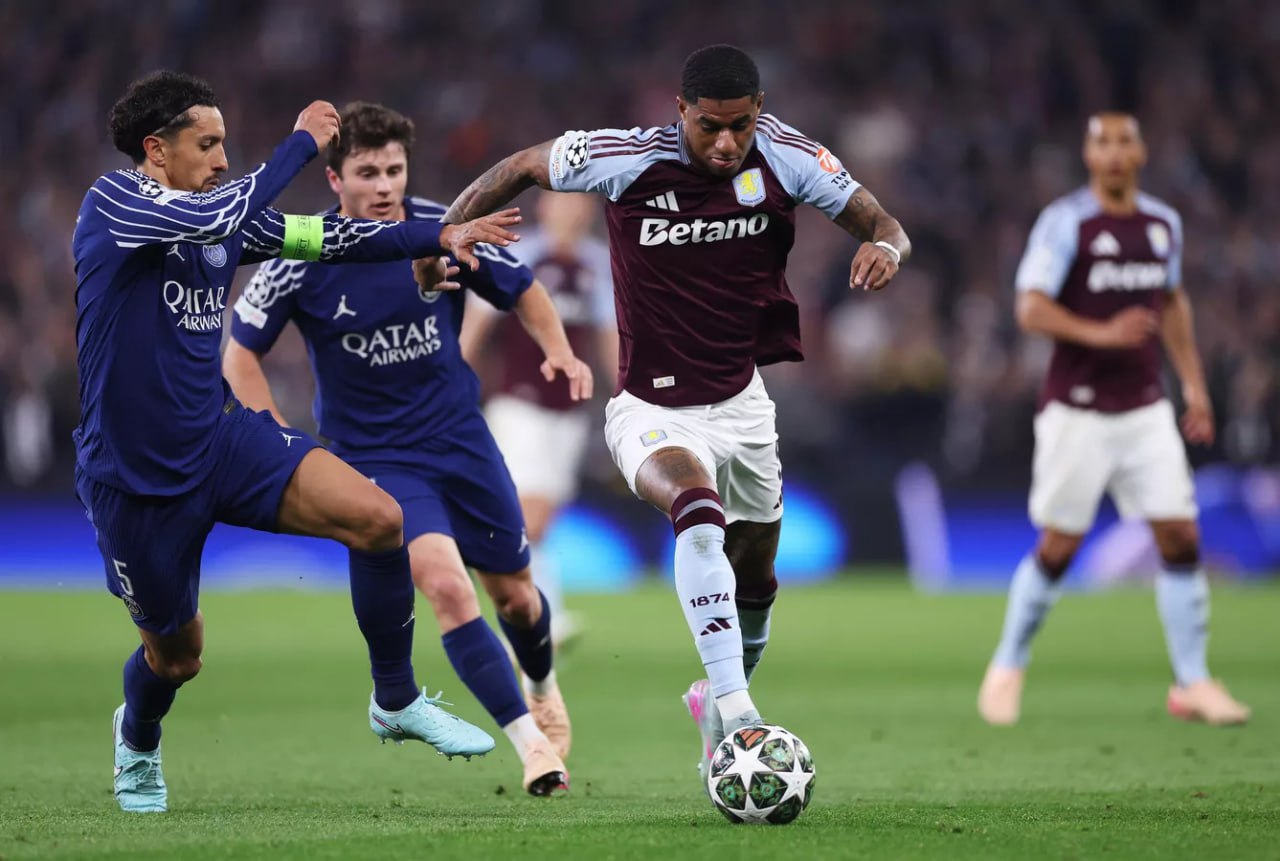
Across the continent, fan culture has shifted dramatically towards toxicity, where the loudest and often cruelest voices drown out genuine support. A poignant example is the case of Manuel Ugarte at Manchester United. Even before he had kicked a ball for the club, many supporters were skeptical about his fit within the team.
Ugarte, a defensive-minded midfielder, replaced Vitinha at PSG. Vitinha is remembered for his creativity and technical finesse and played a central role in PSG’s Champions League success. United fans, aiming higher for their midfield, wanted someone more progressive—perhaps a player like Amadou Onana or even Ben Sheaf, now at Wrexham. When Ugarte failed to meet these inflated expectations and did not immediately replicate the style of legendary midfielders like Michael Carrick, he became the scapegoat for a disastrous season—the worst in Premier League history for United.
Online criticism quickly became personal and relentless. Comments such as “get out of my club” and “stay in Uruguay” proliferated, showing a harsh intolerance for imperfection. Ugarte’s error against West Ham, which led to a goal, marked a turning point as negativity snowballed into outright abuse.
Sadly, despite footballers’ physical toughness, social media hostility leaves mental scars. Ugarte’s own father even blocked large segments of fans to shield himself from the pain this abuse caused. The idea that players can simply “ignore” the negativity is naïve and overlooks the genuine emotional harm inflicted by such toxicity.
Granit Xhaka’s Story: A Stark Reminder of the Fallout
Granit Xhaka’s experience at Arsenal further highlights the damage toxic fan behavior can wreak. During a 2–2 draw with Crystal Palace in October 2019, Arsenal fans jeered their captain so intensely that Xhaka called it “the worst day of my life.” The situation escalated when he gestured toward the crowd in frustration and handed over his captain’s armband before heading down the tunnel, visibly upset.
At that moment, Xhaka felt utterly alienated. He later described how haunting those faces remained in his mind. “The passports were out. I was done with Arsenal. Finished,” he said candidly. The jeers cut so deep that they clouded his entire relationship with the club and its supporters.
Yet, this dark chapter did not spell the end for Xhaka. When Mikel Arteta became Arsenal’s manager, two conversations were all it took to rebuild trust and restore belief. Arteta showed Xhaka he was valued and in the right place, empowering him to transform frustration into leadership. Over the following years, Xhaka became one of Arsenal’s pivotal players, integral to their near-title-winning 2022/23 campaign, chipping in with nine goals and seven assists.
His departure to Bayer Leverkusen in 2023 was bittersweet but underscored a crucial truth: with the right support, players can transcend even the harshest panning from fans.
Why Toxic Support Hurts Football
The examples of Wirtz, Ugarte, and Xhaka paint a vivid picture of the intense pressure footballers endure. Toxic fan behavior often stems from unrealistic expectations, impatience, and a desire to vent frustrations rather than support.
This negativity can cause players to doubt themselves, lose confidence, and even consider premature exits from clubs or the sport entirely. It makes the pitch not just a battleground for competition but a minefield of mental challenges.
Social media amplifies these issues, allowing a small but loud group of critics to dominate discourse. It fosters an environment where every mistake is magnified, and every perceived failing is met with disproportionate hostility.
Moving Forward: Cultivating Constructive Fan Culture
Changing this downward spiral requires a culture shift. Fans must remember that football is as much about joy, passion, and connection as it is about winning. Supporting players, especially young or recovering ones, means acknowledging their humanity and growth rather than demanding perfection from day one.
Clubs, players, and fan groups can play a vital role by promoting positive messaging and challenging toxic behavior. Awareness campaigns, better moderation on social media platforms, and fostering dialogues about mental health in football are essential steps.
Conclusion
In football today, toxic support is breaking players more often than anyone admits. The harm is real, and the consequences ripple far beyond the pitch. Yet, as Liverpool’s support of Florian Wirtz shows, and Arteta’s rehabilitation of Granit Xhaka proves, there is hope in compassion and patience. By putting kindness and understanding back at the heart of fan culture, football can remain the beautiful game for all who love it.## When Fans Turn Toxic: The Hidden Toll on Footballers
Toxic support is breaking footballers in ways we often overlook. The passion of football fans has always been a defining feature of the sport, creating electrifying atmospheres in stadiums and a sense of community beyond the pitch. However, the darker side of fandom—characterized by relentless criticism, hostility, and online abuse—has begun to take a serious toll on players’ mental health and performances. This shift threatens not only individual careers but also the soul of football itself.
The Rare Exception: Liverpool’s Patience with Florian Wirtz
It says a lot about Liverpool supporters that they’ve stood by Florian Wirtz. Despite memes, jibes about goal contributions, and the infamous “007” jokes from rival fans, the Anfield crowd has chosen patience over poison. They understand that even the brightest young talents need time to flourish. This restraint is rare in a football culture increasingly dominated by social media’s unforgiving spotlight, where the quickest reaction is often to pounce.
This compassionate approach stems from experience. Liverpool fans have seen the harsh consequences of toxic support in other contexts and appreciate that talent development is a journey rather than an instant result. By resisting the urge to join in the social media pile-on and instead defending Wirtz, they set an example that other fanbases would do well to follow.
Toxic Support and Manchester United: The Case of Manuel Ugarte
Contrast this patience with the situation Manuel Ugarte faced at Manchester United. Before he even donned the famous red shirt, many fans were already skeptical, expecting a more attacking, technically refined midfielder to replace figures like Casemiro or Scott McTominay. The fact that PSG was willing to sell a defensive-minded player like Ugarte gave critics ammunition to undermine him.
When Ugarte initially struggled, the criticism quickly spiraled into hostility. Comments under every club post ranged from “get out of my club” to “stay in Uruguay,” a barrage of negativity that no player can simply brush off. An error against West Ham, which led to a conceded goal, became the tipping point for many. Even Ugarte’s family felt the impact, with his father needing to block fans online because of the abuse.
This relentless hostility is emblematic of a wider problem: fans focusing on what players “aren’t” rather than appreciating what they can become. Such toxic environments make it difficult for players to recover and grow, increasing pressure and anxiety that inevitably affect their performances.
Granit Xhaka: A Story of Resilience Amidst Toxicity
Granite Xhaka’s experience offers a poignant example of the personal cost of toxic fan support—and the possibility of redemption. In October 2019, during a match against Crystal Palace, Arsenal fans jeered their captain off the pitch. The humiliation was so intense that Xhaka described it as “the worst day of my life.” His frustration boiled over in a public display of emotion, and he contemplated leaving Arsenal altogether.
Xhaka later reflected on the deep psychological scars that day left. “It’s like broken glass,” he said. “You can piece it together, but the cracks will always be there.” Despite this, change came with the arrival of Mikel Arteta, whose belief and support helped Xhaka channel his emotions positively. Arteta’s leadership guided him to become one of Arsenal’s key players in their near title-winning campaign in 2022/23, highlighting the transformative power of empathy and encouragement.
The Reality of Social Media: Why Players Struggle to Ignore the Noise
It is often said that players should “ignore social media,” but this advice misses the reality of modern footballers’ lives. The constant barrage of criticism and abuse online leaves real scars that affect mental health and confidence. The anonymity and reach of social platforms amplify toxic behavior, making it difficult to escape.
Studies increasingly show that mental health challenges in athletes are exacerbated by online abuse. Recovering from mistakes or dips in form becomes a far steeper climb when fans aren’t just disappointed but vicious. These pressures can lead to anxiety, depression, and even early retirement from the sport. Empathy and responsible fan behavior are essential to mitigating these consequences.
Moving Forward: Reclaiming Positive Fan Culture
The examples of Liverpool’s support for Wirtz and the rehabilitative story of Xhaka’s Arsenal career illustrate what football could look like when fans prioritize encouragement over cruelty. Shifting from toxic criticism to constructive support benefits everyone involved—a healthier environment helps players perform better and grow, ultimately enriching the sport.
Clubs and governing bodies have roles to play. Initiatives that promote positive fan engagement, combat online abuse, and provide players with mental health support are vital. Fans themselves must reflect on the power of their words and actions, remembering that behind every jersey is a human being deserving of respect.
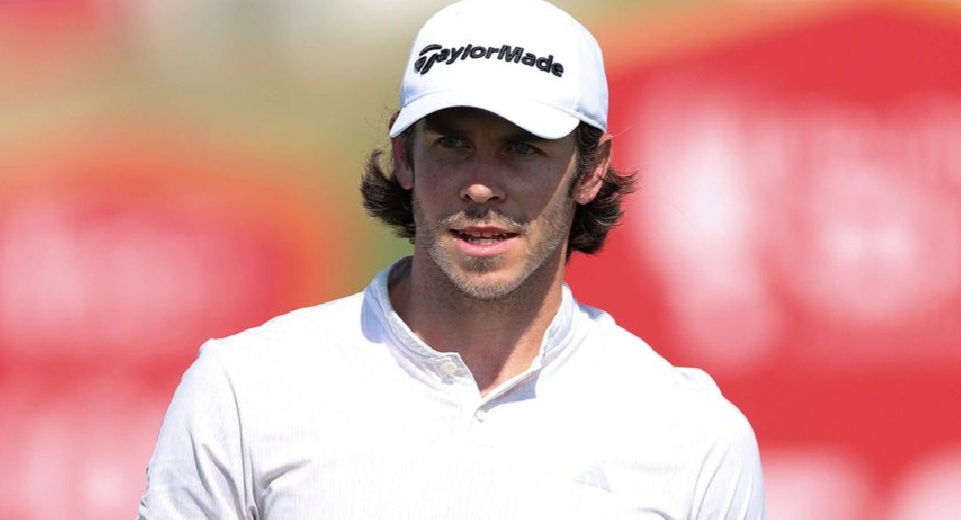
Few players in Real Madrid’s modern history have given so much yet received so little appreciation as Gareth Bale. Signed from Tottenham Hotspur in 2013 for a then world record fee, he delivered some of the club’s most iconic moments, including the solo goal in the Copa del Rey final against Barcelona and that unforgettable overhead kick in the 2018 Champions League final against Liverpool.
On one hand, Bale delivered exactly what Madridistas demand most: decisive moments in big games.
– The solo run vs. Bartra in the Copa del Rey final.
– The Champions League bicycle kick vs. Liverpool.
– The header in the 2014 Champions League final.
Few players in the club’s history have produced such high-stakes, legacy-defining moments.
On the other hand, the culture around Real Madrid is unusually unforgiving.** Performing in big games doesn’t protect you from criticism if fans feel you’re not fully “one of them.”** At times Bale came across—fairly or not—as detached from the Madrid “ecosystem.” He didn’t engage much with Spanish media, didn’t play the public-relations game, didn’t project the obsession with football that Madridistas expect from their stars. When you combine that with injuries, the perception became: he’s not committed enough.
The “Wales. Golf. Madrid.” moment was a perfect storm. For Bale and his Welsh teammates it was an inside joke—a release. For Madrid fans, already primed to believe he valued other things more than the club, it confirmed every narrative they disliked about him. The reaction wasn’t purely rational; it tapped into identity, pride, and the emotional intensity of Madridismo.
And Bale did feel the hostility. Being booed by your own fans—especially in a stadium as intimidating as the Bernabéu—can be psychologically crushing, no matter how elite you are. His quote about 80,000 people whistling him shows that the public silence was not indifference but self-protection.
So my view is:
The disconnect was less about footballing value and more about cultural misalignment and perception. Bale didn’t fit the traditional Real Madrid “superstar mold,” and the fanbase, media, and club environment amplified that mismatch. It’s one of those careers where the sporting legacy (incredible) and the emotional legacy (fractured) are completely at odds.
If anything, time will probably soften the narrative. When people look back purely at what he did on the pitch, not how he interacted off it, his contributions to Madrid’s trophies will stand out far more clearly.
Conclusion
The shift toward toxic support is breaking footballers, both on and off the pitch. While patience and understanding from fans can help nurture talent and build resilience, the prevalence of hostility and negativity risks driving players away and diminishing the game we love. It’s time to look beyond quick judgments and social media pile-ons and reclaim the original spirit of fandom: passionate, supportive, and above all, human.# When Fans Turn: How Toxic Support is Breaking Footballers
Toxic support is emerging as one of the most damaging forces in modern football, affecting player morale, performance