Growing Frustration Among Clubs Over Delayed £185m Solidarity Payments from FIFA
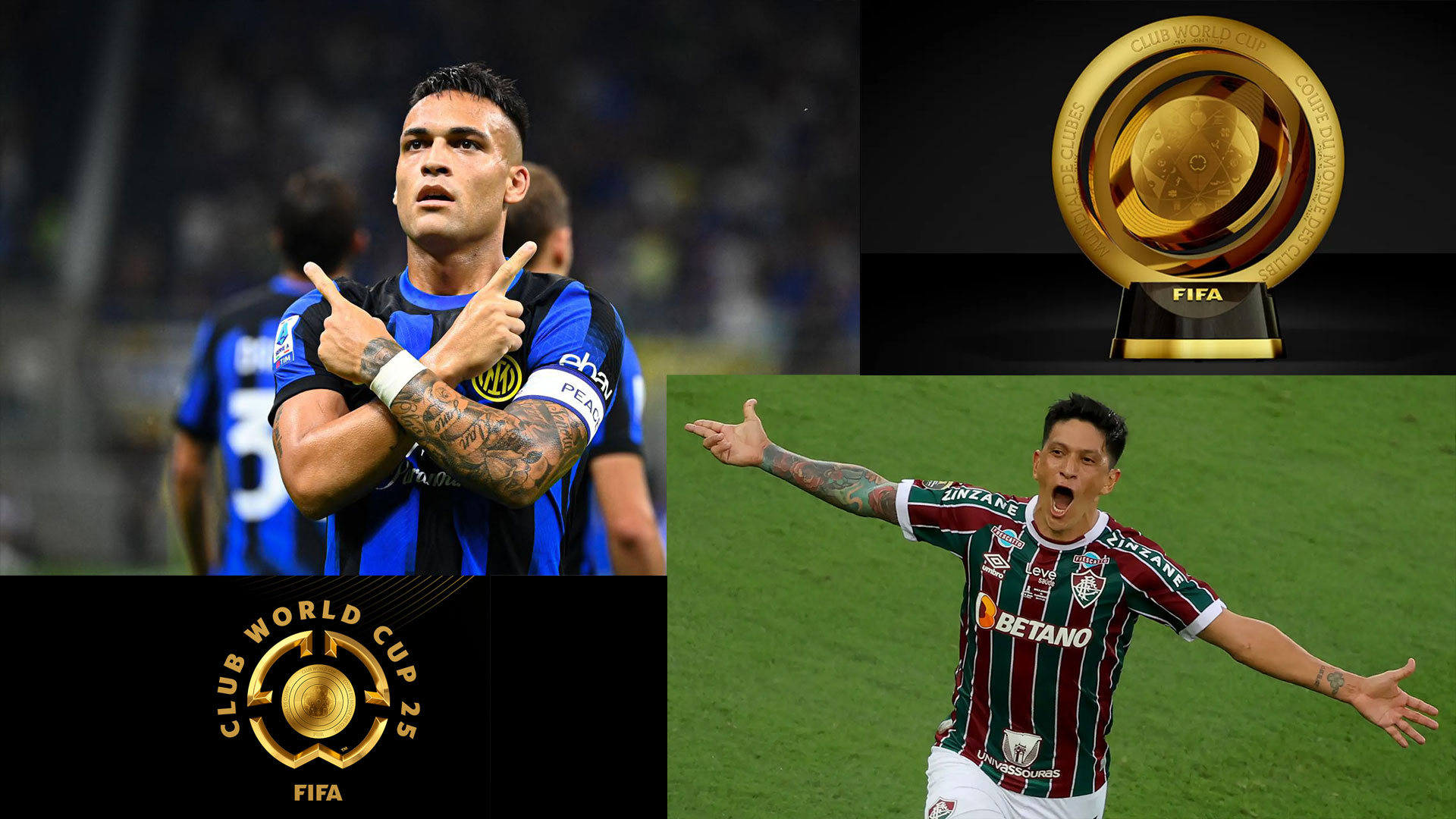
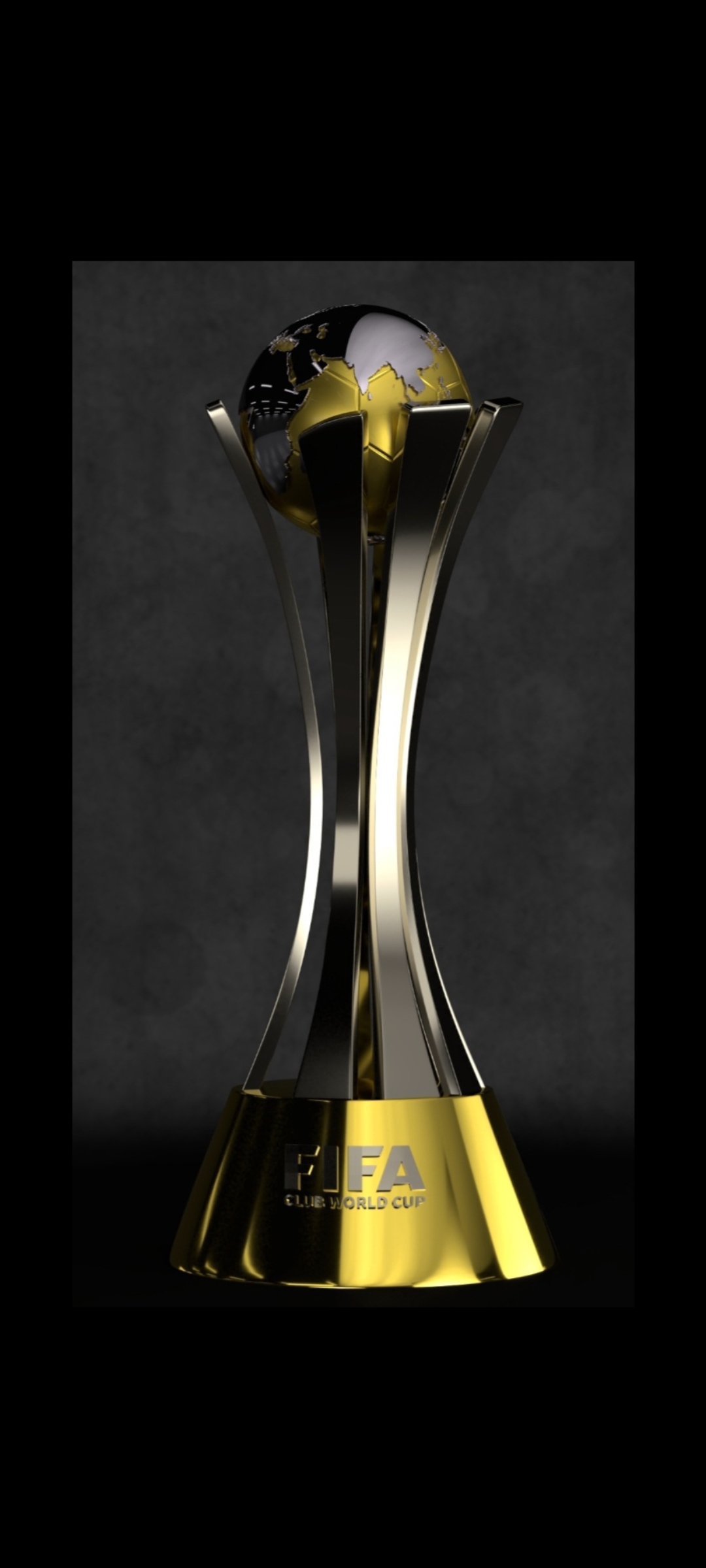
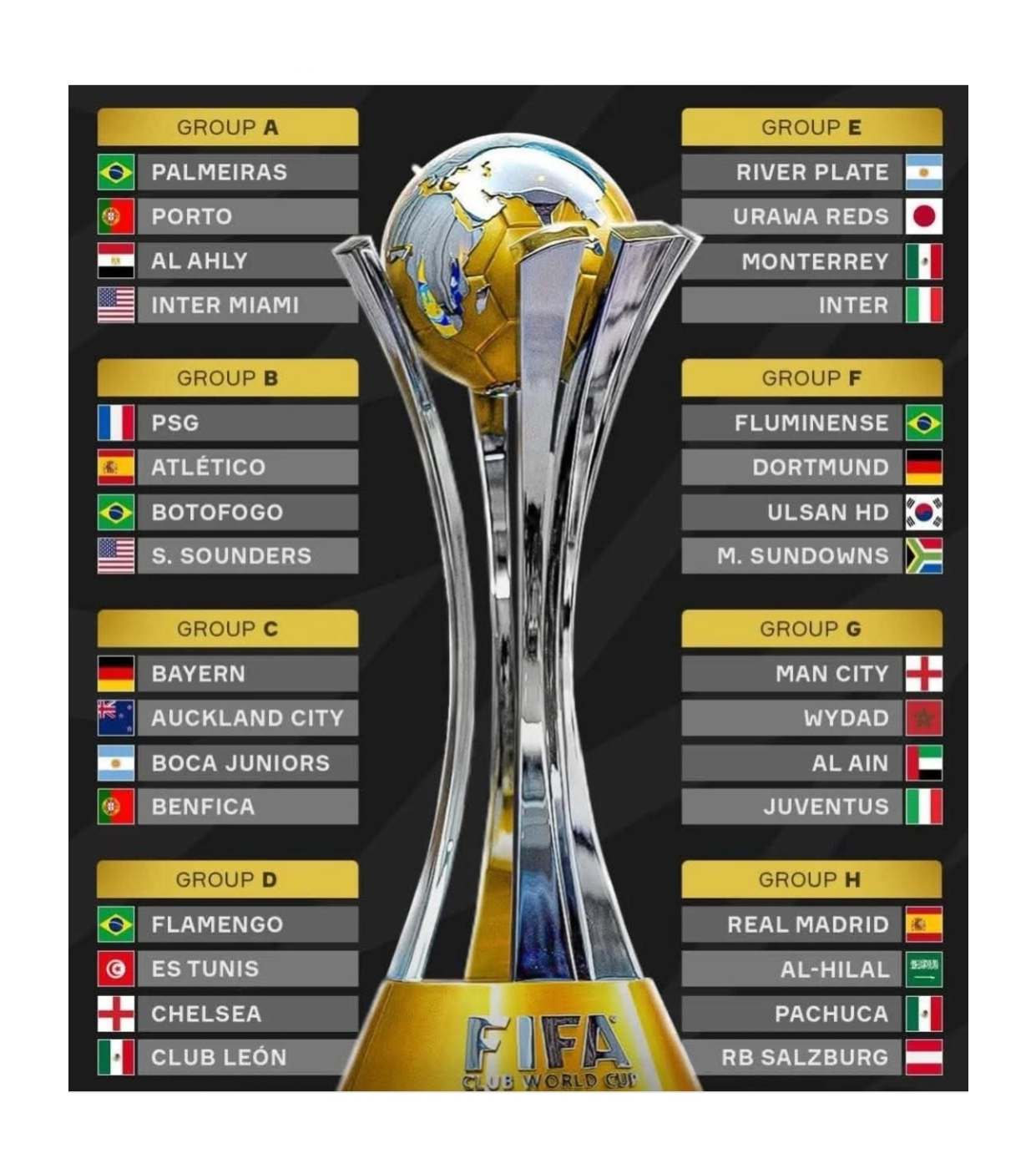
Frustration is growing among clubs globally at the extended wait for £185m of solidarity payments promised by FIFA following last summer’s Club World Cup. This pool of funds, intended to distribute a portion of the tournament’s wealth beyond the elite participants, has yet to reach many football clubs worldwide—especially those outside the prism of global football stardom.
The solidarity payments, totalling £185 million, were designed as a ripple effect to ensure that clubs who did not participate still receive financial support. If the amount were divided equally, it would translate to roughly £50,000 per top-flight club worldwide, a significant boost for many organizations operating under leaner budgets. However, more than seven months after the conclusion of the Club World Cup, there is no clear sign of the funds arriving, nor an announced timescale for distribution.
The Purpose and Promise of FIFA’s Solidarity Payments
The principle behind the payments reflects FIFA’s desire to support the broader football pyramid, beyond the glamour and riches of global tournaments. Given that the Club World Cup generates substantial revenue, a dedicated portion was set aside to be shared with clubs worldwide, especially those in smaller leagues or less financially robust environments.
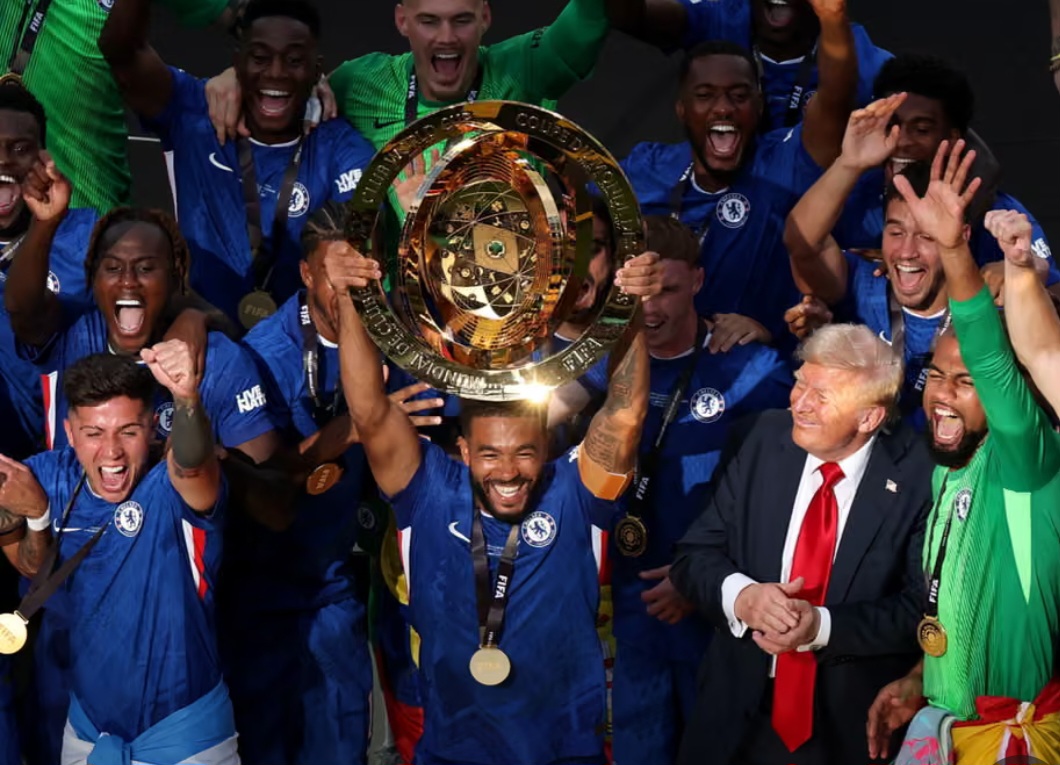
While the £185m is small compared to the £740m allocated as prize money for the tournament’s winners—Chelsea reportedly earned about £84m—the solidarity fund could be a lifeline for many lesser-known clubs. These clubs often operate in leagues where domestic television rights deals are limited, precarious, or sometimes nonexistent, making such payments crucial.
The Hold-Up: No Clear Distribution Formula Yet
The delay primarily stems from FIFA’s ongoing deliberations over how to distribute the £185m fairly. The organization has yet to finalize the allocation method between the six global confederations represented at the Club World Cup. The participation levels of these confederations varied dramatically, complicating the distribution process. Clubs are unlikely to receive identical payments given these disparities.
Moreover, several confederations lack a mechanism to allocate such payments, further complicating matters. UEFA, by contrast, has experience distributing solidarity payments to clubs that fail to qualify for certain stages in European competitions, suggesting they might adopt a familiar approach once the funds’ divisions are settled.
Impatience Among Clubs, Especially in Smaller Leagues
Clubs from smaller leagues, particularly those in Europe and other continents, have expressed mounting impatience. Executives report a lack of clarity despite frequent inquiries. A senior figure from one smaller European league told The Guardian, “There have been no clear answers about when clubs will be paid, which is frustrating given the potential impact this money could have.”
In environments where football clubs often struggle to secure financial stability, a windfall of around £50,000 or more per club could support operational costs, player development, or infrastructure improvements. Thus, the delay risks not just financial strain but also hampering the growth and sustainability of grassroots to mid-tier football clubs.
FIFA’s Ongoing Dialogue and Political Sensitivity
FIFA has been in prolonged discussions with the European Club Association (ECA), representing elite clubs, and the Union of European Clubs (UEC), which advocates for over 140 non-elite European clubs. Despite months of talks, uncertainty remains.
Some insiders acknowledge the political and logistical complexities involved in designing a fair and transparent distribution scheme. Meetings about the issue have reportedly been postponed, deepening frustrations. However, FIFA assures that no payments will be withheld indefinitely and stresses its commitment to equitable distribution among stakeholders.
A FIFA source stated, “We are in regular dialogue with the confederations and clubs. Our goal is for all parties to benefit from what we consider a successful tournament.” Nonetheless, grassroots and smaller league representatives remain skeptical due to a lack of concrete timelines.
What’s Next for Clubs Awaiting Funds?
The current impasse underscores the difficulties in distributing football’s increasing wealth in a manner that benefits the broader ecosystem. When the process finally moves forward, clubs in smaller leagues will hope for swift and transparent payments to ease financial pressures and support their growth.
The UEC highlights the urgent need for communication: “None of our member clubs have received any information on when payments may arrive, which is disheartening.” This silence breeds uncertainty in clubs that are eager to reinvest any new funds into their football programs.
Conclusion
While the winners of the tournament have already enjoyed their sizable prize money, the broader football community—particularly those outside the elite echelons—is left hoping for a resolution that honors FIFA’s promise to share the wealth. Clubs across continents are watching closely, eager to see if the delayed solidarity payments finally arrive to bring tangible benefits to the global football pyramid.Frustration is growing among clubs globally at the prolonged delay in receiving £185m of solidarity payments promised by Fifa following last summer’s Club World Cup. These payments were designed as a significant gesture to spread the wealth generated by the tournament beyond the elite participating teams, ensuring that clubs worldwide—including many outside the limelight—benefit from football’s expanding commercial success. However, more than seven months after the event’s conclusion, the promised windfall remains undelivered, leaving many clubs, especially those from smaller leagues, increasingly anxious and frustrated.