UEFA’s stance on Russia’s football ban amid calls for reinstatement
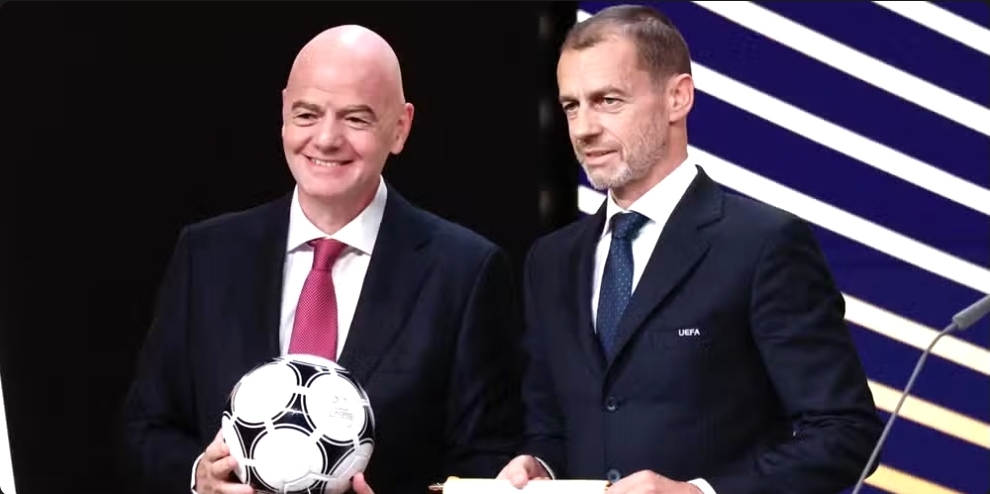
UEFA’s stance on Russia’s football ban remains firm despite recent calls from FIFA president Gianni Infantino to reconsider the suspension. The decision to exclude Russia from all football competitions followed the country’s full-scale invasion of Ukraine in February 2022, a move that led to widespread condemnation and severe restrictions on Russian participation in international sport. Infantino’s suggestion to lift the ban has sparked heated debate, raising questions about the role of sports in geopolitical conflicts and the future of Russian football on the global stage.
Background: Why Russia was banned from football
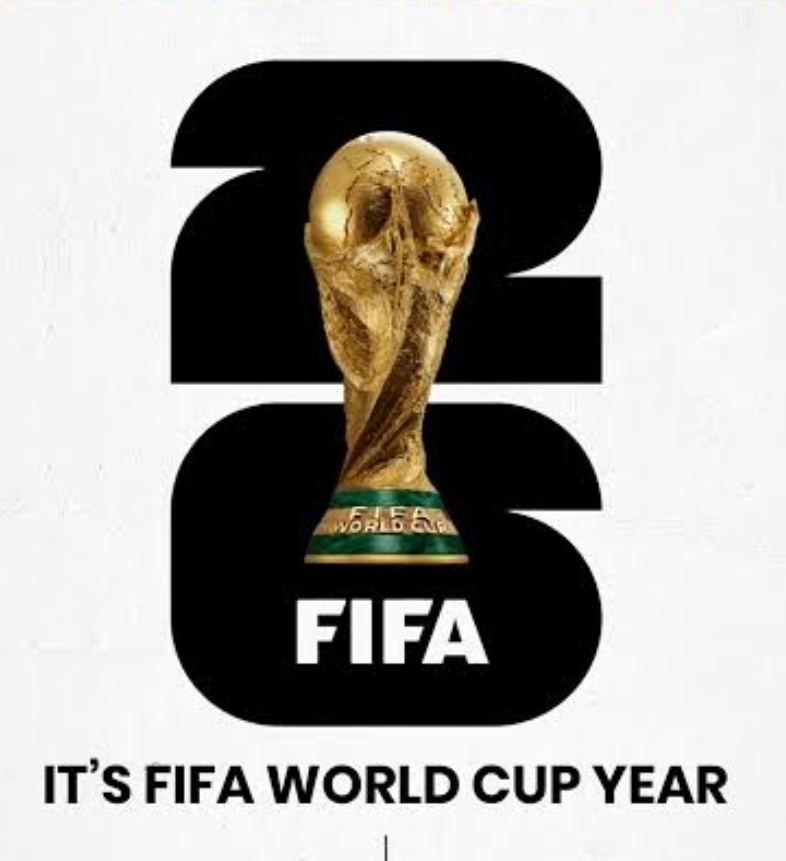
Russia was suspended by FIFA and UEFA shortly after the outbreak of hostilities in Ukraine, with the international governing bodies citing the need to uphold the integrity and ethics of the sport. The ban meant Russia’s immediate exclusion from tournaments such as the 2022 World Cup qualifiers in Qatar, Euro 2024, and the upcoming 2026 World Cup qualifiers in North America. This suspension disrupted Russia’s football calendar and cut it off from competitive international fixtures that are crucial for player development and national representation.
Infantino’s call to reconsider the ban and the backlash
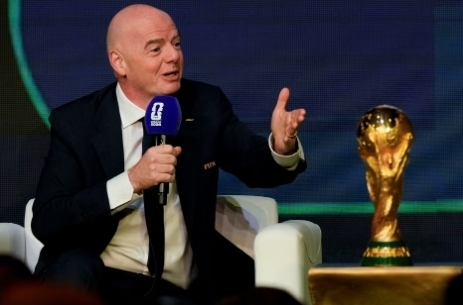
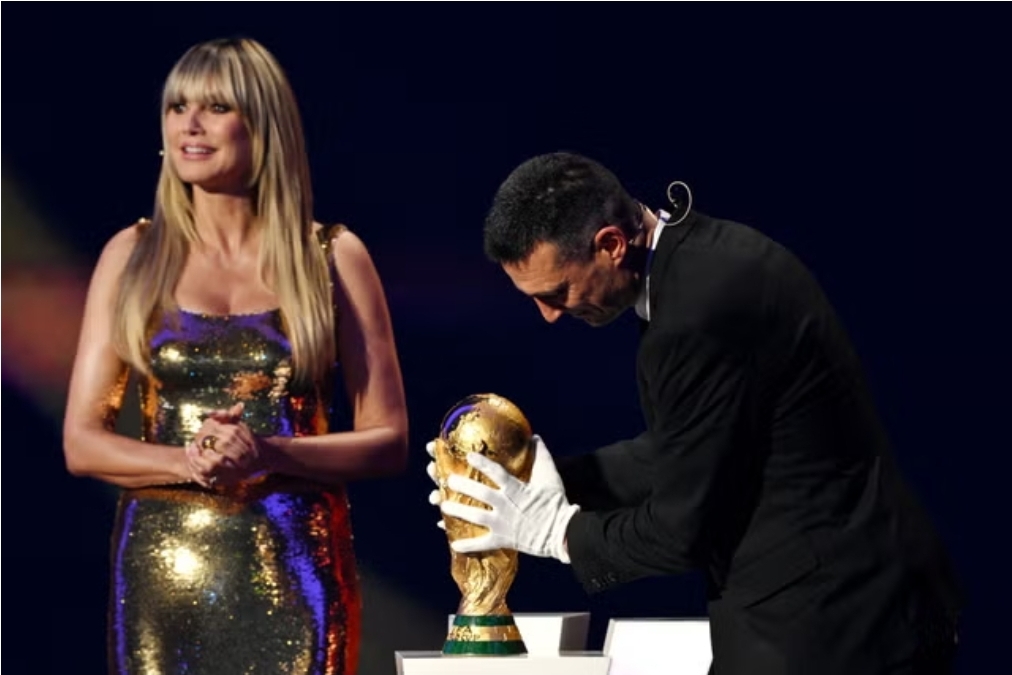
In a surprising turn ahead of the 2024 Summer World Cup finals, FIFA President Gianni Infantino indicated that FIFA will “definitely” consider lifting Russia’s suspension. Infantino argued the ban had failed in its intended effect, stating, “We have to, because this ban has not achieved anything. It has just created more frustration and hatred.” His comments emphasized the potential for football to serve as a bridge rather than a divider, especially in politically fraught situations.
However, these remarks were met with swift criticism, particularly from Ukrainian officials and sports figures. Ukraine’s sports minister, Matvii Bidnyi, condemned Infantino’s stance as “irresponsible” and “infantile.” Bidnyi drew attention to the harsh realities faced by Ukrainian athletes, noting that over 650 Ukrainian athletes and coaches, including more than 100 footballers, have lost their lives to the conflict initiated by Russia. For many Ukrainians, lifting the ban while the conflict persists would undermine the sport’s moral responsibilities and the plight of victims in the war.
Kremlin’s reaction to Infantino’s comments
While the proposal stirred controversy in Ukraine and among its allies, the Kremlin welcomed Infantino’s remarks enthusiastically. Kremlin spokesman Dmitry Peskov stated that it was “high time to think about this,” expressing hope that Russia’s footballing rights could be fully restored. Officials suggested that discussions about Russia’s return to global football competitions at FIFA level would eventually take place, reflecting Moscow’s desire to reintegrate into the international sports community.
UEFA’s decision on Russia’s football ban
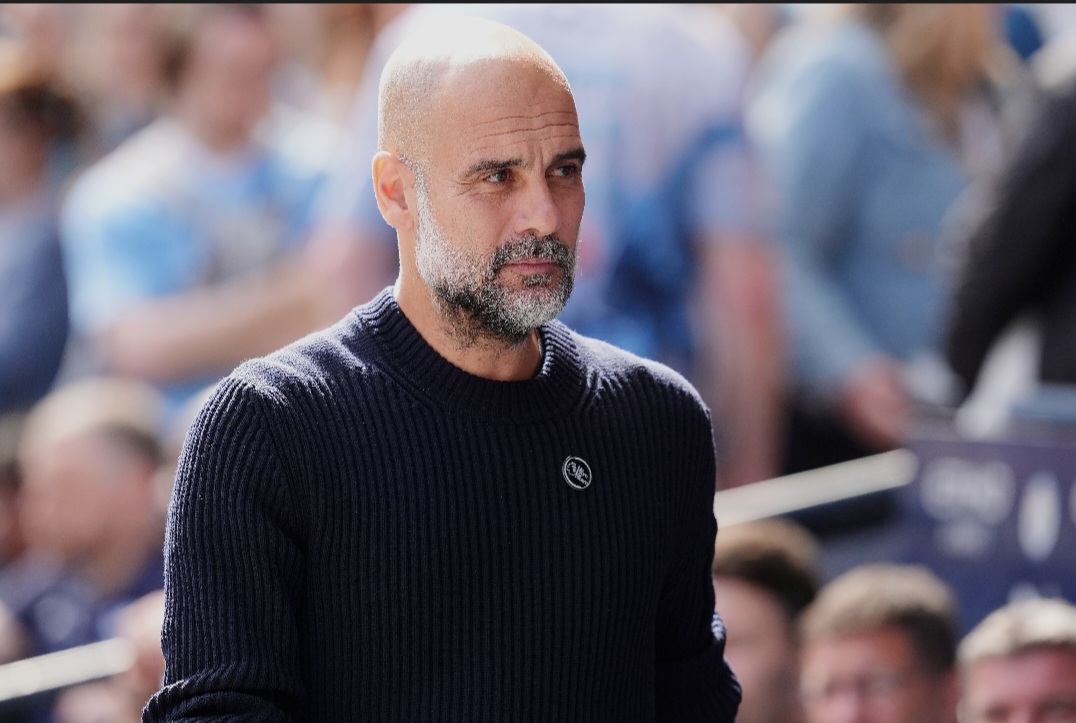
Despite the debate at the FIFA level, UEFA—the governing body for European football—has taken a more cautious stance. During their latest quarterly meeting in Belgium, which included discussions on Russia’s situation, UEFA president Aleksander Ceferin confirmed that European football currently has no plans to reinstate Russia in international tournaments. Ceferin acknowledged the complexity of the situation, recognizing that the conflict’s resolution is a key factor before considering any return.
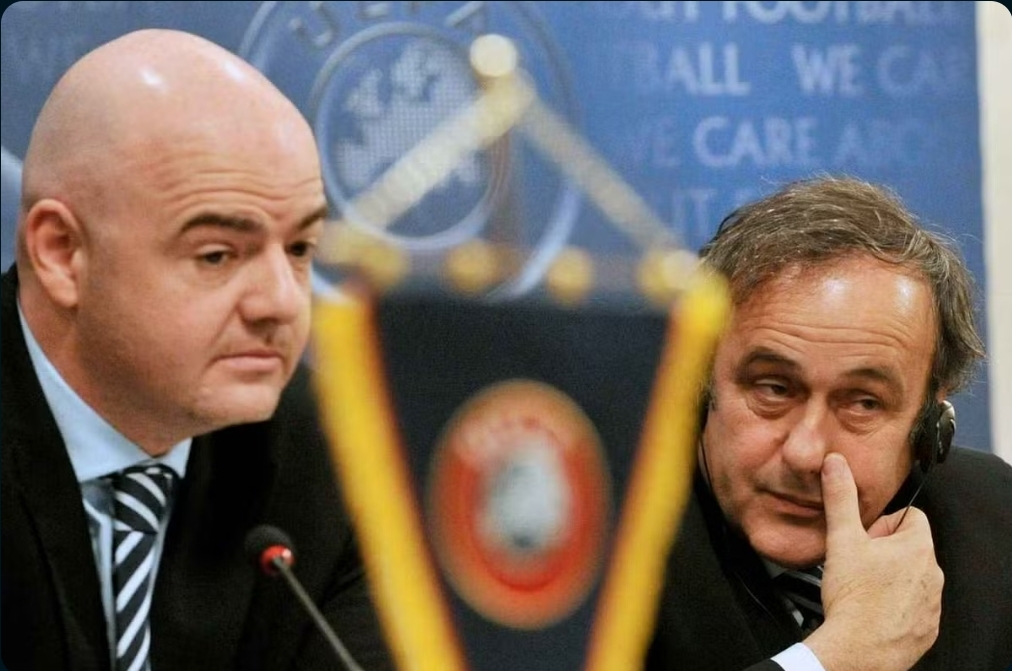
Speaking at the UEFA Congress alongside Infantino, Ceferin appeared diplomatically reserved on the matter, stating: “The world is changing so fast that it is even hard to follow. Let’s see what the future brings.” His comments suggest that while UEFA might remain open to discussions in the long term, practical and ethical considerations weigh heavily against any immediate reintegration.
The impact of the ban on Russian football
The exclusion has had significant repercussions for Russian football domestically and internationally. Players miss out on crucial experience in high-profile competitions, and the Russian Football Union faces increasing isolation from the global football fraternity. The ban also reflects broader sanctions and restrictions placed on Russia across various sectors due to the ongoing conflict, underscoring how deeply politics and sport are intertwined in such crises.
The broader debate: sports, politics, and ethics
This situation fuels an ongoing debate about where sports end and politics begin. On one hand, proponents of lifting the ban argue that sport should transcend political conflict, promoting unity and dialogue. On the other hand, many believe that lifting the ban prematurely could send a message of indifference to aggression and human suffering.
The international football community is thus walking a tightrope: balancing the ethical imperative to take a stand against unlawful aggression with the sporting ideal of inclusivity and peace-building.
Conclusion: An uncertain future for Russia in football
UEFA’s firm position against Russia’s immediate return, despite FIFA’s openness to reconsider the ban, illustrates the complexity of the issue. While dialogue remains open, any change to Russia’s suspension is likely contingent on a resolution to the wider conflict and a shift in geopolitical realities. For now, Russia’s footballers and fans remain sidelined, serving as a potent reminder of how conflict extends far beyond the battlefield, reaching even the world’s most beloved sporting arenas.