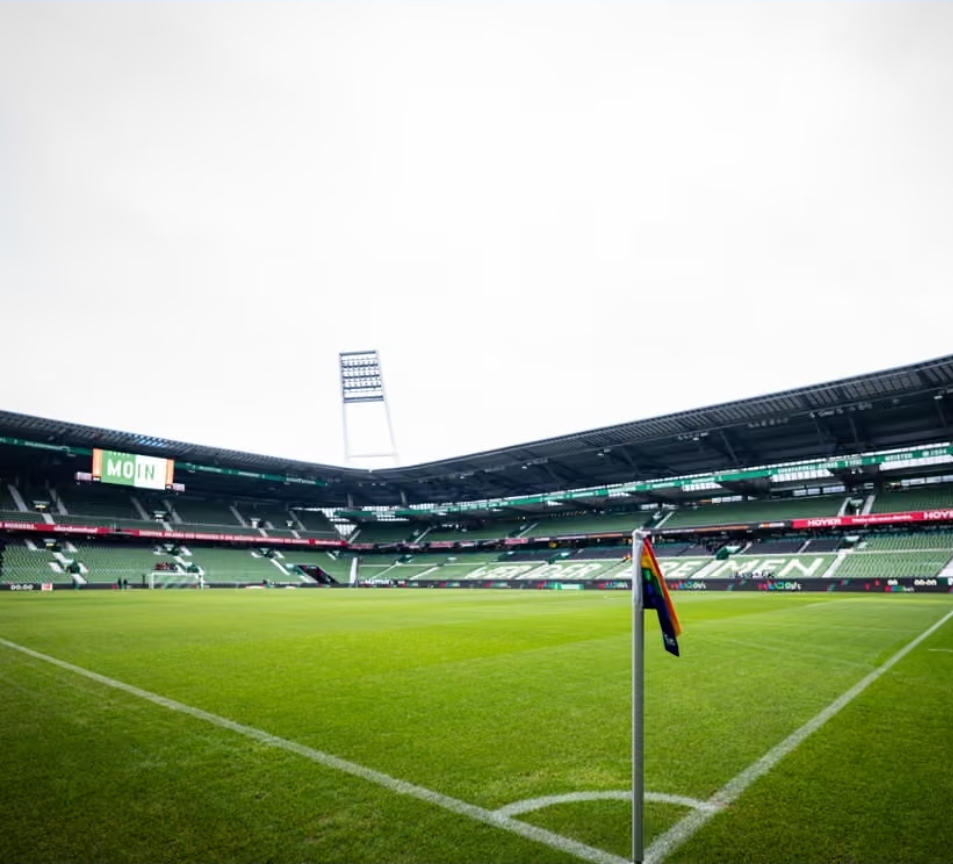
Werder Bremen Cancels U.S. Tour Amid Unrest and Economic Concerns
German soccer club Werder Bremen has canceled their planned trip to the United States, citing concerns over unrest in Minnesota, economic risks, and complications related to stricter U.S. immigration policies. This decision, shared by a club spokesperson on Friday, marks an unusual withdrawal from an international tour that was intended to feature friendly matches in Minnesota and Detroit. The cancellation reflects a complex interplay of political, economic, and sporting challenges faced by the Bundesliga team.
Unrest in Minnesota and Its Impact on Werder Bremen’s Plans
Werder Bremen’s initial itinerary involved visits to Minnesota and Detroit in May, where they were set to play two friendly matches. However, no confirmed opponents had been announced at the time of cancellation. The club’s spokesperson revealed that the escalating unrest in Minnesota played a significant role in the decision. Last month, two U.S. citizens were fatally shot by federal agents from Immigration and Customs Enforcement (ICE), triggering protests and widespread civil tension in the region.
“We cancelled a planned trip to Minnesota due to sporting, economic, and political reasons,” the spokesperson said. “Playing in a city where there is unrest and people have been shot does not fit with our values.” This statement underscores Bremen’s sensitivity to the social environment in which they would have participated in their matches, emphasizing the club’s commitment to a safe and respectful sporting context.
Challenges with U.S. Immigration Policies
Another critical factor influencing the cancellation was the uncertainty regarding player entry into the United States. The club cited “stricter entry requirements” that could have impacted player availability for the trip. Changing immigration regulations, especially in response to increased security concerns, often pose logistical hurdles for international sports teams. For a Bundesliga side needing to field its best players, such unpredictability presented a risk too great to overlook.
This issue compounds the club’s concerns over political unrest, illustrating how immigration policies can indirectly affect sports scheduling and international athletic relations.
Economic Risks and Sporting Struggles
Economically, the trip carried significant risks for Werder Bremen. With the complexities of organizing international tours—venue bookings, travel expenses, and sponsorship—political instability added an extra layer of financial uncertainty. The club did not wish to expose itself to potentially adverse economic outcomes at a time when they already faced sporting difficulties at home.
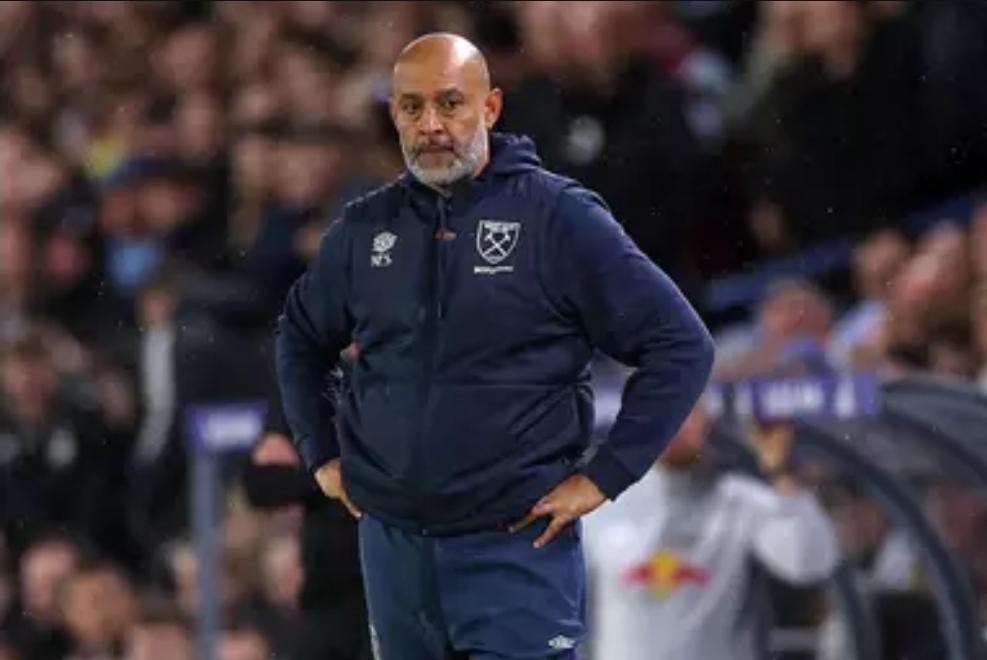
Beyond political and economic considerations, Werder Bremen’s current Bundesliga performance was a decisive element in the cancellation. Struggling in 16th place—the relegation playoff position—the team has not won in their last 12 league matches. The spokesperson emphasized the challenging sporting situation Bremen faces, stating that it made planning such an overseas trip difficult.
This precarious position in the league means the club must focus on retaining its top-flight status in Germany, possibly making international friendly matches a lower priority. The immediate pressure to improve domestic results has likely shifted the club’s resources and attention away from international promotional efforts.
The Bundesliga Context and Bremen’s Immediate Future
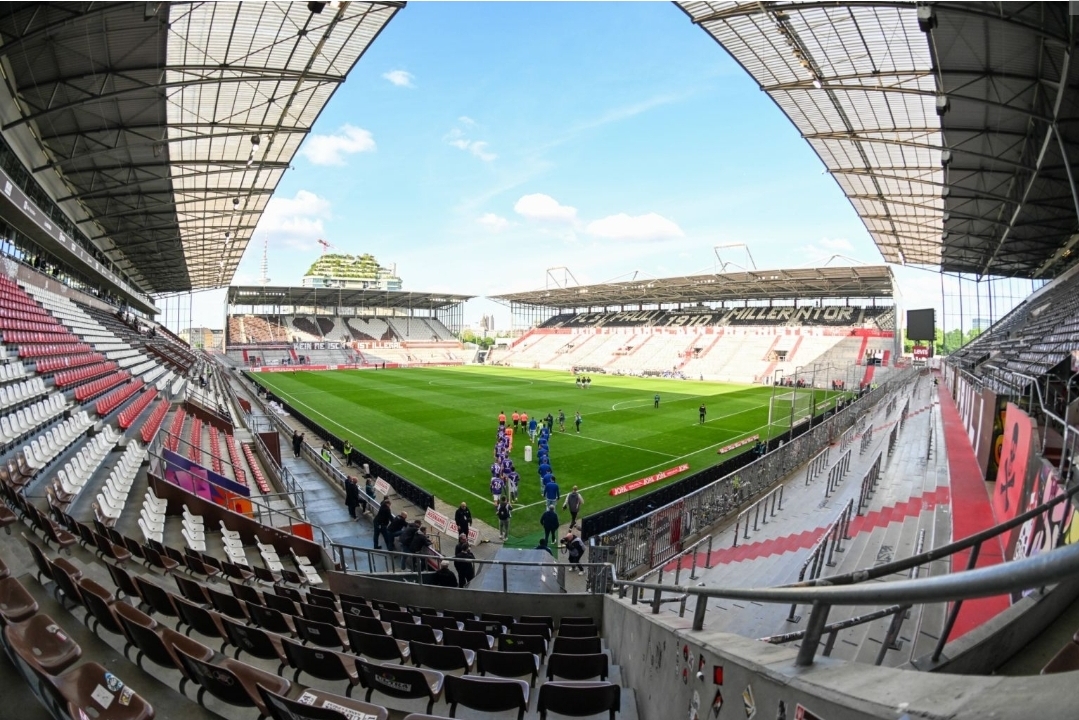
Werder Bremen’s standing in the Bundesliga adds urgency to their current predicament. With 19 points from 22 games, they sit just above second-from-bottom St Pauli, who have 17 points. Sunday’s upcoming match against St Pauli represents a crucial moment in their relegation battle. For a club facing such pressure, devoting attention and energy to a foreign tour could detract from the efforts required to earn vital league points.
The Bundesliga remains one of Europe’s most competitive leagues, and relegation would not only be a sporting setback but could also have severe financial repercussions for Werder Bremen. These stakes no doubt contributed to the club’s decision to cancel the U.S. trip and concentrate on their survival campaign.
Conclusion
Werder Bremen’s cancellation of their planned U.S. tour highlights how external political issues and internal sporting pressures can converge to affect football club decisions. Concerns over civil unrest following ICE’s controversial actions in Minnesota, combined with complicated immigration policies and economic risks, presented significant barriers to the trip. Coupled with the team’s need to prioritize Bundesliga survival, the cancellation was a prudent move in line with the club’s values and immediate challenges.
As Werder Bremen focuses on improving their league position, this episode serves as a reminder of how sports do not exist in isolation but are deeply affected by broader social and political dynamics. The club’s stance demonstrates a thoughtful balance between ambition, responsibility, and pragmatism during turbulent times.