Arsenal Earned £1.7 Million for Winning the Inaugural FIFA Women’s Champions Cup
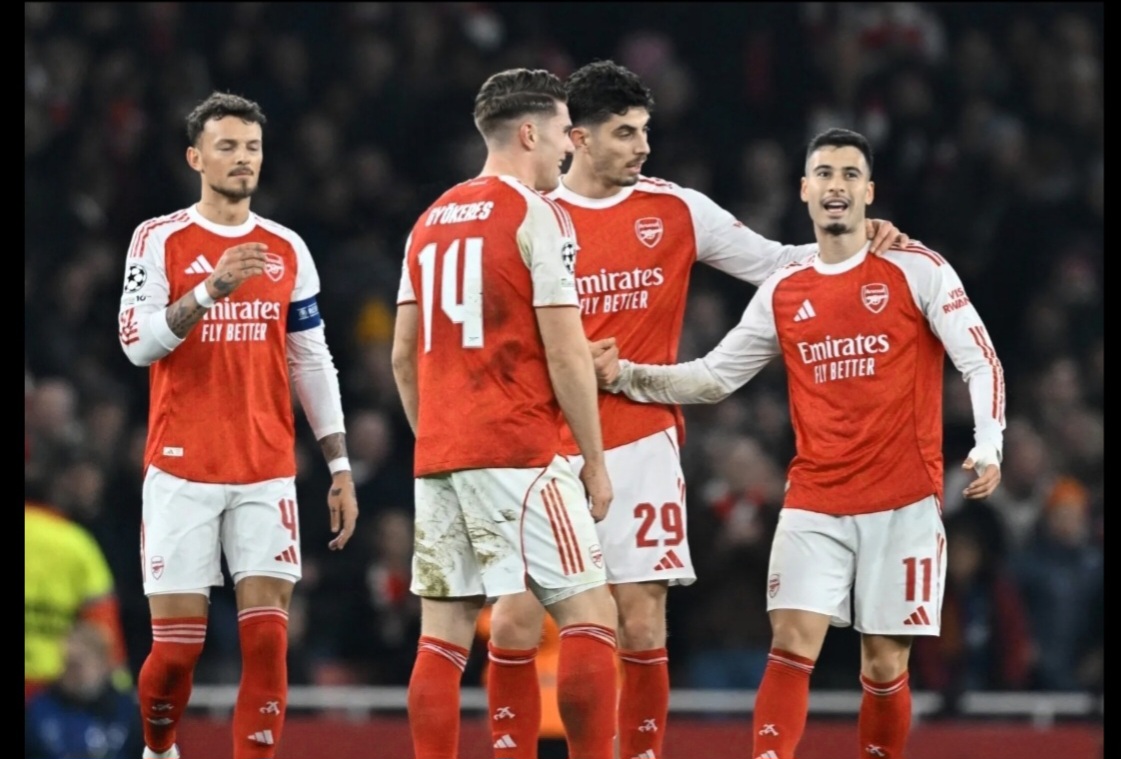
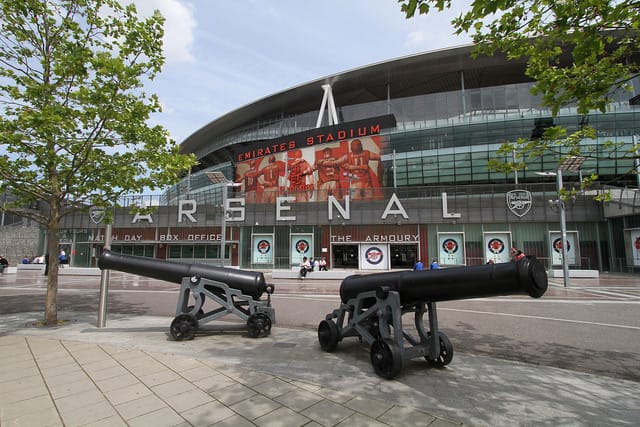
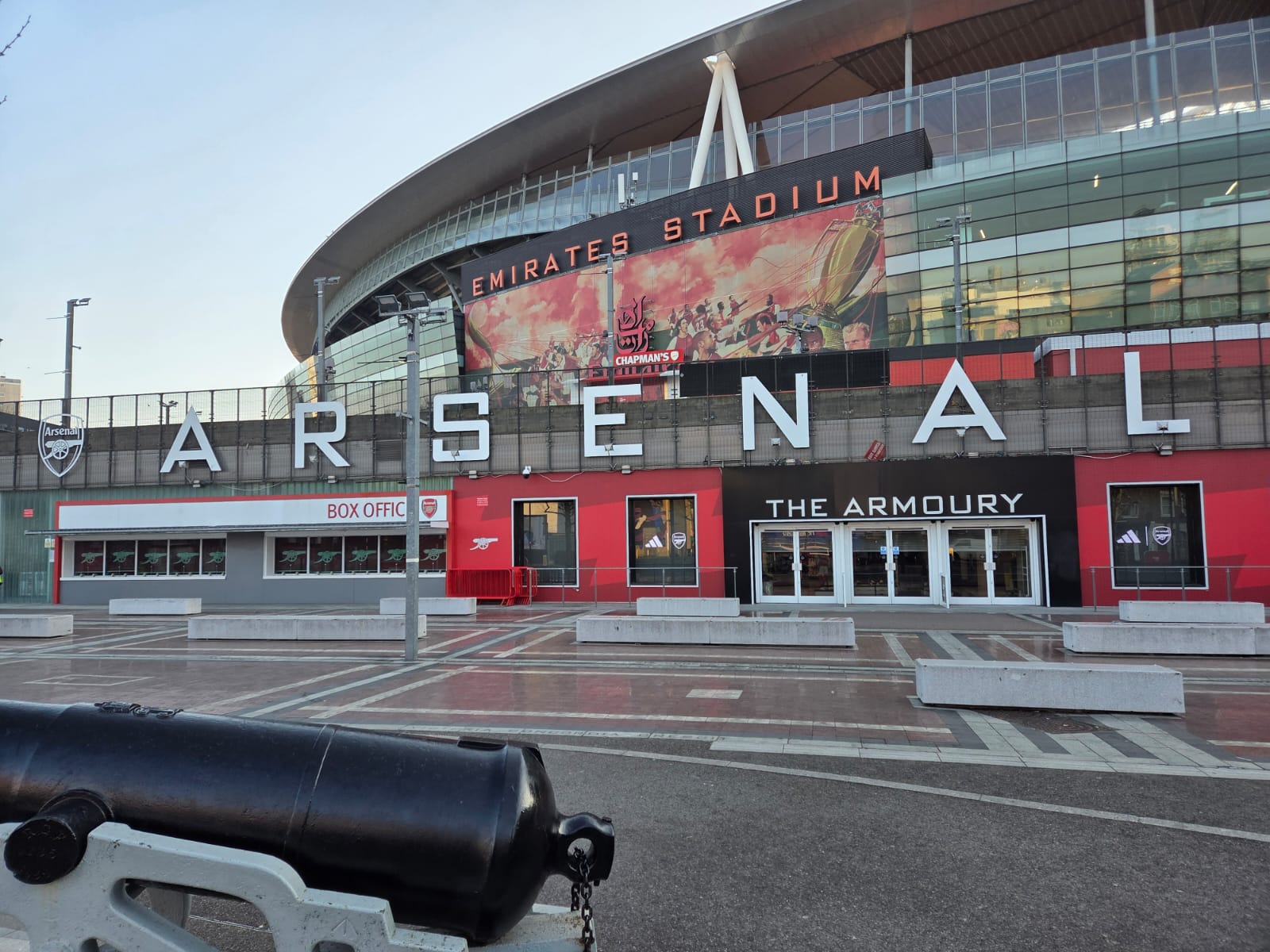
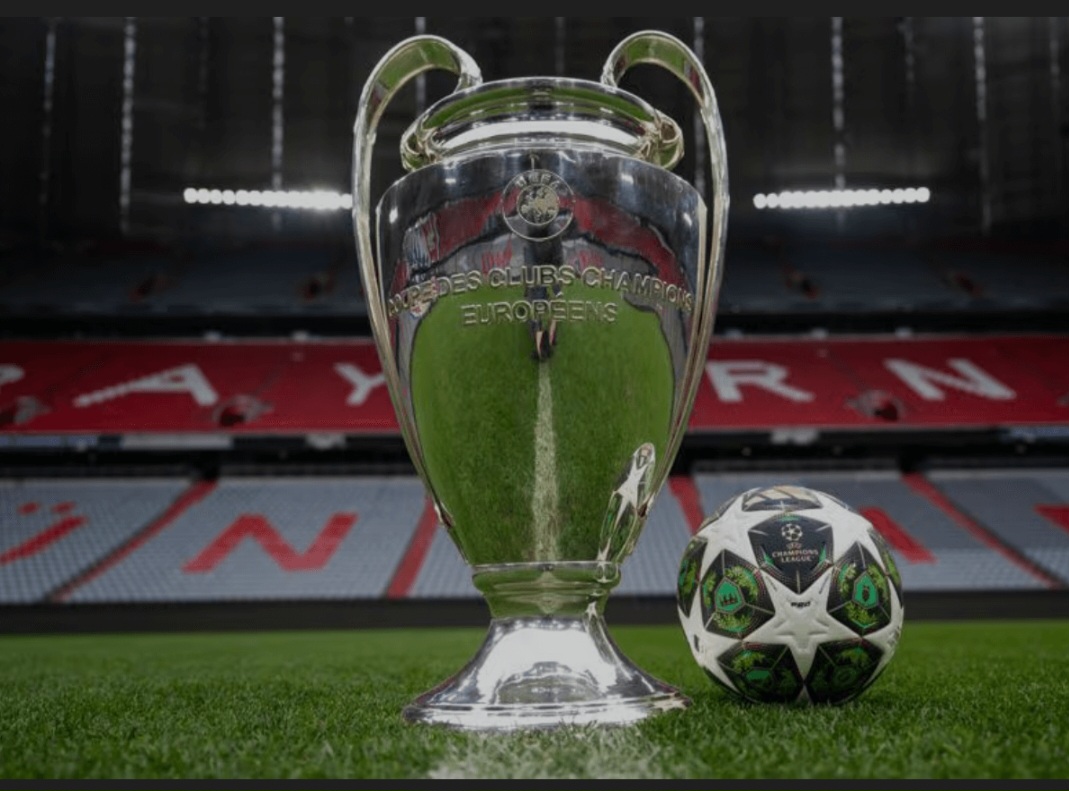
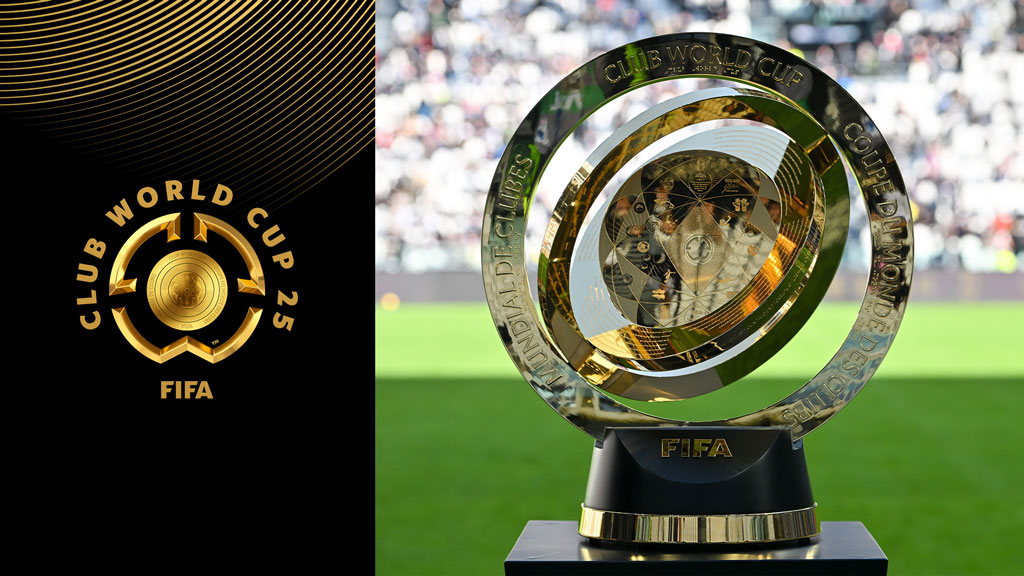
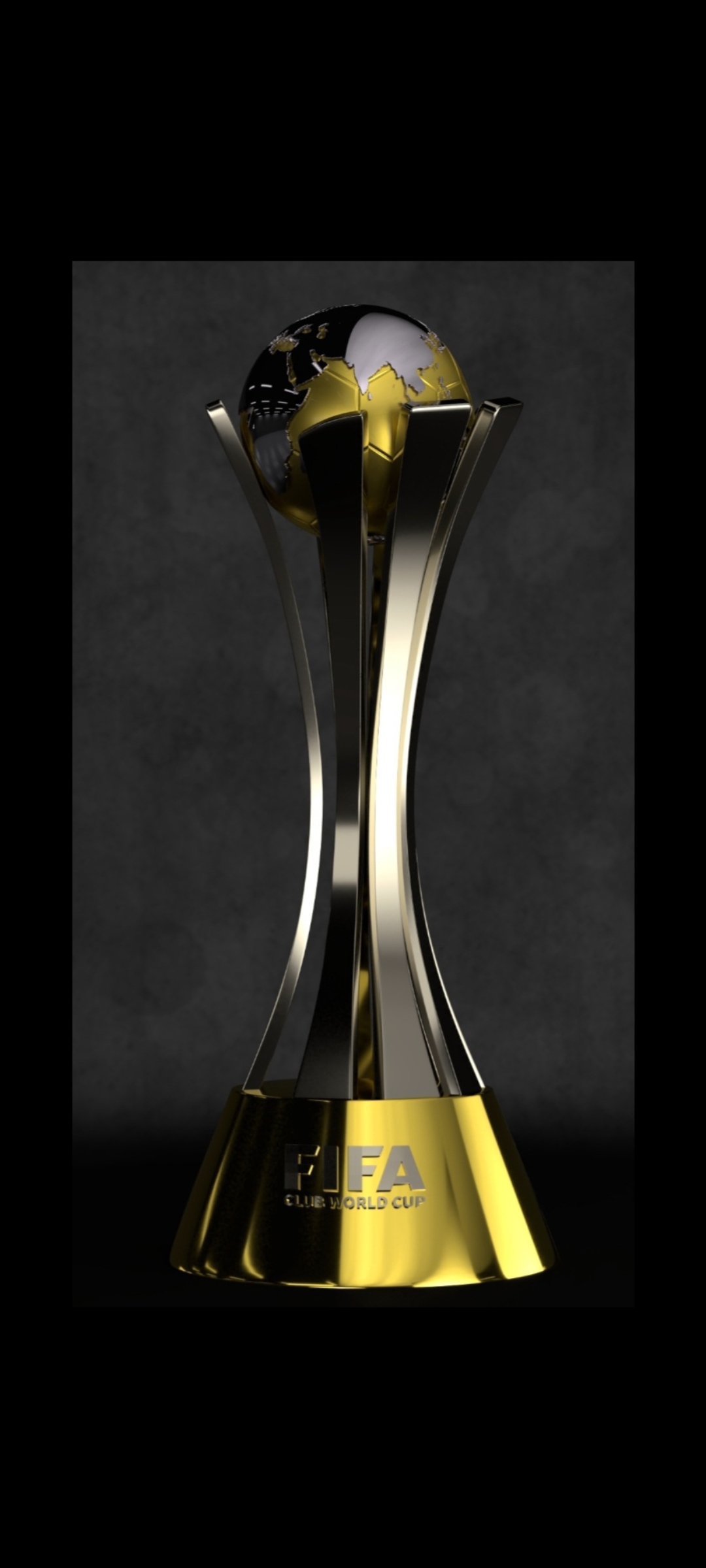
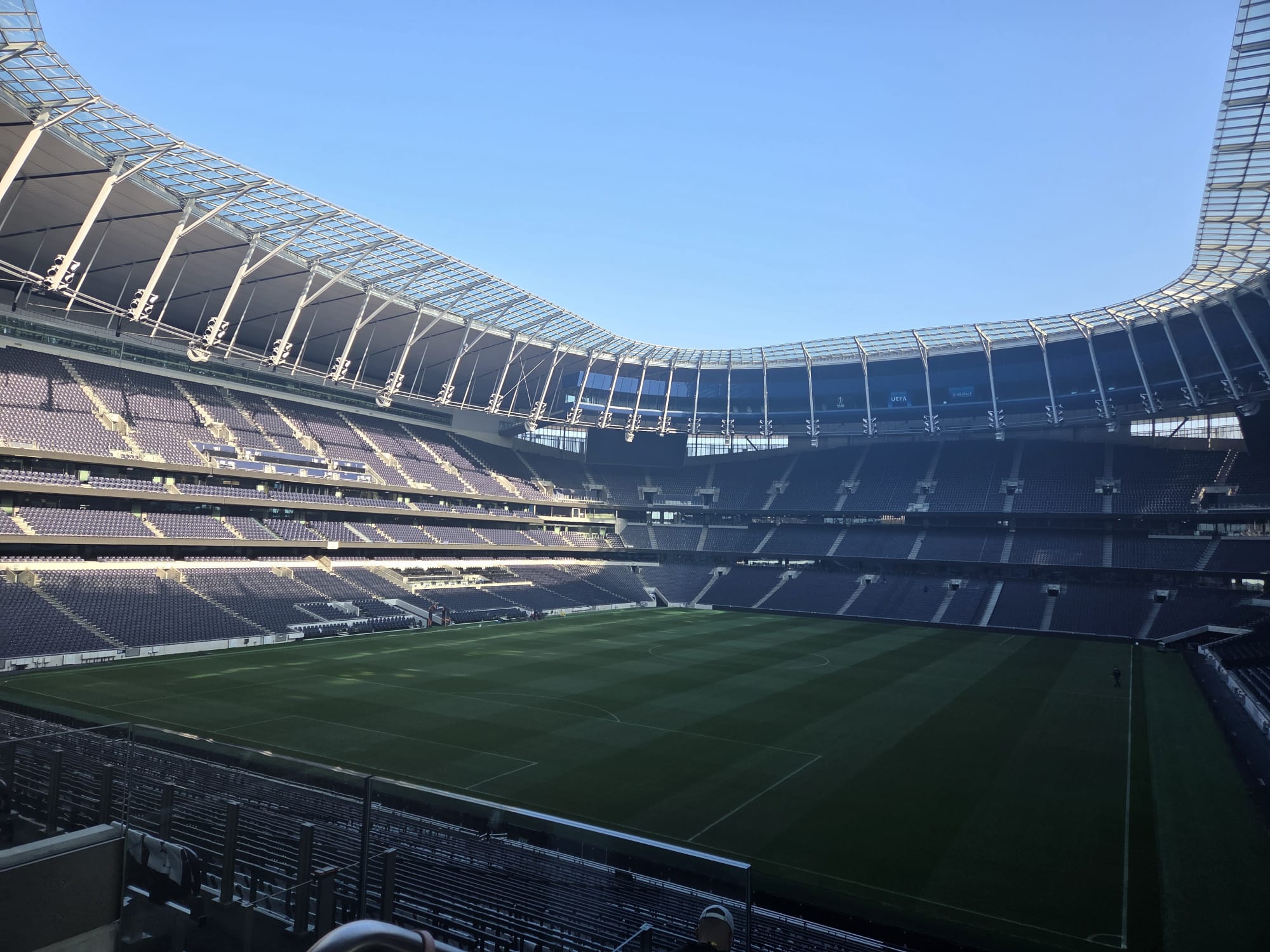
Arsenal earned £1.7 million for their stunning victory in the inaugural FIFA Women’s Champions Cup, marking a historic moment in women’s club football. This significant financial prize—the largest ever awarded in the sport—highlights the growing recognition and investment in women’s football worldwide. The trophy was claimed after a thrilling 3-2 win over Brazil’s Corinthians in extra time at the Emirates Stadium, witnessed by more than 25,000 passionate fans.
A Groundbreaking Prize in Women’s Club Football
The £1.7 million payout from the FIFA Women’s Champions Cup dwarfs previous rewards for women’s club success. To put the figure in perspective, it is nearly four times the prize money awarded for winning last season’s UEFA Women’s Champions League, which was around 500,000 euros (approximately £430,000). The $2.3 million equivalent payout not only reflects the expanding commercial appeal of women’s football but also serves as an important milestone in closing the financial gap between men’s and women’s sports.
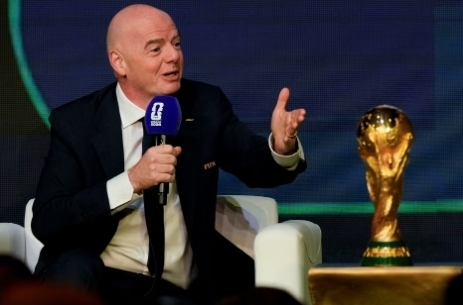
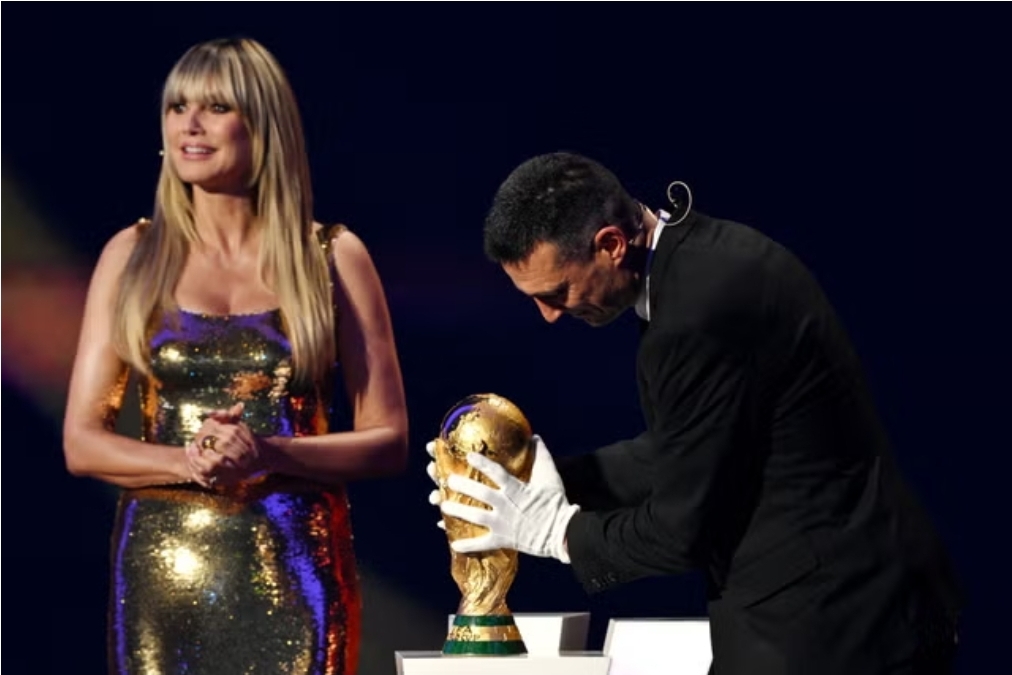
FIFA’s introduction of this new competition is a bold step, as it brought together champions from six different continents. Such a global platform for women’s clubs elevates the visibility of the sport and rewards excellence on a larger scale than ever before.
The Road to Victory: Arsenal vs. Corinthians
Arsenal entered the final as favorites given their pedigree and home advantage in North London. However, Corinthians proved to be formidable opponents, making the match an intense and dramatic battle. The early moments of the game saw Olivia Smith give Arsenal an early lead with a composed finish, igniting the Emirates crowd.
Corinthians’ resilience soon showed as Gabi Zanotti leveled the score, demonstrating that the Brazilian side was not to be underestimated. Arsenal regained the advantage thanks to Lotte Wubben-Moy’s timely goal, only for the game’s momentum to shift once again in injury time. Vic Albuquerque scored a controversial penalty after a VAR review determined Gisela Robledo was fouled inside the box—a decision that sparked debate among fans and pundits alike, particularly as Katie McCabe appeared to get the ball cleanly and the Corinthians forward seemed to have exaggerated the contact.
The Decisive Moment in Extra Time
With the score tied at 2-2 after 90 minutes, the final moved into extra time, where endurance and strategy became paramount. The decisive moment came courtesy of Caitlin Foord, who struck a near-post winner that clinched Arsenal’s historic triumph. Her goal not only secured the championship but etched her name into the annals of women’s football history.
This victory was not only a triumph on the pitch but also a symbol of the progress and potential for women’s club football globally. The massive prize money attached to the competition reflects the growing commercial interest and signals new opportunities for female players and clubs to flourish.
What This Means for the Future of Women’s Football
The landmark financial reward of the FIFA Women’s Champions Cup sets a new benchmark for women’s club competitions. For years, professional women’s football has faced challenges related to funding, exposure, and infrastructure. This development will likely catalyze further investment and elevate the stature of female footballers and clubs.
Moreover, bringing together champions from six continents introduces an element of inclusivity and global competition that was previously missing from women’s club football. Such a format encourages cross-continental rivalries, player development, and fan engagement on a worldwide scale—key ingredients for the sport’s long-term growth.
Arsenal’s victory will inspire not only their own squad but also other clubs aiming to compete on this new international stage. Rewarding success with sizable prize money is crucial for maintaining competitive balance and encouraging clubs to invest in their women’s teams, from grassroots development to elite training facilities.