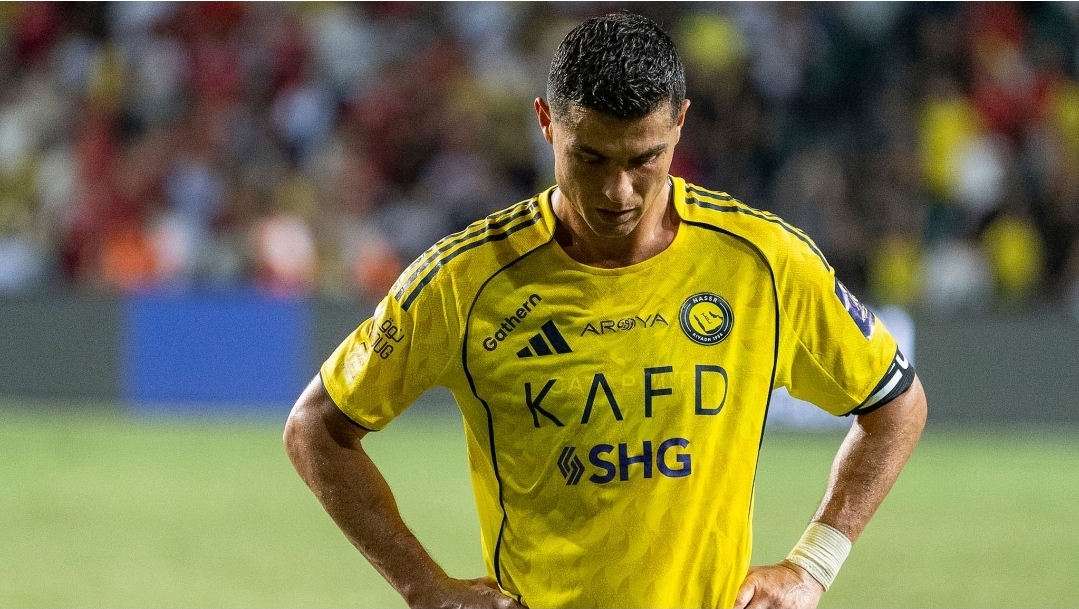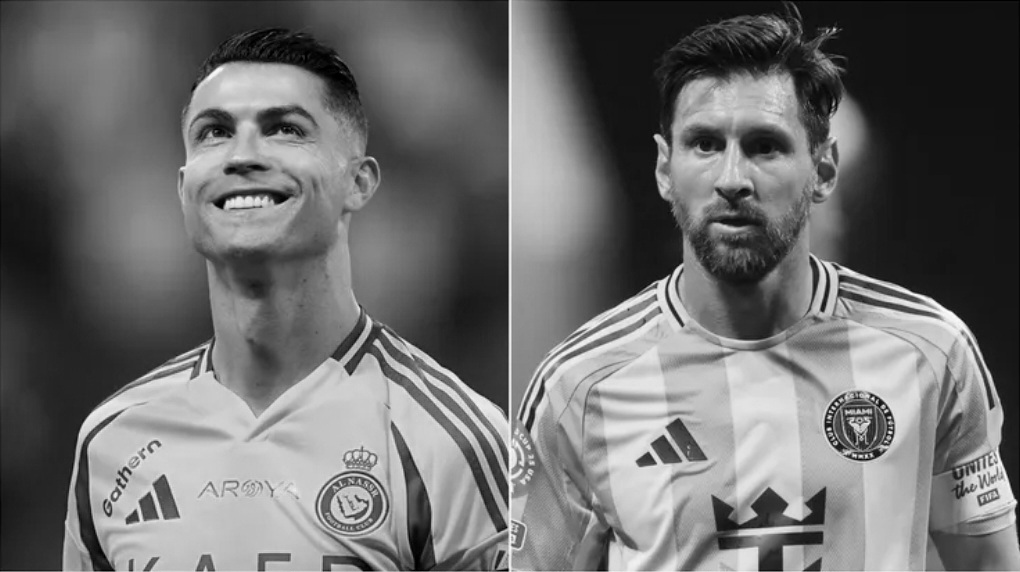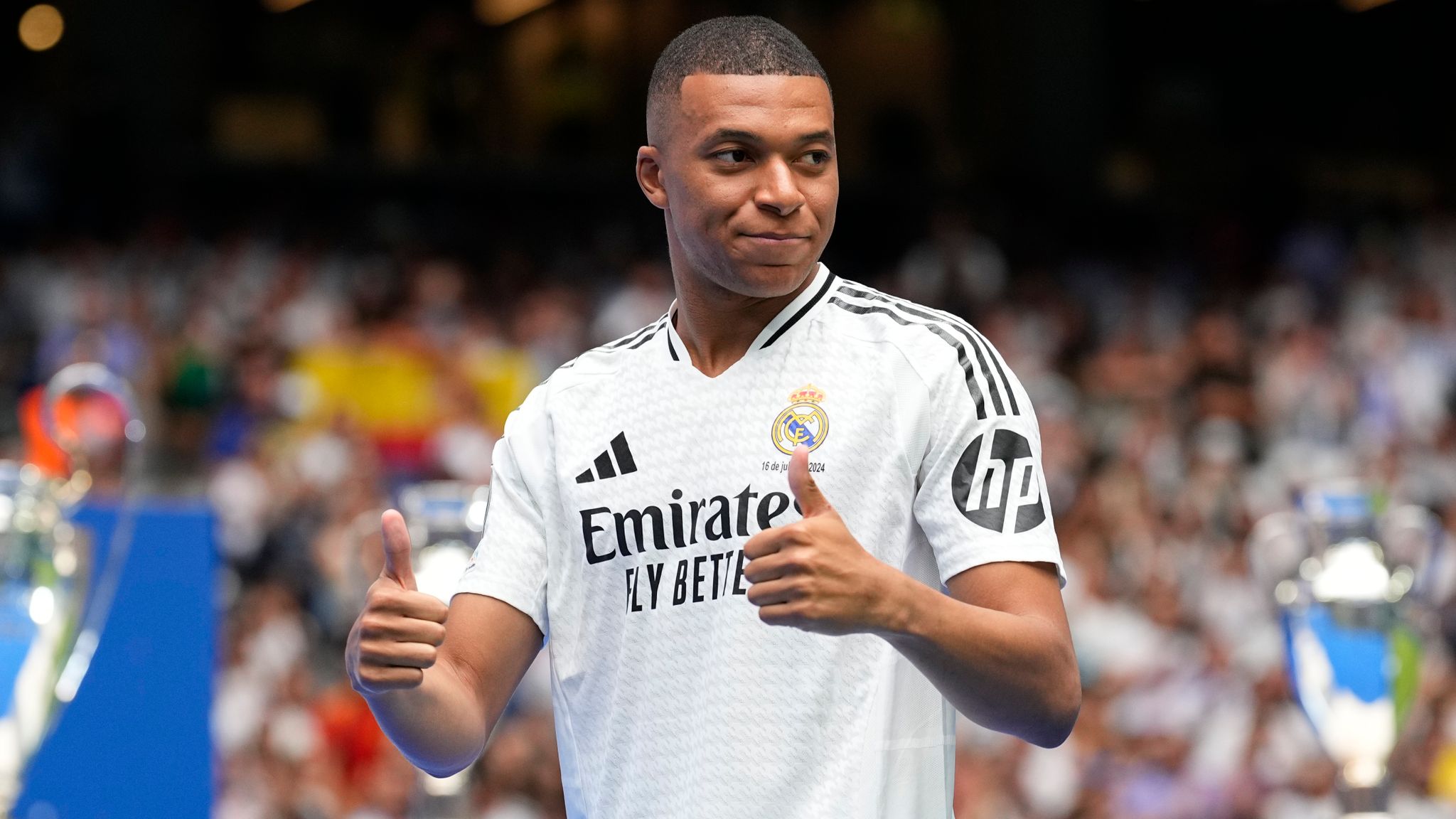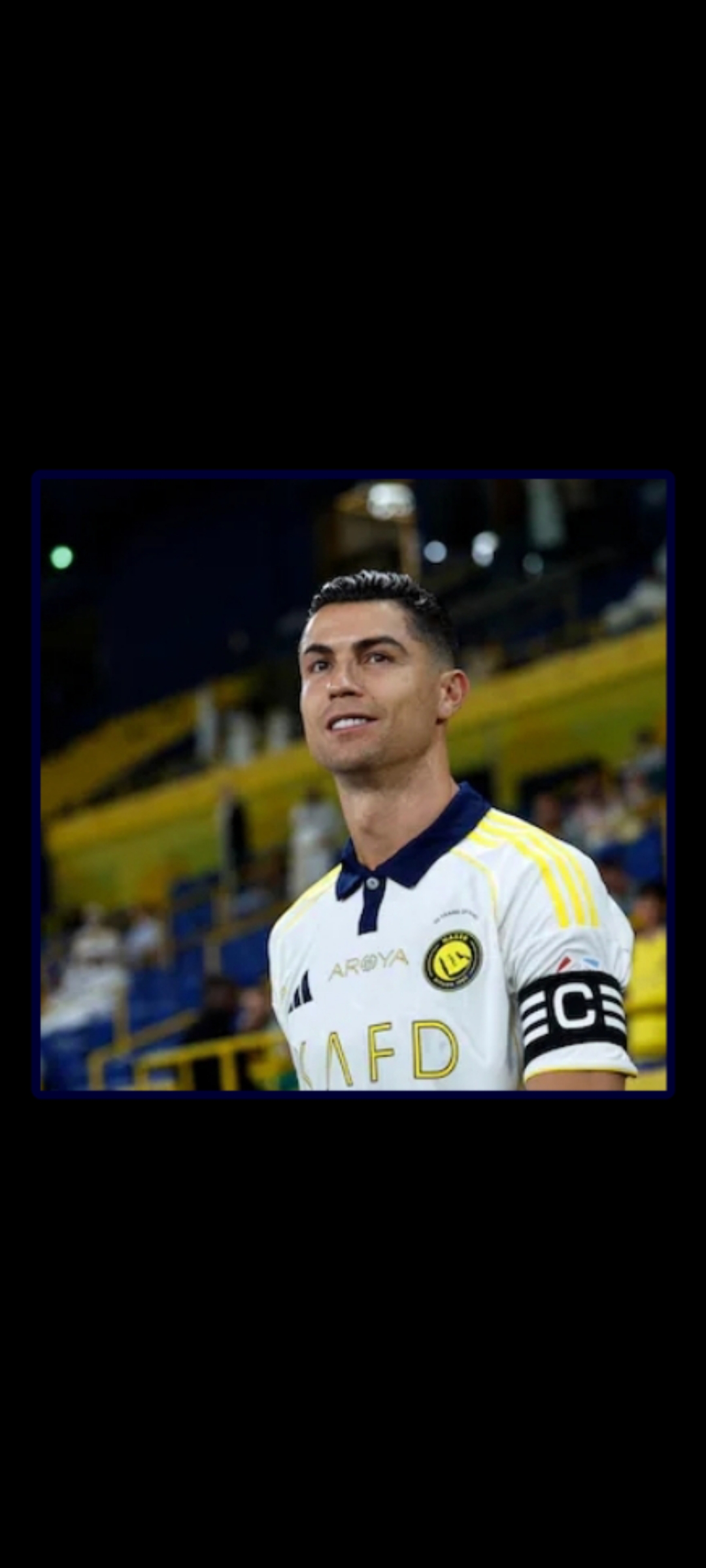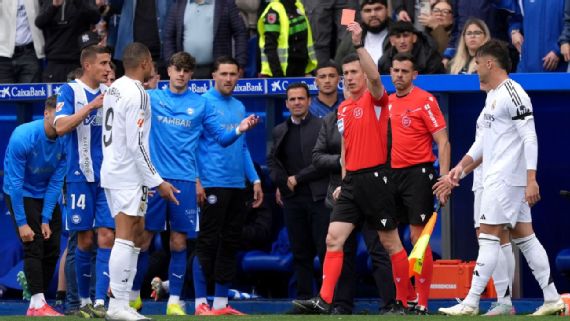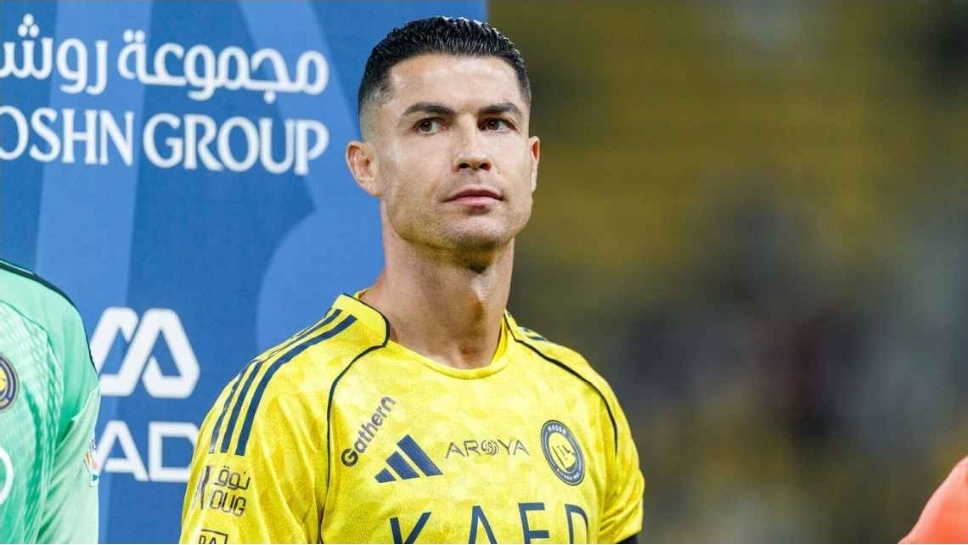
Cristiano Ronaldo has decided to end his boycott of Al Nassr games, signaling a significant development for both the star player and the Saudi Pro League club. The 41-year-old Portuguese captain had previously sat out two crucial matches for Al Nassr, including Friday’s 2-0 victory over Al Ittihad and the win against Al Riyadh the week before. According to sources shared with ESPN Brasil, Ronaldo plans to return to the pitch for the upcoming match against Al Fateh on February 14, marking a potential turning point amid the club’s ongoing dynamics.
Reasons Behind Cristiano Ronaldo’s Boycott of Al Nassr Games
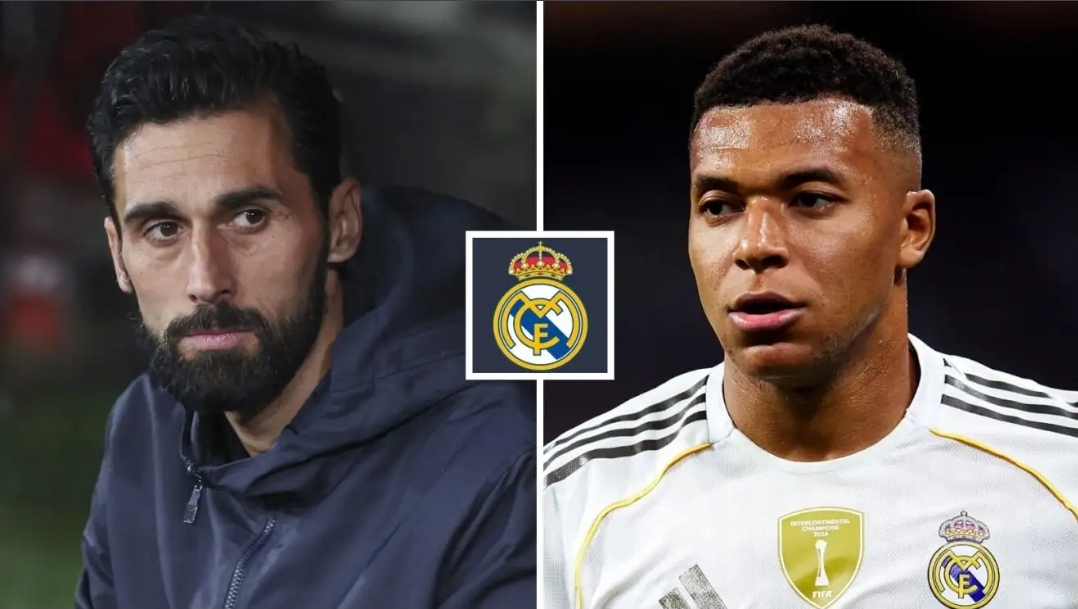
Cristiano Ronaldo’s decision to sit out two games was not taken lightly and stemmed from his dissatisfaction with Al Nassr’s management and the involvement of Saudi Arabia’s Public Investment Fund (PIF). The PIF owns a majority stake in Al Nassr (75%), but it simultaneously owns rival club Al Hilal to the same extent. During the January transfer window, Al Hilal secured the signature of Karim Benzema, Ronaldo’s former Real Madrid teammate, from Al Ittihad. This move reportedly frustrated Ronaldo, who saw this as unfair assistance by the PIF favoring Al Hilal in transfers and club development.
Furthermore, Ronaldo was displeased with the management and payment issues within Al Nassr. Delays in paying overdue salaries and restrictions on the club’s management operations led him to take a stand, essentially leveraging his participation to demand reforms. It was reported that Ronaldo wanted the PIF to restore management autonomy to Al Nassr’s top executives and resolve the financial complications before returning to play.
Resolution and Ronaldo’s Expected Return to Al Nassr
After negotiations behind the scenes, Ronaldo opted to end his boycott. Reports state that the PIF agreed to meet his main demands — overdue salaries were paid, and authority was restored to Al Nassr’s sporting director, Simão Coutinho, and CEO José Semedo, who had been suspended by the fund. With management autonomy reinstated for these key executives, Ronaldo found the environment conducive enough to resume playing.
His return match is set against Al Fateh on February 14, and Al Nassr are also scheduled to play an Asian Champions League Two game at Arkadag this Wednesday. Ronaldo’s return is highly anticipated by fans and club officials alike, given his impressive contributions.
Ronaldo’s Impact on Al Nassr and the Saudi Pro League
So far this season, Cristiano Ronaldo has played 22 games for Al Nassr, netting 18 goals and providing three assists, underlining his importance for the club’s ambitions. Al Nassr currently sit second in the Saudi Pro League, just one point behind their arch-rivals Al Hilal. With such tight competition, Ronaldo’s presence on the field could prove decisive in the title race.
His absence during the two matches was noticeably felt, despite the club securing victories. Ronaldo’s experience, goal-scoring ability, and leadership remain vital for Al Nassr’s push to claim the league title and advance in continental tournaments.
Saudi Pro League’s Position on Player Influence
Amid this situation, the Saudi Pro League released a statement reiterating the league’s structure and policies. The league emphasized that no single player should influence decisions beyond their team’s operations. According to the statement, each club functions independently with its own board, executives, and football leadership. Decisions related to recruitment, spending, and strategy are managed internally within the established financial framework that aims to maintain sustainability and competitive balance.
This clarification may be seen as a subtle message to Ronaldo and other players, highlighting the professional boundaries and the league’s commitment to fair governance.
Looking Ahead for Ronaldo and Al Nassr
Cristiano Ronaldo’s resolution to return to football action with Al Nassr sets the stage for an exciting remainder of the season in the Saudi Pro League. His competitive spirit, combined with a settled management structure, could boost the club’s chances of overtaking Al Hilal and achieving greater accomplishments.
As the league grows in significance and attracts global talent, these events spotlight the challenges and dynamics inherent in a rapidly transforming football landscape. For Ronaldo, this chapter represents a balancing act between personal influence and team objectives, ultimately aiming to inspire success on and off the field.
Why Did Cristiano Ronaldo Boycott Al Nassr Matches?
Ronaldo’s boycott raised eyebrows across the football world because it coincided with significant club and league developments. According to ESPN’s reports, the Portuguese captain’s absence was due to dissatisfaction with the Public Investment Fund (PIF), Saudi Arabia’s sovereign wealth fund, which owns a 75% stake in Al Nassr. The PIF’s involvement in the club’s transfers and operations had become a point of contention for Ronaldo, particularly as the PIF also heavily influences rival club Al Hilal.
During the January transfer window, Al Hilal, also majority-owned by PIF, secured Karim Benzema—Ronaldo’s former Real Madrid teammate—from Al Ittihad. This high-profile signing not only intensified the rivalry between the clubs but also highlighted disparities in transfer policies that frustrated Ronaldo. Feeling sidelined by the PIF’s role and the apparent imbalance it created in club management and transfer dealings, Ronaldo chose to step away from playing in matches to make his stance clear.
Conditions for Ronaldo’s Return to Al Nassr Matches
Reports suggest that Ronaldo’s return came after the PIF addressed some of his main concerns. Central to his demands were the payment of Al Nassr’s overdue salaries and the restoration of management autonomy to the club’s top executives. Sources indicate that once financial obligations were fulfilled and key figures such as sporting director Simão Coutinho and CEO José Semedo regained their powers — after being suspended by PIF — Ronaldo agreed to end his boycott.
This move appears to restore a degree of independence and internal control for Al Nassr’s leadership, which likely reassured Ronaldo about the club’s direction and operations. This development is critical because it reflects broader questions about the role of sovereign investment in football clubs and the balance between financial backing and managerial independence.
Cristiano Ronaldo’s Impact So Far This Season
Before his brief absence, Ronaldo had been a vital contributor to Al Nassr’s campaign. The star forward has played 22 games for the club this season and has managed to score an impressive 18 goals while providing three assists. His goal-scoring prowess is a big reason why Al Nassr remains fiercely competitive and currently sits second in the Saudi Pro League, just one point behind their arch-rivals Al Hilal.
Al Nassr’s pursuit of the league title now partially hinges on whether Ronaldo can maintain his form and motivation following this episode. With his return imminent, there is an expectation that the veteran forward will reclaim his role as a talisman and continue to inspire his teammates in the crucial stages of the season.
The Saudi Pro League’s Stand on Club Independence
Amid the controversy surrounding Ronaldo’s boycott, the Saudi Pro League issued a statement clarifying its stance on the governance of its clubs. The league emphasized that no player has the authority to influence decisions beyond his own team. It defended the structural independence of each club, reinforcing that recruitment, financial decisions, and strategic planning rest with individual club managements under a framework designed to ensure equity and competition.
“The Saudi Pro League is structured around a simple principle: Every club operates independently under the same rules,” the statement read. This response signaled the league’s commitment to maintaining a level playing field, even as PIF controls multiple top-tier teams.