FIFA President Gianni Infantino on the Safety and Security of 2026 World Cup Matches in Mexico
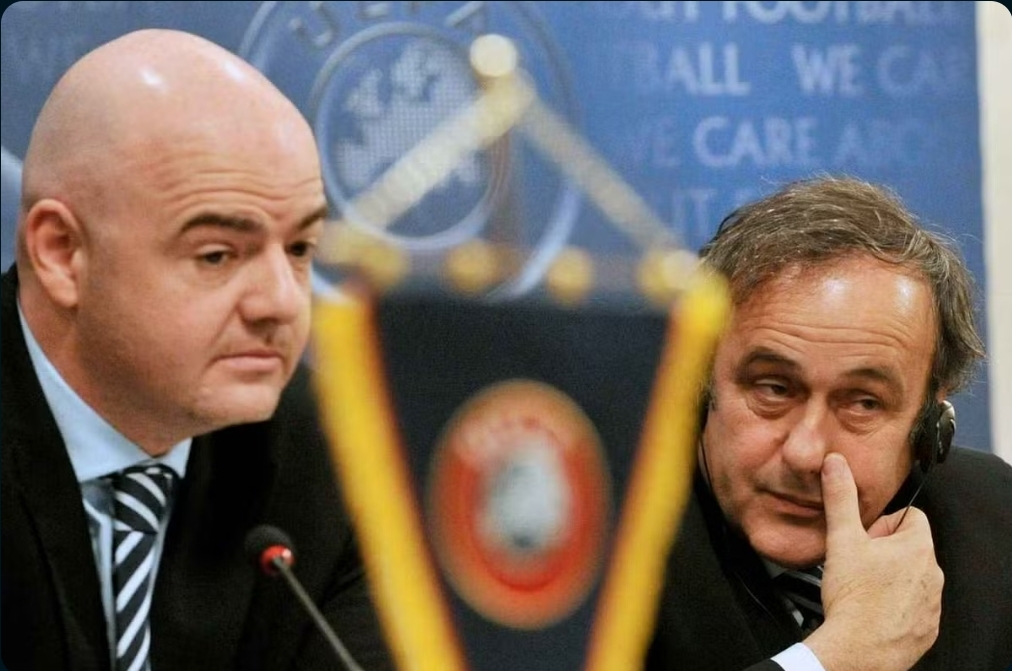
FIFA president Gianni Infantino has addressed the growing concerns surrounding the potential relocation of 2026 World Cup matches scheduled to be held in Mexico amid recent gang-related violence. As one of the three co-hosts alongside the United States and Canada, Mexico plays a pivotal role in the upcoming tournament, set to host matches across three of the 12 groups. This article delves into the context, the security challenges, and Infantino’s reassurances regarding the Mexican leg of the World Cup.
Mexico’s Crucial Role in the 2026 World Cup
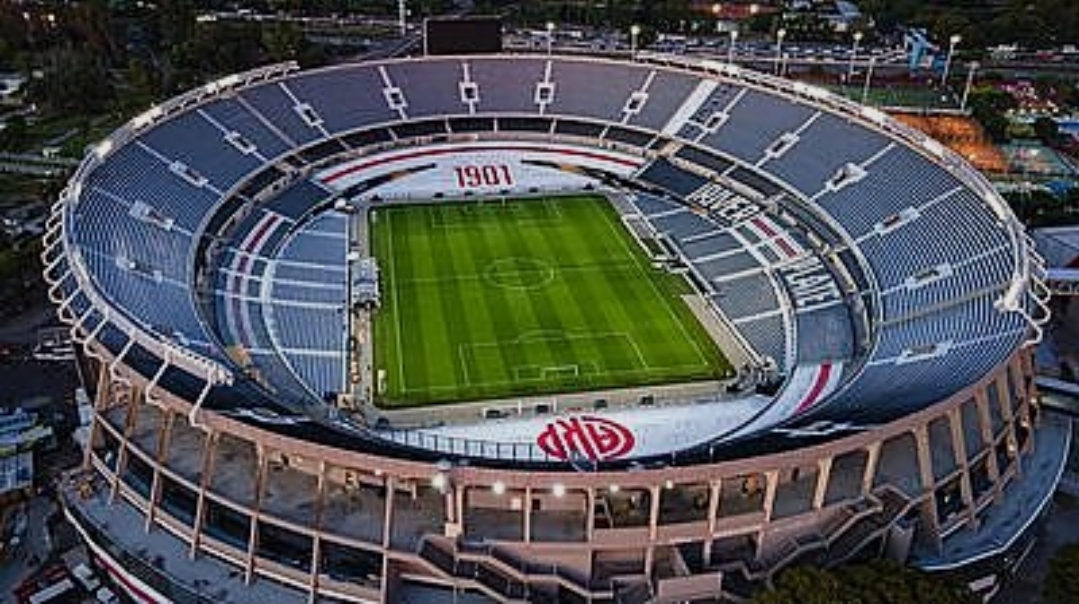
The 2026 FIFA World Cup will be a historic event, as it marks the first time the tournament is hosted by three nations. Mexico is scheduled to host significant matches, including all fixtures for the Mexican national team, ensuring the home crowd’s enthusiastic support. The tournament’s opening match is slated for June 11 at the iconic Estadio Azteca in Mexico City, where Mexico will face South Africa in a repeat of the 2010 opener.
Mexican cities like Guadalajara and Zapopan are key venues for the group stage matches. Zapopan, part of the Guadalajara metropolitan area, will host four group matches, including two involving Mexico and the exciting Uruguay versus Spain game. Such fixtures promise electrifying football, but the backdrop of recent violence has raised alarms.
Gang-Related Violence and Its Impact on the World Cup Preparations
In recent weeks, concerns escalated due to intensifying gang-related violence, primarily linked to Jalisco New Generation Cartel (CJNG), Mexico’s most powerful criminal organization. The cartel’s co-founder and leader, Nemesio Oseguera-Cervantes, known as ‘El Mencho’, was killed during a military security operation. This event triggered a backlash of violence, with retaliatory attacks visible in over 20 Mexican states, including Guadalajara.
The violence has taken various forms—vehicles and businesses set ablaze, roads blocked using spikes and nails, and a general sense of unrest prompting local authorities to issue stay-at-home orders. Such security challenges naturally raised questions about whether World Cup matches can safely go ahead in Mexico.
FIFA’s Monitoring and Communication Efforts
Given the scale and importance of the 2026 World Cup, FIFA has been vigilant in monitoring the evolving situation in Mexico. A spokesperson for FIFA in Mexico emphasized that the organization is “closely monitoring the situation in Jalisco” and remains in “constant communication with the authorities.” This continuous dialogue is crucial to assessing risks and implementing necessary security measures.
Another FIFA representative underscored that “safety and security remain the top priority,” reassuring stakeholders about the preparedness of all three host nations to deliver a secure and successful tournament.
Gianni Infantino’s Confidence in Mexico’s World Cup Matches
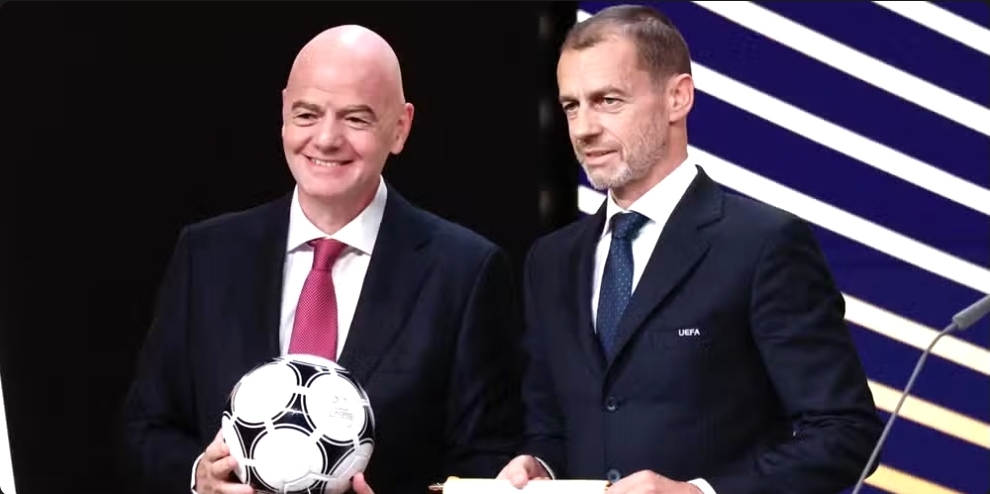
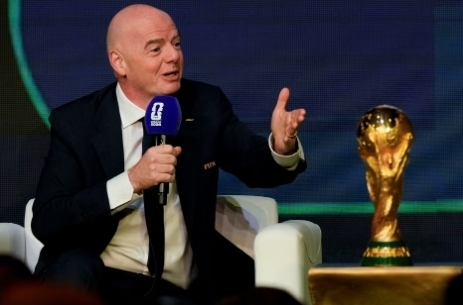
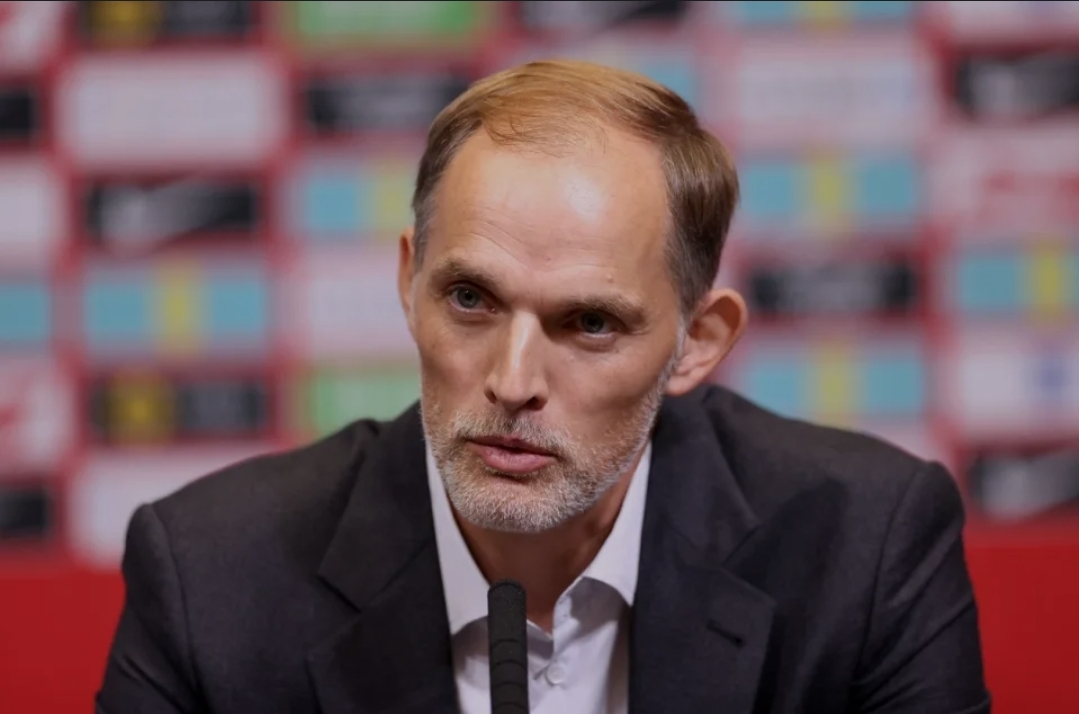
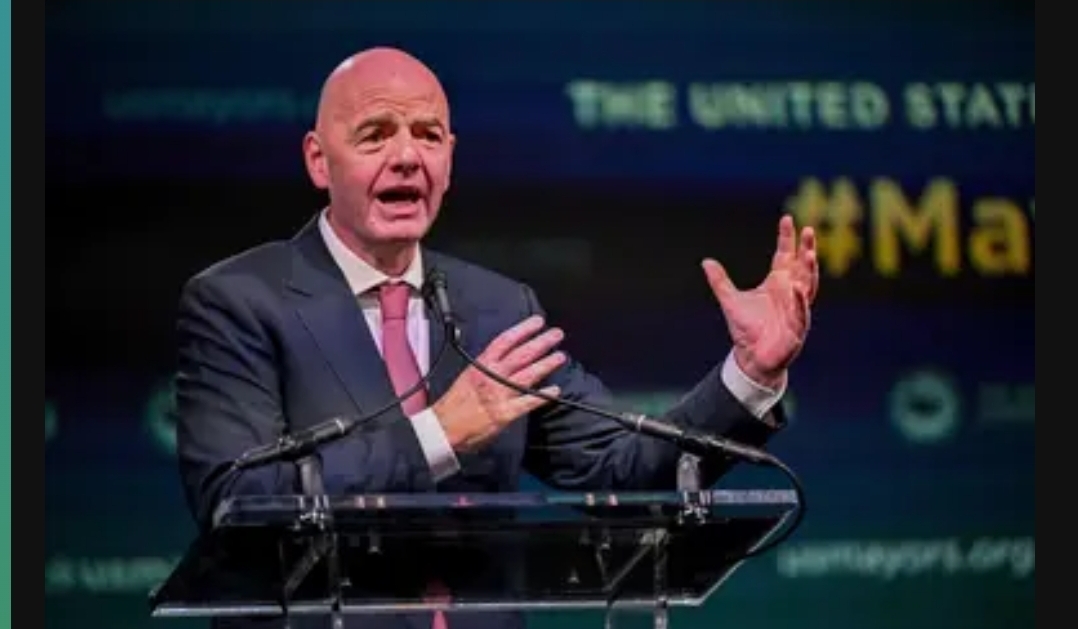
In his recent public comments, FIFA president Gianni Infantino expressed unequivocal confidence in Mexico’s capability to host its designated World Cup matches. Speaking to Diario AS, Infantino remarked, “No, not worried. We are looking very carefully at what is happening in Mexico. We are in contact with the presidency, with the authorities, and we have full confidence that everything will go very well: the playoff and then the World Cup. It will be a celebration.”
His message aims to reassure fans, players, and organizers that the security concerns, while taken seriously, will not disrupt the tournament’s schedule. Infantino’s involvement signifies the high-level attention being given to safeguard the event.
Keeping Politics Separate from Football
Addressing the often-sensitive interplay between politics and football, Infantino highlighted the importance of focusing on the unifying power of the sport. He stated, “It is possible, it has to be possible. We don’t do politics, we do football and we support everything good that football can do—unite countries, unite the world, help children, help peace—and clearly we have to have contacts and interactions with the leaders of this world and try to do something for the youth.”
This stance underlines FIFA’s philosophy that football is beyond politics and a vehicle for global unity, particularly timely given the tense environment in Mexico.
Conclusion: Looking Ahead to a Secure and Memorable World Cup
While the recent surge in gang-related violence in Mexico poses undeniable challenges, FIFA president Gianni Infantino’s firm stance and ongoing coordination with Mexican authorities provide a strong assurance that the 2026 World Cup matches in Mexico will proceed safely as planned. The tournament’s opening in Mexico City will not only celebrate the passion of football fans but also symbolize resilience and hope amidst adversity.
As preparations continue, fans worldwide will be watching closely, confident that the beautiful game will bring communities together in the spirit of competition, celebration, and peace. With safety as the top priority and continued vigilance, the 2026 World Cup is set to be a historic, unforgettable event that spans three passionate football nations.
The Importance of Mexico in the 2026 World Cup Hosting
Mexico is poised to be a significant and vibrant part of the 2026 FIFA World Cup. The tournament is due to inaugurate in Mexico City on June 11, with the host nation playing South Africa—mirroring the opening match from the 2010 World Cup. Beyond the opening festivities, Mexico will stage multiple critical group matches, bringing the global football spotlight to several cities including Guadalajara, specifically the municipality of Zapopan. Zapopan is scheduled to host four group matches, including two fixtures involving Mexico itself and a high-profile clash between Uruguay and Spain.
This geographical spread not only acknowledges Mexico’s passionate football culture but also its infrastructure capacity to manage a multi-nation sports event of this magnitude. However, recent developments around security risks have posed questions about whether these matches can safely proceed in the designated locations.
Rising Concerns Over Gang-Related Violence in Mexico
In recent weeks, reports of escalating violence across several Mexican cities have raised alarm bells, primarily due to the activities of the Jalisco New Generation Cartel (CJNG), the most powerful criminal organization in the country. On Sunday, a major turning point occurred when “El Mencho” (Nemesio Oseguera-Cervantes), the cartel’s co-founder and leader, was killed during a military security operation. The clash—characterized as a violent firefight between El Mencho’s bodyguards and elite military commandos—resulted in his serious injuries and subsequent death.
His elimination triggered a wave of retaliatory gang violence across 20 Mexican states, including Guadalajara. CJNG members executed coordinated attacks involving arson of vehicles and local businesses, road blockades using nails and spikes, and general civil disruption. This surge forced many regions to impose stay-at-home orders, intensifying concerns about public safety in the lead-up to the World Cup.