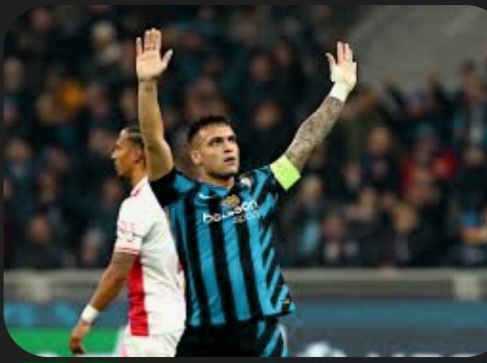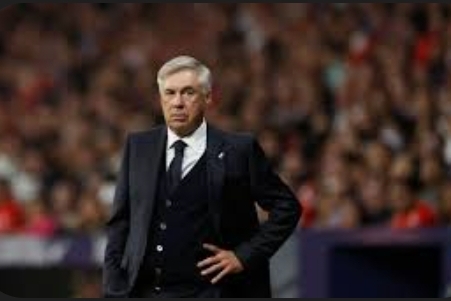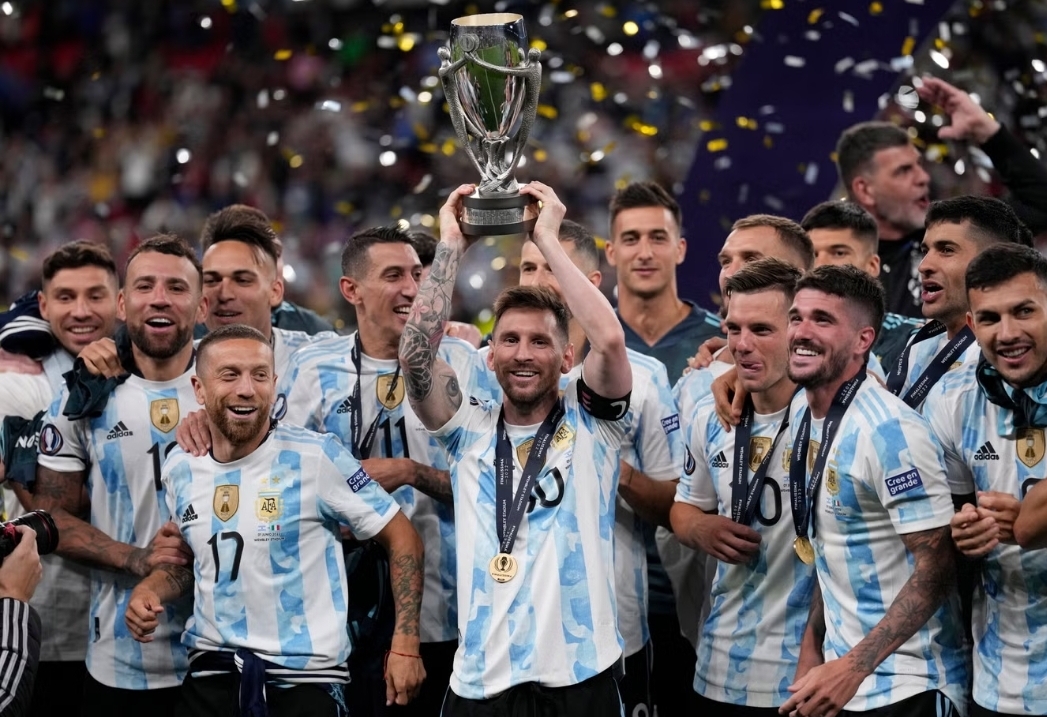
The escalating conflict in the Middle East is casting a long shadow over global sports, disrupting schedules and threatening the participation of some of the world’s biggest athletic icons like Lionel Messi, Cristiano Ronaldo, and Lewis Hamilton. In the wake of recent strikes launched by the United States and Israel on Iran, a wave of cancellations and travel disruptions has rippled across the region, forcing organizers of major football tournaments and Formula 1 races to confront difficult decisions. This situation vividly highlights the Middle East’s growing and vital role as a host, funder, and employer for top-tier global athletes.
The escalating conflict in the Middle East and its impact on sports schedules
The Middle East has become a hub of international sports over the past decade, with countries like Qatar, Saudi Arabia, and the United Arab Emirates investing heavily in world-class infrastructure and hosting prestigious events. However, the recent surge in geopolitical tensions has put this booming sports calendar in jeopardy. The fallout from the military strikes has led to immediate cancellations and postponements within the region, creating a tense environment of uncertainty just weeks before several highly anticipated events.
Key upcoming football events in jeopardy
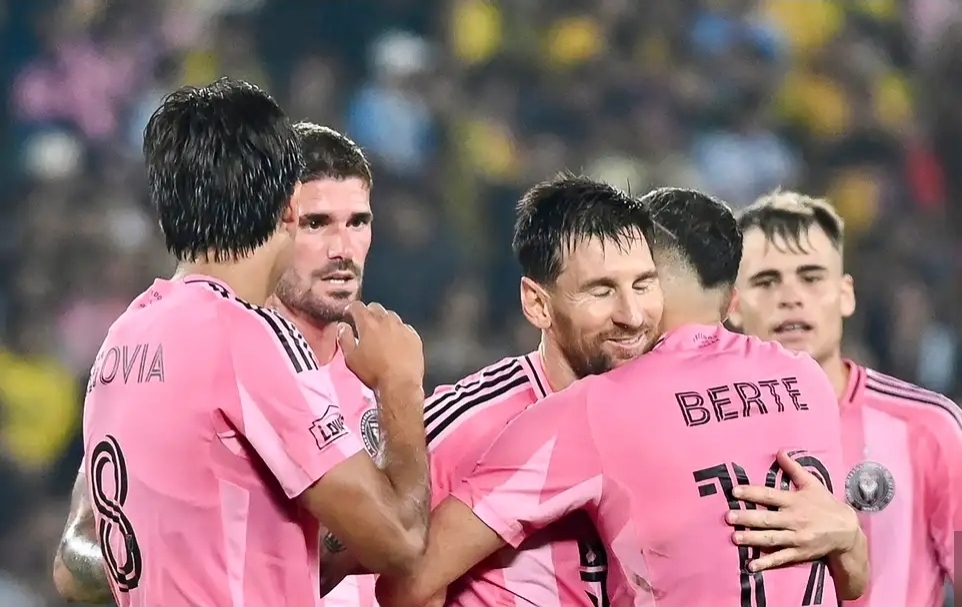
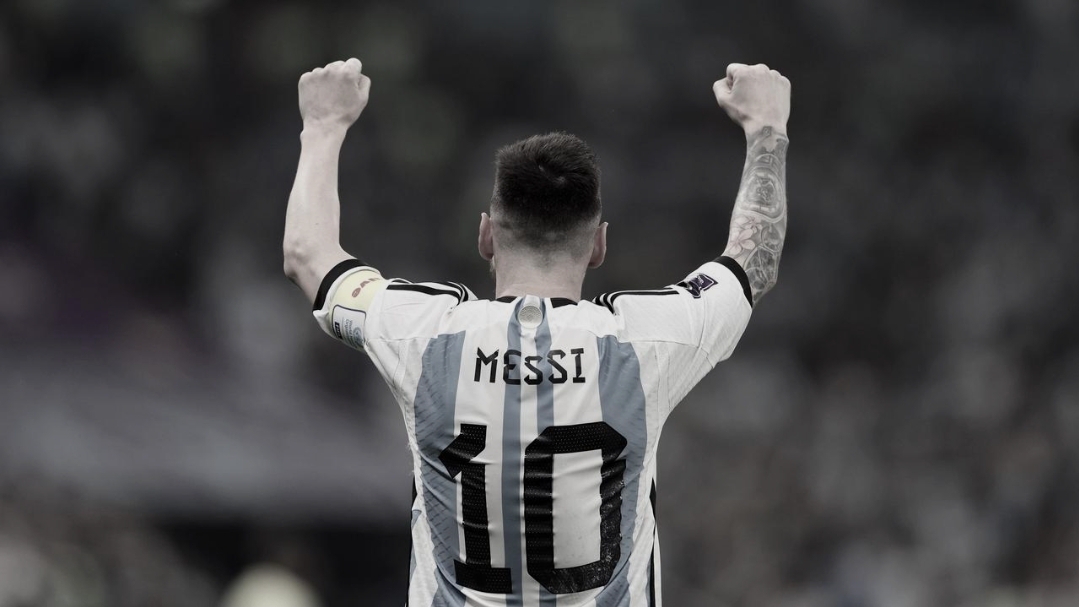
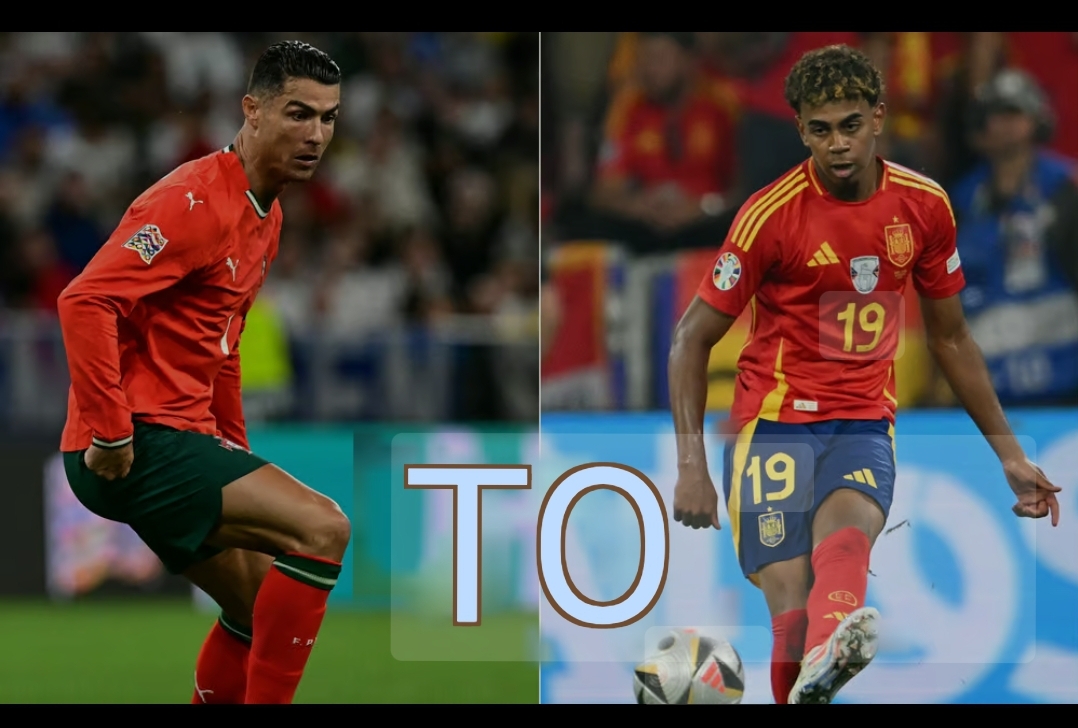
One of the most significant concerns surrounds the ‘Finalissima’ football match, scheduled for March 27, which promises a thrilling contest between European champions Spain and South American counterparts Argentina. For Lionel Messi, this match represents another coveted opportunity to add to his legacy with international silverware. Yet, the conflict is casting doubt over whether the game will proceed as planned. Compounding this uncertainty, Qatar has announced the indefinite suspension of all football matches, directly impacting a planned friendly between Argentina and Qatar scheduled for March 31.
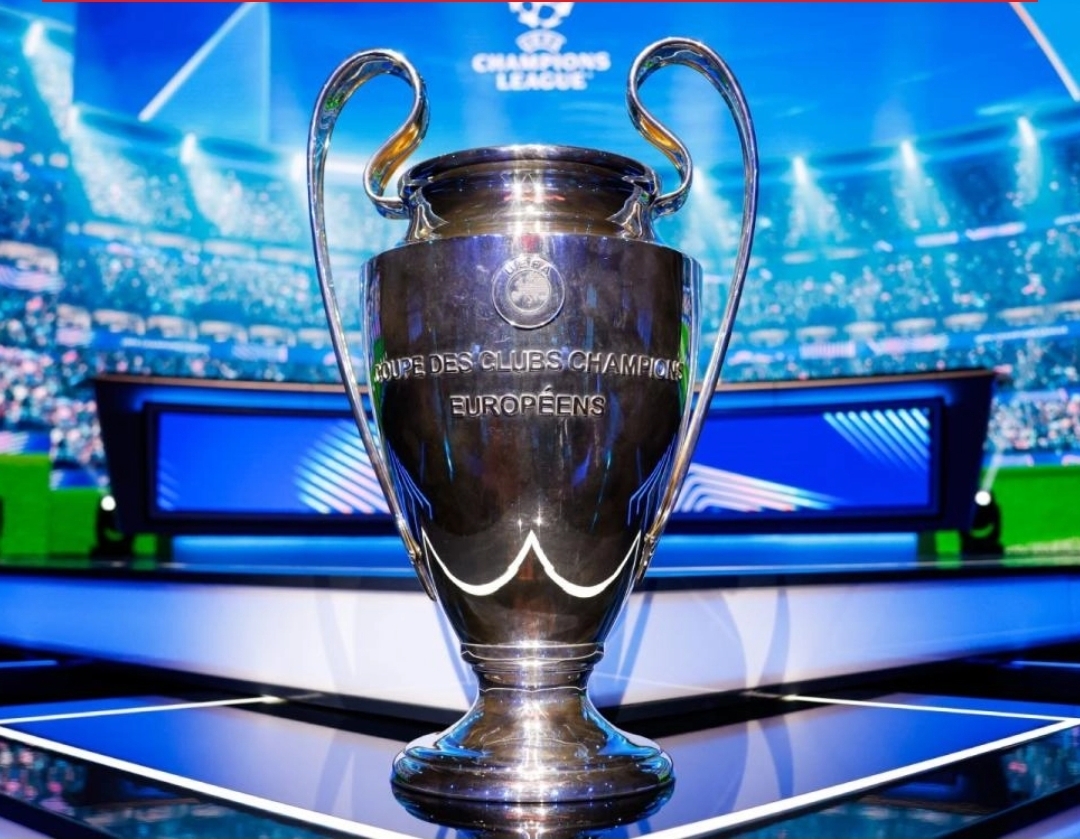
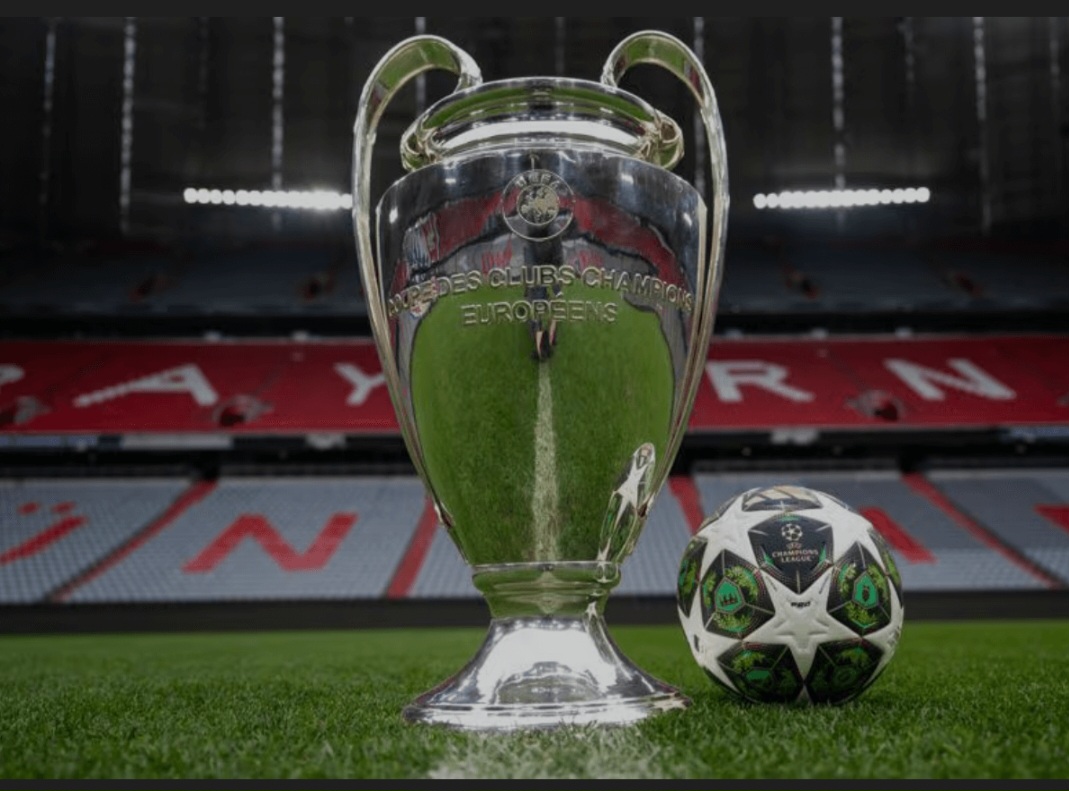
UEFA, the European football governing body, has stated it is “monitoring and carefully assessing” developments in close communication with CONMEBOL (South America’s football confederation) and the local organizing committee. This situation underscores the complexities sports organizations face when balancing athlete safety, diplomatic considerations, and fan expectations.
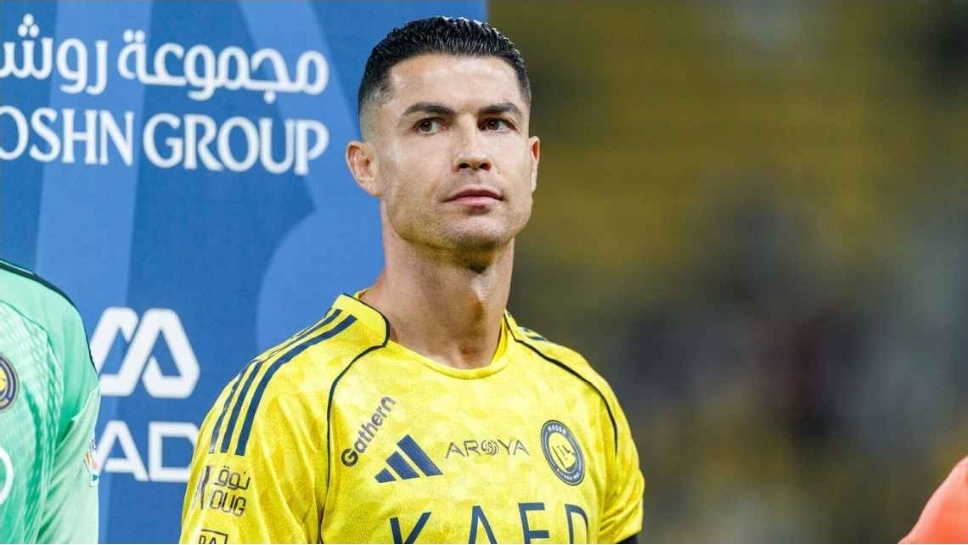
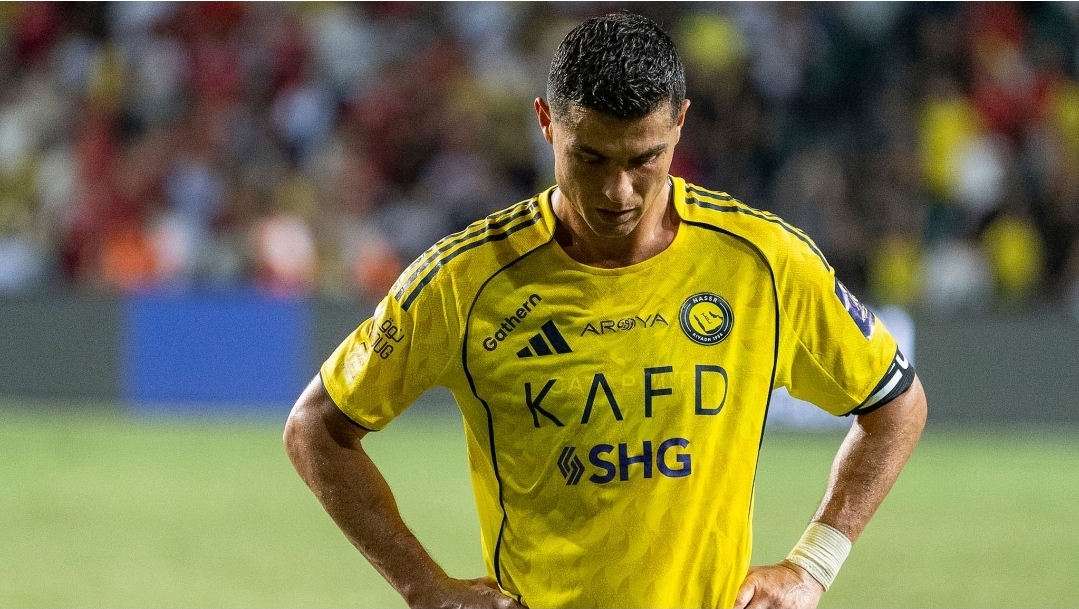
Meanwhile, Cristiano Ronaldo’s club Al Nassr, based in Saudi Arabia, is also feeling the effects of the upheaval. The team’s Asian Champions League fixtures, including a highly anticipated match in Dubai, have been canceled, disrupting the schedules of players and fans alike. Such cancellations not only impact team standings and tournaments but also highlight how political strife can quickly ripple into the sports world.
Formula 1 faces critical decisions amid rising tensions
Formula 1, another global sport with significant Middle Eastern involvement, finds itself in a similarly precarious position. Races scheduled in Bahrain and Saudi Arabia for the upcoming month are now under serious scrutiny. Formula 1 operates on a rigid logistical timeline, with teams flying staff, equipment, and freight to venues weeks in advance. As such, the window for making decisions about these races is rapidly closing.
The governing body of motorsport, FIA, has emphasized that the “safety and wellbeing” of those involved remains its highest priority. Fans and drivers worldwide watch closely as organizers weigh the risks and realities of hosting these high-profile events amid mounting geopolitical instability.
The broader Middle Eastern sports ecosystem under strain
Besides football and Formula 1, other sports have also felt the tremors from the escalating conflict. The men’s and women’s tennis tours and golf’s European Tour recently wrapped up their Middle East legs and thankfully are not set to return for several months. Nonetheless, the pause in sports activities signals broader challenges for the region, where significant investments have been made to draw global attention and economic input through sporting events.
Athletes and teams often rely on the Middle East not only as host venues but also as lucrative sponsors and employment centers, contributing to a growing sports economy. The current crisis threatens to disrupt this delicate balance, potentially leading to financial consequences and diminishing the region’s stature on the global sporting stage.
What lies ahead for global sports amid the Middle East conflict?
As the conflict continues to evolve, organizers of international sports events face mounting pressure to make clear decisions swiftly. The safety of players, staff, and fans must take precedence, but so too does the need to maintain sporting calendars and honor commitments to broadcasters and sponsors. For athletes like Lionel Messi, Cristiano Ronaldo, and Lewis Hamilton, uncertainty over fixtures may affect preparation and performance at critical junctures in their careers.
In the short term, sports governing bodies and clubs will likely take a cautious approach, monitoring conditions on the ground. In the longer term, the situation may prompt reconsiderations about the reliance on the Middle East as a sporting hub, fueling discussions about diversifying venues and investments.
Ultimately, the escalating conflict in the Middle East serves as a stark reminder of how interconnected our world is—where political and military tensions do not just shape diplomacy but ripple into arenas of global culture and entertainment, including sports. The coming weeks will be crucial in defining how the sporting world navigates this crisis and adapts to an uncertain future.The escalating conflict in the Middle East is already beginning to ripple through the world of global sports, threatening the schedules of some of the most iconic athletes, including Lionel Messi, Cristiano Ronaldo, and Lewis Hamilton. As tensions rise following recent strikes by the United States and Israel on Iran, event cancellations and travel disruptions in the region have sparked urgent conversations among sports governing bodies, teams, and organizers. With the Middle East playing a pivotal role as a host, funder, and employer for major sports such as football and Formula 1 racing, the coming weeks are set to be critical in determining the fate of several high-profile tournaments and events.