Aston Villa Reportedly Told Stewards They Could Miss Maccabi Tel Aviv Match Amid Safety Concerns
Aston Villa reportedly told stewards they could miss the upcoming Europa League fixture against Maccabi Tel Aviv due to possible safety concerns. This unusual decision came amid growing tensions after West Midlands police imposed a ban on Maccabi fans attending the match, citing potential risks linked to previous violent incidents involving the Israeli football team’s supporters. The situation has raised questions about safety, policing, and fan attendance at high-profile football matches.
Background: West Midlands Police Ban on Maccabi Fans
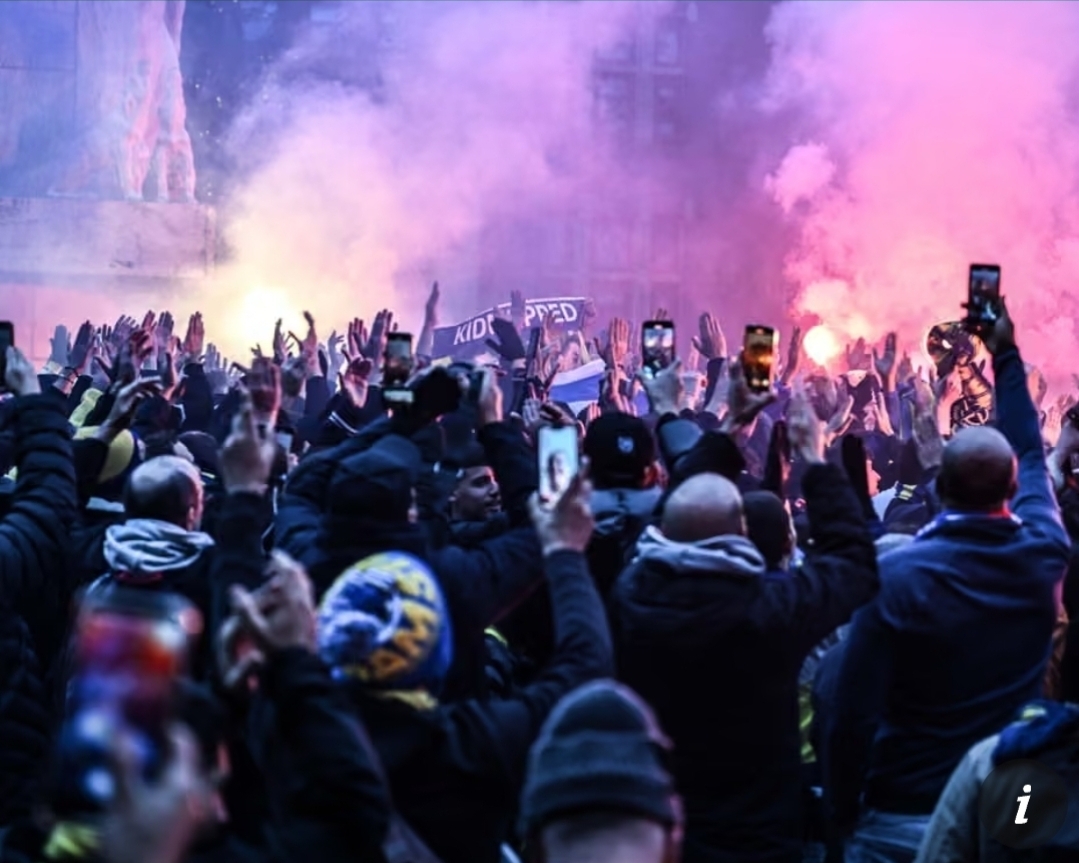
The roots of the current issue trace back to a prior incident earlier this year when West Midlands police reviewed intelligence following violent clashes at a 2024 UEFA Europa League match between Ajax and Maccabi Tel Aviv in Amsterdam. The clash saw more than 60 arrests and was described by authorities as a “toxic combination of antisemitism, hooliganism, and anger.” Given this backdrop, West Midlands police classified the upcoming Villa vs. Maccabi match as “high risk” and decided they could not adequately police the fixture if Maccabi fans were present.
This decision means Maccabi supporters are banned from traveling to Villa Park for the match scheduled on Thursday, 6 November 2024.

Aston Villa’s Response: Steward Absences and Safety Measures
Amid concerns about policing and security, Aston Villa took the unusual step of communicating directly with matchday stewards, informing them that they would not be obliged to work during the fixture against Maccabi Tel Aviv. According to reports, the club sent an email on 3 October allowing stewards to submit a one-off absence request without penalty or repercussions against their contractual minimum attendance of 80%.
The email acknowledged steward concerns over safety and explicitly gave permission to not attend the match day if they felt uncomfortable. Although it is unclear how many stewards chose to accept this offer, the club’s gesture highlights the significant apprehension around staffing the event given the potential for disorder or violence.
Why Are Safety Concerns So Prominent in This Fixture?
Several key factors contribute to the heightened safety concerns surrounding this match:
- Recent Violent Incidents: The 2024 Europa League clash in Amsterdam involving Maccabi fans involved antisemitism, hooliganism, and violent outbreaks. This incident is fresh in the minds of police tasked with maintaining order in Birmingham.
- Intelligence Reports: Security agencies and West Midlands police have apparently received information indicating potential risks of similar or related disturbances should Maccabi fans attend.
- Public and Political Sensitivities: Antisemitism and racially motivated violence are being taken especially seriously by law enforcement and football authorities. The potential for hate crimes or violent clashes prompts preemptive restrictions.
- Resource Limitations: Police forces need to be confident they can manage crowd control effectively. The inability to provide sufficient policing numbers or security measures likely contributed to the decision to ban Maccabi fans.
The Role of the Home Office and Safety Advisory Group
Following the ban, the Home Office has offered additional support to West Midlands police in hopes of reversing or modifying the decision. A meeting with Birmingham’s Safety Advisory Group (SAG) has been scheduled next week to discuss the situation in detail. SAG typically comprises representatives from local government, emergency services, and venue operators who collaborate on ensuring safety at public events.
This meeting will be pivotal in determining the final outcome regarding fan attendance and steward deployment for the match. It also reflects a concerted effort to balance fan inclusion and safety in a complex and sensitive environment.
Impact on Matchday Experience
Villa fans and the wider football community have reacted with mixed feelings. On one hand, many understand and support the focus on safety and the hard decision by police. On the other hand, the ban and the steward absence requests disrupt the normal experience of hosting a European fixture at Villa Park.
From an operational standpoint, fewer stewards could hamper smooth stadium entry, crowd management, and emergency response capabilities. For players and coaches, this unique atmosphere may also affect performance and morale. The stewards’ ability to ensure a secure and comfortable environment is crucial to matchday success.
Looking Forward: Football and Safety in a Complex Era
This incident illustrates the ongoing challenges football clubs and authorities face in balancing competitive sporting events with safety considerations—especially when external political, cultural, or social tensions intersect with football fandom.
Aston Villa’s decision to prioritize steward well-being and accommodate their absence requests shows a progressive approach to workforce concerns but also highlights the precariousness of operating high-risk matches amid public safety threats.
Efforts by the Home Office and local groups will be essential in finding solutions for this fixture and any future instances where security risks may threaten the spirit and unity that football ideally promotes.
In summary, Aston Villa reportedly telling stewards they could miss the Maccabi Tel Aviv match underscores the critical safety concerns surrounding the fixture, influenced heavily by preceding violent incidents and policing challenges. As authorities continue to negotiate fan attendance and security measures, this event will serve as a noteworthy case in managing modern football’s complex safety landscape.