■■■FC Kairat Almaty: The Rise of Kazakhstan’s Premier Football Club■■■
FC Kairat Almaty is a professional football club with a rich history and significant impact on Kazakh football. Established in 1954, the club has evolved through various names and achievements, now standing as a beacon of football excellence in Kazakhstan’s top-tier league, the Kazakhstan Premier League. This article delves into the club’s origins, legacy, recent successes, and its remarkable journey into European competitions.
Origins and Historical Background of FC Kairat Almaty
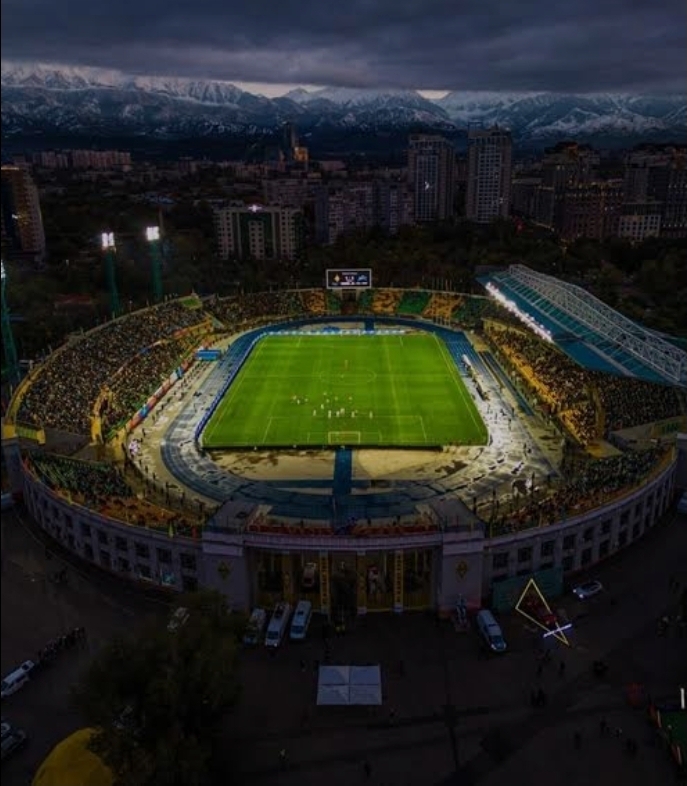
Founded initially as Lokomotiv Alma-Ata in 1954, the club underwent a couple of transformations, becoming Urozhay in 1955 and adopting the name Kairat in 1956. These early changes marked the beginning of a club deeply intertwined with Kazakhstan’s football culture. Playing their home matches at the Central Stadium in Almaty, which boasts a capacity of 23,804 seats, Kairat has maintained a strong home presence with its iconic yellow and black striped shirts paired with black shorts and socks.

During the Soviet era, Kairat Almaty became a symbol of Kazakh football prowess. They were the sole representatives of the Kazakh Soviet Socialist Republic in the Soviet Top League. This prestigious positioning earned them the nickname “The Nation’s Team,” highlighting their wide-reaching fan base that spans the entire country. Over 24 seasons competing at the highest level of Soviet football, Kairat left a lasting legacy by winning the Soviet First League twice, in 1976 and 1983, and serving as an important part of the Voluntary Sports Societies of the Soviet Union.
FC Kairat Almaty’s Modern Era and Domestic Success
Post-Soviet dissolution, FC Kairat shifted to compete in Kazakhstan’s national competitions, continuing their tradition of excellence. The club has secured four Kazakhstan Premier League titles to date, showcasing their sustained dominance. In addition to league triumphs, Kairat has been victorious eight times in the Kazakhstan Cup and claimed two Kazakhstan Super Cups, demonstrating their consistent top-tier performance both in league and knockout tournaments.
One of the fiercest rivalries in Kazakh football is between FC Kairat and FC Astana. Dubbed the “Two Capitals Derby,” these matches capture the passion and intensity reflective of the country’s leading cities, Almaty and Nur-Sultan (formerly Astana). The rivalry fuels the competitive spirit and garners substantial fan engagement, highlighting the club’s prominent position in the country’s sporting landscape.
Recent Years and Breakthroughs in UEFA Competitions
In recent years, FC Kairat’s journey has been marked by managerial changes and a resurgence in performance. On 15 October 2018, Carlos Alós departed, making way for interim and new appointments such as Andrei Karpovich as caretaker and Aleksey Shpilevsky as head coach. Under Shpilevsky’s leadership, Kairat clinched the Kazakhstan Premier League title in 2020, ending a 16-year wait and revitalizing the club’s domestic stature.
After Shpilevsky’s exit in June 2021 to Erzgebirge Aue, Kurban Berdyev took the helm, further strengthening the team’s competitiveness before Kirill Keker was appointed permanent head coach in June 2022. These strategic management shifts played a critical role in positioning Kairat for greater achievements on the continental stage.
Historic Milestone: UEFA Champions League Group Stage Qualification
Perhaps the most remarkable chapter in FC Kairat Almaty’s recent history is their breakthrough in the UEFA Champions League. Winning the 2024 Kazakhstan Premier League qualified them for the 2025–26 UEFA Champions League qualifying rounds. Demonstrating remarkable resilience and skill, Kairat eliminated Olimpija Ljubljana with an aggregate score of 3–1 in the first qualifying round, followed by a hard-fought 3–2 aggregate victory over Kuopion Palloseura.
The club’s momentum continued as they reached the play-off round by overcoming Slovan Bratislava through penalties. On 26 August, FC Kairat secured a historic first-ever qualification to the Champions League group stage after defeating Celtic in a tense penalty shootout, following goalless draws in both legs. This triumph marked a significant milestone, placing Kairat on the continent’s premier football platform.
In the group stage draw, they were paired with Sporting CP, which led to the longest travel journey in UEFA Champions League history—6,900 kilometers from Almaty to Lisbon. This campaign not only highlights the club’s sporting achievements but also signals Kazakhstan’s growing prominence in European football.
Conclusion
FC Kairat Almaty stands as a testament to Kazakhstan’s football heritage and its progressive strides on the international stage. From their Soviet-era roots to domestic dominance and historic UEFA Champions League participation, the club embodies resilience, ambition, and national pride. As they continue to build on this momentum, FC Kairat remains a symbol of Kazakh football’s potential, inspiring fans and aspiring athletes across the region.
Here’s a breakdown and analysis of the Kairat Almaty vs Pafos match on 21 October 2025 in the Champions League (Group Stage – Matchday 3), with what actually happened
Key Moments & Turning Points
1.Early red card for Pafos
Probably the biggest event. It forced Pafos to play nearly the entire match with one fewer player, which alters tactics, stamina, positioning, risk calculus, etc.
Despite that, they managed to stay organised enough to avoid conceding. That shows discipline and good defensive structure (or perhaps Kairat’s inability to punish the disadvantage).
2.Possession vs conversion issue
Kairat had the ball a lot, but high possession did not translate into goals. Even when dominating, they failed to break down Pafos’s resistance.
Their recent Champions League results include heavy defeats (e.g. vs Sporting CP, vs Real Madrid) so they are under pressure to show something at home.
3.Defensive resilience from Pafos
Playing with ten men for much of the match, Pafos stayed compact enough to shut out Kairat, or at least prevent them from scoring.
There were moments where Pafos could have taken advantage — including a goal ruled out for offside — but overall they survived the pressure.
4.Psychological / momentum impact
For Kairat: frustration. Dominance without result, especially at home, can weigh on a team’s morale.
For Pafos: the point feels like a small victory. Even though it’s not a win, getting something while under pressure may galvanise them for upcoming fixtures.
Implications & What to Watch Next
Group standings & progression: A draw isn’t enough for Kairat if they want to advance. They’ll need to start converting home advantage into wins, especially against teams they perceive as comparable or beatable.
■Tactical adjustments:
Kairat may need to refine their attacking transitions or finishing under pressure. They dominate space but struggle to produce clinical chances.
Pafos will likely continue with a cautious / defensive approach — especially away — hoping to capitalise on counter-attacks or mistakes.
■Mental side:
After heavy losses earlier in the group (e.g. vs Bayern, Sporting), Kairat may feel urgency. They need to show ambition rather than just control.
Pafos will draw confidence from surviving this game; perhaps more boldness in attack next time, though likely balanced with defensive caution.
■Player focus:
Young players or those with less experience may feel added pressure.
Fatigue / depth could become an issue if Pafos continue to defend deep with fewer players or substitutions.
Next Matches: Each point is precious in a group with tough opposition. Losses already suffered make home / “winnable” fixtures more important. A failure to capitalise could leave either side vulnerable to elimination or drop to lower competition.