UEFA Bends Own Rules to Allow Barcelona’s Champions League Return to Camp Nou
Barcelona’s Champions League return to Camp Nou is set to be one of the most eagerly anticipated football events this December. On December 9, the Catalan giants will host Eintracht Frankfurt in their final group stage match at the historic stadium, after UEFA granted a rare exception to its usual stadium regulations. This decision not only highlights the significance of Camp Nou as Barcelona’s iconic home but also marks a pivotal moment in the club’s ongoing transition back to its fully renovated arena.
UEFA’s Stadium Regulations and the Rare Exception for Barcelona
UEFA traditionally enforces strict rules requiring clubs to play all six group matches of the Champions League at the same stadium during the group stage. This regulation ensures consistency and fairness throughout the competition. However, Barcelona’s situation was unique. The club’s home ground had been undergoing extensive renovation work under the ambitious Espai Barça project, which has temporarily made Camp Nou unavailable for competitive matches.
Faced with this unprecedented circumstance, Barcelona appealed to UEFA for permission to change their Champions League venue mid-group stage. Recognizing the legitimacy of the request and the exceptional nature of the renovations, UEFA granted a rare exception to its rules. This decision was officially confirmed by Barcelona in a statement released on Wednesday, much to the delight of fans and the wider football community.

What the Partial Reopening of Camp Nou Means for Barcelona
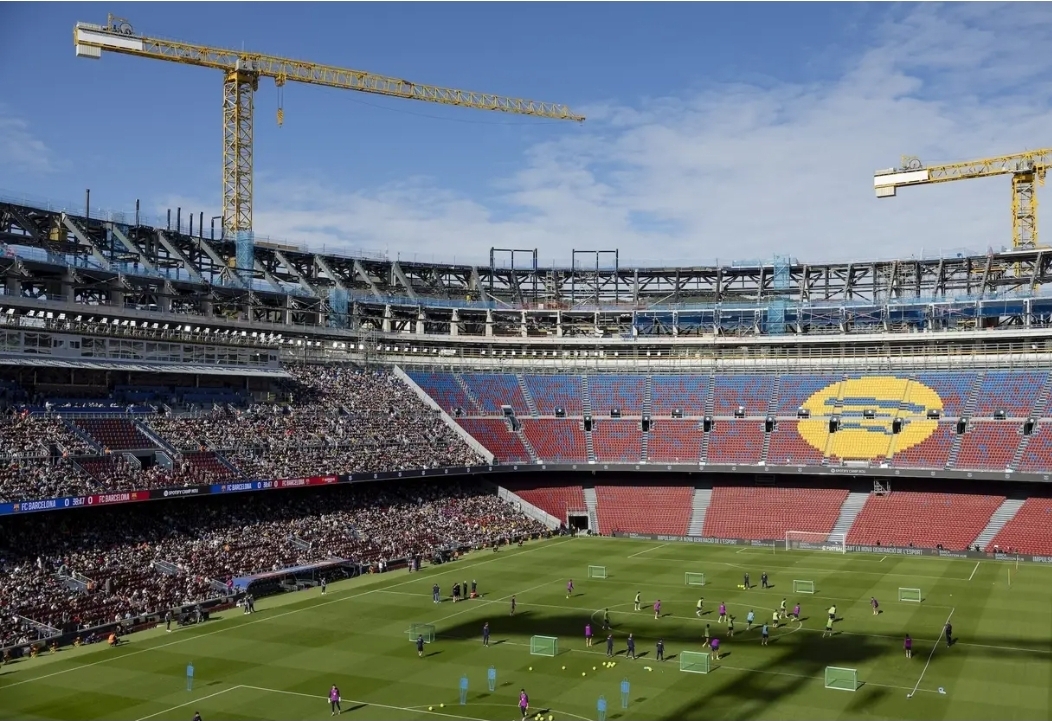
The kick-off for the Barcelona vs. Eintracht Frankfurt match is set for 21:00 CET, with the stadium initially operating at a capacity of 45,401 spectators. This is possible thanks to the issuance of the Phase 1B occupancy license, which allows partial reopening of the stadium. The areas now accessible to fans include the entire Lateral stand, as well as the previously authorized Tribune and South Goal sections.
This partial reopening precedes the club’s homecoming in LaLiga, with the first official match at Camp Nou set for the following Saturday against Athletic Club. This will be the first competitive game at the stadium since May 2023, ending a significant period when Barcelona played their home games elsewhere due to the renovation works.
The Espai Barça Project: A New Era for Camp Nou
Barcelona’s Champions League return to Camp Nou is more than a mere venue change—it is a milestone in the broader Espai Barça project. This ambitious initiative aims to transform Camp Nou into a state-of-the-art facility with a capacity of approximately 105,000 spectators by late 2026 or early 2027.
Club president Joan Laporta hailed UEFA’s decision as “a major step” forward in realizing this vision. Laporta expressed his excitement and pride at being able to compete once again in “our stadium” on Europe’s biggest stage. The reopening reflects both the club’s rich history and its forward-looking plans to enhance fan experience, sustainability, and modern infrastructure.
Impact on Fans and Season Ticket Holders
The partial reopening means that not all parts of Camp Nou are yet accessible, but Barcelona has promised more details regarding ticket allocations for season-ticket holders in the coming days. With some stands still under renovation, ensuring a smooth and safe return for fans is a top priority. Still, the prospect of seeing Barcelona back at Camp Nou for high-stakes Champions League action is generating considerable excitement.
For many supporters, the opportunity to witness the team perform in front of a home crowd, especially on a continental stage, is a reminder of the club’s enduring prestige and ambitions. It also cements the connection between the club and its community during this transitional phase.
Looking Ahead: What to Expect from Barcelona’s Champions League Return
Barcelona’s Champions League return to Camp Nou symbolizes more than just a regulatory exception—it represents hope and renewal. As the team faces Eintracht Frankfurt in their final group match, they will do so amid the renewed roar of their home fans, an advantage that has been temporarily missing during stadium renovations.
The Espai Barça project promises continued enhancements to the Camp Nou experience, ensuring that this historic venue remains one of football’s most iconic arenas. UEFA’s flexibility in this case shows a recognition of the unique circumstances clubs can face and a willingness to support the preservation and modernization of football’s heritage sites.
Conclusion
The decision by UEFA to allow Barcelona to host their Champions League fixture at the newly reopened Camp Nou is a landmark moment for the club and its supporters. It highlights the importance of balancing regulatory standards with practical realities and reinforces Camp Nou’s status as a footballing cathedral. As Barcelona prepares to welcome Eintracht Frankfurt, fans can look forward to the sound of cheering echoing once again through the stands, as a new chapter begins for both the club and its legendary stadium.## UEFA Bends Own Rules to Allow Barcelona’s Champions League Return to Camp Nou
UEFA bends own rules to allow Barcelona’s Champions League return to Camp Nou, marking a significant milestone for the club and its fans. After more than half a year away, Barcelona will host Eintracht Frankfurt on December 9 in their final Champions League group stage match at the iconic stadium, which has undergone extensive renovations. This rare exception by UEFA signals a flexible approach to regulations, underscoring the unique circumstances faced by one of Europe’s most historic clubs.
UEFA’s Unprecedented Exception for Barcelona’s Stadium Change
Traditionally, UEFA has strict regulations that require a club to play all six group stage matches of the Champions League at the same venue. This rule is intended to maintain fairness and consistency across the competition. However, Barcelona’s situation presented a unique case: the Camp Nou was temporarily unavailable due to ongoing extensive renovation works tied to the Espai Barça project. To date, the club had