Tony Bloom Faces Controversy Over Alleged $70m Gambling Winnings and Betting on His Own Football Teams
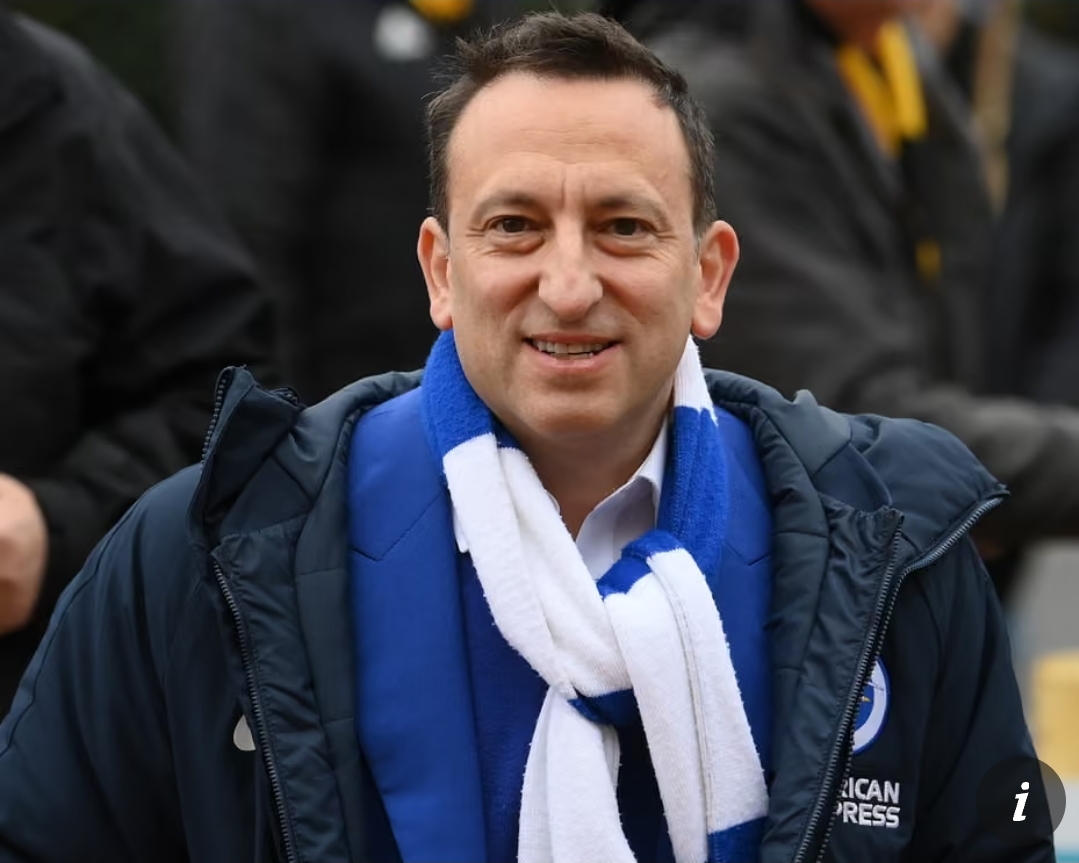
Tony Bloom, the billionaire owner of Brighton & Hove Albion FC and one of the world’s most successful professional gamblers, is currently at the center of intense scrutiny. Allegations have surfaced claiming that Bloom was the mysterious “John Doe” behind a staggering $70 million (£52 million) in gambling winnings, which allegedly included bets placed on his own football teams. These claims have sparked a wave of questions, investigations, and calls for transparency from sports and political figures alike.
Who is Tony Bloom and Why Is He Under the Spotlight?
Better known in gambling circles as “The Lizard,” Tony Bloom has built a formidable reputation not only as the owner of Brighton & Hove Albion but also as a high-stakes gambler with a highly successful betting syndicate, the Starlizard Betting Syndicate. The syndicate is reported to generate roughly £600 million annually from betting activities, predominantly focused on football.

The recent controversy stems from a US legal case aiming to unmask a “John Doe” responsible for an impressive gambling winning streak. Multiple reports and sources, including the co-founder of the online gambling company Rollbit, have publicly identified Bloom as this anonymous figure. Their accusations suggest that Bloom’s syndicate used a frontman to place these bets, some of which directly involved his football teams—a serious breach of Football Association (FA) rules.
Allegations of Betting on His Own Teams
The core of the controversy revolves around whether Bloom’s gambling activities crossed ethical and regulatory lines by betting on matches involving his teams, primarily Brighton & Hove Albion and Belgium-based Royale Union Saint-Gilloise. Such actions would directly contravene FA rules designed to maintain the integrity of football competitions.
Razer, the co-founder of Rollbit, publicly accused Bloom on the social media platform X (formerly Twitter) of placing bets through a frontman, sparking further investigation. Following this, other sources corroborated the claims, reinforcing fears that these bets were made knowingly and with Bloomington’s participation. If true, these allegations could open the door to severe sanctions against Bloom, including potential sanctions comparable to those imposed on players who gamble on matches.
Calls for Investigation and Transparency
The revelations have prompted calls from British MPs for a thorough inquiry into Bloom’s gambling conduct. Clive Efford, the former shadow sports minister, urged the Football Association to examine the evidence carefully and report their findings. MP Clive Betts, chair of the all-party parliamentary group on football, emphasized the seriousness of the matter, noting that this might be “the tip of the iceberg” and highlighting the urgent need for transparency in regulating gambling activities linked to football club ownership.
Iain Duncan Smith, former Conservative leader, also voiced strong opinions about the FA’s current policies. He criticized the organization for its “lax” stance on gambling funds’ involvement in football club operations and pushed for stricter, clearer regulations to prevent the exploitation of betting operations in the sport.
The UK Court Claim and Alleged Use of Frontmen
In the UK, Bloom is presently facing a separate court case alleging that he employed frontmen, including former political aide George Cottrell, to place substantial bets on his behalf. According to the claim, the betting syndicate operated covertly, masking true ownership to evade scrutiny and possibly regulatory limitations.
This lawsuit was initiated by a former business partner who alleges Bloom owes him a share of gambling profits amounting to around $250 million. Bloom has reportedly denied these claims and plans to file an official defense.
Bloom’s Response and Next Steps
Bloom himself has refused to confirm whether he is the “John Doe” referenced in the US legal filings and denied ever betting on his own football teams or competitions involving them. Representatives close to Bloom have dismissed the allegations as “entirely false” and stressed that Bloom’s betting activities are audited annually by a leading accountancy firm, implying transparency and compliance with relevant regulations.
While Bloom remains publicly silent on the specifics, the growing pressure from legal, political, and football authorities suggests that a resolution will require a thorough and transparent investigation. The Football Association has not yet made an official statement but faces increasing demands to act swiftly and decisively on these issues.
The Wider Implications for Football and Gambling
Tony Bloom’s case throws into sharp relief the complex relationship between football club ownership and gambling. As betting continues to play an increasingly prominent role within sports industries, maintaining integrity and public trust is paramount. Owners with direct links to betting syndicates present potential conflicts of interest that governing bodies must address rigorously.
Should the FA conclude that Bloom or his syndicate violated betting rules, this could set a precedent for stronger regulatory oversight on football club owners’ gambling activities. It may also prompt wider reforms within the industry to prevent similar situations in the future.
In summary, while Tony Bloom is celebrated as a billionaire football club owner and gambling success story, recent legal claims allege that his betting activities may have crossed ethical and regulatory boundaries, particularly bets linked to his own teams. The unfolding investigations and political pressure will play a pivotal role in determining the impact of these allegations on Bloom’s reputation and the broader governance of gambling in football.### Tony Bloom Faces Intense Scrutiny Over Gambling Allegations Impacting Football
Tony Bloom, the billionaire owner of Brighton & Hove Albion FC, is currently at the center of contentious allegations concerning his involvement in massive gambling winnings and controversial betting practices. Often hailed as one of the world’s most successful professional gamblers, Bloom is accused of being the mysterious “John Doe” referenced in a recent U.S. legal case that scrutinizes a staggering $70 million (£52 million) in gambling gains. The unfolding situation raises serious questions about the intersection of sports ownership and gambling ethics, especially concerning bets reportedly placed on his football teams.
The Allegations and the “John Doe” Connection
The core of the controversy stems from an ongoing legal battle in the United States, where unnamed parties attempted to identify the “John Doe” who benefited from an impressive winning streak, allegedly linked to Bloom’s gambling syndicate. The case claims that these bets—totaling tens of millions of dollars—were placed through frontmen to obscure direct involvement. While Bloom has refused to confirm whether he is the individual behind the pseudonym, he firmly denies any wrongdoing, particularly any betting on matches involving his own teams.
The legal filings suggest that Bloom’s organization used intermediaries to place sizable bets, some of which were allegedly on Brighton & Hove Albion FC or Royale Union Saint-Gilloise in Belgium—clubs where Bloom holds significant ownership stakes. According to the Guardian’s reporting, this pattern of using proxies to mask bets is at the heart of both U.S. and UK legal investigations, pointing to a complex network designed to exploit betting markets while avoiding direct detection.
Implications for Football and Governance
If the claims hold true, they represent a serious breach of the Football Association’s (FA) strict regulations, which prohibit owners and club officials from betting on competitions involving their clubs. Such rules are in place to protect the integrity of the sport, ensuring matches are free from manipulation or inside influence that could distort outcomes.
Several prominent political figures and sports officials have responded promptly to the allegations. Clive Efford, former shadow sports minister, urged the FA to launch a comprehensive inquiry. Echoing this call, Clive Betts, chair of the all-party parliamentary group on football, described the situation as “potentially very serious” and emphasized the necessity for transparency and robust regulation. The widespread concern reflects the broader worry about gambling’s influence in football and the potential for unchecked behavior among those with the most power in the sport.
Former Conservative leader Iain Duncan Smith also weighed in, criticizing the FA’s handling of gambling money within football and demanding clearer policies to prevent conflicts of interest.