Arsenal Overtakes Man Utd in the Deloitte Football Money League: A Sign of Growing Financial and Sporting Strength
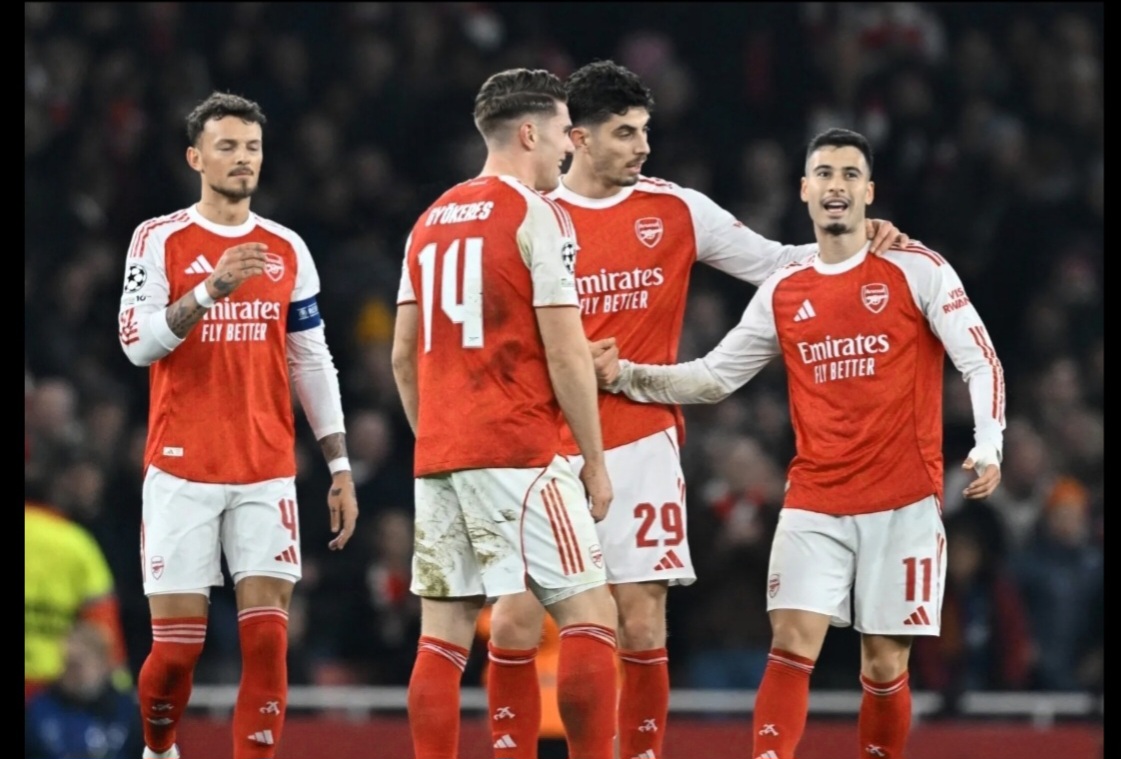
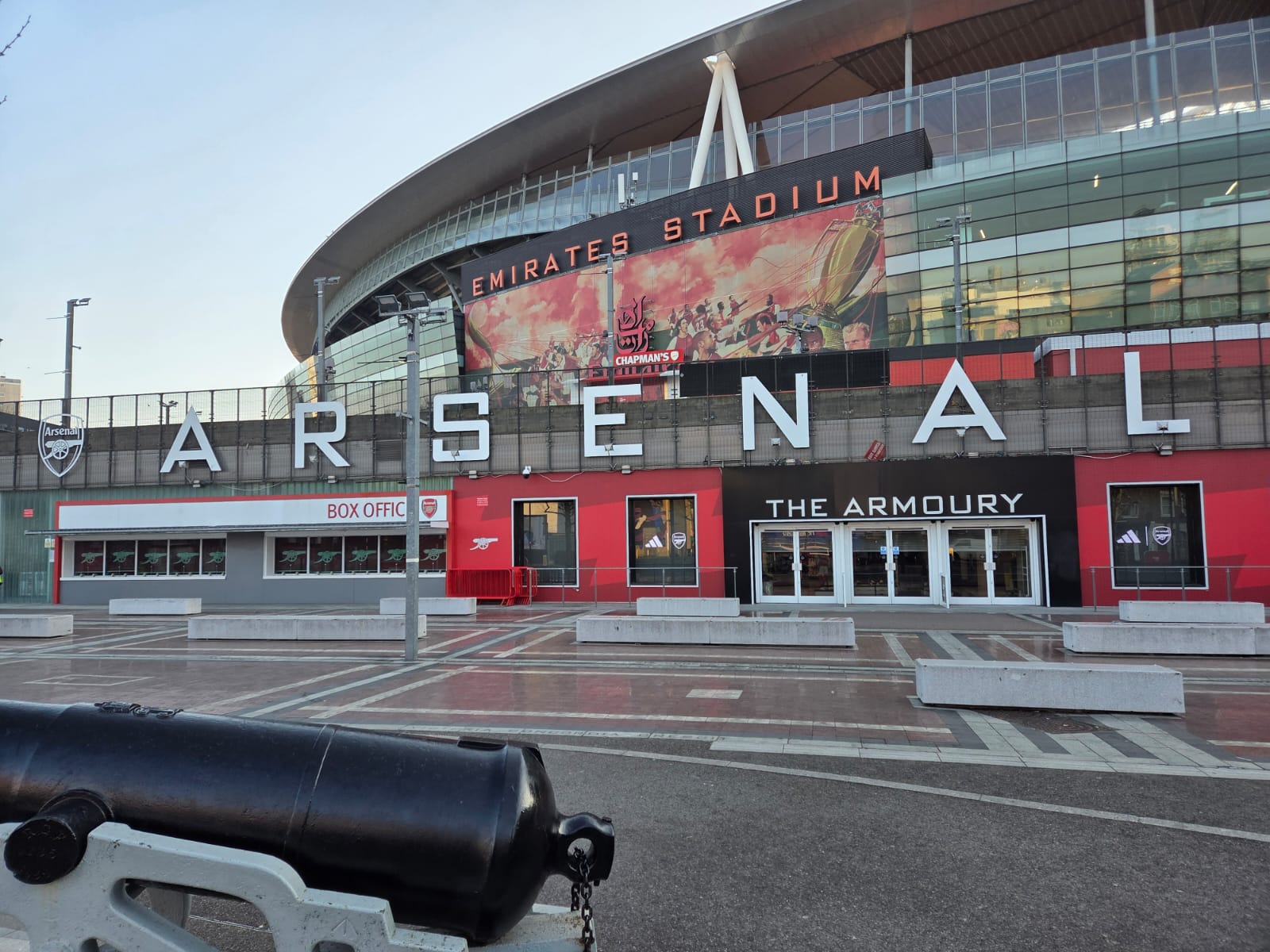
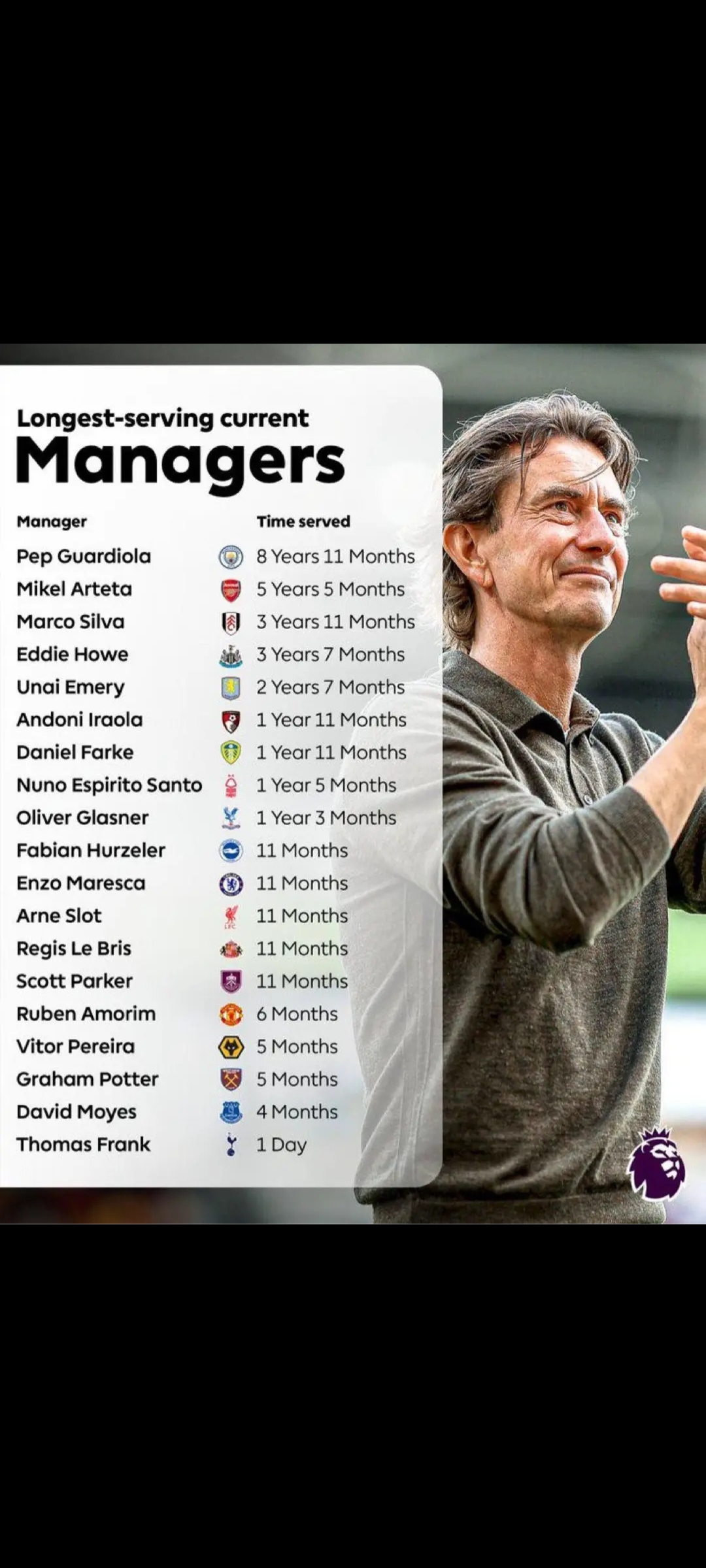
Arsenal overtakes Man Utd in the latest Deloitte Football Money League rankings, marking a significant milestone in the club’s modern history. This shift is more than a mere change in standings—it reflects Arsenal’s remarkable progress on and off the pitch, symbolizing the club’s transformation under Mikel Arteta’s leadership. Over recent seasons, Arsenal has not just improved their performance but has developed into a commercially robust powerhouse, capable of competing financially with some of the biggest clubs globally.
Financial Growth Under Arteta: Beyond Trophies
Since the 2022-2023 season, Arsenal’s upward trajectory has been clear. While the club continues to strive for silverware, their progress is no longer exclusively measured by trophies won. Instead, Arsenal has established itself as a profitable and attractive global brand in its own right. This financial stability has been built on a foundation of consistent string performances, strategic planning, and an enhanced global profile. Even in seasons without major honours, Arsenal has managed to maintain and increase its revenue streams through meticulous commercial growth.
Mikel Arteta’s influence extends beyond tactics and team selection. His vision and steady management have been instrumental in reviving interest and support around the club, prompting growth in sponsorship deals, merchandising, and broadcasting rights. Arsenal’s brand rejuvenation has attracted multinational partnerships, increased matchday revenues, and boosted digital engagement worldwide.
Arsenal Overtakes Man Utd: A Financial Shift Among English Giants
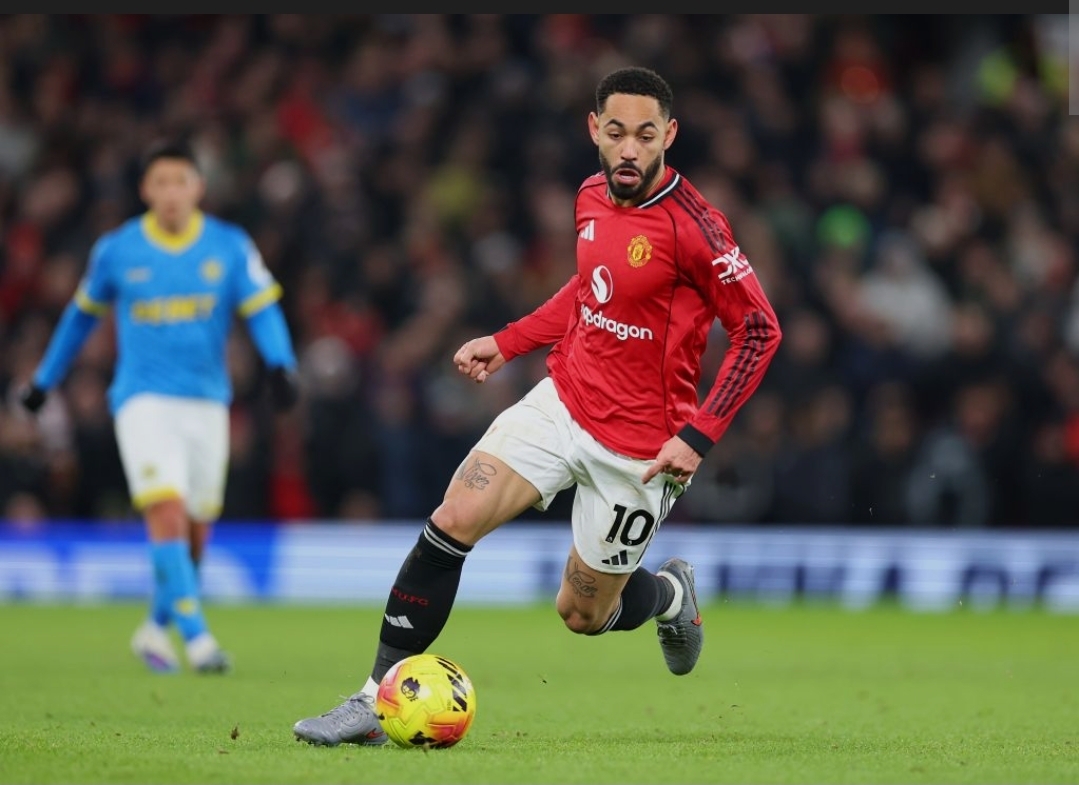
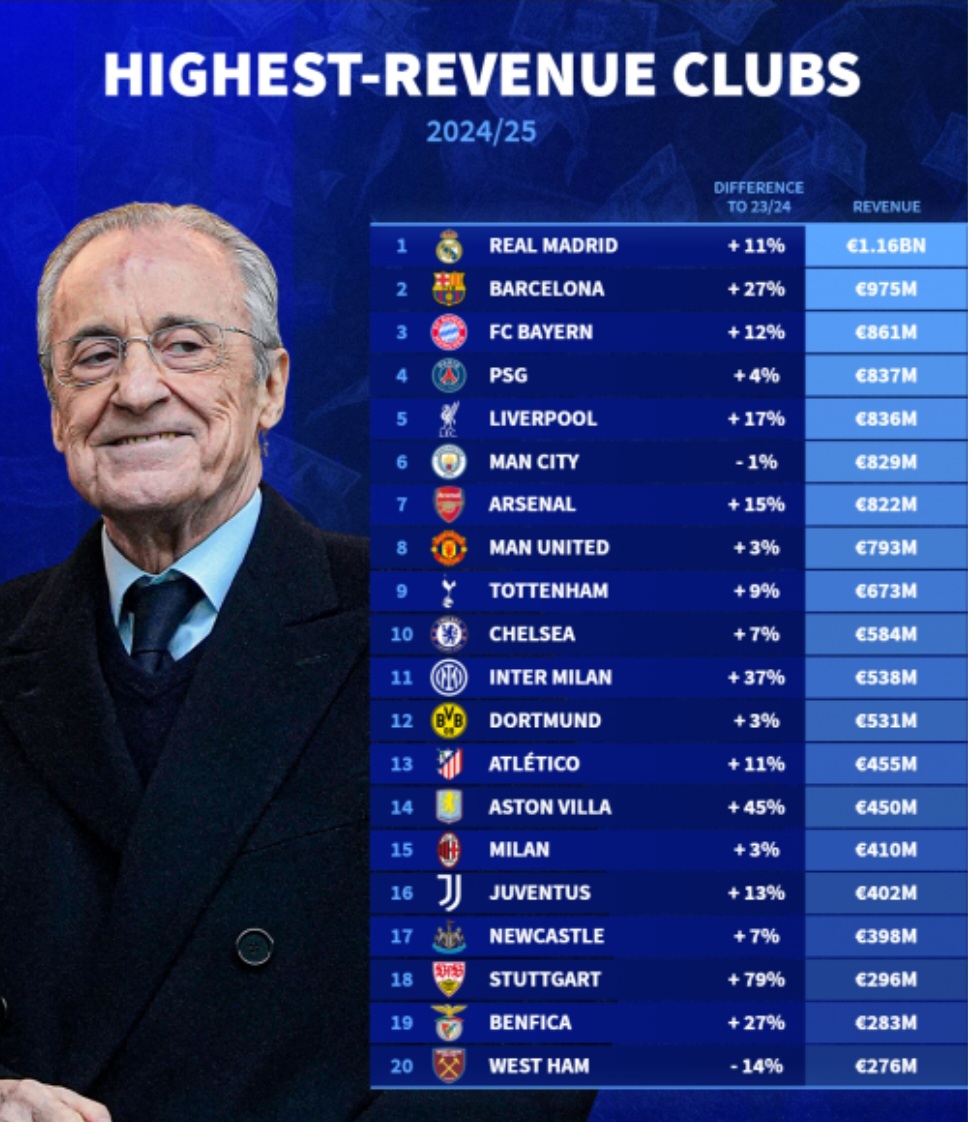
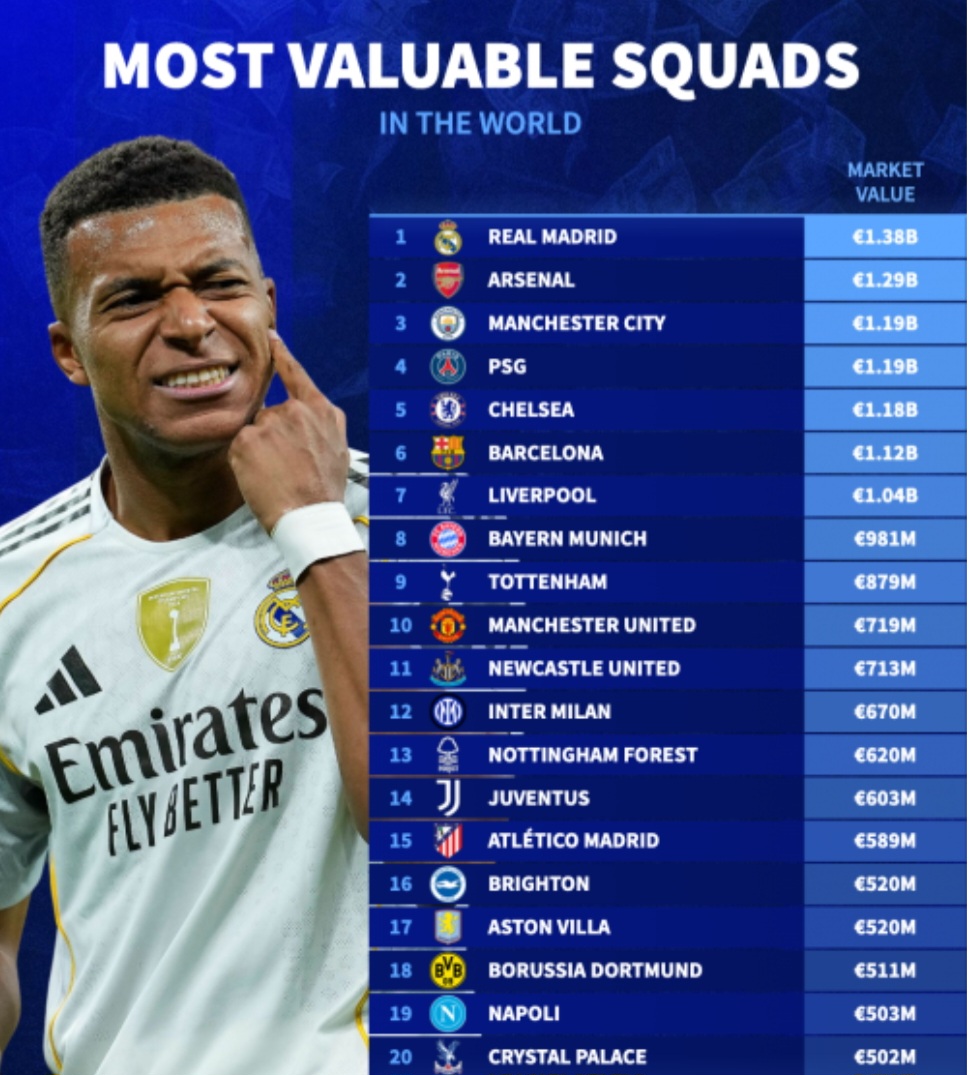
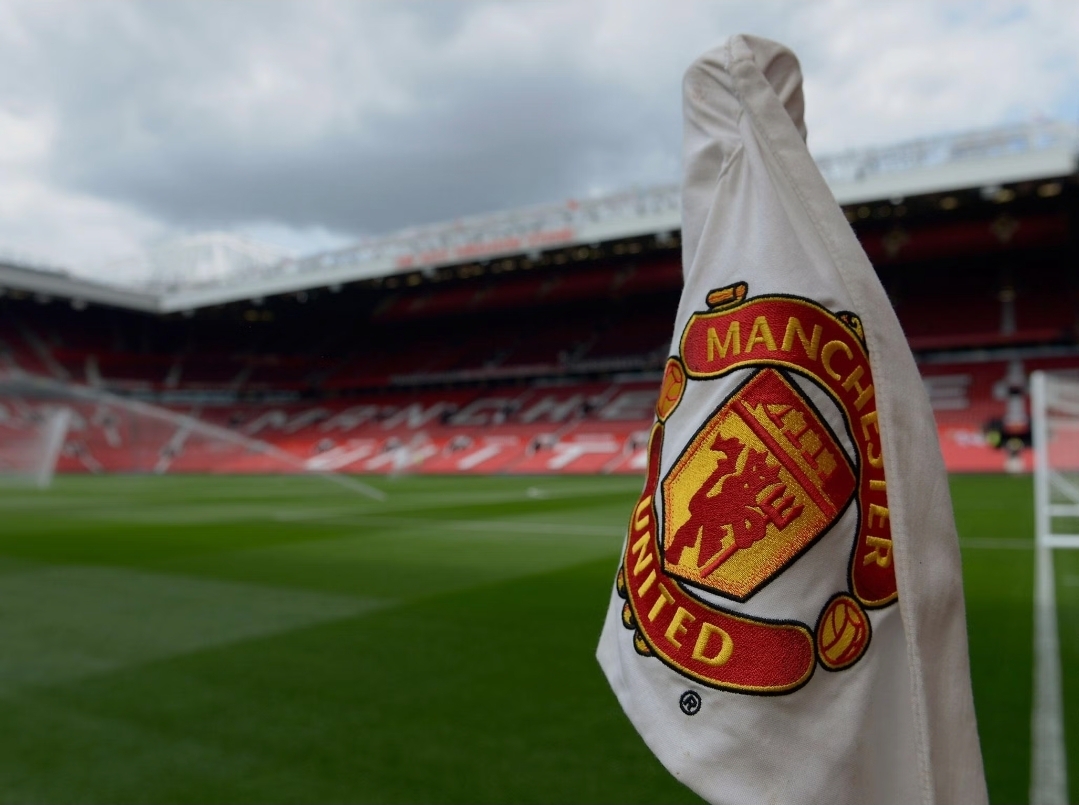
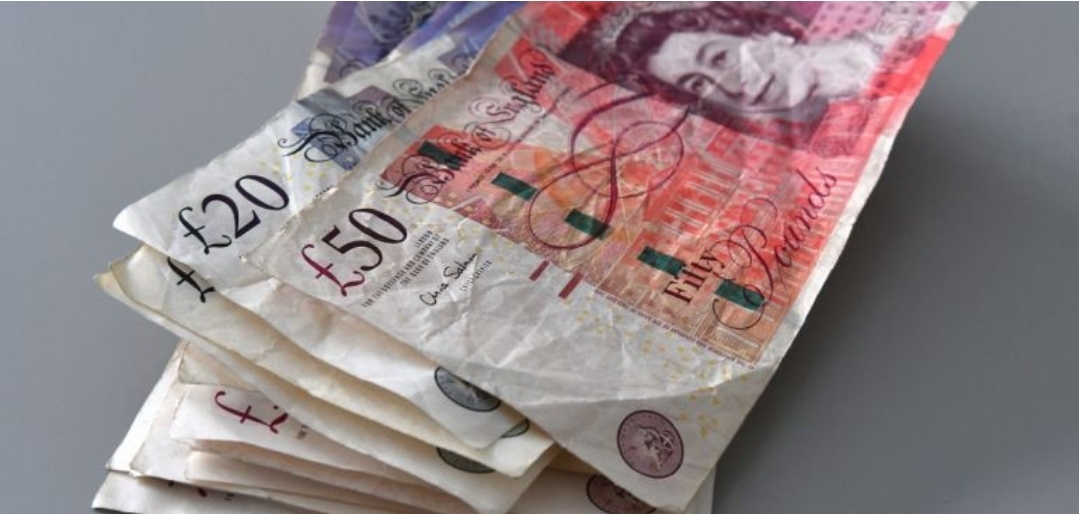
Arsenal’s rise to seventh in the Deloitte Football Money League with £690.2 million in revenue, as reported by Goal, is an extraordinary feat. Particularly when seen in comparison to Manchester United’s £666.5 million, it signifies a clear shift in the financial hierarchy among English football giants. Liverpool and Manchester City, both with revenues surpassing Arsenal, remain the only Premier League clubs ahead in the rankings.
This adjustment in standings is not just a financial footnote—it reflects changing perceptions and realities in English football’s landscape. Manchester United, long considered the benchmark for commercial success and global reach, now faces renewed competition from Arsenal, a club that has successfully fused sporting ambition with business acumen.
Revenue Rise and Key Achievements Fuel Arsenal’s Ascent
Key to this financial growth was Arsenal’s impressive run last season, which significantly boosted both reputation and income. Reaching the UEFA Champions League semi-final and securing a second-place finish in the Premier League raised Arsenal’s profile across Europe, attracting increased broadcasting revenue and commercial opportunities. These successes have translated into tangible financial gains, enabling the club to invest in infrastructure, squad improvement, and global marketing initiatives.
The £690.2 million revenue figure is a testament to Arsenal’s success in converting on-field achievements into business growth. Arsenal now commands considerable financial muscle, allowing them to compete aggressively in the transfer market while maintaining fiscal responsibility—a combination that bodes well for sustainable success.
Strategic Investment: Building for the Future
Arsenal’s financial strength has allowed them to pursue an ambitious transfer strategy. The summer transfer window saw the club complete several high-profile signings, reflecting long-term planning rather than impulsive, high-risk spending. This approach emphasizes sustainability, a hallmark of modern football clubs seeking to balance competitive success with economic prudence.
By investing wisely in talent and infrastructure, Arsenal intends to build a squad capable of competing consistently in both domestic and European competitions. This measured strategy ensures that the club remains competitive while safeguarding its financial future, a delicate balance that many football institutions struggle to maintain.
Arsenal’s Path Forward: Confidence and Potential for Growth
The club enters the current season with growing confidence and strong momentum. The rise in the Deloitte Football Money League rankings confirms that Arsenal’s long-term project is on course and that their strategy is yielding results. If Arsenal manages to claim a major trophy soon—ending a notable wait since 2020—it could trigger further financial and sporting benefits, including increased global interest and further revenue growth.
Regardless of how the current campaign unfolds, Arsenal’s improved financial standing provides a sturdy foundation for future success. The club’s global brand is stronger than ever, its commercial appeal continues to rise, and its position among the elite of world football is increasingly secure.
Financial Growth Under Arteta: Setting the Foundations for Success
Since the 2022-2023 season, Arsenal has been on a pronounced upward trajectory, combining improved performances with credible financial gains. This progress highlights how modern football clubs are evolving, where success is measured beyond just the number of trophies won. While silverware remains a coveted goal, Arsenal’s ability to generate substantial revenue and bolster their brand value demonstrates the broader dimensions of success.
Arteta’s influence goes beyond tactics and training sessions. The club’s strategic approach to improving consistency on the pitch has been carefully mirrored behind the scenes by strengthening commercial partnerships and expanding their global fanbase. This balanced growth has been essential in positioning Arsenal as one of the most attractive clubs globally for sponsors, investors, and top-tier talent alike.
Revenue Rise and Deloitte Rankings: Arsenal’s Ascendancy
The financial achievements last season played a pivotal role in Arsenal breaking past Manchester United in the Deloitte Football Money League—a ranking that lists football clubs by annual revenue. Arsenal generated an impressive £690.2 million, enabling them to secure seventh place, a noteworthy jump above Manchester United’s £666.5 million. This shift not only rearranges the commercial pecking order but also signals a broader change in power dynamics within English and global football.