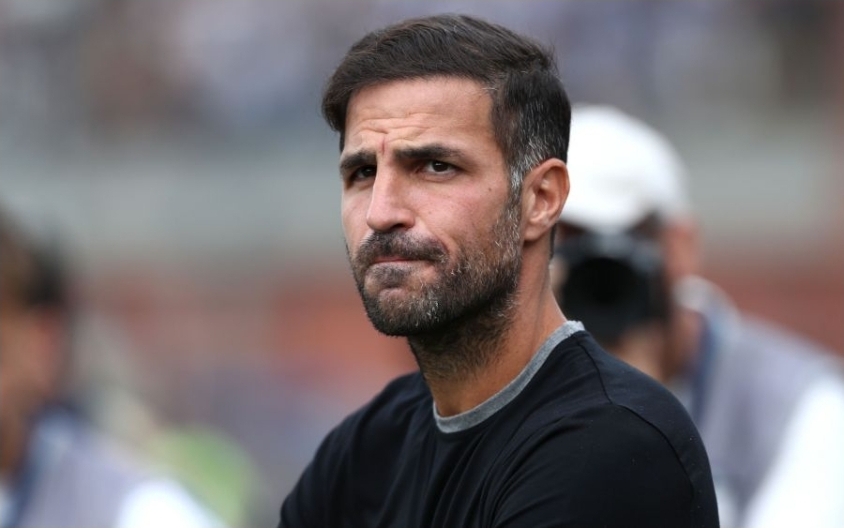
Como President: Fabregas Will Help Choose His Replacement When Coach Decides to Leave
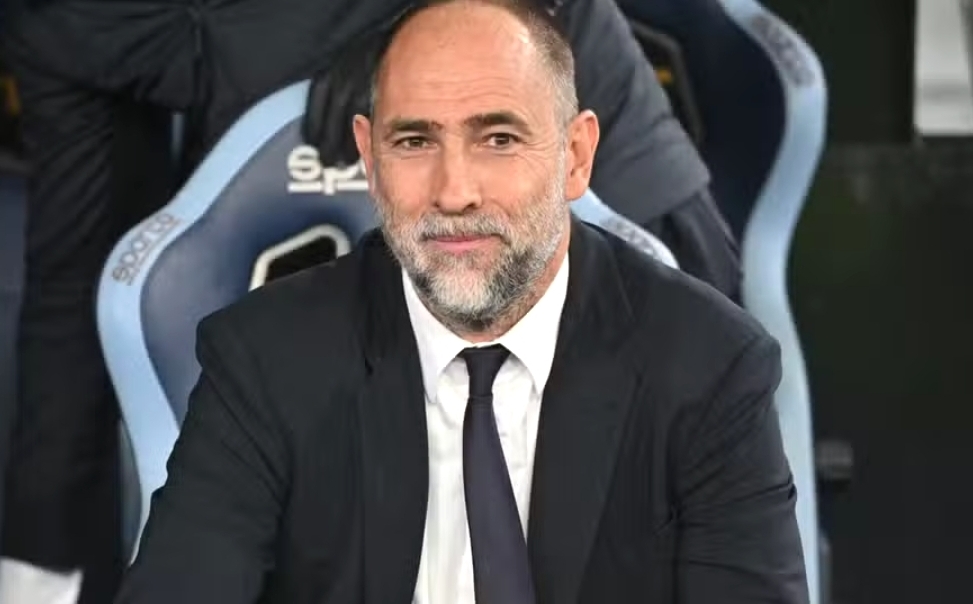
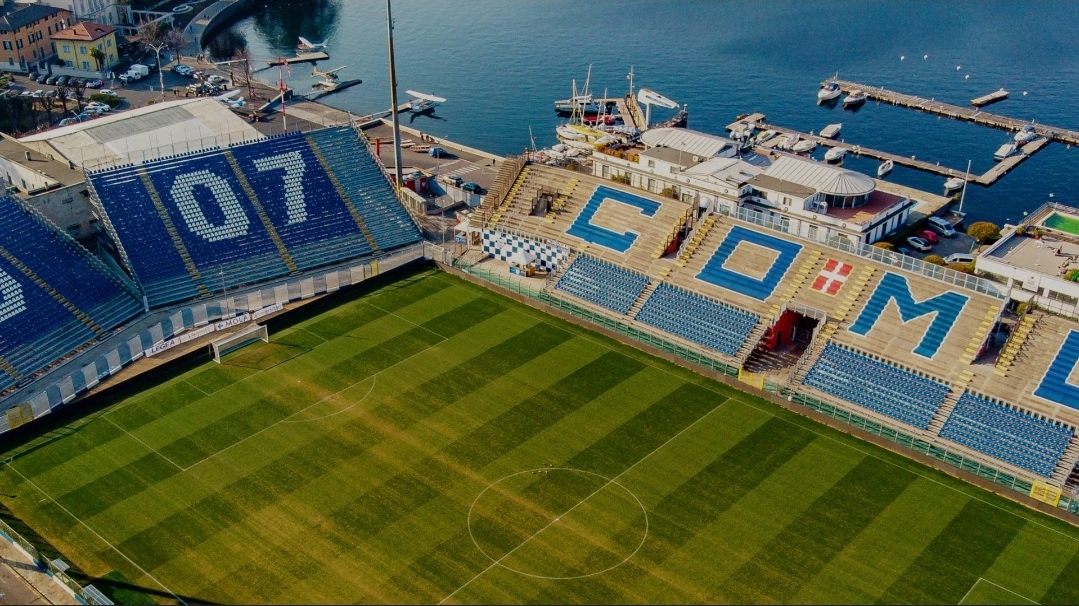
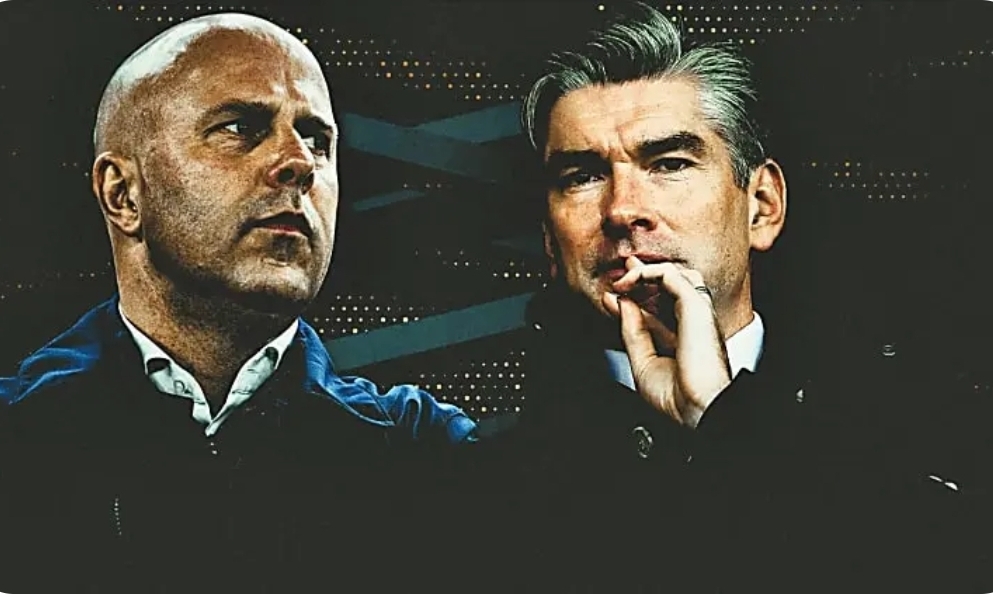
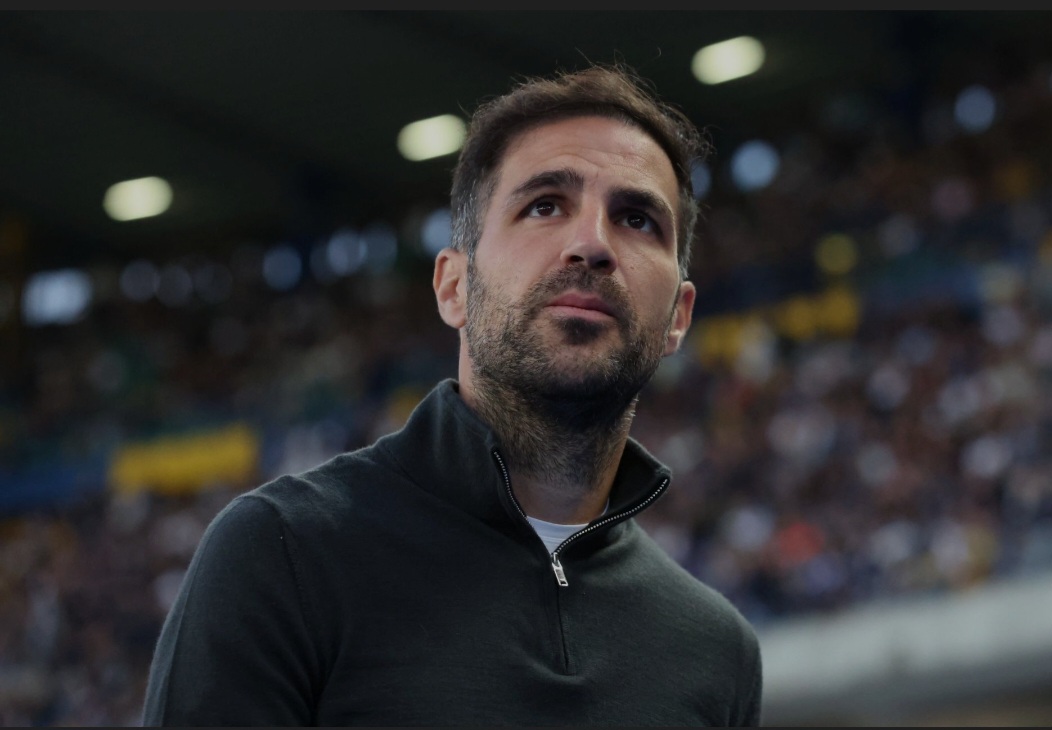
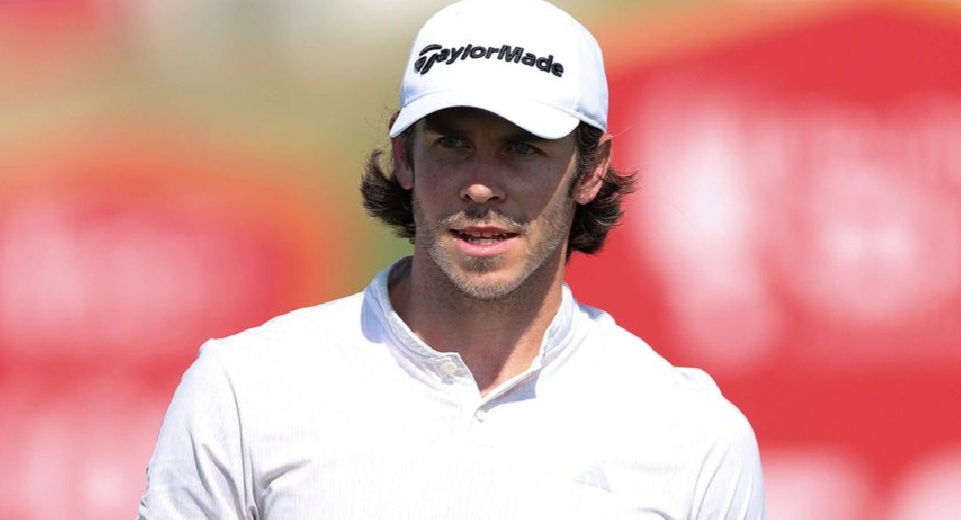
Como president Mirwan Suwarso has emphasized the club’s dedication to long-term planning and stability, explaining that head coach Cesc Fabregas is integral not only to the current success of the team but also to its future direction. In a recent interview with Sportitalia, Suwarso shed light on how Como’s ownership and management structure put a strong emphasis on continuity, embodying a philosophy that transcends short-term decisions. Central to this approach is the role Fabregas plays in succession planning, particularly regarding who will take over as head coach when the time comes.
Como’s Commitment to Long-Term Stability
Mirwan Suwarso’s vision for Como goes far beyond tactical strategies or immediate game results. He is fully aware that football clubs, like any dynamic organization, must prepare for inevitable change. “I don’t think there is any permanence in any business, not just football,” Suwarso said. This candid acknowledgment highlights the practical understanding that leadership roles evolve, and preparing for succession is vital to maintaining balance and avoiding sudden disruptions.
This philosophy informs how the club manages all executive roles within the organization – not just the head coach position. Suwarso revealed that Como has a well-established succession plan for every key role, including the CEO and other top executives. Such efforts ensure that the club’s identity, culture, and operational efficiency are preserved over time.
Fabregas’ Role in Succession Planning
One of the most intriguing elements of Como’s strategic framework is how deeply involved Cesc Fabregas is in the club’s future. Unlike many head coaches who simply focus on matchday preparations and player management, Fabregas holds a unique position at Como. He is not only the head coach but also a shareholder and a key architect of the club’s football philosophy.
Because of this multifaceted role, the Como president asserts that Fabregas has a vital responsibility when the coaching baton needs to be passed. “Cesc is not just a coach, but a shareholder and someone who built the club’s football philosophy,” Suwarso explained. “So he, of all people, must help choose who replaces him one day if he decides to go.” This arrangement fosters a sense of ownership and ensures that the coaching successors share the same vision and values that Fabregas helped cultivate.
Why Succession Planning Matters in Football
Succession planning is often overlooked in football, where rapid managerial changes are common, sometimes driven by short-term performance pressures or market dynamics. However, Como’s more thoughtful and systematic approach provides an example of how clubs can avoid the pitfalls of instability and get better results both on and off the pitch.
By identifying and grooming potential successors in advance, clubs avoid sudden power vacuums that can derail team cohesion or strategic initiatives. This is especially important in modern football, where the right coach or executive can deeply influence player development, recruitment policies, tactical identity, and community engagement.
Furthermore, involving a successful figure like Fabregas in the search for his successor guarantees continuity in the club’s playing style and culture. It also shows trust in the leadership process, giving players, staff, and fans confidence in the club’s direction.
Como’s Broader Sustainable Business Model
The president’s comments also highlight a broader club philosophy. Under Suwarso’s leadership, Como has positioned itself not as a fleeting project but as an institution committed to sustainability and longevity. The owner asserts that this mindset isn’t limited to football but extends to every level of business governance within the club.
“I even have a replacement already identified,” Suwarso disclosed, illustrating how practical and proactive this leadership mindset is. Such preparation ensures that the club remains resilient in the face of inevitable changes in personnel or circumstances.
This approach extends to youth development, financial management, and community relations, which collectively work to safeguard Como’s long-term identity. It embodies a model where every individual is considered part of the club’s ecosystem, trained and prepared to step up when the moment calls.
Conclusion
Como president Mirwan Suwarso’s vision, featuring Cesc Fabregas as both a leader and a key decision-maker in succession planning, sets a compelling example of forward-thinking football governance. Rather than relying on reactive, short-term fixes, the club embraces a sustainable approach built on careful preparation and stability.
Fabregas’s involvement in choosing his eventual replacement is not just a signal of respect for his contributions but also a strategic move to reinforce Como’s football philosophy and corporate culture. This model might well serve as a blueprint for other clubs aiming for enduring success on and off the pitch. By balancing ambition with foresight, Como aims to maintain its identity while navigating the ever-changing landscape of football management.
There’s a funny story at the end.
The Great Egg Prank
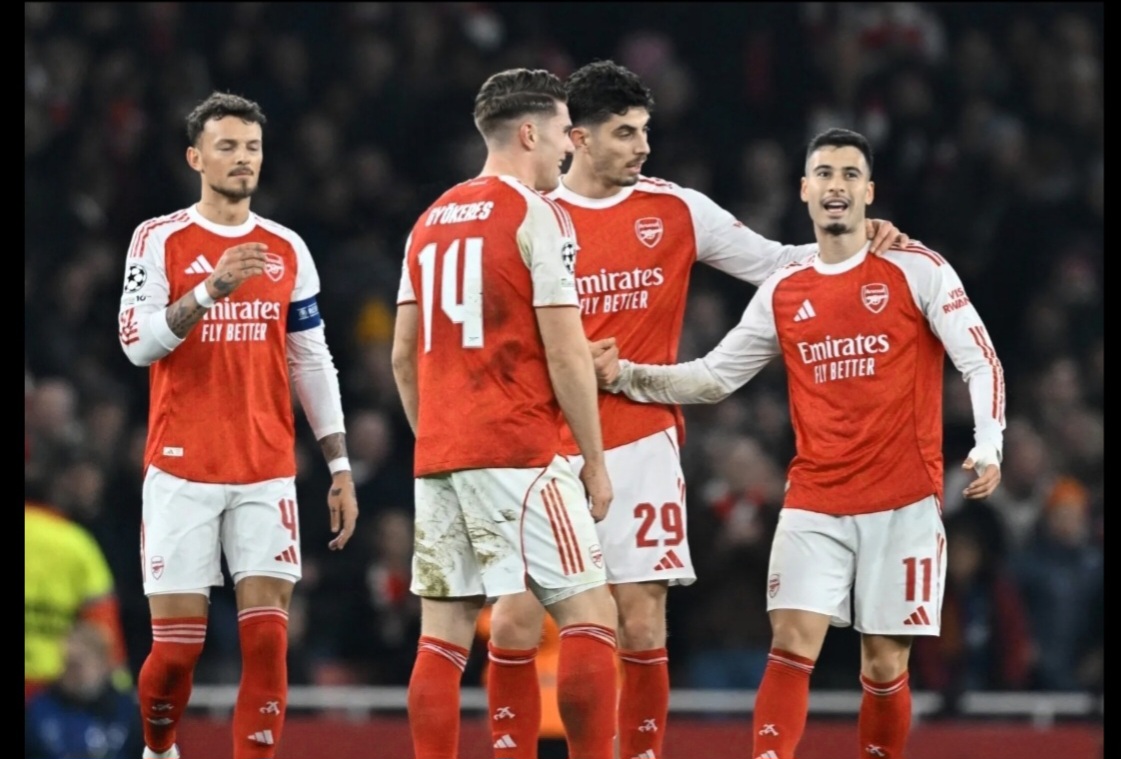
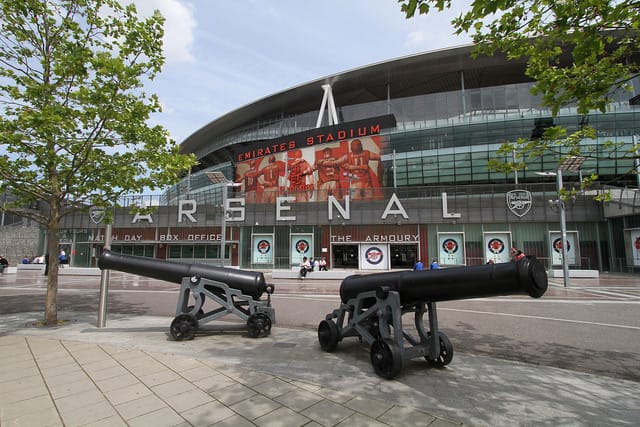
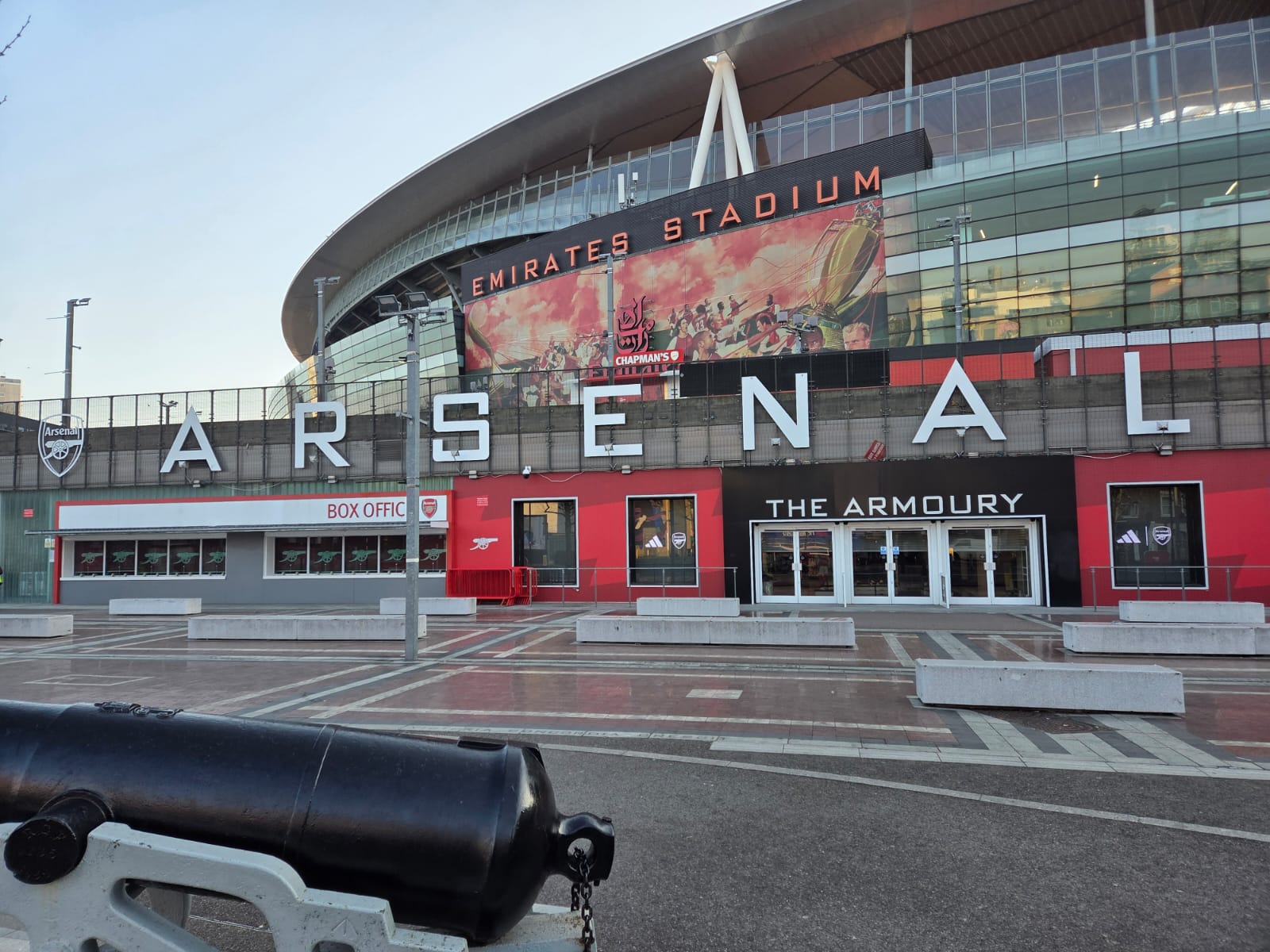
Back when Fàbregas was playing for Arsenal, he had a reputation for being a mischievous prankster. One day at the training ground, he decided to strike.
He showed up early before everyone else, went into the locker room…
…and hid raw eggs inside the socks of several teammates.
Then he sat quietly, pretending nothing was going on. One by one, his teammates arrived, got changed, and started pulling their socks on—only to feel something strange inside. By the time they realized what was happening…