Crystal Palace Chairman Parish Reveals ‘Early’ Talks Over New Glasner Deal
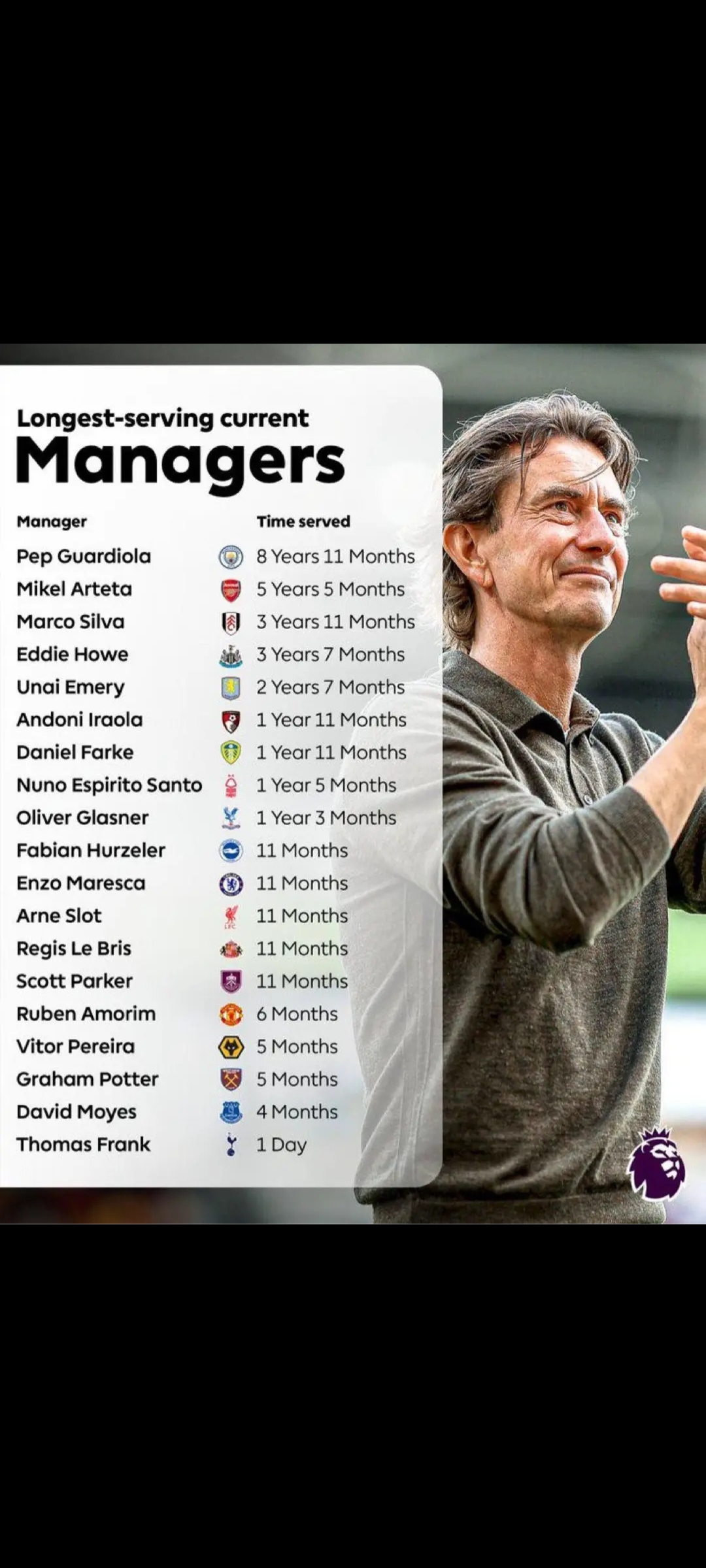
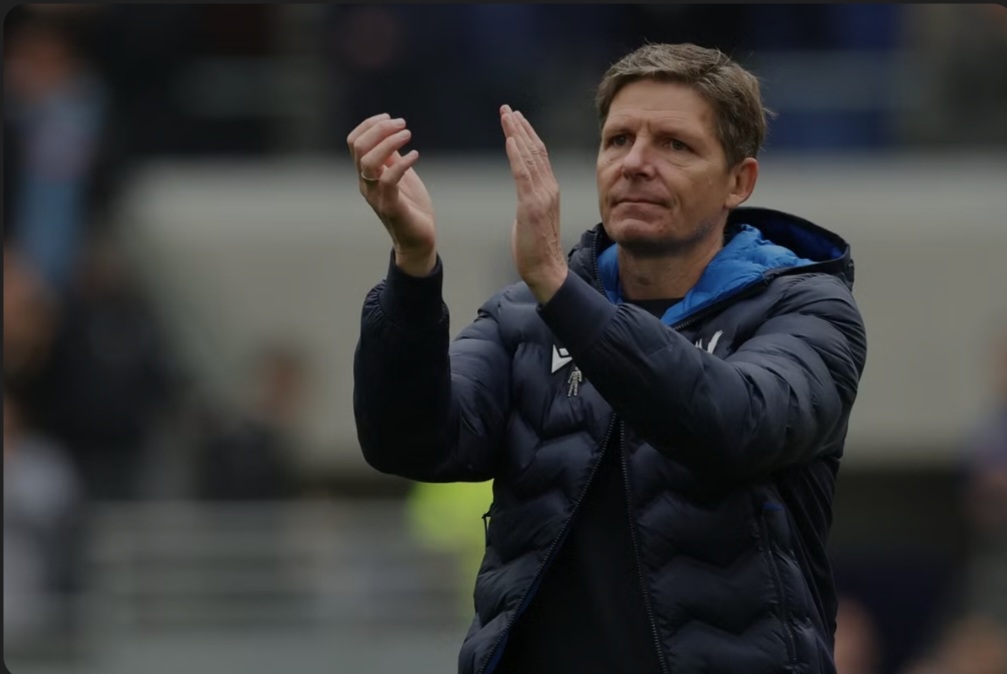
Crystal Palace chairman Steve Parish has shed light on ongoing “early” discussions regarding a new contract for manager Oliver Glasner. The Austrian coach, whose current deal is set to expire in June, has recently been linked with a potential move to Manchester United. Amid such speculation, Parish’s comments signify the club’s commitment to retaining Glasner and continuing their promising project.
Early Conversations Signal Palace’s Commitment to Glasner
Steve Parish openly acknowledged that Crystal Palace has initiated preliminary talks with Oliver Glasner about extending his stay at Selhurst Park. Speaking to talkSPORT, Parish said, “We’ve had some early conversations. We’d love to keep Oliver. We’re building something.” This revelation indicates that the club values Glasner’s leadership and sees him as pivotal in its future ambitions.
The notion of “early” discussions is important here. It suggests Palace are planning proactively rather than reacting to external pressures or letting the contract run down without addressing the situation. Early negotiations can help secure continuity at the managerial level, which in turn can stabilize the squad and build long-term success.
Understanding Glasner’s Ambitions
From Parish’s statements, it’s clear that any potential new deal has to meet Glasner’s professional aspirations and the working conditions he desires. The chairman said, “I think for Oliver it’s about the conditions being right… it’s about everything being in a way that he enjoys his work and he finds the conditions favourable to achieve.” This highlights an important facet of modern football management—success isn’t just about salary or tenure but also about an environment that supports the manager’s vision and style.
Glasner’s ambitions to win trophies were emphasized as well. Parish noted, “Oliver wants to win things. If we can align those interests, then hopefully we can make something happen.” This comment is crucial because it underscores Glassner’s competitive mindset, a trait every top club seeks in a manager. For Crystal Palace, aligning the club’s objectives with Glasner’s personal goals could lead to a highly fruitful partnership.
Glasner’s Impact at Crystal Palace
Oliver Glasner’s arrival at Crystal Palace has been met with optimism. Known for his tactical nous and disciplined approach, the Austrian has already begun instilling a winning mentality within the squad. Under his leadership, the team has shown improvements in structure and resilience, key qualities needed for sustained success in the Premier League.
The plans being “built” at Palace, as Parish mentioned, seem to revolve around creating a solid foundation that can challenge mid-to-upper table teams while pushing for European qualification. Retaining Glasner could be instrumental in avoiding the instability that often comes with managerial turnover.
The Manchester United Link and Its Implications
Rumors linking Glasner to Manchester United have added an extra layer of complexity to contract talks. With such a high-profile club reportedly interested, Crystal Palace faces the challenge of convincing their manager that his future lies with them.
However, Parish’s measured approach in public comments suggests that the club isn’t intimidated by the speculation. The focus remains on aligning mutual interests rather than engaging in a bidding war. This approach can be reassuring for fans, indicating a serious commitment to their current manager.
Looking Ahead: What a New Deal Could Mean for Palace
Securing Oliver Glasner on a new contract could mark a defining moment for Crystal Palace. Stability at the managerial level has historically translated into on-field success across top clubs. Glasner’s vision and style have potential to elevate the team’s performance, attract promising players, and foster a culture of ambition and achievement.
This step also sends a message to the Premier League about Palace’s intent to be competitive. Investing in Glasner’s future at the club aligns with the overall strategy of building a strong and consistent team primed for progress.
Conclusion
Steve Parish’s revelation about “early” talks over a new deal for Oliver Glasner signals Crystal Palace’s determination to keep hold of their influential manager amid external interest. By focusing on shared objectives, ensuring favorable conditions, and recognizing Glasner’s desire to win trophies, Palace aims to secure a future where both club and coach can thrive. Supporters will be eager to see how negotiations unfold but can take heart that their club is planning ahead to maintain upward momentum in the Premier League.
Oliver Glasner is considered a very good coach. But “good” is always context-dependent (the club, resources, expectations). Here’s a balanced take on his strengths, weaknesses, and how he’s done so far.
✅ Strengths & What Makes Him Stand Out
1.Tactical intelligence & structure
•Glasner is often praised for being a “systems coach” — someone who drills his team to understand their roles, phases (possession, transition, defense), and to move as a coherent unit.
•He doesn’t rely solely on rigid templates; there is tactical flexibility built into his setups.
2.Strong record in varied environments
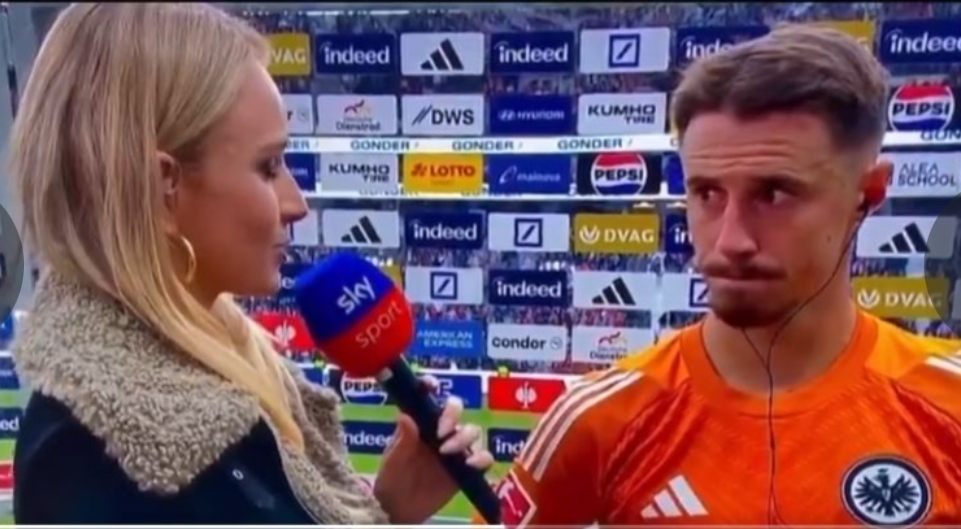
•At Eintracht Frankfurt, he won the UEFA Europa League.
•He also delivered in club competitions across Austria and Germany (with LASK, Wolfsburg) before his move to England.
•At Crystal Palace, he’s already won the FA Cup (their first major trophy) under his management.
•His teams often punch above their weight, especially in knockout or high-profile matches.
3.Ability to elevate clubs
He tends to improve teams rather than merely maintain them. For instance, Palace had not won a major trophy before, and under him they have.
Also, his clubs have made strides in European competition under his reign.
⚠️ Potential Weaknesses / Risks
1.Relationships & clashes behind the scenes
His time at Wolfsburg ended partly due to friction with the sporting director (Jörg Schmadtke) and some players.
That suggests that, when expectations or egos come into play, he may be less willing to compromise.
2.Resource constraints
Success often depends partly on the resources available (player quality, transfers, infrastructure). In clubs where he doesn’t have full control (or buy-in on transfers), his impact might be limited.
🎯 Verdict
Overall, I’d say yes, he is a very good coach, and one with high upside. He brings tactical smarts, strong management, and proven success in different leagues. The questions around him mostly concern fit — how well he meshes with club structure, how much control he has, and how well he adapts in different modes (possession vs counter).