Daniel Levy Steps Down as Tottenham Chairman After Divisive 25-Year Tenure
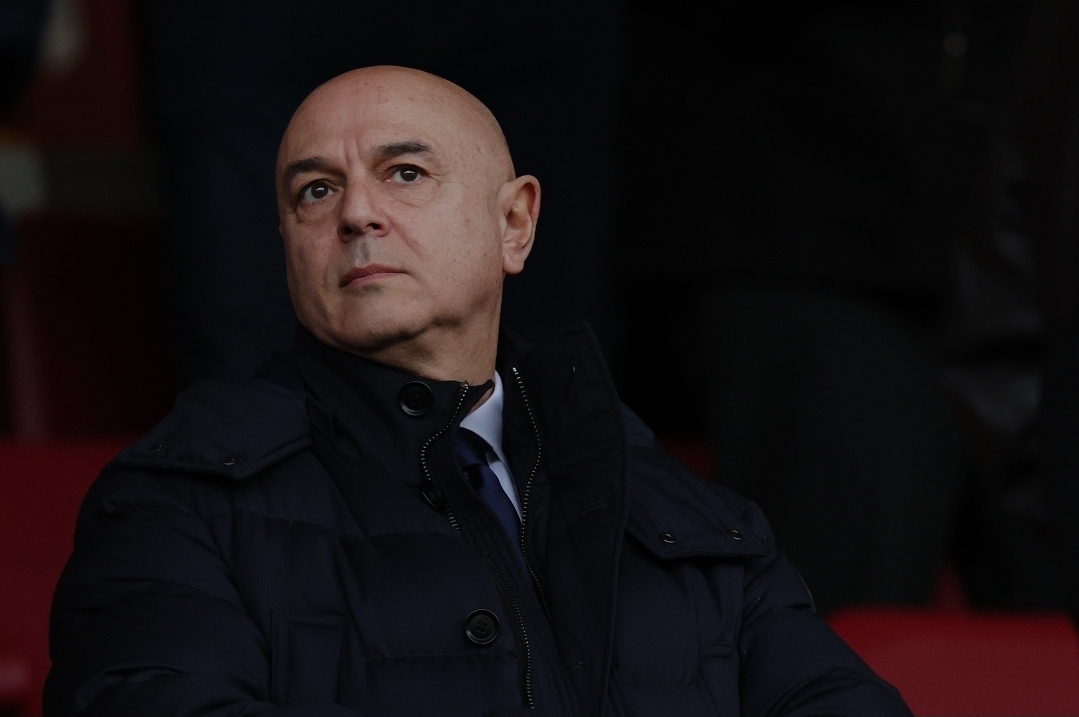
Daniel Levy steps down as chairman of Tottenham Hotspur, closing a significant chapter in the club’s history after a remarkable 25 years at the helm. His departure marks the end of an era defined by ambition, controversy, and transformation. Throughout his tenure, Levy was both praised for his business acumen and criticized for decisions that often divided opinion among fans and stakeholders alike. This article explores the legacy he leaves behind, the highs and lows of his leadership, and what his exit could mean for Tottenham’s future.
The Rise of Daniel Levy: From Young Executive to Tottenham Chairman
Levy’s journey began in the late 1990s when he was appointed as a club director, quickly establishing himself as a sharp and determined executive. At just 28 years old, he was relatively young for such a significant position in English football, yet he rapidly ascended to the chairmanship by 2001. His arrival heralded a new era for Tottenham, which was then struggling both on and off the pitch.
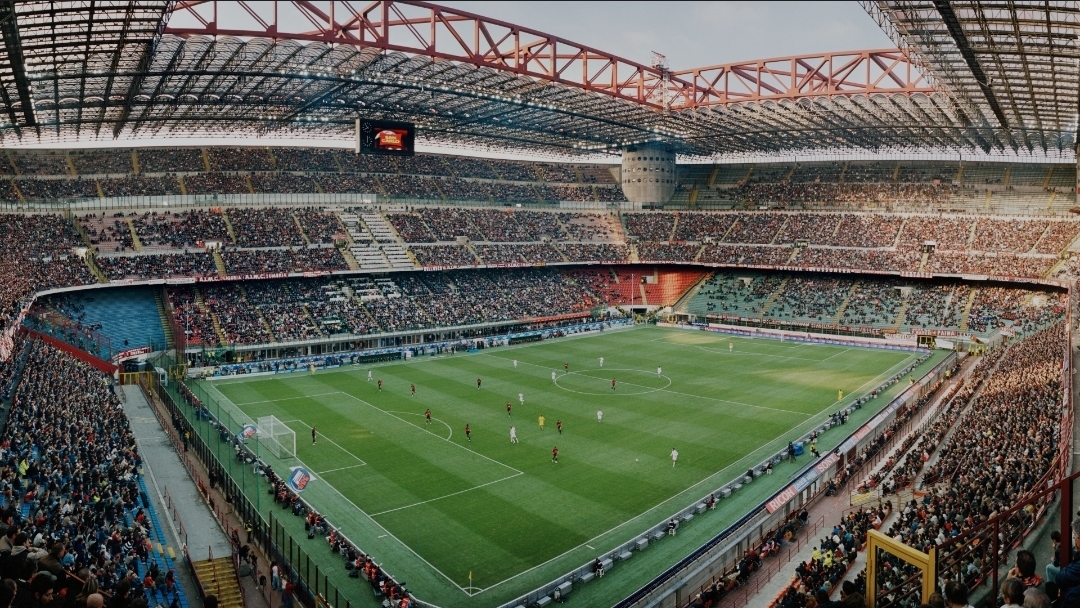
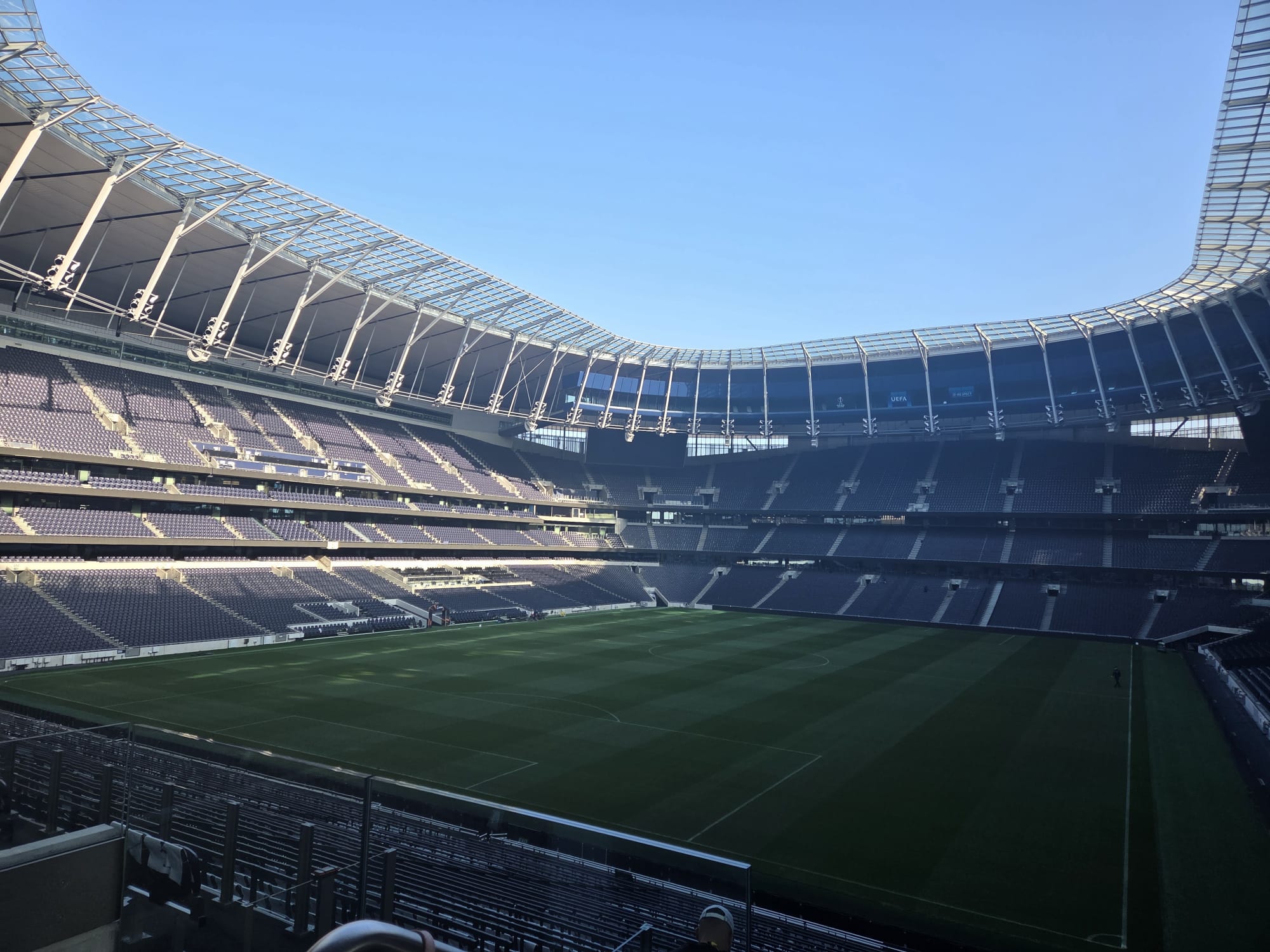
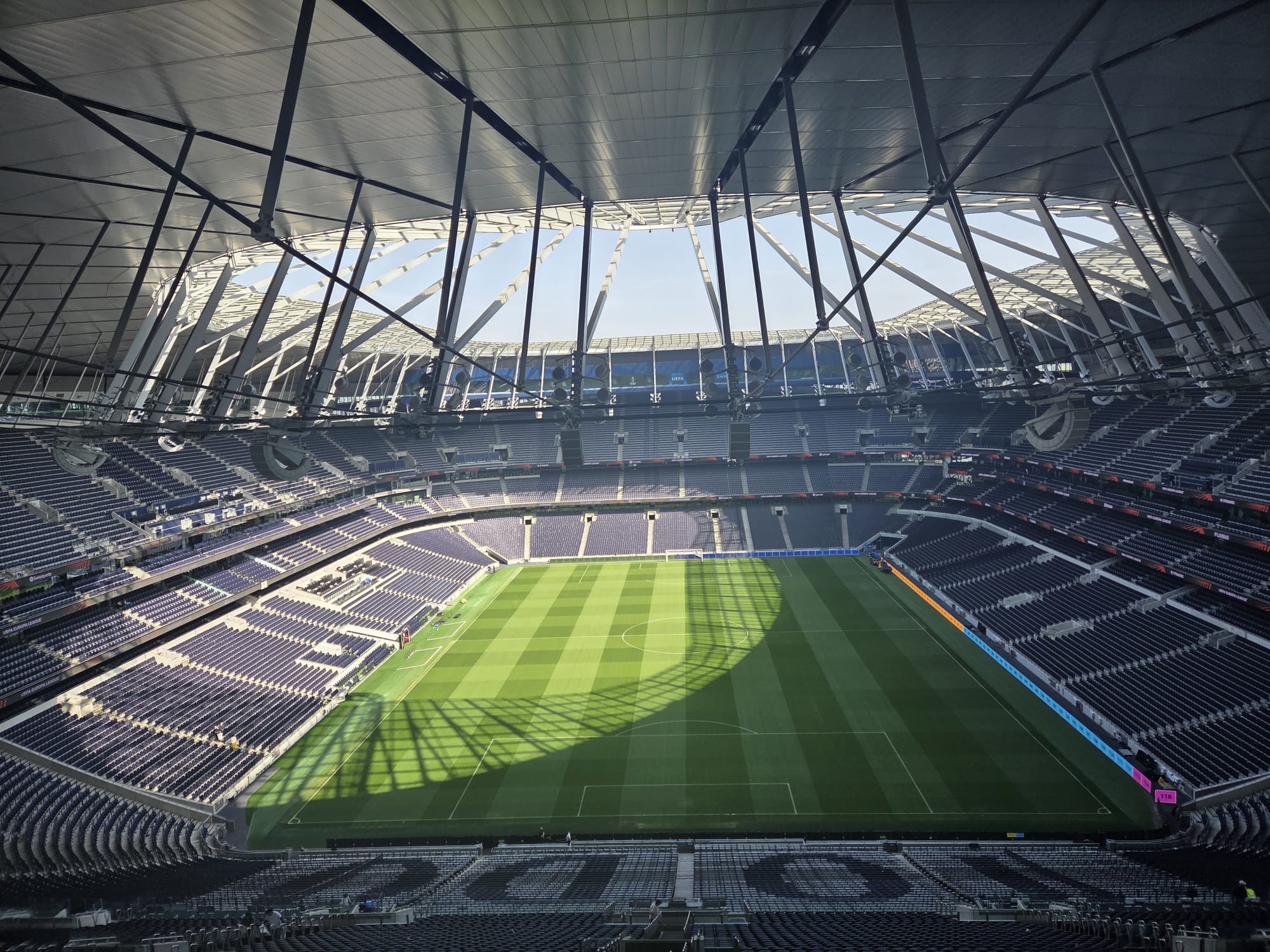
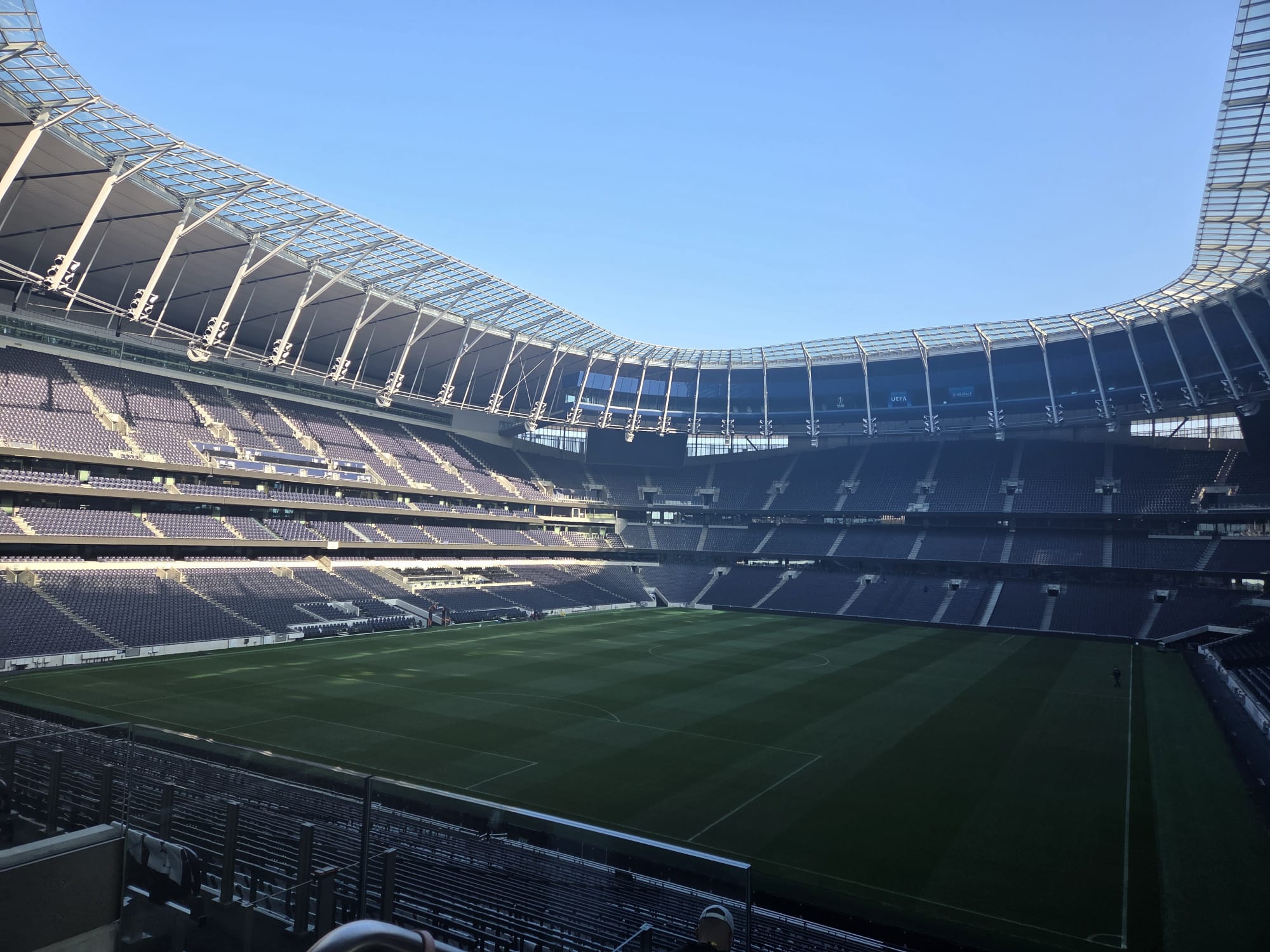
Over the next two and a half decades, Levy focused on making Spurs a competitive force domestically and internationally. His business-minded approach revolutionized the club’s operations, spearheading financial growth and infrastructural development. Under Levy’s leadership, Tottenham invested in the state-of-the-art Tottenham Hotspur Stadium, a landmark in North London, symbolizing the club’s ambition and modernity.
Transformative Impact with a Polarizing Style
One of the most defining aspects of Levy’s tenure was his analytical and sometimes ruthless approach to transfers and negotiations. He became known for securing favorable deals for Tottenham, often turning them into one of the most profitable clubs in the Premier League’s transfer market. Nevertheless, this approach earned him a mixed reputation. While some applauded his sheer shrewdness in business, others saw him as overly cautious or inflexible, especially when it came to spending on players.
Levy’s stewardship coincided with some of Tottenham’s most successful spells, including regular Champions League qualifications and challenging the traditional “top six” dominance. However, critics frequently pointed to a perceived inability to push Spurs over the finish line, citing missed opportunities in key moments and hesitancy in the transfer market that arguably held the team back from securing silverware.
Key Moments That Shaped His Divisive Tenure
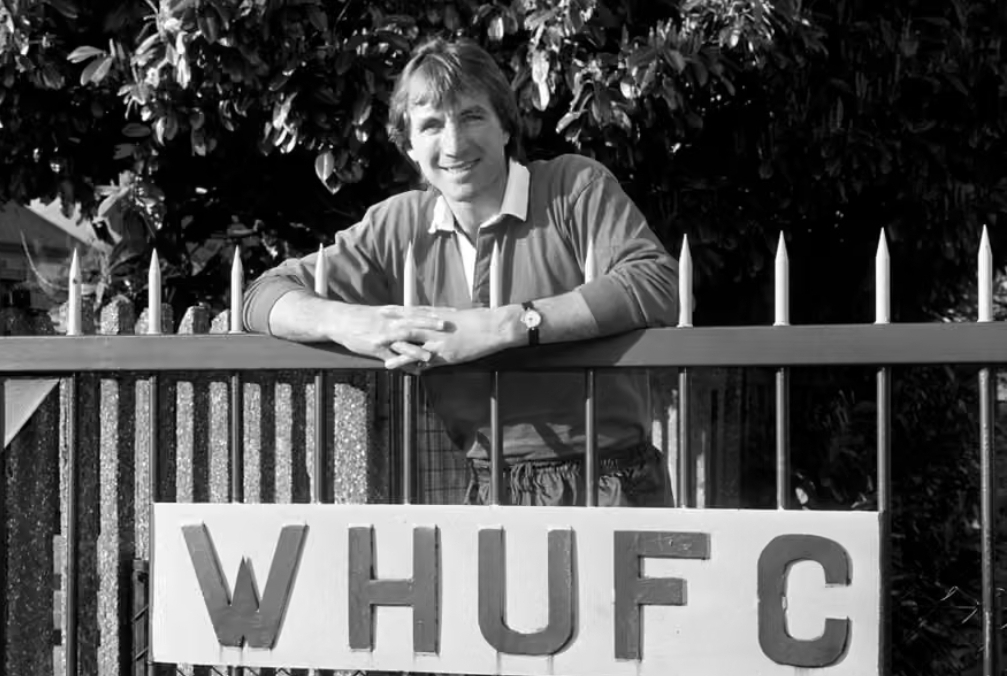
Several events stand out as pivotal during Levy’s administration. The move from White Hart Lane to the new stadium was a massive achievement, but also a source of financial pressure and debate. The timing and cost of the stadium project sometimes strained the club’s transfer activities, leading to frustration among supporters eager for marquee signings.
Additionally, Levy’s handling of managerial appointments attracted both praise and skepticism. From Martin Jol to Mauricio Pochettino and José Mourinho, Tottenham’s managerial carousel reflected Levy’s desire for sustained progress, yet the rapid turnover suggested impatience or a lack of a clear long-term vision.
Perhaps one of the most contentious issues was Levy’s negotiation style with players and agents. His reputation for hard bargaining and careful contract management, though fiscally responsible, sometimes alienated fans when key talents departed or reinvestment seemed insufficient.
What Does Daniel Levy’s Departure Mean for Tottenham?
With Daniel Levy stepping down, Tottenham faces a critical juncture. His successor inherits a club equipped with modern facilities, solid financial footing, and a loyal fan base hungry for trophies. However, the challenge lies in balancing business efficiency with on-pitch ambition. The new chairman will need to maintain the commercial strengths Levy helped build while fostering a footballing environment that can finally convert potential into consistent silverware.
Fans and analysts alike will be watching closely to see if Tottenham continues with the pragmatic, cost-conscious strategy that defined Levy’s era or opts for a bold, high-investment path aiming for glory. The club’s future transfer policy, managerial appointments, and overall vision could shift dramatically, depending on the new leadership.
Reflecting on a Legacy of Progress and Controversy
Daniel Levy’s departure invites reflection on a quarter-century of stewardship characterized by both considerable progress and contentious decisions. He transformed Tottenham from a mid-table Premier League club into a respected global brand, equipped with a world-class stadium and infrastructure. Yet, his tenure also highlighted the complexities of balancing financial stability with competitive success, a tension that resonates across modern football.
Ultimately, Levy’s impact will be measured not only by trophies won but by the foundation he laid for Tottenham’s future. His 25 years encapsulate the evolving nature of football’s business landscape, where club chairmen need to be as savvy in boardrooms as their teams are on the pitch.
As Tottenham embarks on this new chapter, the legacy of Daniel Levy will undoubtedly remain a touchstone for fans, analysts, and the club itself—reminding all just how transformative, and divisive, one individual’s stewardship can be in the beautiful game.