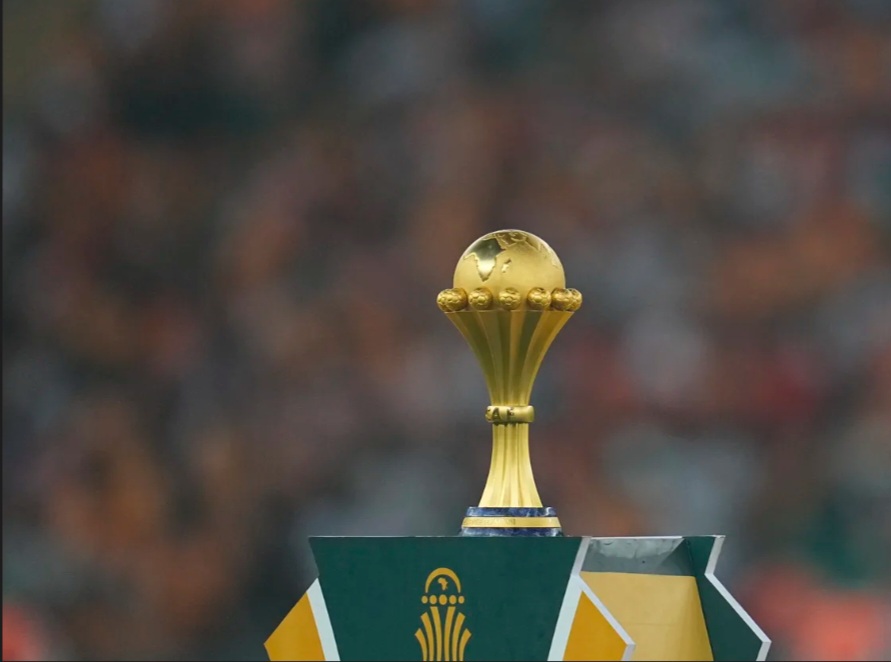
When Morocco played Senegal in the final of the Africa Cup of Nations, an unexpected sight caught the attention of many football fans and observers alike—the European Union (EU) flag alongside the logo of Global Gateway, a prominent EU-backed investment programme, flashed across pitchside billboards. This presence of the European symbol in a major African football tournament was surprising to some, raising important questions about the relationship between the EU and African football associations, particularly the Confederation of African Football (CAF).
The EU’s Sponsorship and Global Gateway Initiative
Global Gateway is the EU’s flagship instrument for channeling tens of billions of euros into infrastructure and strategic development projects worldwide, including Africa. To increase visibility and awareness of this ambitious programme, the EU allocated approximately €5.5 million to CAF as a leading sponsor of the Africa Cup of Nations tournament. The sponsorship deal aims to foster closer ties between Europe and Africa by showcasing the EU’s investments and partnerships—especially to the continent’s youth, who are passionate about football and who represent the future of African development.
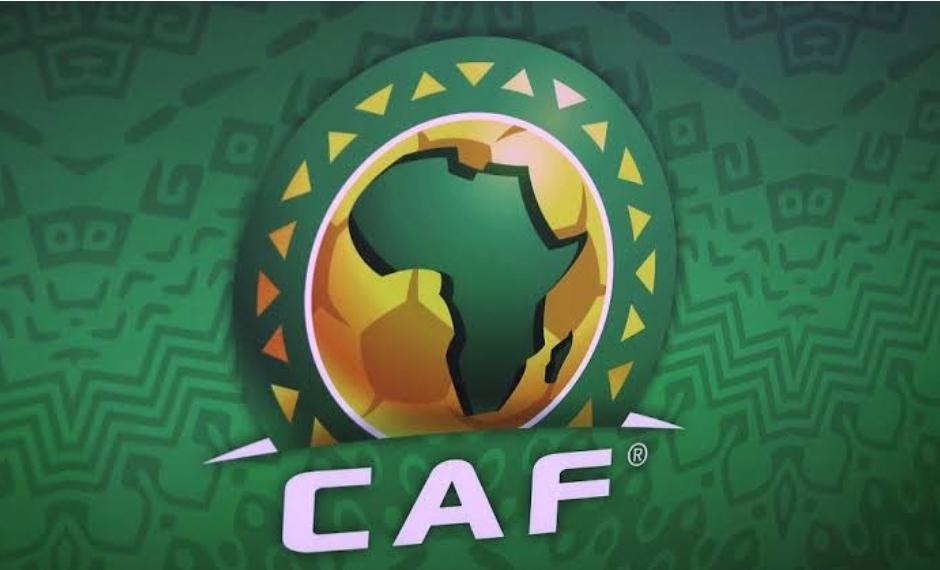
At first glance, this seems like a strategic partnership with mutual benefits. The Africa Cup of Nations is the continent’s most prestigious football event, attracting millions of viewers worldwide, while CAF could leverage the sponsorship funds to further grow the game. However, this arrangement has sparked intense criticism due to CAF’s troubled reputation and concerns about governance and accountability.
Corruption Scandals Taint CAF’s Reputation
CAF has been riddled with corruption scandals that cast doubt on the prudence of the EU’s sponsorship. In 2019, the former CAF president Ahmad Ahmad from Madagascar was suspended by FIFA for five years and fined nearly €200,000 following allegations of embezzlement, abuse of power, and illicit gifting during his tenure. After an appeal, his suspension was shortened to two years and the fine reduced to €45,000. These findings were part of a wider investigation that revealed systemic governance issues within CAF.
The current CAF General Secretary, Véron Mosengo-Omba, has also been under scrutiny. Reports suggest that he has appointed unqualified individuals to key positions, fostering a toxic work environment where staff feel intimidated and fearful of losing their jobs for raising concerns. Swiss authorities investigated Mosengo-Omba over allegations that his CAF bonus payments were five times higher than the limits stipulated in his contract. Despite these concerns, the case was closed due to insufficient evidence. Mosengo-Omba maintains that all payments were transparent and in line with CAF’s statutes.
Concerns Over Transparency and Accountability
The EU’s decision to channel sponsorship funds directly to CAF has raised alarms, especially among analysts who focus on sports governance in Africa. Critics argue that while CAF struggles with governance challenges, the massive sponsorship of €5.5 million risks being squandered or misappropriated without sufficient oversight and transparency mechanisms in place.
Steff Ndei, a Kenyan sports governance analyst, expressed strong reservations about the EU’s partnership. She emphasized that European taxpayers have reason to worry about the management and impact of their money. According to Ndei, CAF is not only plagued by corruption but also suffers from inefficiency. She said: “They are particularly good at creating the illusion that football in Africa is doing well.” This sentiment highlights a crucial problem — that sponsorship deals may sometimes promote an image of progress while underlying issues remain unaddressed.
EU’s Justification and the Broader Implications
Despite these controversies, the EU defended its sponsorship by underscoring the symbolic importance of the partnership. A spokesperson explained that working with CAF helps make transcontinental cooperation “more visible, tangible, and relevant.” They highlighted that football is a powerful tool among young people, serving as a unifying factor across Africa and a potential vehicle for developmental messages.
However, this rationale does not fully alleviate concerns about aligning with an organisation beset by governance failures. It prompts questions about the EU’s responsibilities when partnering with organisations that lack robust transparency and accountability frameworks. With millions of euros at stake, there is a clear need for stronger due diligence, better monitoring of funds, and perhaps even involvement in reform processes to ensure the investments translate into tangible benefits for African football and its fans.
Moving Forward: Balancing Support with Governance Reform
The appearance of the EU flag at the Africa Cup of Nations final symbolizes more than just sponsorship—it represents the complicated nexus of diplomacy, development, and sport. For the EU, investing in African infrastructure and partnerships is a key strategic priority, but it must be coupled with safeguards to avoid inadvertently endorsing corrupt or inefficient institutions.
For African football, this is a wake-up call about the need to professionalize governance and rebuild trust with players, fans, and international partners. Transparency and accountability are essential if CAF intends to attract future sponsors and genuinely foster the growth of football across the continent.
In summary, while the collaboration between the EU and CAF through Global Gateway has potential, it also underscores a broader challenge: achieving meaningful partnerships that promote development without compromising on ethical standards. Whether the EU sponsorship will catalyze reform or simply mask ongoing issues remains to be seen, but it is clear that more concerted effort and vigilance are required to ensure that football continues to be a source of pride and unity for Africa.When Morocco played Senegal in the final of the Africa Cup of Nations on Sunday, something unexpected flashed across pitchside billboards: the European flag, alongside the logo of an EU-backed investment programme. This surprising sight brought attention to the European Union’s Global Gateway initiative, a relatively unknown but significant effort to promote strategic development worldwide. However, the revelation of the EU’s direct sponsorship of the Confederation of African Football (CAF) has sparked intense debate, raising questions about governance, transparency, and accountability in sports sponsorship.
The EU’s Involvement in African Football Through Global Gateway
Global Gateway is the European Union’s flagship programme that pumps tens of billions of euros annually into infrastructure, digital transformation, green energy, and other strategic sectors globally, including Africa. To raise the profile of this investment plan, the EU committed approximately €5.5 million to sponsor the Africa Cup of Nations through CAF, the continent’s apex football governing body.
At first, this seemed like a smart move. Football is Africa’s most popular sport, and the Africa Cup of Nations offers an unparalleled platform for visibility. By connecting the EU’s brand with African football, European policymakers aimed to foster a stronger narrative of partnership and shared development goals.
Controversy Surrounding CAF: A Risky Partnership?
Despite the potential benefits, this sponsorship deal with CAF has triggered severe criticism due to the organisation’s tainted reputation. CAF has struggled with high-profile corruption scandals that have cast a shadow over its governance.
The most notable case involved former CAF president Ahmad Ahmad from Madagascar, who faced a five-year suspension and a €200,000 fine (later reduced on appeal) from FIFA in 2019 for embezzlement, power abuse, and unauthorized gift giving. This scandal put CAF’s accountability into question and raised red flags about the management of football funds across the continent.
In addition to Ahmad’s case, current General Secretary Véron Mosengo-Omba has been accused of fostering an unhealthy working environment and nepotism. Reports claim he assigned key roles to unqualified Congolese nationals and created a culture where employees feared job loss if they voiced concerns. Mosengo-Omba was also investigated for alleged fraud in Switzerland related to disproportionate bonuses, though Swiss authorities ultimately ruled there was insufficient evidence for prosecution. He defended these payments as transparent and compliant with CAF’s rules.
EU’s Defense of the Sponsorship Amid Criticism
In response to mounting criticism, an EU spokesperson emphasized that partnering with CAF helps make the relationship between Europe and Africa “more visible, tangible and relevant, especially for young people.” The EU appears to prioritize outreach and engagement, seeing the sponsorship as a way to build goodwill and highlight the continent-to-continent collaboration beyond traditional development aid.
However, many voices remain unconvinced that this justifies backing an organisation with such a fraught history. Steff Ndei, a Kenyan analyst specializing in sports governance in Africa, voiced strong concerns about this sponsorship. She warned that “European taxpayers should be seriously concerned about what happens to the sponsorship money” and described CAF as “not only corrupt but also inefficient.” Ndei suggested that CAF excels at projecting an illusion of progress while failing to manage resources and governance properly.
The Bigger Picture: Accountability in Sports Sponsorship
This episode underscores a broader challenge facing international development and sports sponsorships: how to balance visibility and engagement goals with accountability and ethical considerations.
Sports organisations in Africa often operate amid complex political and economic environments that facilitate corruption and inefficiency. For external donors and sponsors, this creates a dilemma. On one hand, sports are a powerful tool for youth engagement, social cohesion, and international cooperation. On the other, funding corrupt or opaque institutions can undermine the desired impact and damage donor credibility.