Former UEFA Boss Michel Platini Criticizes FIFA President Gianni Infantino’s Leadership Style
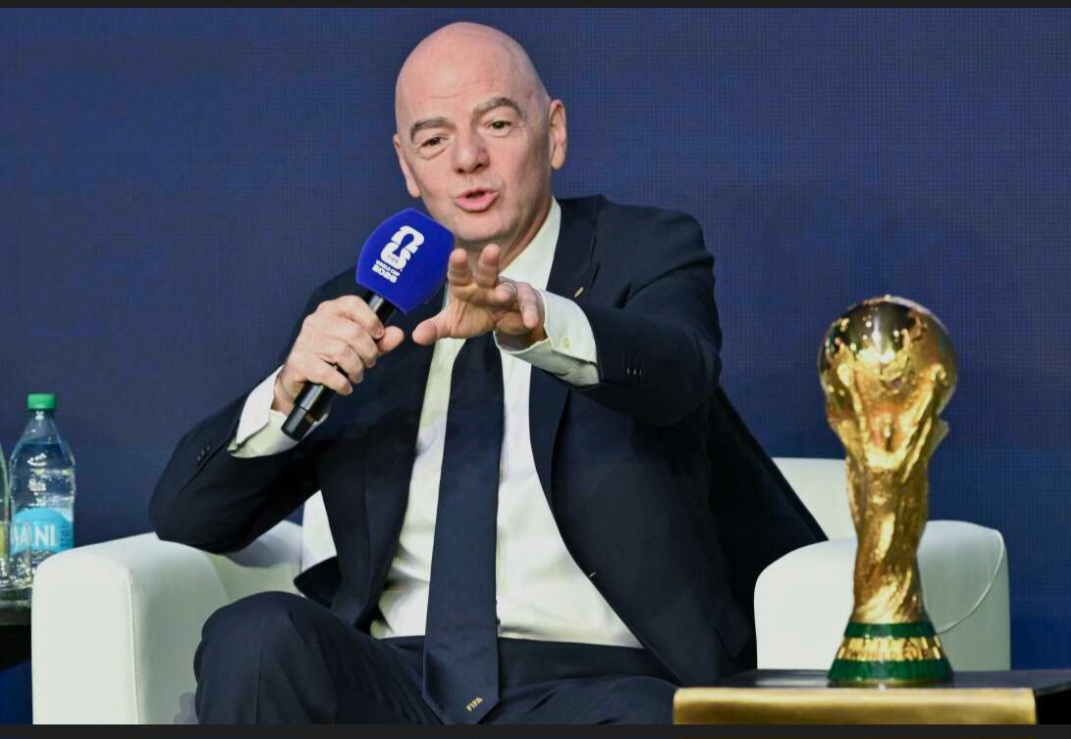
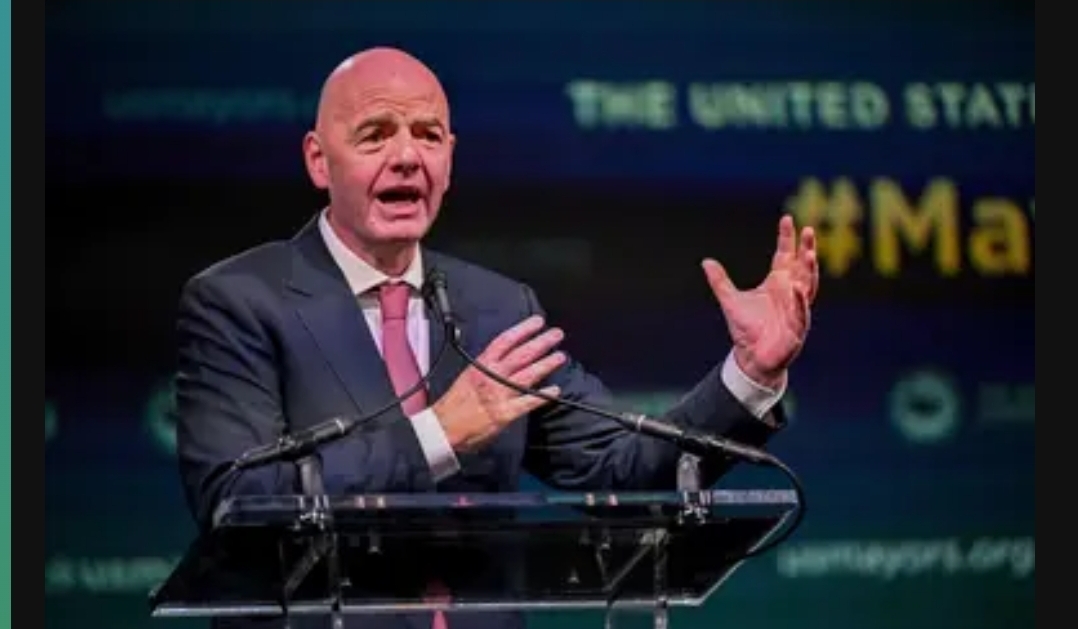
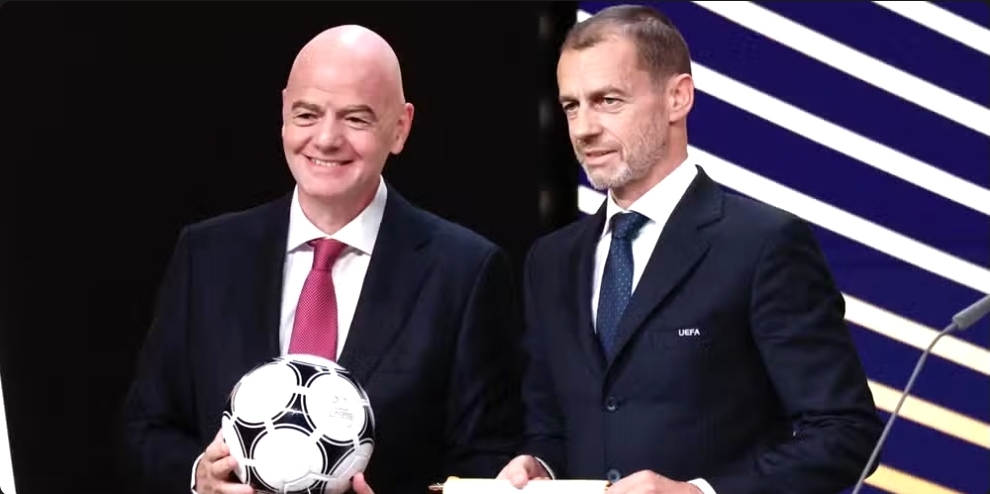
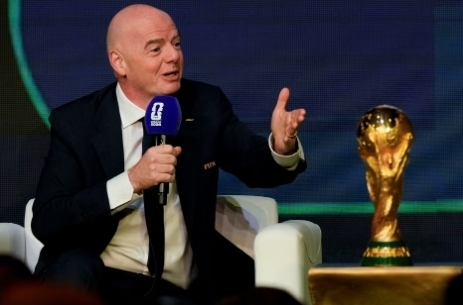
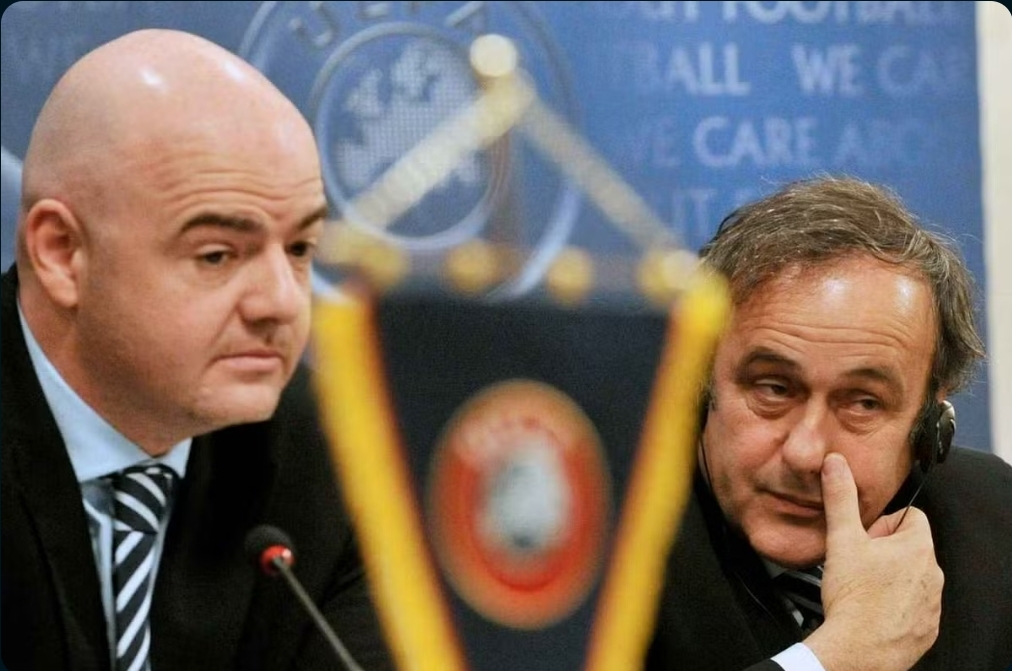
Michel Platini, the former UEFA president and a legendary figure in European football, has recently spoken out about the current FIFA president Gianni Infantino, describing him as increasingly autocratic and overly aligned with the interests of the wealthy and powerful. In an interview with The Guardian, Platini candidly assessed Infantino’s leadership since taking over FIFA in 2016 and reflected on their shared history at UEFA.
Michel Platini on Gianni Infantino’s Leadership
Platini began by acknowledging that Infantino was a competent deputy during his own UEFA presidency from 2009 to 2015. “He was a good number two, but he is not a good number one,” Platini remarked. This distinction highlights a key issue Platini sees in Infantino’s approach to leading FIFA: while Infantino excelled as a supporting figure, he struggles with the responsibilities and character demands of top leadership. Platini explained, “He worked very well at UEFA but he has one problem: he likes the rich and powerful people, the ones with money. It’s his character.”
This personality trait, Platini suggested, did not present a problem for Infantino during his time as second-in-command. However, since becoming FIFA president, his affinity for, and focus on, influential, wealthy figures has shaped his governance style in a way that Platini finds troubling. “Unfortunately, Infantino has become more of an autocrat since the pandemic,” the French football icon added, hinting at a shift towards centralized and less transparent decision-making during a challenging period for global football.
The Growing Autocracy of FIFA Under Infantino
Infantino’s rise to FIFA presidency came after the turbulent Sepp Blatter era, which was marred by widespread corruption allegations. Infantino was chosen as a reform candidate, with hopes that he would restore transparency and democracy to the global football governing body. Instead, according to Platini, the opposite has happened. He claims that FIFA has become a less democratic organization under Infantino’s leadership.
“There is less democracy than in Blatter’s time,” Platini stated. While many remember Blatter for his scandals and his desire to maintain power for life, Platini suggests that Blatter’s governance style included a certain openness that has been replaced under Infantino by a top-down command structure. Platini even argued that Blatter, despite his faults, “was a good person for football” in the sense that he preserved some level of independence in decision-making and a closer connection to the sport itself.
In contrast, Platini critiques the current crop of football administrators, asserting: “You find many who wouldn’t care whether it’s football or basketball. It’s not always a case of loving football if you work at UEFA or FIFA.” This remark hints at a broader cultural problem—where the business and politics of football overshadow the game’s values and the passion that traditionally drives the sport.
Infantino’s Controversial Alliances and Decisions
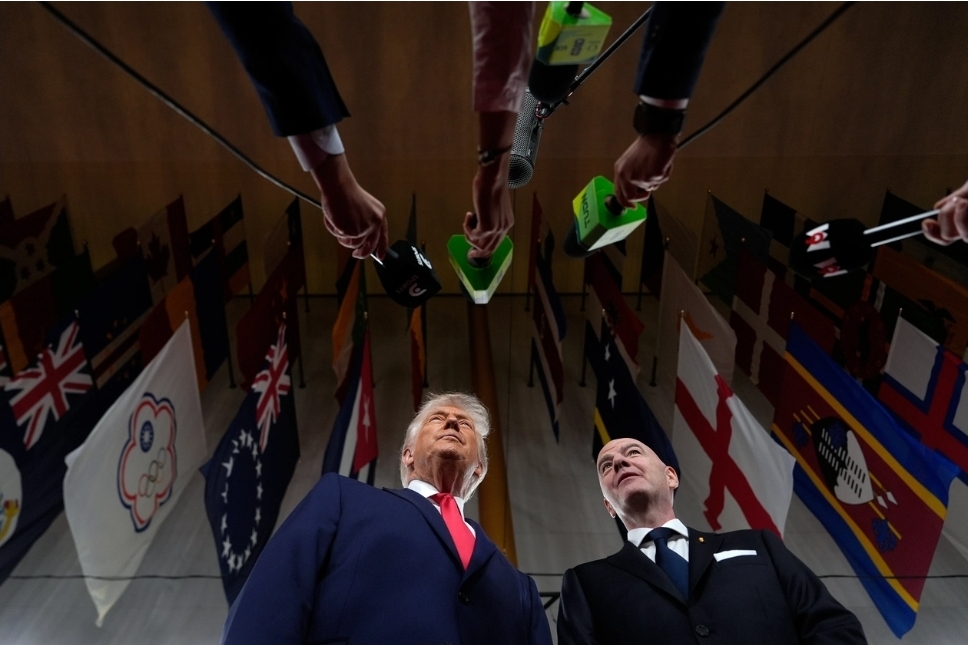
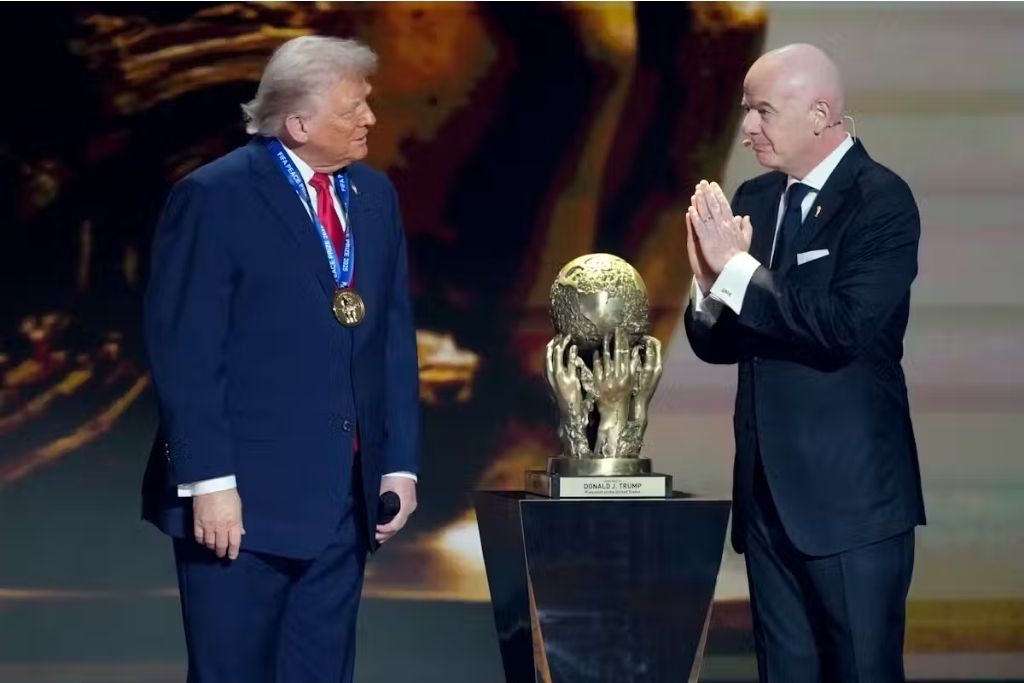
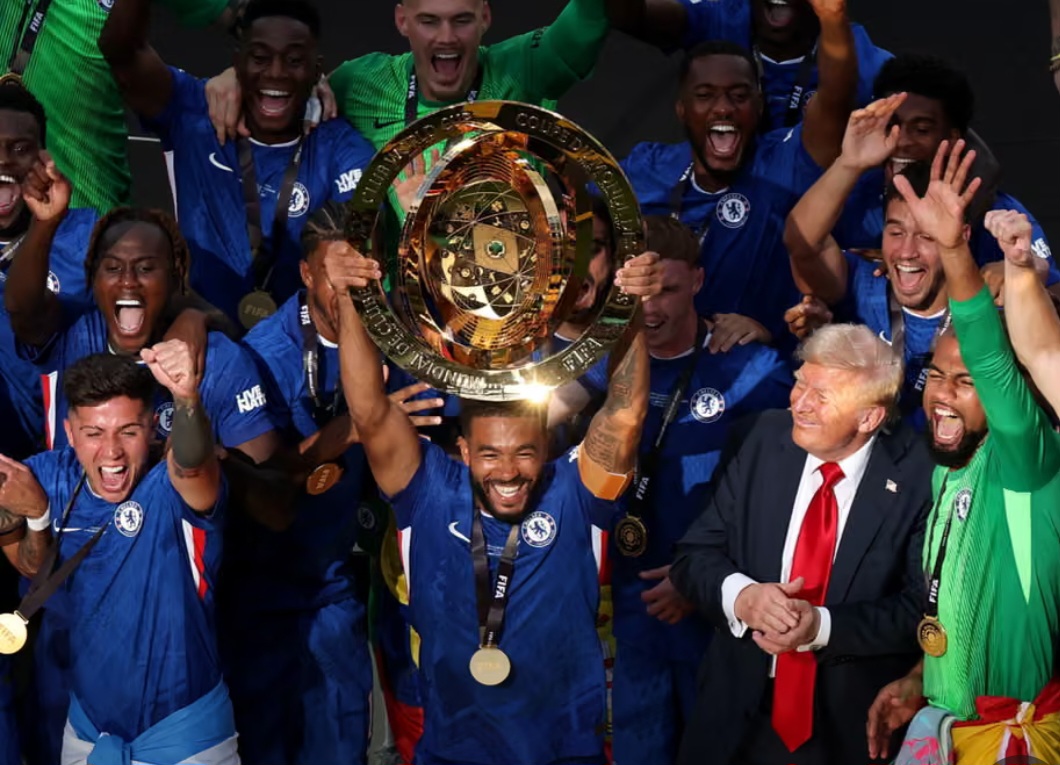
One example Platini pointed to is Infantino’s notably close relationship with powerful political figures, including former US President Donald Trump. Ahead of the 2026 World Cup, which will be hosted jointly by the United States, Canada, and Mexico, Infantino awarded Trump a newly created FIFA peace prize during the tournament draw in December. This move drew significant criticism, suggesting that Infantino’s leadership style favors high-profile political alliances that may not align genuinely with football’s spirit or interests.
Platini’s Personal Fallout with Infantino
The tension between Platini and Infantino runs deeper than mere critiques of governance. Platini has openly accused Infantino of sabotaging his own FIFA presidency ambitions. According to Platini, Infantino tipped off Swiss prosecutors about an undocumented 2 million Swiss franc payment from Sepp Blatter to Platini. This allegation touches on one of the most painful chapters in Platini’s career, as he was eventually banned from football activities due to this payment controversy.
Platini’s critique of Infantino, therefore, goes beyond administrative philosophy; it is rooted in a personal grievance and a broader concern over the direction FIFA has taken under Infantino’s stewardship.
Looking Ahead: The Future of Football Governance
Platini’s assessment of Infantino’s leadership underscores a challenging crossroads for global football governance. The sport’s administrative bodies face increasing scrutiny over transparency, democracy, and integrity. As FIFA prepares for the upcoming World Cup and plans its long-term global strategies, the debate raised by Platini—between centralized authority favoring powerful elites and a more democratic, football-focused administration—will remain significant.
In an era where football must balance global commercial interests and grassroots passion, voices like Platini’s serve as a reminder of the need to protect the sport’s soul, not just its economic power. Whether FIFA under Infantino can reconcile these tensions remains an open question in the world of football politics.
Michel Platini’s candid reflections offer a rare inside glimpse into the politics of football’s highest governing body. His critiques challenge fans, officials, and stakeholders alike to consider what leadership in football should truly look like in the 21st century.Former UEFA boss Michel Platini has publicly criticized FIFA president Gianni Infantino, describing him as increasingly autocratic and overly focused on catering to the interests of the rich and powerful. In an interview with The Guardian, Platini, who once served as Infantino’s deputy at UEFA from 2009 to 2015, expressed deep concern about the direction FIFA has taken under Infantino’s leadership. This candid critique sheds light on internal tensions within football’s governing bodies and raises questions about the governance and future of the sport at the highest level.