Bayern 3rd, Arsenal 7th, Juventus 16th – Which Clubs Made Most Revenue in 24/25 Season?
Bayern 3rd in the revenue charts, Arsenal 7th, and Juventus 16th—these rankings reveal intriguing insights into which football clubs dominated financially in the 2024/25 season. Beyond the excitement on the pitch, club finances have become a critical indicator of a football club’s overall health and potential for future success. The latest Deloitte Football Money League provides a comprehensive analysis of the top revenue-generating clubs globally, highlighting how Europe’s football giants are transforming support into staggering financial achievements.
The Deloitte Football Money League: A Financial Benchmark
The Deloitte Football Money League is widely regarded as the definitive source for measuring club revenues in professional football. According to their 29th edition report for the 2024/25 season, the top 20 clubs collectively earned a staggering €12.4 billion, marking an 11% increase from the previous year. This growth underscores how clubs are diversifying their income streams and capitalizing on global fanbases and commercial opportunities off the pitch.
One of the significant drivers of this revenue boost has been the strategic enhancement of commercial activities. Clubs have innovated their business models to better utilize their stadiums and surrounding facilities for events on non-matchdays—concerts, conferences, and tours—which has surged commercial income to €5.3 billion. Sponsorship deals and retail sales have also improved, indicating a more mature business approach.
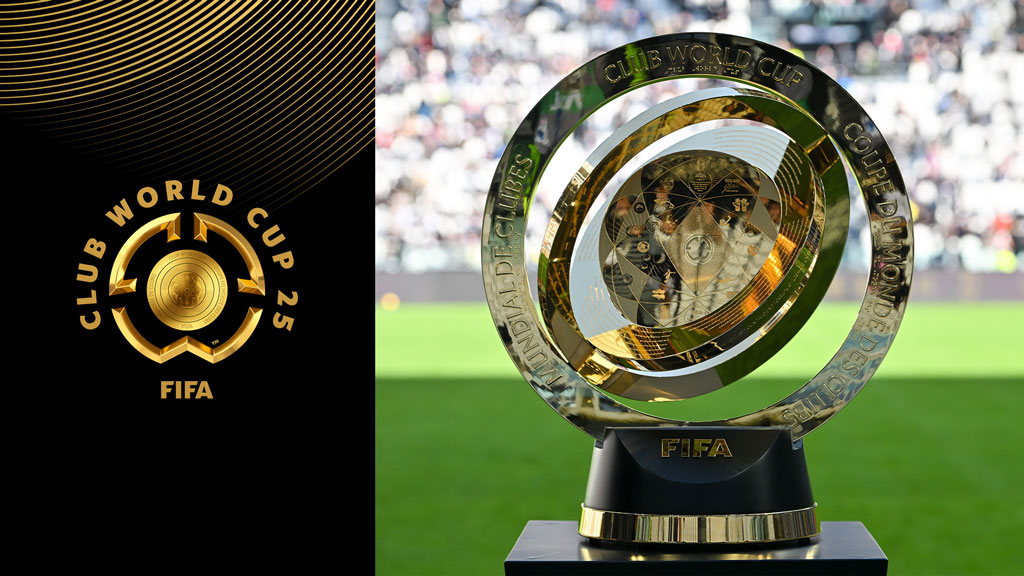
Broadcast revenues also received a healthy boost, partly thanks to the expanded FIFA Club World Cup held in the United States during the summer of 2024. With a 10% increase in broadcasting income, it is clear that global audience engagement continues to be a lucrative domain for top clubs.
Bayern 3rd in Revenue: Strength Beyond the Bundesliga
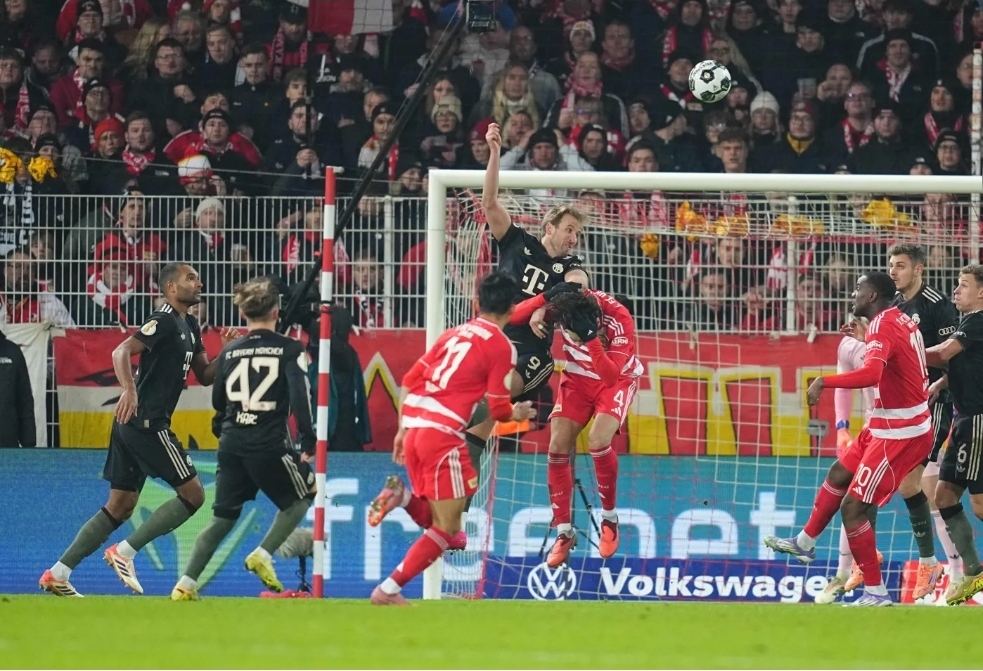
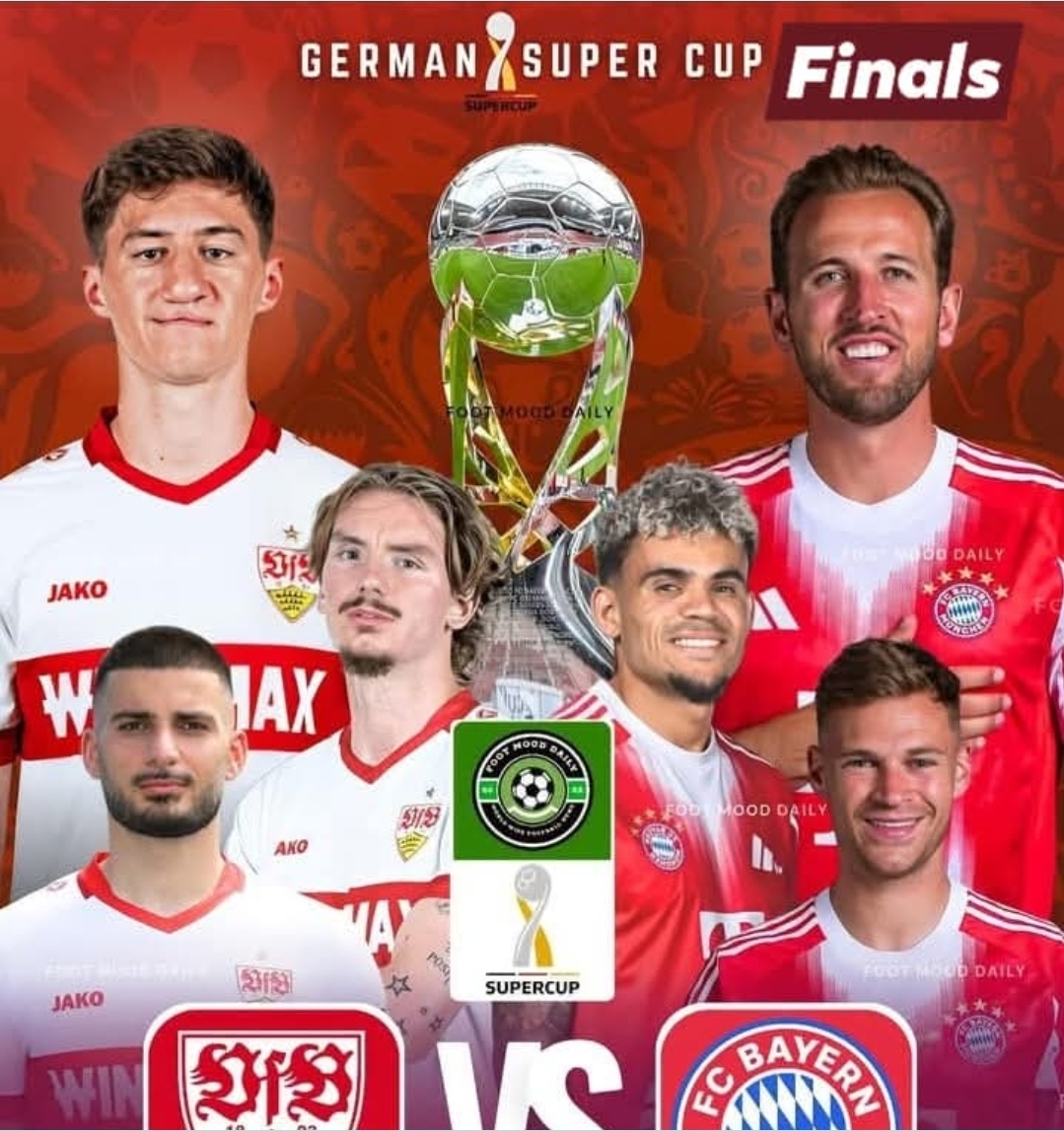
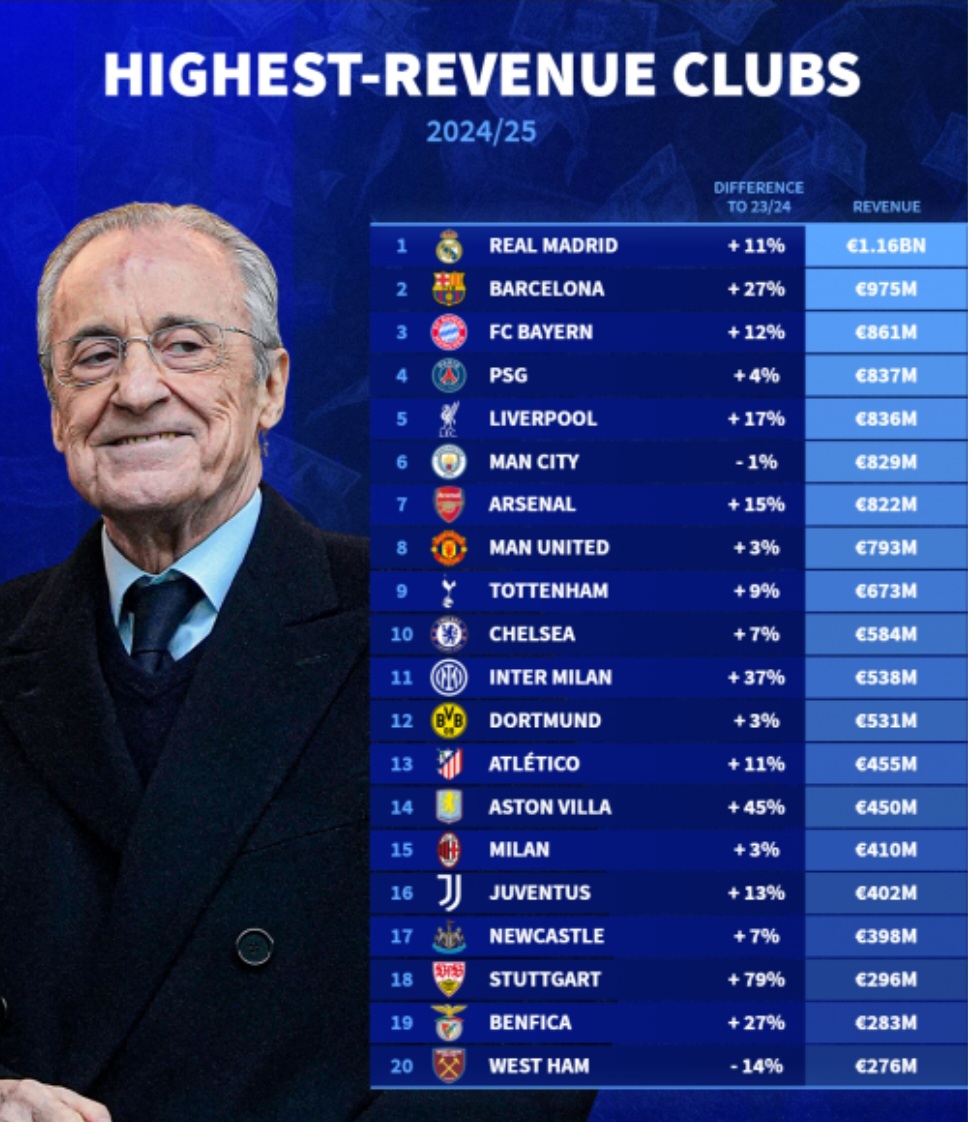
Bayern Munich’s position as the third-highest revenue-generating club (€861 million) demonstrates Germany’s financial might in football. Despite not topping the list, Bayern remains a commercial powerhouse, consistently translating on-field success and a loyal fanbase into robust financial performance.
Bayern’s ability to maintain high revenue is attributed to its well-established global brand, lucrative sponsorship contracts, and highly profitable merchandising and retail operations. The club’s emphasis on maximizing stadium use and fan engagement—even in non-match situations—has contributed significantly to its sustained commercial success.
Arsenal 7th: Premier League’s Rising Commercial Force
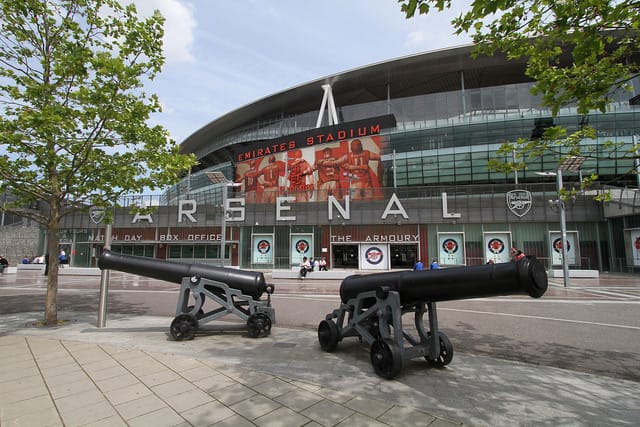
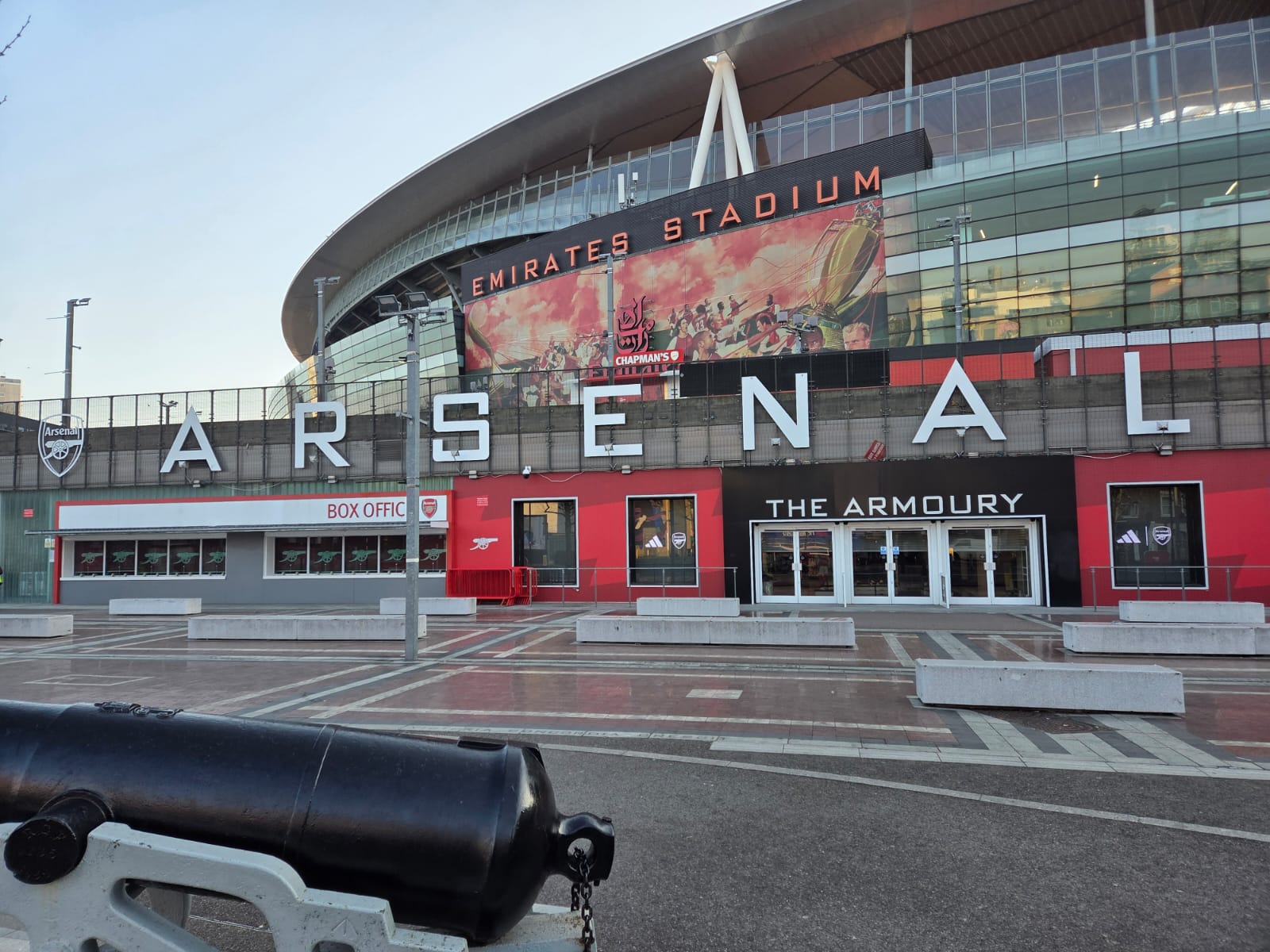
Arsenal’s placement at 7th is particularly noteworthy given the tremendous financial competitiveness of the English Premier League. With a revenue figure comfortably within the top 10, Arsenal reflects the commercial appeal of one of the world’s richest football leagues. The club’s active efforts in sponsorship, media rights, and retail have paid dividends, bolstered by expanding fan engagement strategies, both locally and globally.
Arsenal’s strategic rebranding, matchday experiences, and digital innovations have strengthened its commercial revenues, marking a clear sign of the club’s ambition to re-establish itself among Europe’s elite—both on and off the pitch.
Juventus 16th: A Struggle for Financial Power at Italy’s Giants
Juventus’ 16th place ranking reveals the financial challenges that face the Italian giants amid a shifting competitive landscape. Although still among Europe’s biggest clubs, Juventus earned significantly less than its Spanish, English, and German counterparts.
The Italian Serie A as a whole has seen slower commercial growth compared to its neighbors, and Juventus’ revenue struggles reflect broader structural issues within Italian football—ranging from media rights deals to sponsorship limitations. The club’s focus now includes improving commercial partnerships and optimizing non-matchday revenues to catch up with Europe’s financial leaders.
Real Madrid and Barcelona Lead the Pack
At the summit, Real Madrid reigns supreme, generating nearly €1.2 billion—the first club to surpass the €1 billion mark for the second consecutive season. This phenomenal figure highlights the club’s unmatched ability to monetize sporting success, legendary status, and a global following.
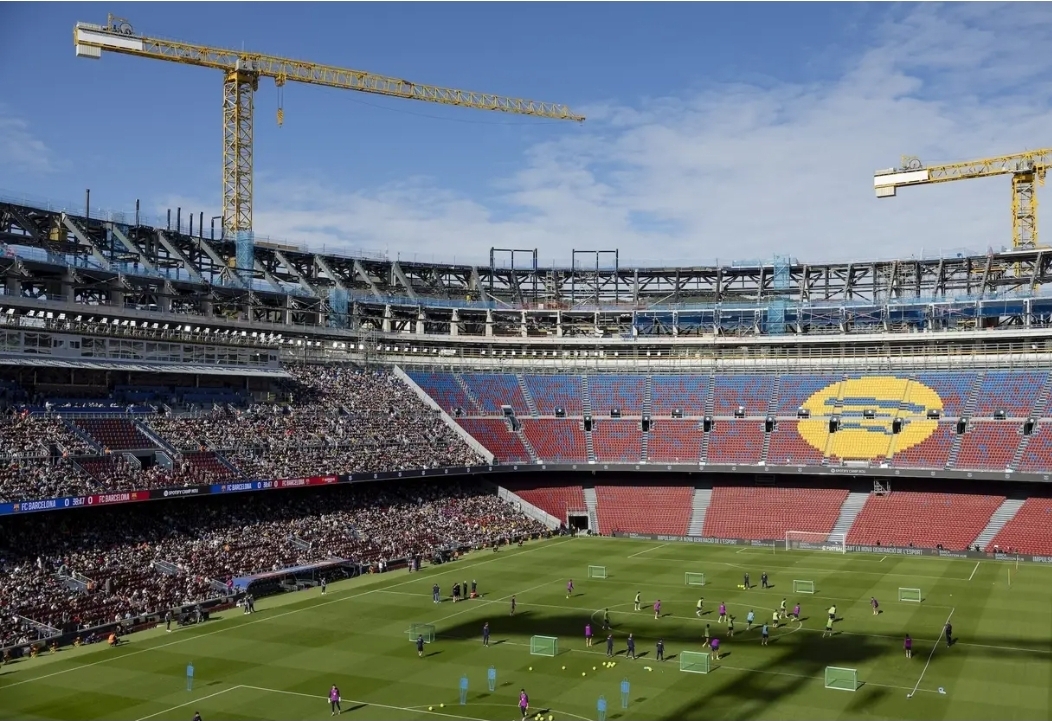
Barcelona closely follows with €975 million, demonstrating Spanish football’s domination at the top two spots, while Paris Saint-Germain (€837 million) retains a strong presence due to massive investments and star power following their Champions League victory.
Premier League: Financial Powerhouse with Nine Clubs in Top 20
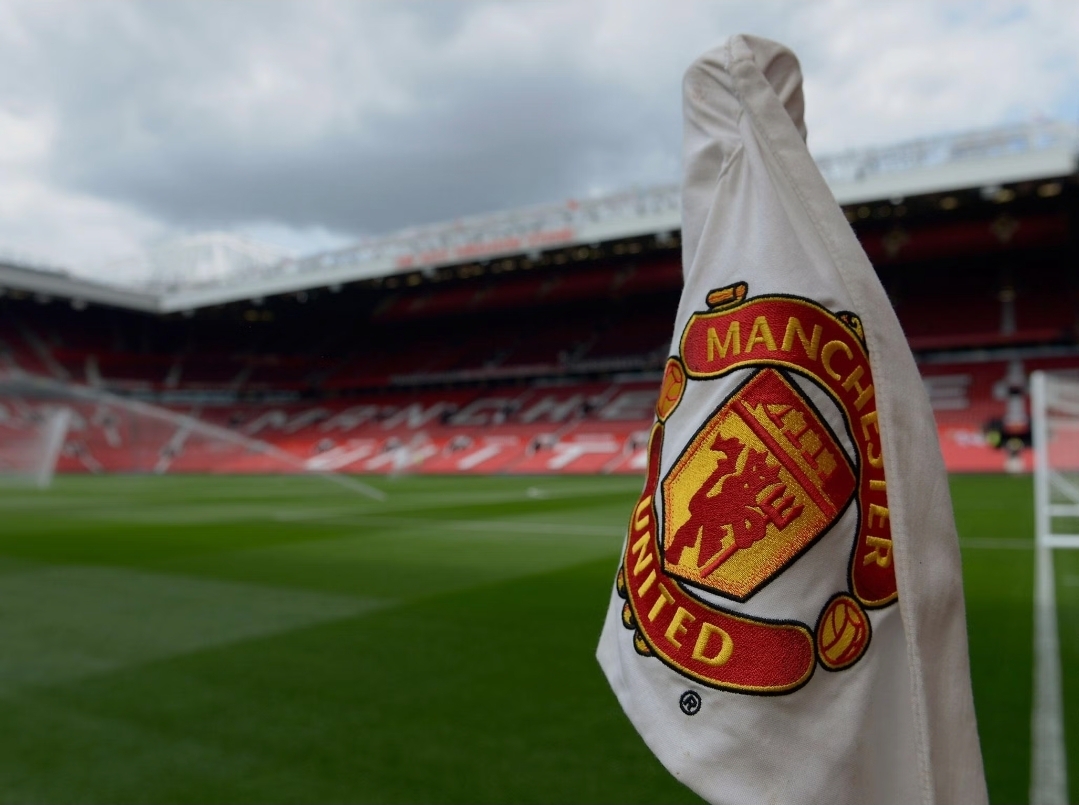
The Premier League’s financial muscle is undeniable, with nine clubs in the top 20—Liverpool (5th), Arsenal (7th), Newcastle, West Ham, and Manchester United among them. Liverpool’s 5th place finish reflects its on-field achievements and expanding commercial profile, while Manchester United’s dip to their lowest-ever rank signals the evolving competitive and financial realities even for historically dominant outfits.
The Financial Landscape of European Football in 2024/25
The 2024/25 Deloitte Football Money League confirms a booming economic climate for football, with the combined revenue of the top 20 clubs climbing by an impressive 11% to reach a new record of €12.4 billion. This increase highlights the growing commercial sophistication and diversified income streams clubs have established to remain competitive off the pitch.
A major driver of this growth has been the expansion in commercial revenues, which rose to €5.3 billion from €4.9 billion the previous year. Clubs are increasingly leveraging their stadiums and surrounding venues for non-matchday events—ranging from concerts to corporate functions—thereby maximizing asset utilization. Sponsorship deals have also become more lucrative, benefiting from globalized markets and digital branding opportunities, alongside improved retail performance, such as merchandise sales both in physical stores and online.
Broadcast revenue, another critical pillar, jumped 10%, helped significantly by the expanded FIFA Club World Cup held in the United States the prior summer, which attracted vast global audiences and lucrative TV contracts.
Bayern 3rd: Maintaining German Financial Power
Bayern Munich continue to consolidate their position as one of football’s financial giants, ranking 3rd on the list with a massive €861 million revenue haul. As the most successful German club historically, Bayern’s business model combines consistent success on the pitch with strategic commercial ventures and smart brand management, particularly across Asia and North America.
Their dominance in the Bundesliga, combined with regular deep runs in the Champions League, ensures steady ticket sales and broadcast income. Additionally, their partnerships with global brands, stadium expansions, and innovative fan experiences contribute to their robust commercial performance.
Arsenal 7th: Premier League Growth and Strategic Expansion
Arsenal’s placement at 7th underscores the financial muscle of English football. The Premier League’s global appeal translates into tremendous broadcasting deals, sponsorships, and commercial opportunities. Arsenal, historically a global brand, has furthered its strategy to modernize its stadium experience and global outreach, including successful merchandising campaigns and strategic international tours.
The club’s consistent qualification for European competitions over recent years has further bolstered matchday and broadcast revenues, even if their league performances have been mixed. Arsenal’s focus on brand development and diversified income streams is a clear factor in their top 10 revenue status.
Juventus 16th: Challenges and Opportunities in Italy
Italian powerhouse Juventus sits further down the ranking at 16th, reflecting ongoing challenges but also significant market potential.