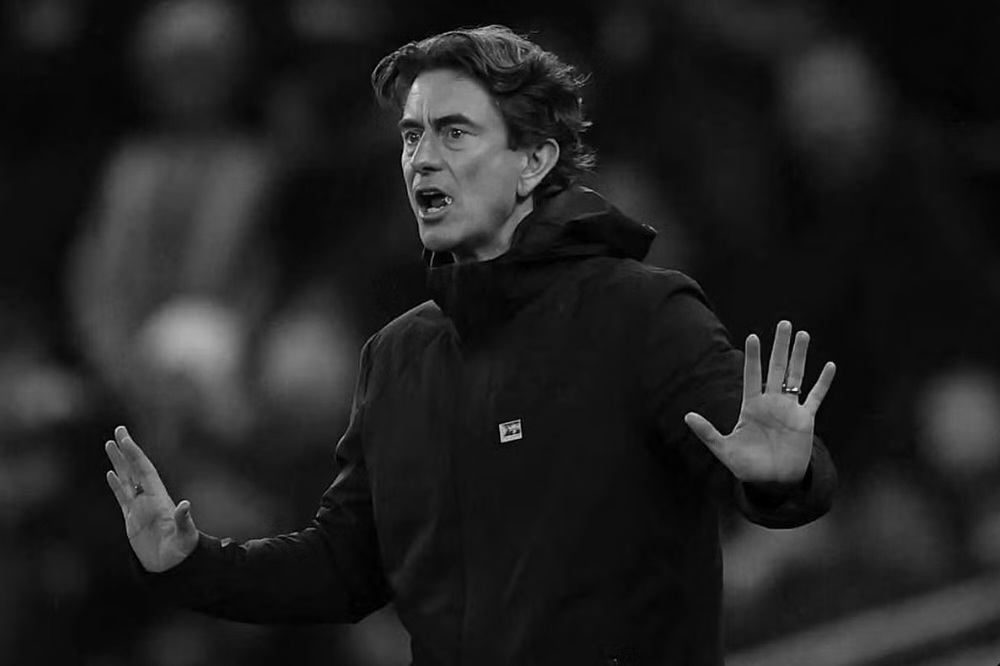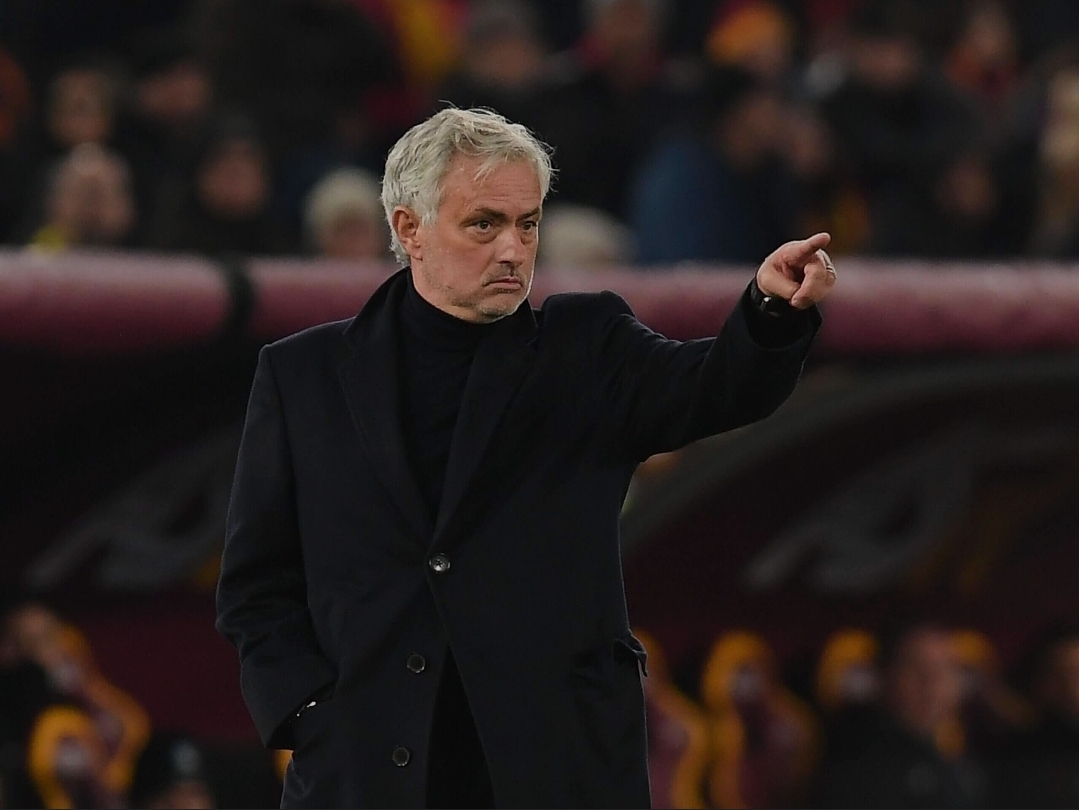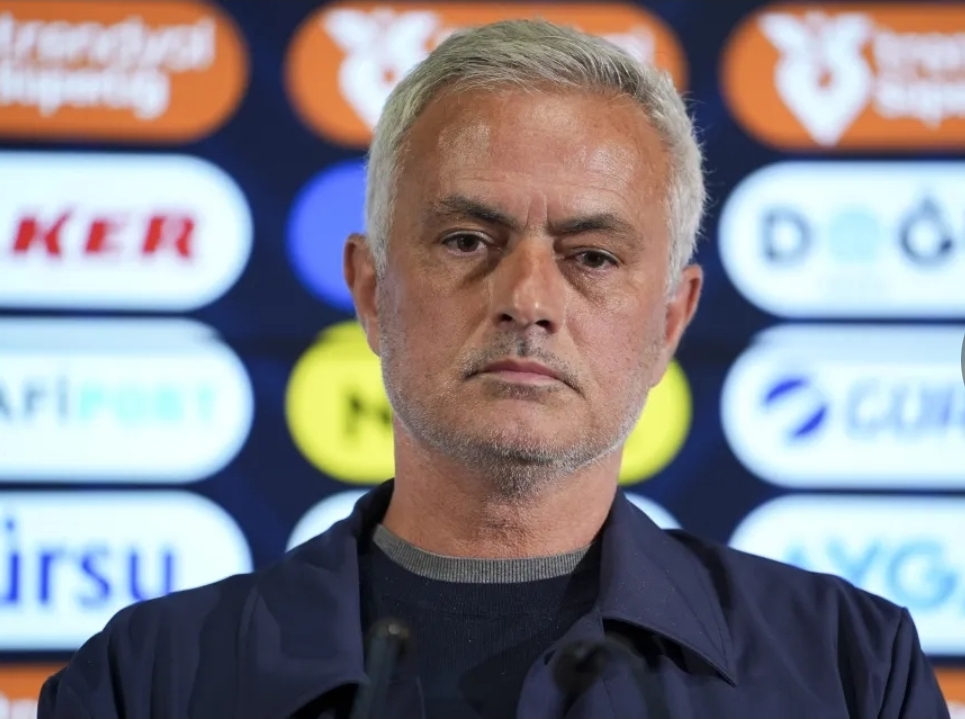
The rise of Jose Mourinho as a football manager has been one of the most captivating stories in modern football history. From humble beginnings to becoming one of the most successful and enigmatic coaches in the world, Mourinho’s journey is a testament to his unique blend of tactical genius, psychological savvy, and relentless ambition.
Early Beginnings and the Path to Management
Jose Mourinho’s career did not start in the spotlight. Before becoming a manager, he was a modest player in Portugal’s lower leagues. However, his true aptitude lay off the pitch. Mourinho began his coaching career as an assistant to legendary figures like Bobby Robson and Louis van Gaal, gaining invaluable experience at clubs such as Sporting Lisbon, Porto, Barcelona, and Barcelona B.
These formative years were crucial to Mourinho’s development. Working with top talent and studying high-level football operations gave him insights into the tactical and organizational aspects of the game. He was a keen student of football, known for his analytical mind and deep understanding of gameplay nuances.
Breakthrough at FC Porto
The rise of Jose Mourinho as a football manager formally began with his appointment as head coach of FC Porto in 2002. At the time, Porto was a respected club, but few expected the meteoric success Mourinho would deliver within a short period.
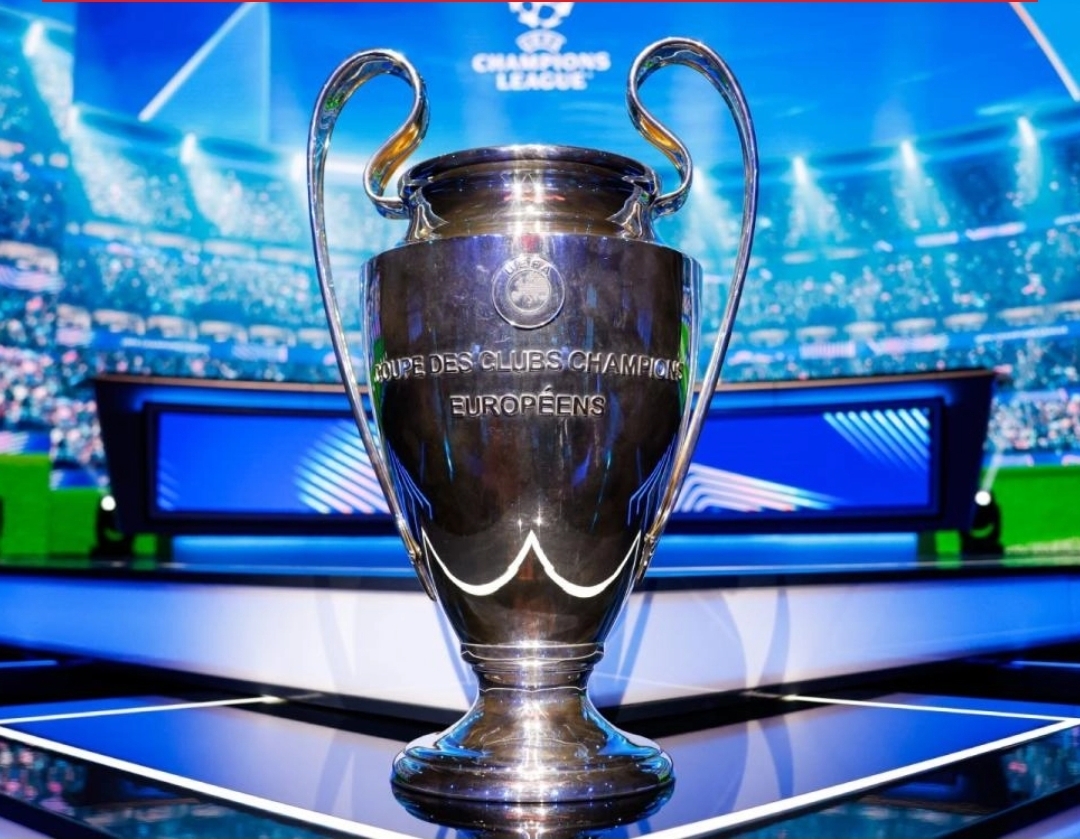
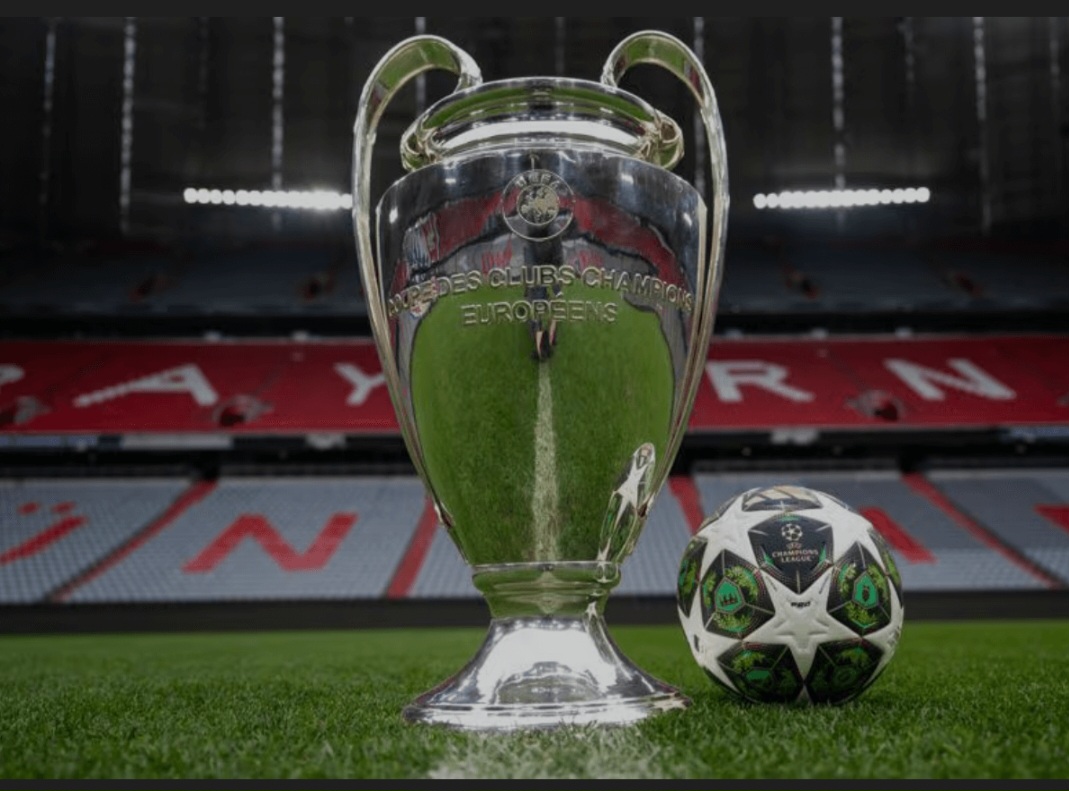
Under Mourinho’s leadership, Porto won the Primeira Liga and Taça de Portugal in his first season. But it was the 2003-2004 season that truly put him on the map. Mourinho led Porto to an astonishing UEFA Champions League victory against more fancied opponents, showcasing his ability to prepare and motivate a team to overcome the odds.
His Porto success was marked by a disciplined approach, innovative tactics, and a team that was greater than the sum of its parts. Mourinho’s tactical flexibility and defensive solidity coupled with swift counter-attacks became hallmarks of his management style.
Arrival in the Premier League and Global Recognition
Following his Porto triumph, Mourinho moved to Chelsea in England in 2004. Arriving at a club desperate for success after a long drought, his impact was immediate and profound. Chelsea claimed the Premier League title and the League Cup in his first season, turning the club into a football powerhouse.
This period witnessed Mourinho’s reputation grow not only because of trophies but also because of his charismatic and sometimes controversial personality. His famous self-description as the “Special One” was more than just bravado; it was backed by his results and ability to handle pressure.
Mourinho’s success at Chelsea was built on meticulous preparation, player management, and an ability to adapt his team to counteract different opponents. His emphasis on organization, fitness, and mental toughness set new standards in English football.
Continued Success and Tactical Evolution
After leaving Chelsea in 2007, Mourinho’s career continued across some of Europe’s biggest clubs, including Inter Milan, Real Madrid, and a second spell at Chelsea. Each chapter further displayed his adaptability and tactical ingenuity.
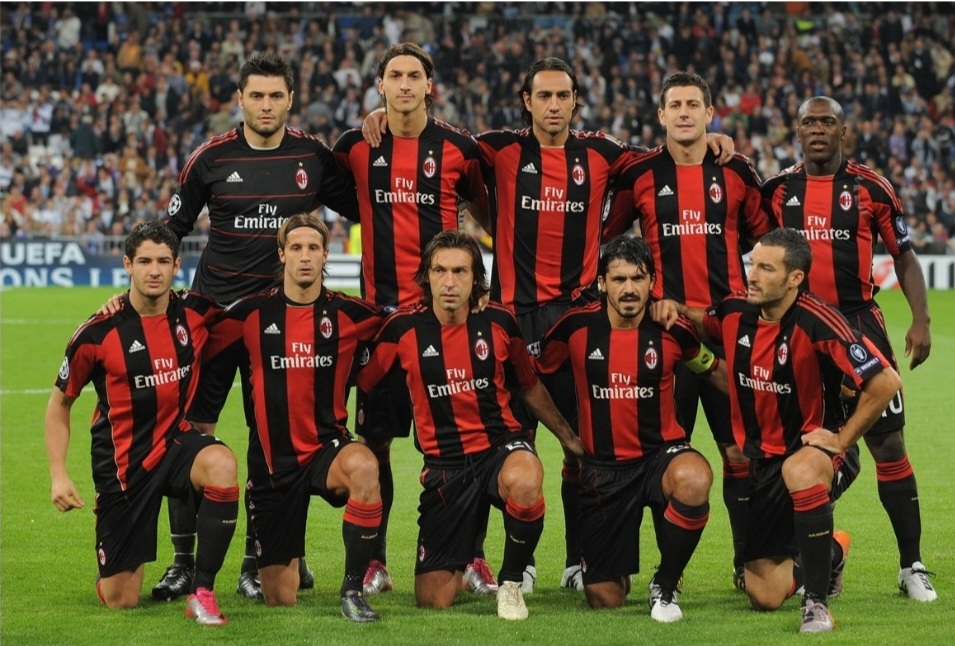
At Inter Milan, Mourinho achieved a historic treble in 2010, winning the Serie A, Coppa Italia, and UEFA Champions League, cementing his status as one of the elite managers globally. His pragmatic style—characterized by a compact defense, quick transitions, and effective man-marking—was pivotal in outwitting some of the best teams in Europe.
His time at Real Madrid saw a slight shift towards a more attacking philosophy, yet his teams remained incredibly disciplined and tough to break down. Despite stiff competition from rivals like Barcelona under Pep Guardiola, Mourinho won La Liga in 2012 with a record number of points, goals scored, and fewest goals conceded.
Legacy and Influence on Modern Football Management
The rise of Jose Mourinho as a football manager has influenced an entire generation of coaches and players. His emphasis on psychological warfare, media handling, and team unity alongside tactical expertise revolutionized the role of a football manager.
Mourinho’s career demonstrates that success isn’t just about tactics on the pitch but also managing personalities, external pressures, and evolving challenges in a sport that constantly changes. His teams are often resilient under pressure and highly organized, traits that many managers seek to emulate.
Today, Mourinho is regarded not only as a trophy-winning manager but also as a football philosopher whose methods extend far beyond coaching sessions. His journey is a blueprint for aspiring managers who want to understand that innovation, confidence, and hard work are keys to achieving greatness.
Conclusion
The rise of Jose Mourinho as a football manager reflects the story of a man who defied expectations through intelligence, determination, and a deep passion for the game. From modest beginnings to lifting the most prestigious trophies across Europe, his career is a masterclass in leadership and tactical mastery. As football continues to evolve, Mourinho’s legacy remains a significant chapter in the sport’s rich history, inspiring both fans and professionals alike.
August 2025.José Mourinho has been sacked by Fenerbahçe.
Mourinho was dismissed on 29 August 2025, just after Fenerbahçe lost to Benfica in the Champions League playoff round, failing to reach the group stages.
Fenerbahçe’s president, Ali Koç, later said it wasn’t just the failure to qualify, but how it happened — the performance and style of play were not what the club expected. They wanted more attacking, more dominance.
18 of September 2025
It looks very plausible that José Mourinho will become Benfica’s manager – many reports are saying that negotiations are well advanced.
Whether Benfica is a good move for José Mourinho depends on how you look at it — professionally, emotionally, and strategically. Let’s break it down:
✅ Why it could be good for Mourinho
■Return to Portugal, return to roots
He started his managerial career at Benfica back in 2000 (only lasted a few months). Coming back now would feel like a “full circle” story, with the chance to rewrite history.
■Prestige & visibility
Benfica is the biggest club in Portugal alongside Porto. Any success there would put Mourinho back in the Champions League spotlight. That keeps him relevant in top European football.
■Reputation rebuilding
His last few jobs (Tottenham, Roma, Fenerbahçe) ended with mixed results. Winning the league or making a European run with Benfica could restore his “winner” aura.
■Supporter passion & legacy
Portuguese fans would embrace the narrative of a Portuguese coach coming home. If he wins titles, he could cement himself as a legend in his home country.
⚠️ Why it could be risky
■Expectations are sky-high
Benfica fans demand silverware every season. If Mourinho doesn’t deliver quickly, criticism will be brutal — and Portuguese media can be relentless.
■Squad quality vs. ambition
Benfica has talented young players but not the financial power of England, Spain, or Italy. Mourinho would need to adjust — he can’t just buy superstars.
■Style clash
Benfica traditionally values attacking, fluid football. Mourinho is known for pragmatism and defensive discipline. If results don’t come fast, fans may turn against his style.
■Risk to his legacy
If it fails badly, people could say his career ended on a sour note, even in his own country.
⚖️ My take
It’s a high-risk, high-reward job for Mourinho.
■If he wins the Portuguese league and makes a splash in Europe, it could revive his reputation and close his career on a strong note.
■If it goes wrong, it might reinforce the idea that his peak has passed, and he struggles in modern football.
But given his personality — competitive, driven by narrative, and motivated by proving doubters wrong — I’d say this move actually suits him right