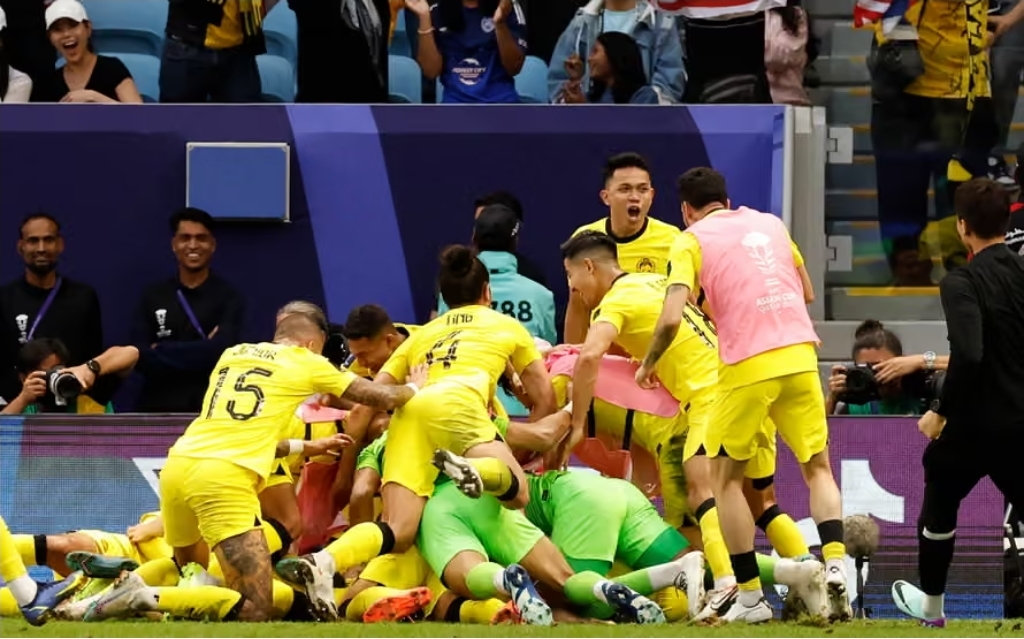
‘Sensationally Damning’: Malaysian Football Rocked by Naturalisation Scandal
The phrase “sensationally damning” aptly describes the recent upheaval in Malaysian football, which has sent shockwaves through the sport’s community in Southeast Asia and beyond. Following what seemed to be a promising resurgence of the national team, known as Harimau Malaya, their reputation has been severely tarnished due to a scandal involving player naturalisation and falsified documents. This controversy has not only resulted in the suspension of key players but has also cast a shadow over the entire Football Association of Malaysia (FAM).
The Rise of Harimau Malaya and the Naturalisation Strategy
Earlier this year, Malaysian football fans experienced genuine excitement as their national team secured an emphatic 4-0 victory against Vietnam in Kuala Lumpur, electrifying a home crowd of 60,000. This win kept Malaysia’s hopes alive for qualifying for the 2027 Asian Cup and signaled their return as contenders in Southeast Asian football.
Integral to this comeback was the strategy of incorporating naturalised players, an increasingly common practice in ASEAN football. The crown prince of Johor and influential football figure, Tunku Ismail Sultan Ibrahim, revealed an ambition to bolster the squad by fast-tracking citizenship for 6-7 heritage players. This approach aimed to fast-track the team’s competitiveness on the international stage.
The Naturalisation Scandal: Sanctions and Suspensions
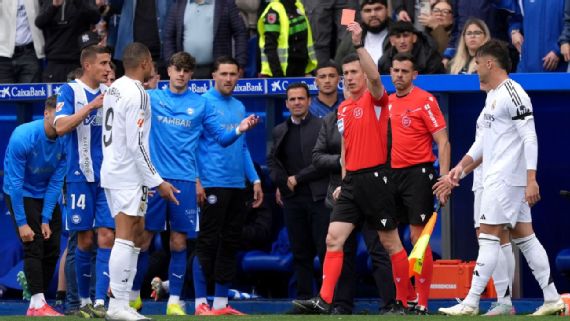
However, the strategy took a dark turn when FIFA unveiled serious sanctions on 22 September. Seven players, including La Liga participant Facundo Garcés of Alavés, received 12-month bans from all football activities. The disciplinary action was coupled with a hefty fine of $438,000 (£325,000) imposed on the FAM.
FIFA’s investigation uncovered that the Malaysian federation had submitted falsified documentation to make these players eligible for national representation. This act of cheating breached strict FIFA eligibility regulations and prompted serious questions about the integrity of the team and its administration.
Fallout and Reactions Within Malaysia
The scandal fractured Malaysian public opinion. While many citizens expressed dismay and disappointment, others perceived the sanctions as unfair and potentially fueled by envy from regional rivals. Tunku Ismail himself publicly challenged the timing and motives behind the sanctions, urging Malaysians to remain resilient in the face of adversity.
Despite these sentiments, conspiracy theories attributing the ban to jealousy seem implausible. Malaysia, ranked 123rd globally, would not likely be viewed as a formidable enough contender to threaten its neighbors strategically. Moreover, Malaysia retains significant influence in Asian football governance, with members on the FIFA Council and representation in the Asian Football Confederation (AFC) headquartered in Kuala Lumpur.
Broader Implications for Southeast Asian Football
This incident sheds light on a broader issue confronting football federations in the ASEAN region—balancing the desire to boost team performance with adherence to international regulations. Naturalisation has become a contentious topic as many countries seek to capitalise on players with heritage ties to their nations or foreign talents to raise standards domestically.
Yet, the Malaysian scandal is a cautionary tale of shortcuts leading to severe consequences. FIFA’s strict enforcement signals that integrity must remain paramount, regardless of developmental ambitions. The repercussions also diminish Malaysia’s credibility and may impact future player recruitment and collaboration with global football bodies.
Moving Forward: Rebuilding Trust in Malaysian Football
For Malaysian football, the path ahead involves serious reflection and rebuilding. The Football Association of Malaysia must prioritise transparency and compliance with FIFA’s rules to restore its reputation. Additionally, nurturing local talent alongside responsibly managing naturalisation processes will be crucial to achieving sustainable success.
The 12-month suspensions give the team time to regroup, but the damage has already affected not only the banned players’ careers but also the nation’s footballing aspirations. Fans, too, must reconcile their passion with the reality that ethical governance protects the sport’s long-term health.
Conclusion
The sensationally damning naturalisation scandal has undeniably rocked Malaysian football to its core. It has exposed vulnerabilities in governance and raised questions about Malaysia’s approach to building a competitive national team. While the initial triumphs of Harimau Malaya represented a bright future, these revelations serve as a reminder that shortcuts and unethical conduct come with a heavy price.
As Malaysian football faces this critical juncture, lessons learned from the scandal could help set a new course—one grounded in integrity, respect for the rules, and a genuine commitment to developing the sport within the nation. Only then can Malaysia hope to reclaim its standing in Southeast Asia and beyond, this time for the right reasons.
🔮 My prediction: How it ends (or at least moves toward resolution)
Here is what I think will happen over the next 12-24 months:
1.Deeper investigation & accountability
•FAM will likely conduct an internal (and partly external) investigation, possibly even a government-led inquiry or oversight body, given the political pressure.
•Some high-level officials in FAM (and perhaps associated agencies) may resign or be replaced.
•Some more sanctions could come, especially if additional cases of irregular naturalisation emerge.
2.Sporting sanctions settle but linger
•The fine on FAM and suspensions of players are already set, but there may be further sporting consequences: e.g., annulment of Malaysia’s results in which the ineligible players participated, or reduction in future eligibility for “heritage” player programmes.
•Malaysia’s national team might face a short-term performance dip (due to losing key players, loss of confidence, possible vacated wins) but will attempt to stabilise.
3.Reform and “reset” phase
•FAM will try to restore trust by publishing more transparency about its naturalisation and eligibility processes (or at least announcing reforms).
•Clubs and youth systems may get increased scrutiny and regulation.
•Efforts will be made to emphasise development of home-grown talent rather than “fast-track” foreign-born players.
4.Gradual rebuilding of reputation
•Over the medium term, if reforms are credible and governance improves, Malaysian football could slowly recover its image, but the scandal will linger in memory (much like previous major football scandals in other countries).
•International partners (FIFA/AFC) may monitor Malaysia more closely for a while, which may limit flexibility in player selection, naturalisation schemes, etc.
5.Worst-case scenarios (less likely but possible)
•If further breaches are discovered, Malaysia could face heavier sanctions (e.g., suspension from competitions, longer bans).
•If public trust collapses and sponsors/TV revenue drop significantly, domestic league health could worsen.
•If key domestic stakeholders (clubs, fans, government) lose faith, the entire football ecosystem might need a major overhaul.
📌 My “best guess” by year end 2026
•FAM will issue a public reform plan and possibly new leadership (or at least major reshuffling).
•Malaysia’s national team will suffer a dip but will still participate in qualifiers; however, some past results may be nullified or under question.
•The naturalisation programme won’t be scrapped entirely, but will be scaled back and stricter rules/enforcement introduced.
•Malaysian domestic football will begin the process of rebuilding trust and focusing more on home-grown talent.
•The scandal will remain a cautionary tale that shapes Malaysian football policy for years to come.