Man Utd Take £1 Billion-Step Closer to Record-Breaking New Stadium
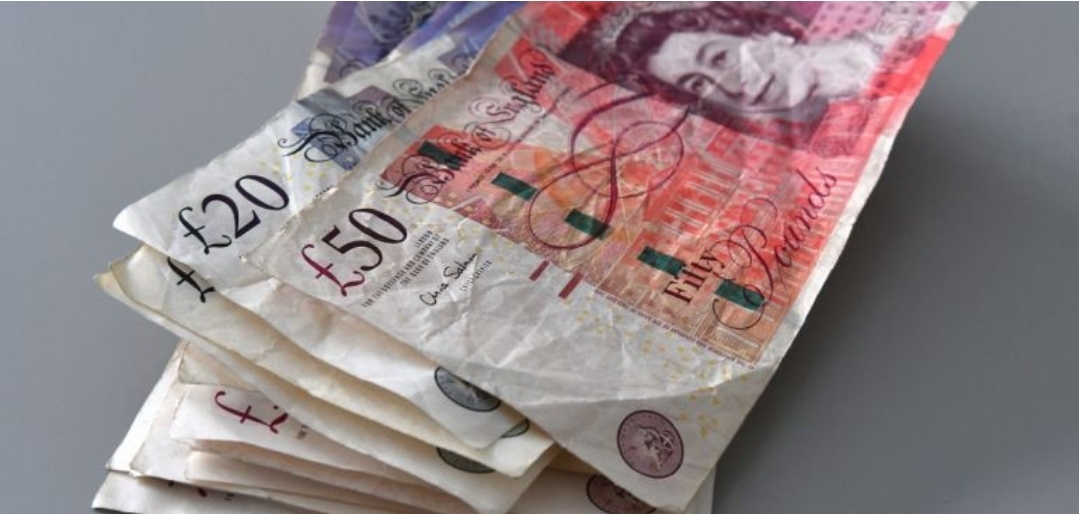
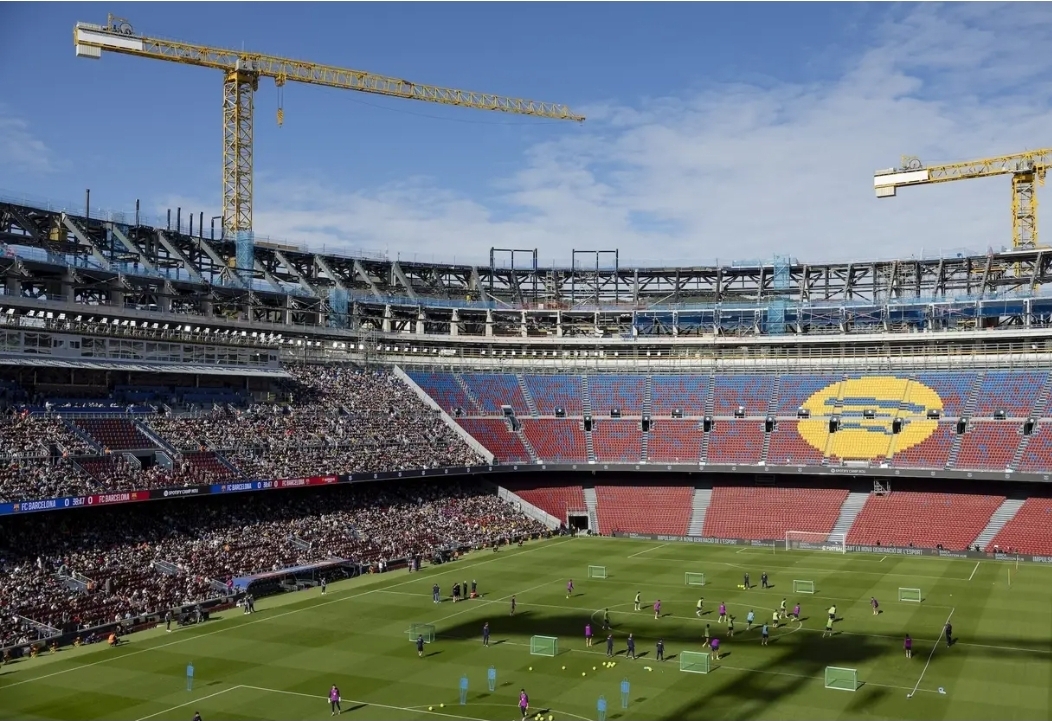
Manchester United is taking a monumental stride forward with plans to build a new Old Trafford stadium, marking a £1 billion step closer to creating the biggest stadium in the U.K. This ambitious project is more than just about football; it is a landmark urban regeneration initiative deeply intertwined with the Greater Manchester region’s economic and social future. Thanks to the launch of the ‘GM Good Growth Fund,’ significant public funding has been pledged to drive forward this transformative development, positioning the new stadium as a central pillar within the wider regeneration of the Old Trafford area.
The Vision for a New Old Trafford Stadium
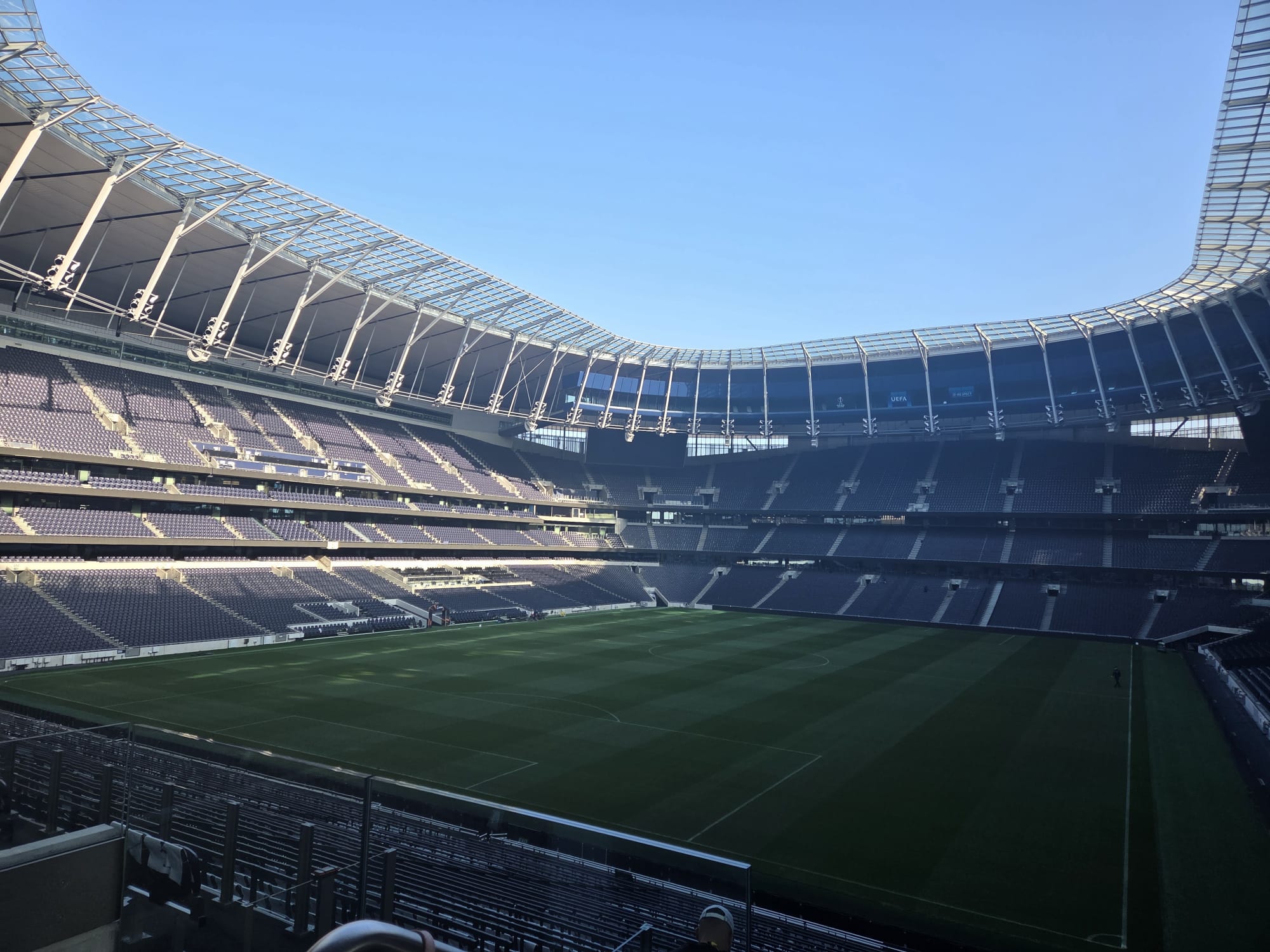
For decades, Old Trafford has been iconic as the home of Manchester United, but the club’s vision is to replace the aging stadium with a state-of-the-art venue that not only redefines fans’ experience but elevates the city’s global standing. The plan is to build a stadium that goes beyond football— a multifaceted venue suitable for global events, including the anticipated 2035 FIFA Women’s World Cup. This new Old Trafford will come with unparalleled facilities, vibrant business and leisure areas, and top-tier residential spaces, all interconnected by improved transportation infrastructure.
Urban Regeneration Supported by the GM Good Growth Fund
The surrounding Old Trafford area was once a bustling industrial estate, serving as a hub for employment and manufacturing. Over time, much of this landscape has fallen into decline, making it ripe for comprehensive regeneration. Recognizing the potential benefits, local government authorities across Greater Manchester have launched the GM Good Growth Fund, a £1 billion commitment aimed not only at revitalizing Old Trafford but fostering sustainable economic growth throughout the city.
This fund is designed to support integrated urban projects, with the Old Trafford Regeneration emerging as a priority within this broader pipeline. The project is set to create over 800 new homes around Trafford Wharf and Stretford Mall, breathing new life into the area. This residential development will complement the stadium and business districts, providing a vibrant environment where communities can thrive.
Manchester United’s Role in Greater Manchester’s Growth Strategy
Manchester United’s Chief Operating Officer, Collette Roche, emphasized the club’s enthusiastic alignment with Greater Manchester’s growth ambitions. “We are delighted to see the Old Trafford Regeneration project at the heart of Greater Manchester’s wider growth plan for the next decade,” she remarked. The club envisions a stadium and district that not only serve fans but also become an economic engine for the region.
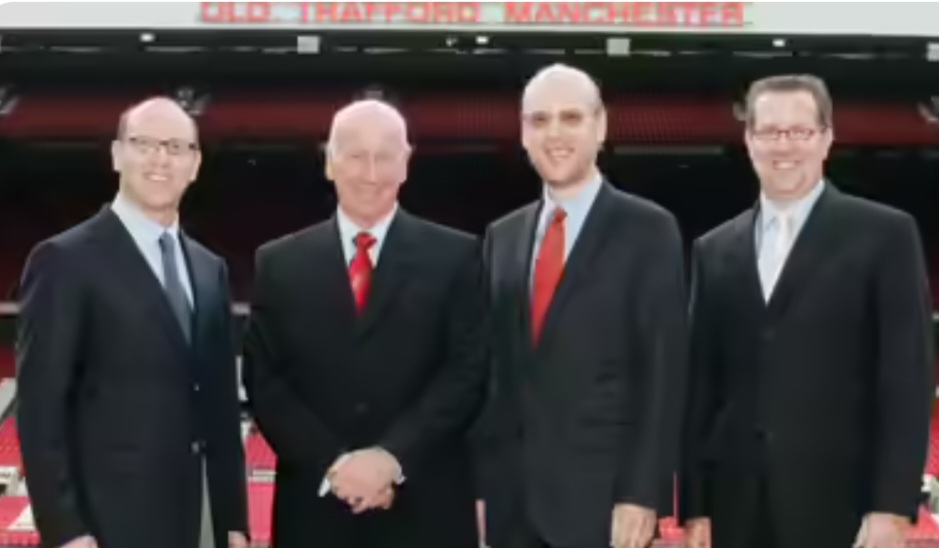
Sir Jim Ratcliffe, a co-owner of Manchester United and a prominent businessman, has expressed bold hopes for completing the new stadium by the 2030–31 season. This timeline underscores the urgency and ambition behind the endeavor but also highlights the complexity involved, as numerous logistical and planning challenges stand in the way.
Design and Planning: Challenges and Fan Engagement
Initial concepts for the stadium were developed by the renowned architectural firm Foster + Partners. Their designs featured a striking canopy roof that would make the new Old Trafford a visual icon. However, the project has faced obstacles related to negotiations with a major freighting company owning adjacent land, causing delays and prompting reconsideration of the early design proposals.
No formal planning application has been submitted yet, as Manchester United recently closed a fan survey period aimed at gathering feedback on vital aspects such as stadium facilities, seating arrangements, and ticket pricing models. This level of engagement illustrates the club’s commitment to building a stadium that reflects the needs and desires of its vast fanbase.
The Wider Impact on Manchester and Beyond
The new Old Trafford stadium is not only set to become a footballing landmark but also a catalyst for broad societal benefits. The integration with residential and commercial developments means the project will stimulate job creation, introduce modern infrastructure, and boost tourism. Additionally, improved transport links will enhance accessibility, making the district a dynamic hub for locals and visitors alike.
By embedding the regeneration of Old Trafford within the Greater Manchester’s wider economic strategy, the initiative offers a pioneering model for urban growth that respects cultural heritage while embracing innovation. The combined efforts of local government, Manchester United, investors, and community stakeholders illustrate how sports infrastructure can positively transform entire neighborhoods.
Looking Ahead: A New Era for Manchester United and Old Trafford
The quest for a record-breaking stadium represents a bold new chapter for Manchester United and the city of Manchester. With a committed £1 billion funding package and a clear vision for urban regeneration, the project symbolizes ambition not just in football terms but as a testament to sustainable city development.
While design refinements and planning permissions are still underway, the momentum generated by the GM Good Growth Fund and strong local support ensure that the execution of this vision is closer than ever. For fans and residents alike, the prospect of a new Old Trafford offers exciting possibilities — a home worthy of Manchester United’s historic stature and a beacon for future generations.
In the coming years, both football aficionados and city planners will watch closely as Manchester United edges nearer to realizing this extraordinary vision, setting new benchmarks on and off the pitch.## Man Utd Take £1 Billion-Step Closer to Record-Breaking New Stadium
Manchester United, one of the world’s most iconic football clubs, has taken a monumental step closer to realizing its dream of building a brand-new stadium with the launch of the £1 billion ($1.31 billion) ‘GM Good Growth Fund.’ This ambitious funding initiative by local government authorities aims to promote urban regeneration across Manchester, with the redevelopment of the Old Trafford area playing a central role. This article explores how Man Utd’s stadium plans are intertwined with a broader vision for the city’s future, and what it means for fans and the local community alike.
A Bold Vision for a New Old Trafford Stadium
The new stadium project at Old Trafford is designed to transform not only the football club’s home but also the surrounding district. Manchester United’s plan involves erecting what will become the biggest stadium in the U.K., addressing both modern sporting needs and urban development goals. The motivation extends beyond football: the redevelopment will contributes to the regeneration of an area that was once a bustling industrial estate, but has since seen decline.