Mass graft raids rattle Argentine football
Mass graft raids have sent shockwaves through Argentine football as police launched a sweeping money-laundering probe targeting the national football headquarters and several of the country’s most prominent clubs. This high-profile investigation comes just months before Argentina is set to defend its status as the reigning world champions, casting a shadow over the sport at a critical moment.
Unprecedented Police Raids Shake Argentine Football
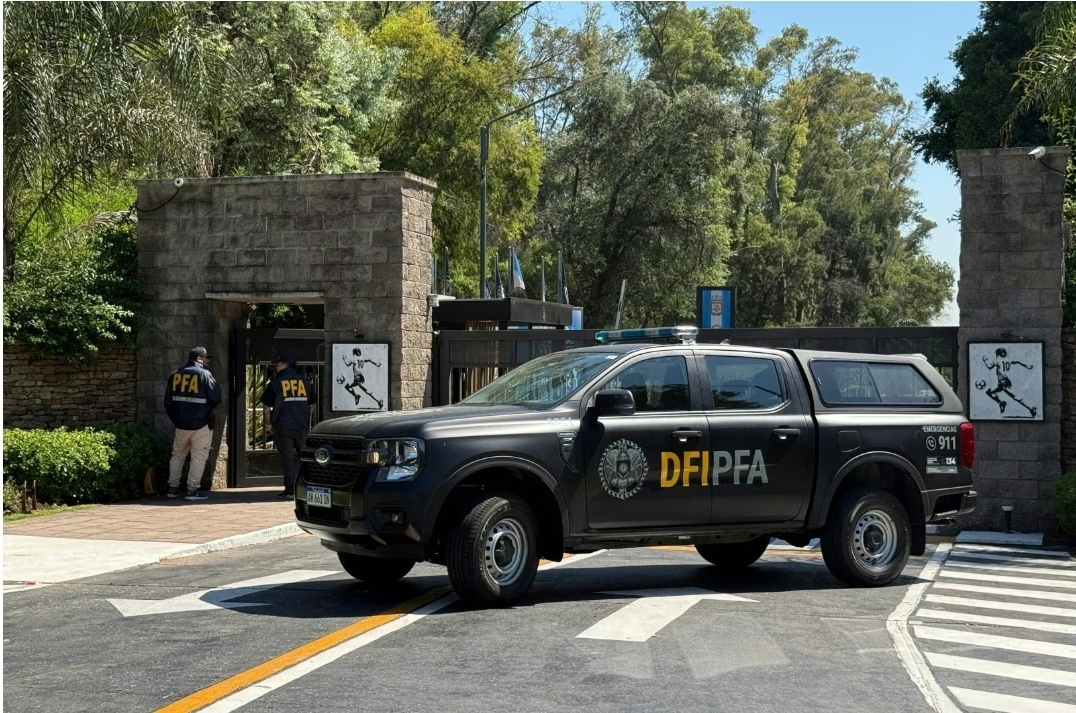
In a coordinated operation, police simultaneously raided around 25 to 30 locations, including private residences, club offices, and training grounds. Most notably, the headquarters of the Argentine Football Association (AFA) and the national team’s training facilities near Buenos Aires were among the key sites targeted. Several top-division clubs—Racing Club, Independiente, Banfield, and San Lorenzo—also found themselves under scrutiny as law enforcement officials executed their search warrants.
According to a police source, the raids are part of an ongoing investigation into a financial firm called Sur Finanzas, which served as the official sponsor of both the Argentine Football League and the national team during the previous year. The source noted that the breadth and scale of the operation have been significant, reflecting growing concerns about alleged illicit financial activities within the Argentine football ecosystem.
Sur Finanzas and Allegations of Financial Misconduct
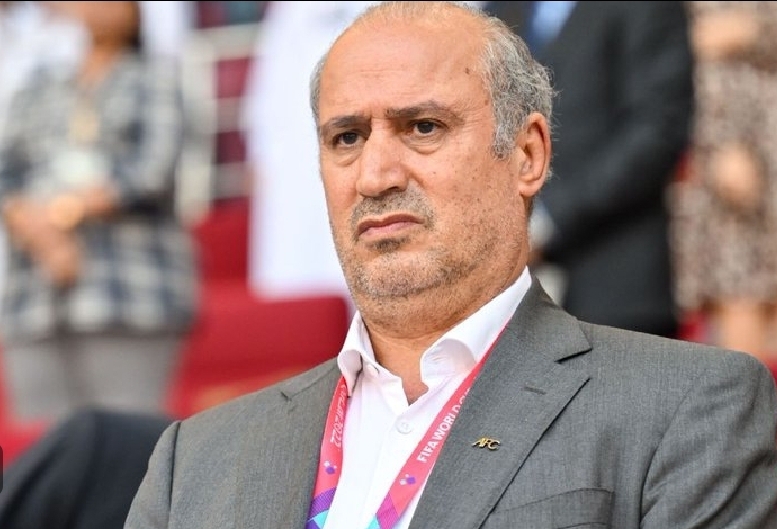
At the center of the controversy is Sur Finanzas, whose owner is reportedly closely linked to AFA president Claudio Tapia. This connection has intensified scrutiny and raised questions about governance and transparency within Argentine football’s administrative ranks.
The investigation began in earnest last month, when tax authorities lodged a formal complaint accusing Sur Finanzas of evading taxes on Argentine pesos amounting to approximately $550 million. Allegations suggest that the company may have utilized frontmen to channel loans to football clubs under dubious conditions. In exchange, Sur Finanzas allegedly received valuable benefits such as exclusive broadcasting rights, creating a lucrative but potentially illegal financial cycle between the firm and the clubs.
Legal Measures and Their Impact on Argentine Football
As part of the investigation, the judge overseeing the case has lifted banking confidentiality protections for several clubs involved, providing authorities access to their financial records. This unprecedented legal step highlights the seriousness of the probe and the urgency with which officials are approaching it.
The ramifications of the raids extend beyond finance, potentially affecting the sporting landscape itself. With the national championships and international commitments on the horizon, the forensic examination of the clubs’ financial dealings could influence management decisions, sponsorship agreements, and even player transfers. The uncertainty generated by the probe has unsettled fans and officials alike.
The Broader Context: Corruption and Football in Argentina
Corruption has periodically marred Argentine football, a sport deeply embedded in the country’s culture and identity. The latest investigations underscore ongoing challenges regarding transparency, governance, and financial integrity. Football in Argentina, often seen as a unifying force, now faces increased pressure to reconcile with the darker aspects of its business dealings.
The involvement of so many top-tier clubs and the AFA itself marks this probe as one of the most extensive in recent history. Transparency advocates hope the measures taken will help restore public trust and reinforce the importance of ethical management practices within the sport.
Looking Ahead: The Future of Argentine Football Post-Raids
As the legal process unfolds, much will depend on the outcomes of forensic audits and judicial inquiries. Clubs implicated in the probe may face fines, sanctions, or administrative changes, while stakeholders will watch closely for reforms instigated by the AFA and government regulators.
For the Argentine national team, preparing to defend their world champion title amidst such turmoil presents a unique challenge. While the players remain focused on their on-field performance, the backdrop of financial scandals threatens to dominate headlines and affect morale.
In the long term, these graft raids could serve as a turning point, motivating tighter regulation and oversight within Argentine football. Clean governance and ethical sponsorship deals will be crucial to rebuilding credibility and fostering sustainable growth in the sport.
The mass graft raids disrupting Argentine football reveal deep-rooted financial irregularities that must be addressed urgently. By shining a spotlight on these issues, authorities are paving the way for a more transparent future, albeit through a period of significant upheaval and uncertainty. As Argentina’s beloved game navigates through this crisis, fans, players, and officials alike hope for restoration and progress that uphold the integrity of the beautiful game.Mass Graft Raids Rattle Argentine Football
Mass graft raids have sent shockwaves through Argentine football, as police launched an unprecedented crackdown targeting the sport’s highest echelons. The sweeping money-laundering probe unfolded just months before Argentina, the reigning world champions, are set to defend their title, casting a long shadow over the national team and the domestic league. Authorities simultaneously raided the Argentine Football Association (AFA) headquarters, national team training facilities, and multiple top-division football clubs, unveiling a complex financial scandal that threatens the sport’s integrity in the country.
The Scope of the Raids in Argentine Football
In a coordinated operation, law enforcement executed 25 to 30 raids targeting football institutions and private residences connected to a tangled web of financial irregularities. The raids focused primarily on the Argentine Football Association, the nerve center of football governance in the nation, including its headquarters in Buenos Aires.