Referees Among Suspects Sought in Match-Fixing Probe: A Deep Dive into Turkey’s Betting Scandal
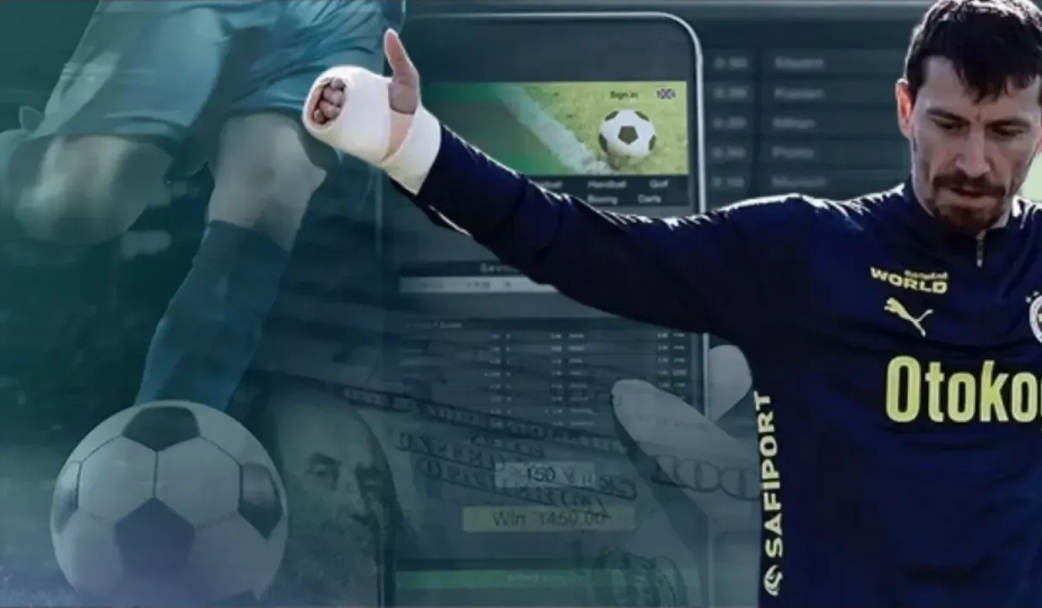
Referees among suspects sought in match-fixing probe have sent shockwaves through Turkish football. This sweeping investigation by prosecutors, targeting key figures within the sport, exposes a complex web of alleged betting activities and manipulation of match results. With 21 people officially implicated – including 17 referees and two football club presidents – the scandal highlights persistent challenges facing football governance in Turkey and beyond.
The Scale of the Investigation
The Istanbul Chief Public Prosecutor’s Office has issued detention orders for 21 suspects, part of a vast probe into betting and match-fixing that reportedly spans 12 cities, including Istanbul. Among those targeted are 17 referees believed to have engaged in misconduct on the field, alongside prominent club officials, such as Eyupspor president Murat Ozkay, former Kasimpasa Sports Club owner Turgay Ciner, and ex-president Fatih Sarac.
Simultaneous raids led to the detention of 18 suspects. Officials believe two suspects are currently abroad, while the whereabouts of a further individual remain unknown. Despite the seriousness of the case, authorities have yet to reveal the identities of all those detained, reflecting the sensitivity and ongoing nature of the probe.
Referees Among Suspects Sought: Details of Allegations
At the heart of this scandal are allegations against referees accused of “misconduct in office” and deliberately manipulating game outcomes. The Istanbul prosecutor’s office clarified that the investigation began in April and has since merged with a related probe initiated by the Antalya Chief Public Prosecutor’s Office into the Turkish Football Federation’s (TFF) Central Refereeing Committee.
The involvement of referees in betting came to light dramatically when TFF president Ibrahim Haciosmanoglu revealed that hundreds of referees were linked to betting accounts. His startling disclosure laid bare the magnitude of corruption, stating:
- Out of 571 referees working in professional leagues, 371 owned betting accounts.
- 152 referees actively placed bets.
- Among these were referees from the top two divisions and a significant number operating at lower levels.
- Ten referees placed more than 10,000 bets each.
- One referee had an astonishing 18,227 bets on record.
- 142 referees placed wagers on over 1,000 football matches.
This data underscored the urgency of rooting out malfeasance within the officiating ranks, with consequences for the integrity of Turkish football.
Club Presidents and Corporate Links to the Scandal
The probe also lifted the veil on alleged interference by club presidents accused of influencing match outcomes. Eyupspor’s Murat Ozkay and Kasimpasa’s former owners (Turgay Ciner and Fatih Sarac) stand accused of wielding clandestine control over games under investigation.
Adding further complexity, a separate financial investigation into Can Holding and the Ciner Group – significant shareholders associated with Kasimpasa Sports Club – highlights potential financial entanglements. This inquiry culminated in a court appointing a trustee to oversee Kasimpasa’s management, which remains under judicial administration. The absence of Turgay Ciner, who is believed to be abroad, complicates proceedings.
Impact on Turkish Football and Sport Governance
Referees among suspects sought in match-fixing probe signals a turning point for Turkish football, challenging the reputation of the sport locally and internationally. These revelations have prompted the Turkish Football Federation to take swift disciplinary action, referring 152 referees to the Professional Football Disciplinary Board (PFDK). Consequently, 149 of those were banned for eight to twelve months due to betting violations.
Among those under continuing investigation are Super Lig referees Zorbay Kucuk, Melih Kurt, and Mertcan Tubay. Kucuk notably filed a criminal complaint claiming identity theft and denying involvement with betting sites, asserting that his name had been used fraudulently. Such claims complicate the narrative, reflecting the need for meticulous legal and forensic examination prior to final judgments.
Public Reaction and Future Outlook
The public response has been mixed, with many expressing outrage over the depth of corruption. Simultaneously, some social media users have faced scrutiny for spreading misinformation, as evidenced by the detention order issued for a user identified as “UE.”
Looking ahead, the results of these investigations have the potential to reshape Turkish football administration profoundly. They spotlight the need for robust oversight mechanisms, transparency, and stronger safeguards against match-fixing and betting influences. Collaboration with international football governing bodies will be crucial in restoring trust and ensuring the sport’s sustainability.
Conclusion
The involvement of referees among suspects sought in match-fixing probe highlights pervasive integrity challenges confronting Turkish football. With 21 detained, including key referees and football club figures, ongoing investigations reveal an intricate network of betting-related offenses. While disciplinary actions are underway, the case underscores the imperative for comprehensive reforms to protect the sport’s future and restore faith among fans and participants alike. As the process unfolds, the football community—both in Turkey and globally—awaits justice and meaningful change.