U.S. Prosecutors Move to Drop Soccer TV Rights Corruption Case: What It Means for International Sports Law
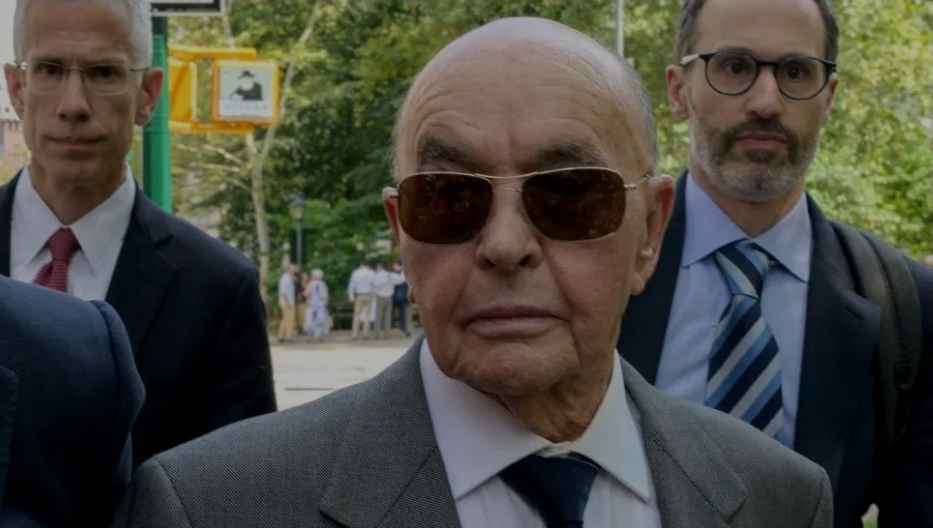
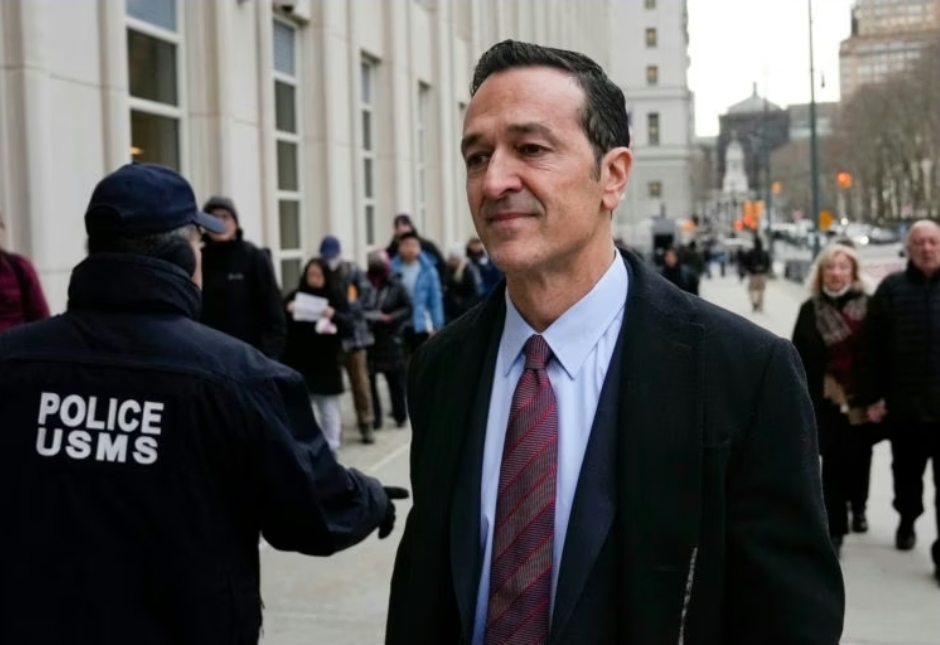
U.S. prosecutors move to drop soccer TV rights corruption case after years of legal battles that have captivated the world of international sports and broadcasting rights. The case centered around Hernan Lopez, the former CEO of Fox International Channels, and Full Play Group SA, a South American sports media company, who were involved in allegations of bribery and corruption related to the lucrative television rights for international soccer tournaments. This unexpected development marks a significant shift in the prosecutorial approach to sports corruption and raises questions about the future of legal oversight in global soccer.
Background of the Soccer TV Rights Corruption Case
The saga began in 2015, when U.S. prosecutors exposed what they described as a sprawling corruption scandal involving numerous officials in soccer federations across Latin America. The investigation unveiled that officials had accepted more than $150 million in bribes and payoffs, aimed at securing broadcasting rights to prestigious tournaments such as the Copa Libertadores and the FIFA World Cups of 2018 and 2022.
Hernan Lopez and Full Play Group were among the dozens indicted in this high-profile probe. Prosecutors alleged that Lopez orchestrated a scheme to bribe CONMEBOL officials—the governing body for South American soccer—which allegedly helped Fox secure exclusive TV rights for the Copa Libertadores. Additionally, claims were made that Lopez’s efforts helped Fox obtain confidential bidding information for the 2018 and 2022 World Cup tournaments, further cementing the company’s dominance in soccer broadcasting.
Legal Proceedings and Reversal of Convictions
In 2023, a New York trial court convicted Lopez and Full Play Group SA, holding them accountable for their roles in the corruption scandal. However, an acquittal was subsequently granted by a judge. The legal rollercoaster continued when an appeals court reinstated the convictions in July, leading to further rounds of appeals. Uncertainty loomed over the case’s final outcome until now.
Recently, U.S. prosecutors informed the Supreme Court that they intend to cease their efforts to uphold the convictions. They requested that the Supreme Court send the case back to a lower court to consider a motion to dismiss the indictment, stating that dismissing the case was “in the interests of justice.” The prosecutors did not elaborate on their reasoning behind this decision.
Implications of Dropping the Case
The decision to move toward dismissal has multiple implications. Hernan Lopez expressed relief and gratitude, calling the charges “baseless from the start” and emphasizing his five-year battle to clear his name. Meanwhile, Full Play Group’s legal representatives chose not to comment.
This move reflects shifting judicial and political landscapes. A recent ruling by the U.S. Supreme Court has tightened standards for securing corruption convictions, making it harder for prosecutors to prove complex international bribery cases. At the same time, the Justice Department under the Trump administration and beyond has altered its priorities, reducing focus on foreign corruption prosecutions.
Political Context and Broader Impact on Soccer and Broadcasting
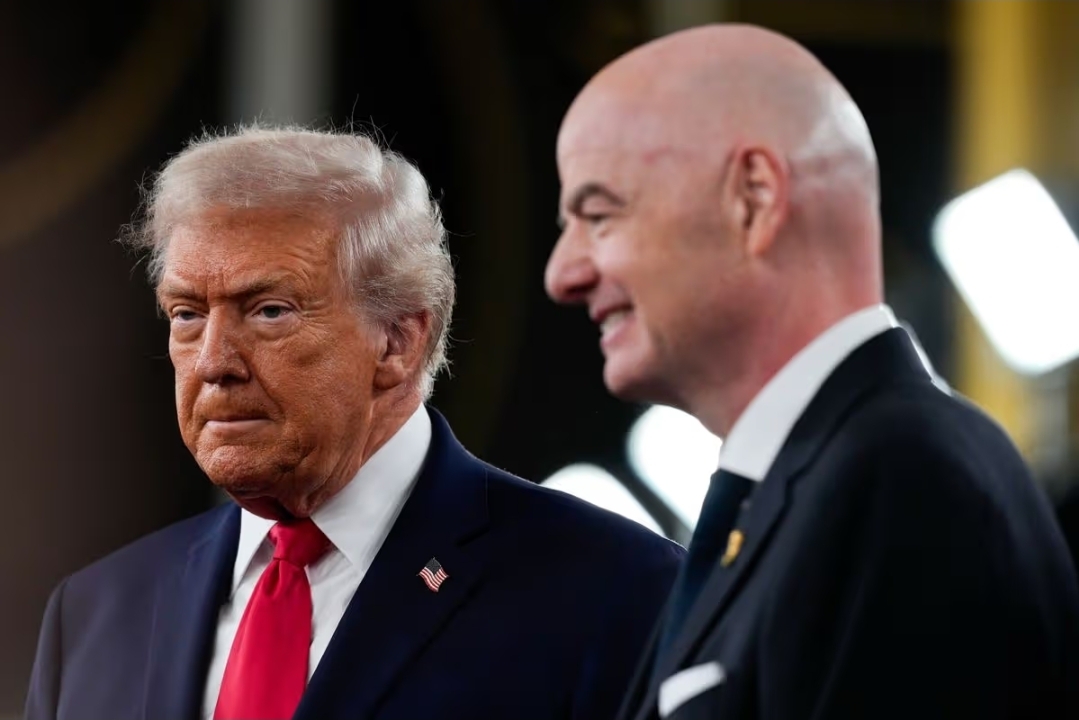
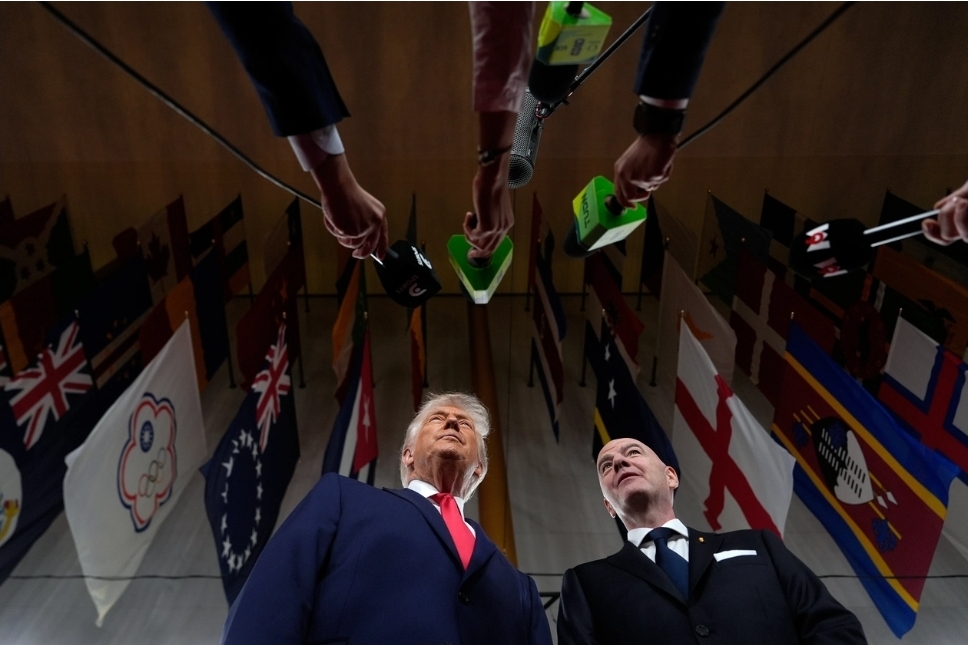
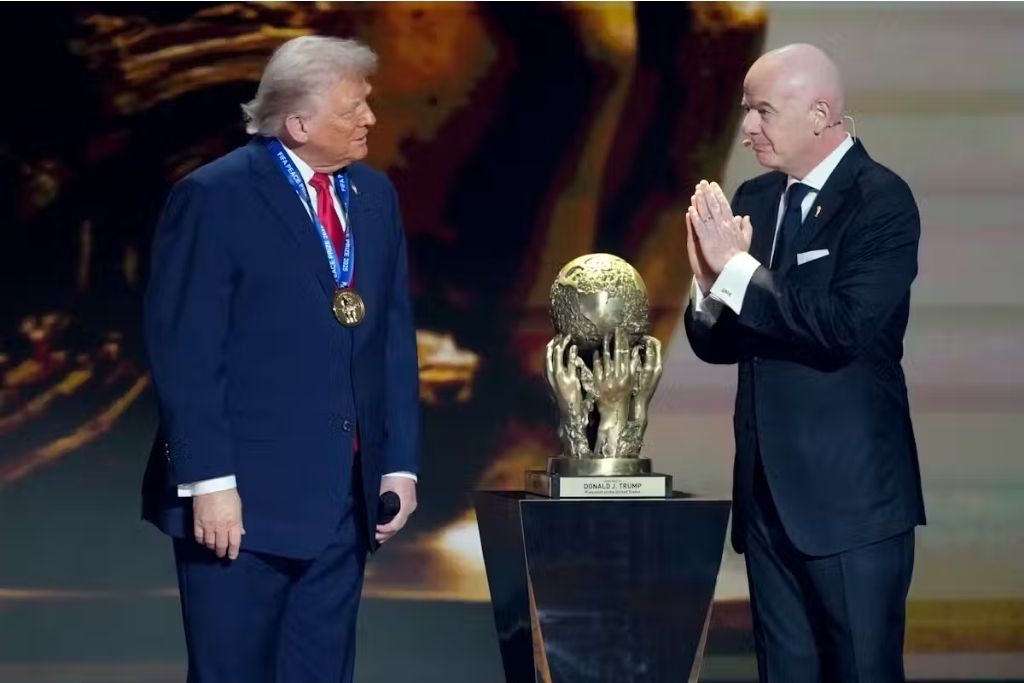
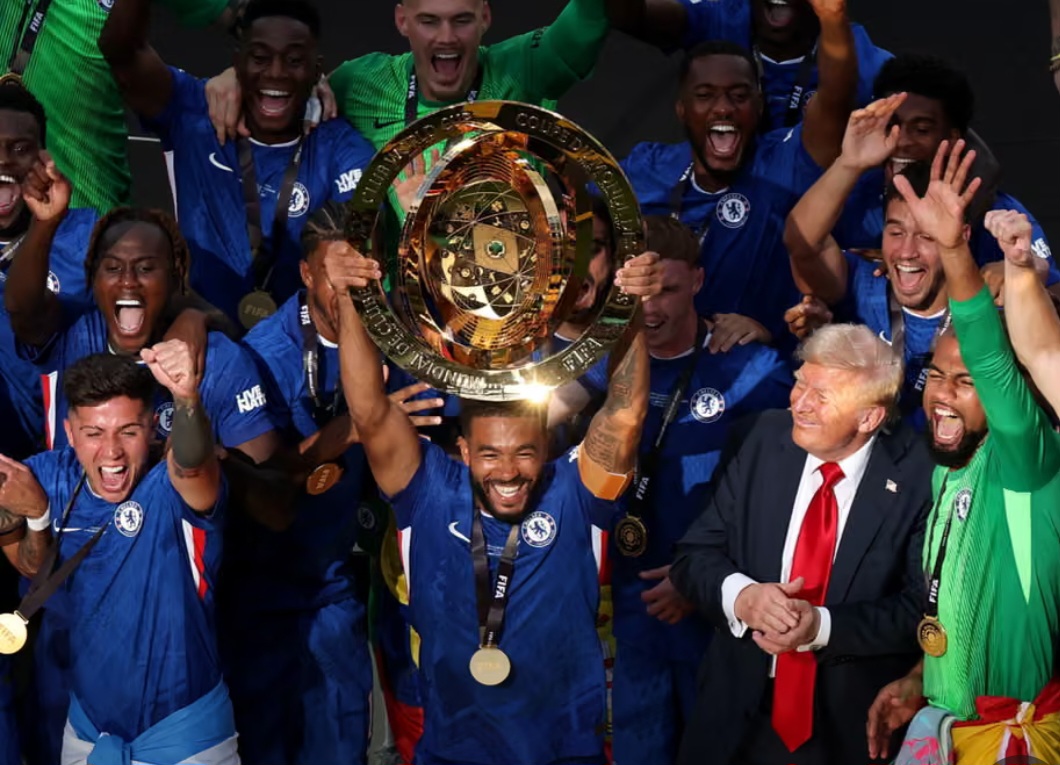
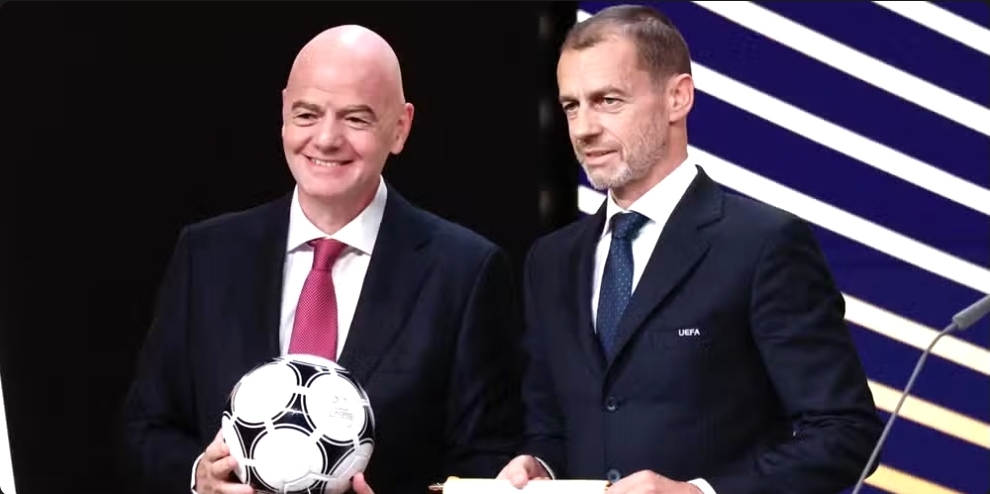
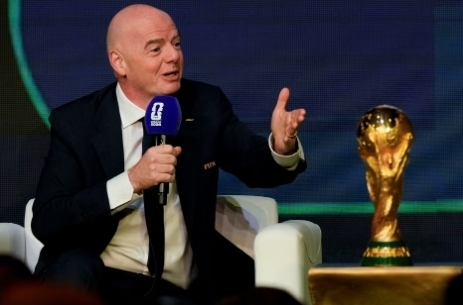
The case also unfolded amid notable political dynamics. Former President Donald Trump’s administration scaled back sections of federal prosecutors tasked with pursuing public corruption. Trump’s earlier pause on key anti-bribery statutes complicated enforcement and investigation efforts involving foreign officials. Furthermore, Trump maintains a close relationship with FIFA President Gianni Infantino and recently received the FIFA peace prize, underscoring the entwined nature of politics and sports governance.
This dropping of charges occurs at a pivotal moment as the U.S., Canada, and Mexico prepare to co-host the 2026 World Cup. The outcome raises questions about the future integrity of broadcasting rights for such major events and whether corruption allegations will be addressed decisively by authorities.
Conclusion: What Comes Next?
The decision by U.S. prosecutors to drop the soccer TV rights corruption case marks a significant turning point. It highlights the difficulties of prosecuting international sports corruption within evolving legal frameworks and political priorities. While Hernan Lopez and Full Play Group SA may now look forward to moving on, the broader soccer community, legal experts, and fans worldwide observe closely what lessons can be learned to promote transparency and fair play in the governance of sports.
U.S. prosecutors move to drop this complex case amid changes to U.S. law and policy, but the issue of corruption in international soccer remains an ongoing challenge. Continued vigilance and reform will be needed to ensure future scandals are prevented and that the beautiful game remains free from the shadows of bribery and corruption.### U.S. Prosecutors Move to Drop Soccer TV Rights Corruption Case
U.S. prosecutors have decided to drop their long-running fight to uphold the convictions in a high-profile soccer TV rights corruption case involving former Fox executive Hernan Lopez and South American sports company Full Play Group SA. This move, revealed in a recent filing to the Supreme Court, marks a significant turn after years of litigation and appeals surrounding allegations of bribery linked to international soccer tournaments.
Background of the Soccer TV Rights Corruption Case
The case stemmed from a sprawling investigation into corruption within international soccer, with a special focus on FIFA and its affiliated organizations. In 2015, U.S. authorities uncovered a widespread bribery scheme where officials from various soccer federations were accused of accepting around $150 million in bribes and payoffs. The scandal implicated numerous parties involved in media and marketing rights for major soccer events, casting a shadow over global soccer governance.
Hernan Lopez, formerly the CEO of Fox International Channels, and Full Play Group SA, a prominent sports media company in South America, were found guilty in 2023 after a New York trial. Prosecutors argued that Lopez played a central role in orchestrating bribes to officials at CONMEBOL (the South American soccer governing body) to secure lucrative broadcast rights, including for the Copa Libertadores—the continent’s prestigious club competition. Additionally, the prosecution claimed Lopez and his associates obtained secret information about bids for the 2018 and 2022 FIFA World Cups, further implicating them in this international scandal.
Legal Back-and-Forth and Appeals
Those convictions, however, faced significant legal challenges. Shortly after the verdict, a judge reversed the guilty verdicts and acquitted Lopez and Full Play, setting off a legal tug-of-war. The federal appeals court reinstated the convictions in July 2023, but further appeals continued to muddy the waters. For several months, the fate of the prosecution and the accused remained uncertain, with both sides seeking to clarify the legal issues surrounding the case.
On Tuesday, U.S. prosecutors surprised observers by filing a notice in the Supreme Court requesting the dismissal of the case. Their statement indicated that the government determined dropping the prosecution “is in the interests of justice,” though they did not provide detailed reasons for this decision. This request means the case will be sent back to a lower court to consider an official motion to dismiss the indictment.
Implications of Dropping the Case
The decision to move towards dismissal reflects broader trends in how corruption cases, especially those involving international bribery, are being handled by U.S. law enforcement. In recent years, changes in Supreme Court rulings have made it more challenging to prosecute certain types of corruption. For example, stricter interpretations of relevant statutes mean that gaining convictions in cases involving overseas bribery can be more difficult.
Moreover, the shift in political priorities under the Trump administration influenced the Department of Justice’s approach to corruption enforcement. The government paused enforcement of the Foreign Corrupt Practices Act (FCPA) in some respects and reduced resources allocated to fraud and corruption prosecutions targeting public officials abroad. These changes may have contributed to the decision to end this particular fight.
Responses from Key Figures
Hernan Lopez responded to the prosecutors’ move with relief and optimism. He stated, “The charges were baseless from the start, and I have fought for five years to clear my name.” Lopez expressed gratitude and eagerness to move on from the lengthy ordeal tarnishing his professional reputation.
Meanwhile, Full Play Group SA’s representatives have declined to comment on the latest developments. Fox Corporation, which since 2019 split off from its international channels division, was never charged in connection with the bribery allegations and has consistently denied any wrongdoing.
The Broader Context: Soccer, Media Rights, and U.S. Interests
The case’s backdrop is the global importance of soccer media rights, generating enormous revenue for broadcasters and officials. The U.S. is notably passionate about soccer’s growth and is preparing to co-host the 2026 FIFA World Cup alongside Canada and Mexico. This upcoming event adds a layer of significance to any legal developments involving past controversies in soccer media rights.
Additionally, the relationship between political figures and soccer authorities remains relevant. Former President Donald Trump, known to have a cordial relationship with FIFA President Gianni Infantino, was recently awarded a FIFA peace prize. Trump’s past stance towards corruption enforcement, including his administration’s regulatory adjustments, likely influenced the environment surrounding this and other related cases.
Conclusion
The decision by U.S. prosecutors to request dismissal of the soccer TV rights corruption case signals the end of a protracted legal saga involving Hernan Lopez and Full Play Group. It highlights evolving legal interpretations, shifting political priorities, and the complex intersection of sports, media rights, and international law enforcement. While this chapter closes, the broader conversation about corruption in global soccer remains an important topic as the world looks forward to the 2026 World Cup on U.S. soil.