Gerrard Declines Rangers Return Despite Sides Coming Close to Agreement
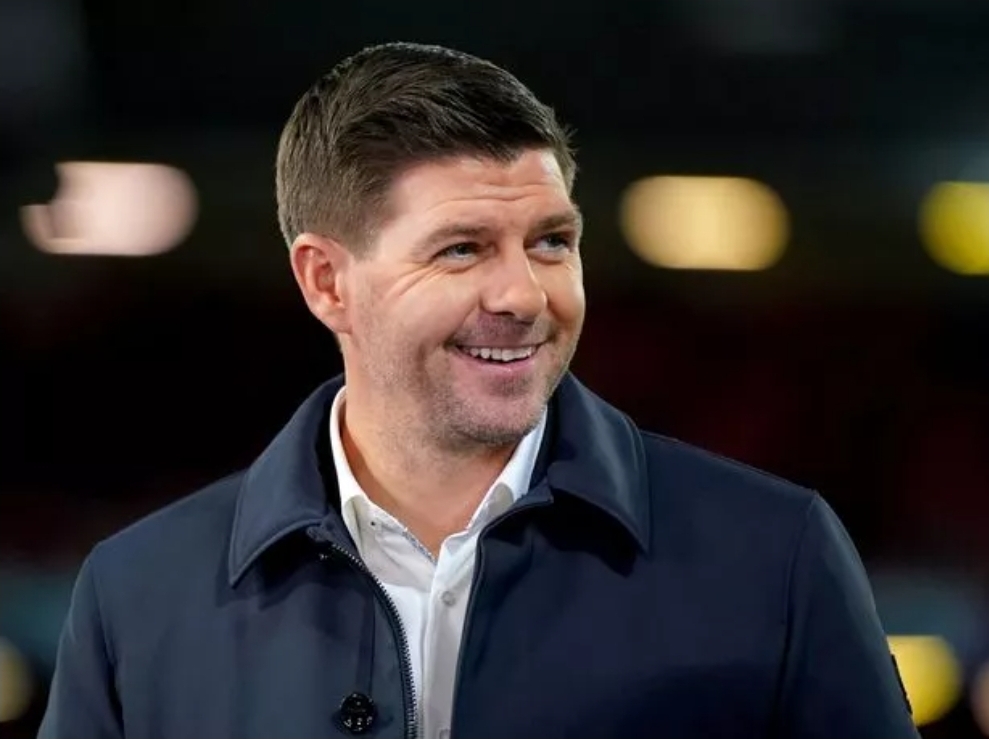
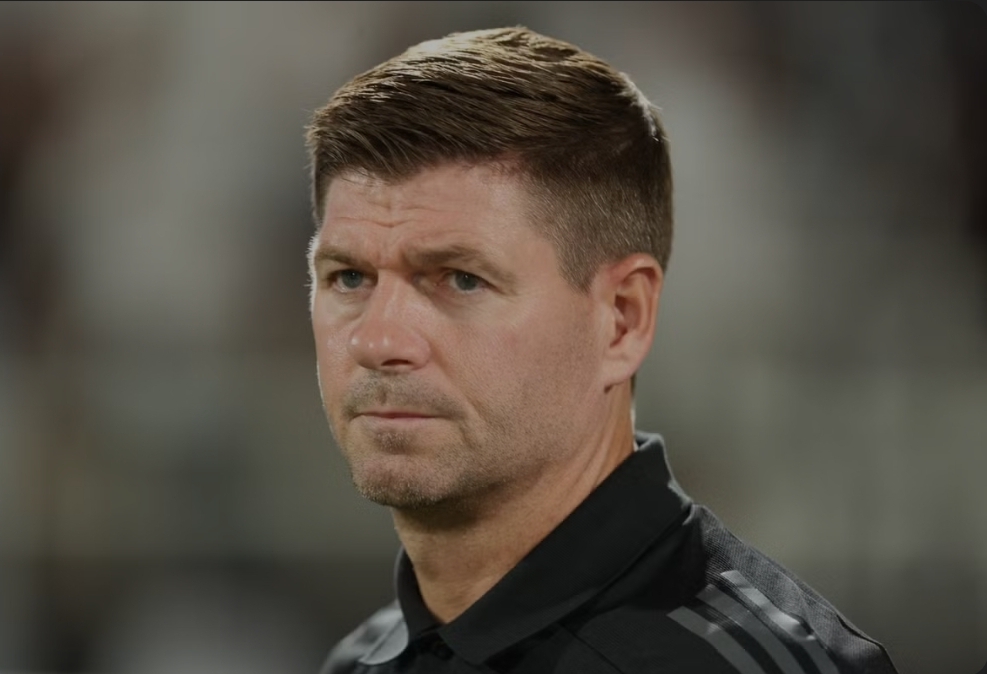
Former Liverpool midfielder Steven Gerrard has once again been at the center of speculation regarding a managerial return to Rangers. Recent reports surfaced on Saturday indicating that while negotiations between Gerrard and the Scottish Premiership club progressed to an advanced stage, the 45-year-old has ultimately ruled himself out of contention for a second stint as manager at Ibrox. This decision comes amid a challenging period for Rangers, who are navigating a rocky start to their 2023/24 campaign after parting ways with Russell Martin.
The Context Behind Gerrard’s Decision
Steven Gerrard, renowned for his illustrious playing career and steady rise in management, was widely regarded as the front-runner to replace Martin following the latter’s unexpected dismissal. Martin’s tenure lasted merely four months, a short but turbulent period during which Rangers managed just a single win in seven Premiership matches. This poor run of form, coupled with rising pressure from fans and media, made a swift managerial change inevitable.
Despite constructive talks between Gerrard and Rangers’ board, it became clear that the former England midfielder felt the timing wasn’t right for him to re-immerse himself in the Scottish football scene, particularly at a club under such immediate strain. Factors influencing this decision likely include Gerrard’s recent departure from Saudi Arabian club Al-Ettifaq in January and his ongoing assessment of career priorities and challenges.
Gerrard’s Previous Tenure at Rangers: A Successful Era
Gerrard’s history with Rangers is marked by significant achievements. When he initially joined the club as manager in 2018, Rangers were undergoing a period of rebuilding following financial difficulties and demotion to the lower Scottish leagues. Over three years, Gerrard transformed the team, culminating in winning the Scottish Premiership title during the 2020/21 season—Rangers’ first league triumph in a decade, ending Celtic’s nine-year dominance.
This accomplishment elevated Gerrard’s managerial credentials, highlighting his ability to motivate and organize a squad, especially in high-pressure environments. Following this high point, he left Rangers in November 2021 to take on a Premier League challenge with Aston Villa. More recently, his stint with Al-Ettifaq broadened his experience internationally, though it was relatively short-lived.
Why the Timing Was Not Right for Gerrard’s Return
The decision to decline a return to Rangers reflects a mature appraisal of the club’s current state and Gerrard’s personal career trajectory. Returning to a club in crisis is no easy task, even for a former successful manager. Rangers currently face both on-field struggles and off-field challenges, including rebuilding squad morale and stabilizing club management.
Moreover, Gerrard might be considering other opportunities or waiting for a project that aligns better with his long-term ambitions. The timing could affect his ability to deliver immediate results or replicate his prior success, and a rushed second tenure might risk tarnishing his strong legacy at Ibrox.
Possible Successors to Russell Martin
With Gerrard out of the picture, Rangers’ search for a new manager continues. Several candidates have been linked with the job, each bringing different strengths and styles to the table. Hearts’ current boss Derek McInnes stands out as a strong contender due to his deep knowledge of Scottish football and experience managing at a high level.
Other names mentioned include former Rangers player Kevin Muscat, who boasts coaching credentials and a strong affiliation with the club, as well as ex-Everton manager Sean Dyche, known for his robust tactical approach in English football. The Rangers board will need to weigh these options carefully to find a manager suited to the immediate needs of the club and capable of steering them back to competitiveness.
What Lies Ahead for Rangers
The coming weeks will be crucial for Rangers as they regroup and search for a new leader to reinvigorate the squad. The club’s ambition remains clear: to challenge for domestic honors and restore confidence among supporters. While Gerrard’s decision to decline a return is a setback in terms of management continuity, it opens the door for fresh ideas and renewed momentum.
Fans and analysts alike will be watching closely to see how Rangers tackle this transitional period. The right appointment could not only stabilize the team but also build a platform for sustained success in Scottish football and beyond.
In summary, Steven Gerrard’s refusal to return to Rangers after constructive discussions highlights the complexity of managerial decisions, especially at high-profile clubs facing adversity. Though Gerrard’s legacy at Ibrox remains secure, his current career path suggests he prefers to wait for the right opportunity rather than rush back into familiar territory. Meanwhile, Rangers must look outward for a solution to steer one of Scotland’s most storied clubs through challenging times ahead.