In December 2018, UEFA officially announced the creation of its third-tier European club competition, the UEFA Europa Conference League. Positioned as the lowest tier of European competition, it sits below the UEFA Champions League and the UEFA Europa League. The establishment of this new tournament marked a major shift in the landscape of European club football, aiming to offer more clubs from smaller nations and lesser-known leagues a genuine chance to participate in continental competitions. By expanding the field, UEFA sought to provide these clubs with increased exposure and financial incentives, fostering competitive diversity across Europe.
The Birth of the UEFA Europa Conference League and Its Purpose
The UEFA Europa Conference League was conceived as a way to address the growing inequality between football clubs in Europe’s top leagues and those from smaller or emerging footballing nations. While the Champions League and the Europa League have traditionally been dominated by clubs from major leagues such as England, Spain, Germany, and Italy, many clubs from countries like Andorra, the Faroe Islands, and Liechtenstein rarely progressed beyond preliminary rounds or failed to enter European tournaments altogether.
By creating this third-tier competition, UEFA aimed to reduce the floor for continental competition and provide a platform where teams from lower-ranked associations have the opportunity not just to participate but to progress meaningfully. This initiative helps these clubs and their leagues gain valuable international experience, enhanced visibility, and, crucially, increased financial rewards.
UEFA Europa Conference League: First Match and Inaugural Season
The first-ever match of the UEFA Europa Conference League was held on July 8, 2021. The game featured FC Santa Coloma of Andorra taking on B36 Tórshavn from the Faroe Islands in the first qualifying round, first leg. The match concluded with a 2-1 victory for FC Santa Coloma, which secured the very first win in the history of the competition. This match not only marked the beginning of a new chapter in European football but also demonstrated the real opportunity the Conference League provided to smaller clubs.
The inaugural tournament during the 2021-22 season showcased how this addition to UEFA’s club competitions could diversify European club football. More nations and clubs could compete, enabling a more inclusive competition that sparked interest throughout football communities across the continent.
Impact on European Football: Greater Participation and Financial Benefits
Since its inception, the UEFA Europa Conference League has significantly reshaped the European football map. On average, eight more countries have participated in continental play through to December compared to the period before the tournament’s formation. This inclusion is not simply symbolic; it translates to tangible benefits for the participating clubs and their countries.
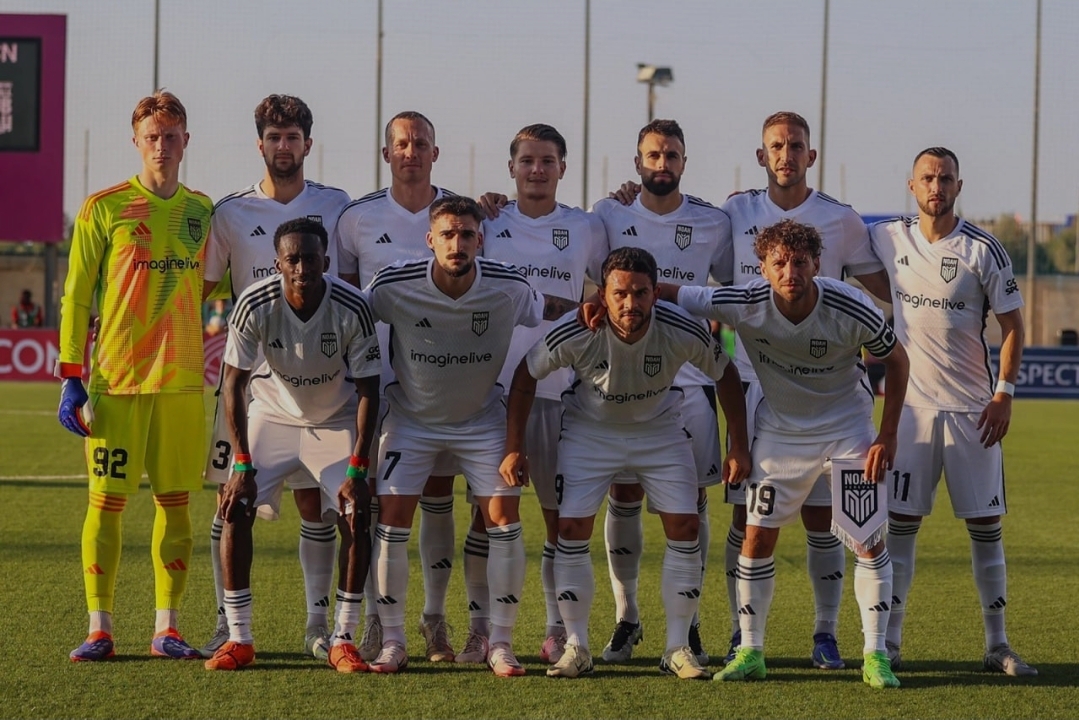
For countries like Lithuania, Wales, Northern Ireland, Estonia, Armenia, Gibraltar, Kosovo, Liechtenstein, Iceland, Bosnia, and the Faroe Islands, qualifying for the group or league phase of a European tournament was a milestone moment rather than a mere footnote. Notably, starting from the 2025-26 season, Maltese clubs will also join the ranks for the first time, further exemplifying the expanded reach of the competition.
From a financial standpoint, entry at the group phase means that clubs are guaranteed a minimum payout of around £3 million. For many small clubs, this injection of funds represents a huge boon, enabling investment in infrastructure, player development, and overall professionalization. This financial incentive has increased the stakes for qualification and has elevated the competitive standards within the participating leagues.
Media and Public Reaction: A Mixed Reception
The announcement of the UEFA Europa Conference League was met with skepticism in some quarters. Critics viewed the competition as unnecessary, perceiving it as a “cash grab” by UEFA that risked diluting the prestige of existing tournaments. Media outlets occasionally expressed concern that adding another European competition would overcrowd the football calendar and dilute fan attention and broadcaster interest.
However, the emerging reality has softened some of these criticisms. By delivering more European football to less-heralded fans and giving otherwise marginalized clubs a platform, the Conference League has filled an important gap. Fans from smaller nations now have more reasons to be excited about European football, and players from these regions gain invaluable experience competing on a continental stage.
Conclusion: A Positive Shift for European Football
The UEFA Europa Conference League represents a forward-thinking approach by UEFA to democratize football across the continent. Since its founding in 2018 and first matches in 2021, this competition has expanded opportunities, rewarded emerging clubs financially, and increased the diversity of European tournaments. While it may continue to face critiques, its tangible benefits for smaller footballing nations and clubs make it a valuable addition to Europe’s football ecosystem. In the coming years, the Conference League is poised to further reshape the competitive and commercial landscape of European club football by making the dream of European competition accessible to more clubs than ever before.
P.S.Polish outfit Lech Poznań in 2023 reached the Conference League quarter-finals, which is the first time in over 25 years a polish club made it that far in Europe. Furthermore, Slovan Bratislava of Slovakia made the knockouts of the competition two seasons in a row. Whereas this year they qualified for the Champions League league phase, and they went out 35th out of 36 in the competition, showing the level difference between the two competitions.
Irish, Bosnian, and Icelandic clubs have made deeper runs in the competition recently with all three nations being represented in the knockout phase. NK Celje of Slovenia made the quarter-finals of the 2024-25 edition of the tournament before losing 4-3 narrowly on aggregate to former finalists Fiorentina.