European Football Leaders Grapple with Trump’s Greenland Ambitions Amid World Cup Concerns
European football leaders are increasingly concerned about Donald Trump’s wish to annex Greenland, a move that has sparked discussions about the potential impact on the sport and international football events. As the world gears up for the FIFA World Cup this summer, the prospect of geopolitical tensions spilling into the football arena has prompted about 20 football association heads to convene informally in Budapest to deliberate on possible responses. This unprecedented situation underlines how sport and politics can intersect in complex ways, with major tournaments hanging in the balance.
The Greenland Crisis and Its Football Implications
The significance of Greenland in the current geopolitical climate cannot be overstated. The territory, a self-governing part of the Kingdom of Denmark and thus linked to a UEFA member country, has suddenly become a focal point of international tension due to President Trump’s expressed interest in acquiring it. European football leaders met on the sidelines of the Hungarian football federation’s 125th anniversary event to explore how the sport might respond should this situation escalate.
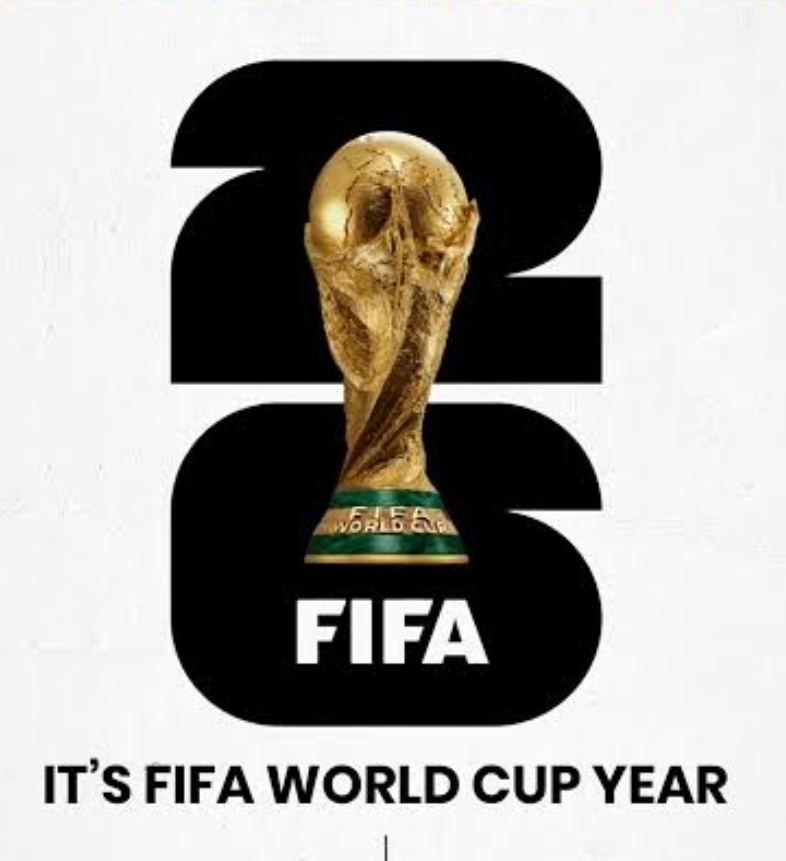
At the core of these discussions was concern over the World Cup, which the United States is co-hosting with Canada and Mexico. The U.S. is responsible for staging 78 of the 104 games scheduled between June and July. Since the instability centers around the U.S. administration’s controversial proposal, there is an acute awareness that football’s governing bodies might need to take a stand to preserve the sport’s integrity and uphold political neutrality.

Initial Talks and the Potential for a Boycott
The talks in Budapest were informal but pivotal. While football authorities have shied away from public statements amid the fast-developing circumstances, some senior figures admitted privately that if military action were taken—something Trump has not ruled out—this would mark a clear line in the sand. The possibility of a Uefa-led coalition boycotting the World Cup or implementing other protest measures has been floated, highlighting the gravity of the situation.
FIFA’s leadership, however, remains cautious. Having maintained close relations with the current U.S. government, FIFA officials reportedly see such drastic measures as unlikely at present, prioritizing the smooth running of the World Cup. Nonetheless, the groundswell of public and political support for a boycott is growing. For example, German politician Jürgen Hardt recently described a boycott as a last-resort option. Meanwhile, in the Netherlands, a petition advocating for action has attracted nearly 90,000 signatures, reflecting widespread unease about the unfolding Greenland crisis.
A Unified European Response?
Those convened in Budapest were united in their deep concern about the ramifications of Trump’s ambitions—not just for football but for Europe’s broader security and future. The consensus was that most football federations will follow their respective governments’ lead in responding to developments. However, some sources speculated that if one of Europe’s larger football associations took a strong stance, it could catalyze a domino effect, with others following suit.
This potential for a more proactive approach embodies the growing realization that football cannot exist in isolation from political realities, especially when those realities threaten international stability. However, as the talks concluded, no definitive action was agreed upon, reflecting the rapidly changing nature of the crisis.
Greenland’s Football Status and Future Prospects
Beyond the immediate political crisis, Greenland’s position within the football world remains complicated. The territory’s longstanding ambition to join UEFA has been stymied since a 2013 statutory amendment forbade the admission of non-independent regions. Consequently, Greenland is not a member of any FIFA confederation and remains isolated in football terms, especially after Concacaf rejected its application last year.
Although UEFA’s executive committee will next meet in Brussels in early February, there is no indication that Greenland’s membership status will be revisited imminently. The focus remains firmly on addressing the geopolitical situation rather than expanding football’s administrative borders.
The Wider Context: FIFA’s Political Tightrope
Adding another layer to the story is FIFA’s recent controversial engagement with Trump’s administration. In December, FIFA’s president, Gianni Infantino, presented Trump with a “peace prize,” which has since drawn criticism and embarrassment within the organisation. Some insiders have expressed discomfort over the optics, especially considering ongoing international tensions. Nevertheless, FIFA defended its decision, noting that the medal was even handed over to Trump by a Nobel Peace Prize recipient, Venezuelan opposition leader María Corina Machado.
This episode underscores the challenging balancing act FIFA faces, striving to maintain relationships with powerful political figures while upholding its apolitical stance on football matters.
Conclusion: Football at a Crossroads
The unfolding Greenland situation presents a rare moment where football leaders find themselves at a crossroads between sport and geopolitics. With the World Cup fast approaching and Denmark’s territory under threat, European football officials are acutely aware that their response—or lack thereof—could establish precedents for how the sport handles international conflicts in the future.
While no formal decisions have yet been made, the coming weeks will be critical. The football community’s navigation of this crisis will not just reflect on its political acumen but also shape the global game’s image as a force for unity in a fragmented world. European football leaders’ cautious but concerned meetings symbolize a turning point—a moment when the beautiful game is forced to confront the realities beyond the pitch.European Football Leaders Raise Concerns Over Donald Trump’s Greenland Ambitions
European football leaders are increasingly uneasy about the political tensions sparked by former President Donald Trump’s expressed interest in annexing Greenland. This unexpected geopolitical development has triggered informal discussions among football association heads across Europe, who are exploring the potential impact on the sport, particularly with the World Cup scheduled to take place in the United States this summer.