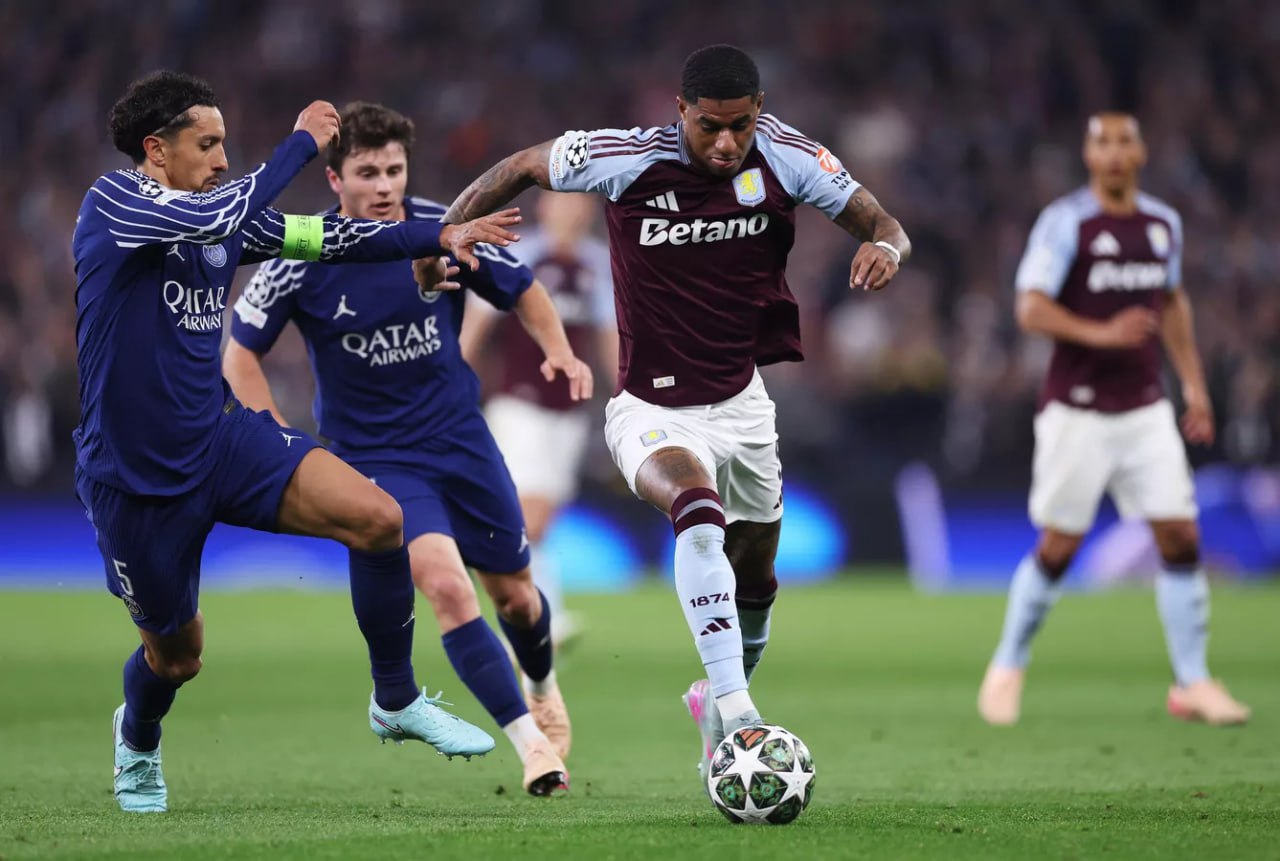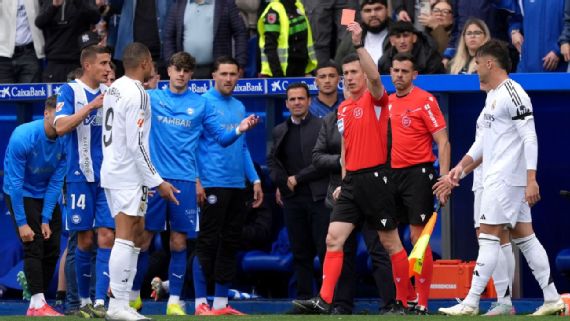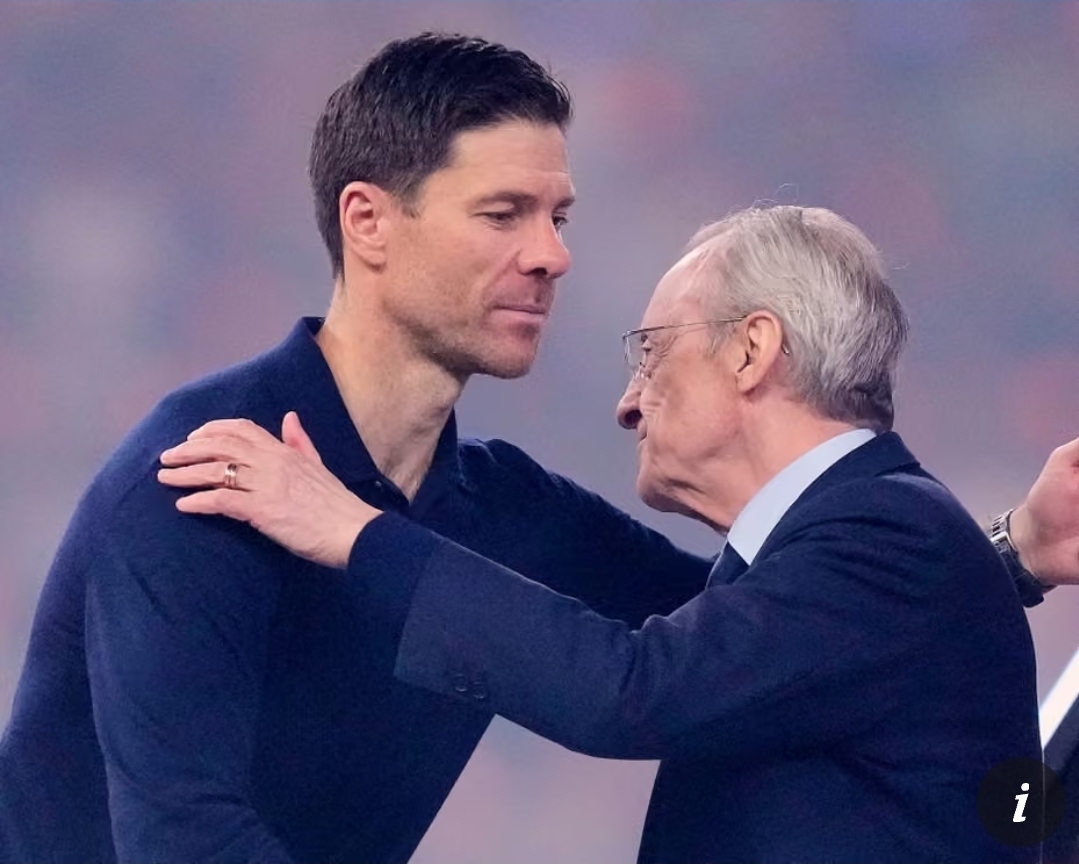
Xabi Alonso Leaves Real Madrid After Seven Months: Álvaro Arbeloa Steps In Following Super Cup Final Defeat
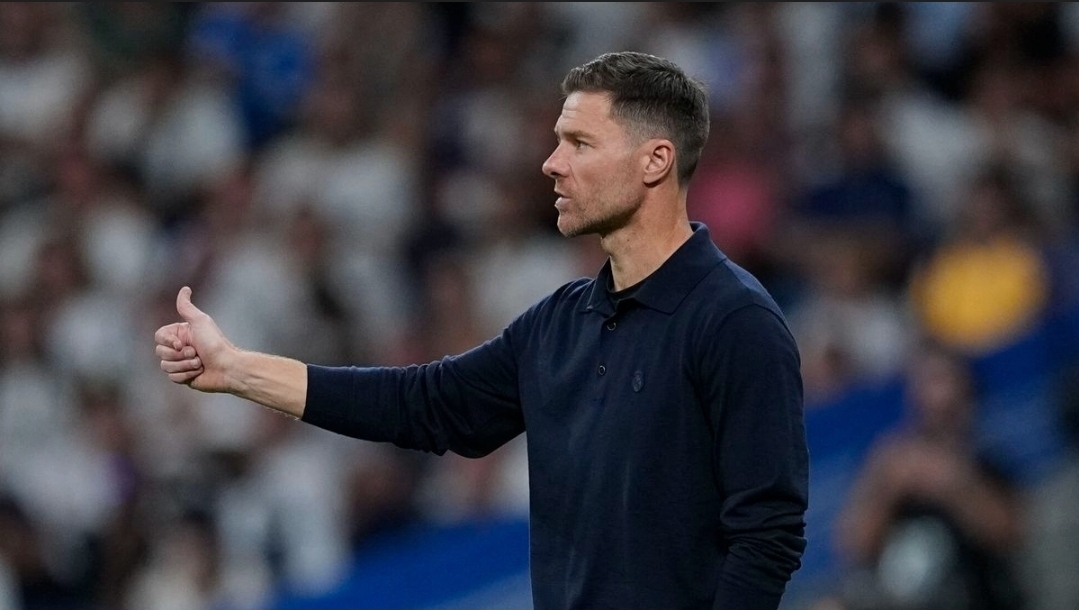
Xabi Alonso’s tenure at Real Madrid came to an unexpected early end just seven months after his appointment as the club’s head coach. This decision was finalized following a dramatic Spanish Super Cup final defeat against Barcelona, which appeared to be the tipping point in a challenging period for Madrid. The club announced Alonso’s departure “by mutual consent” on Monday evening, signaling the start of a new chapter led temporarily by Álvaro Arbeloa, a familiar face from Madrid’s past.
The End of the Line for Xabi Alonso at Real Madrid
Xabi Alonso’s arrival at Real Madrid was initially met with widespread excitement. The former midfield maestro agreed to a contract extending until 2028, taking over from the highly respected Carlo Ancelotti. Hailed as a modern, systems-oriented manager, Alonso brought with him a promising resume from his successful stint at Bayer Leverkusen, where he secured the Bundesliga title, lifted the German cup, and reached the Europa League final.
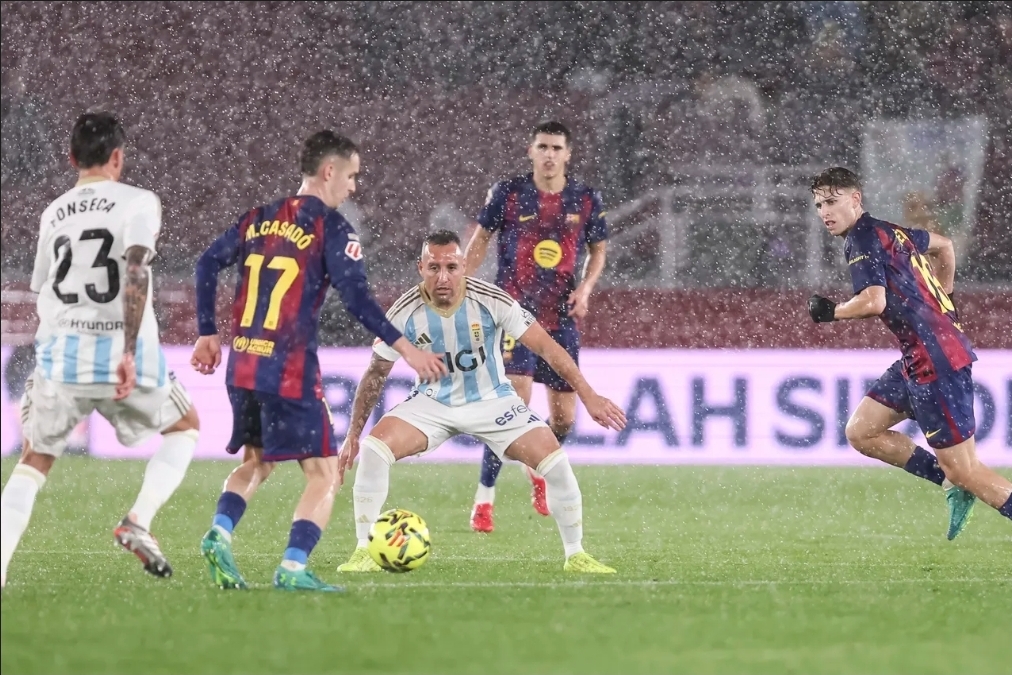
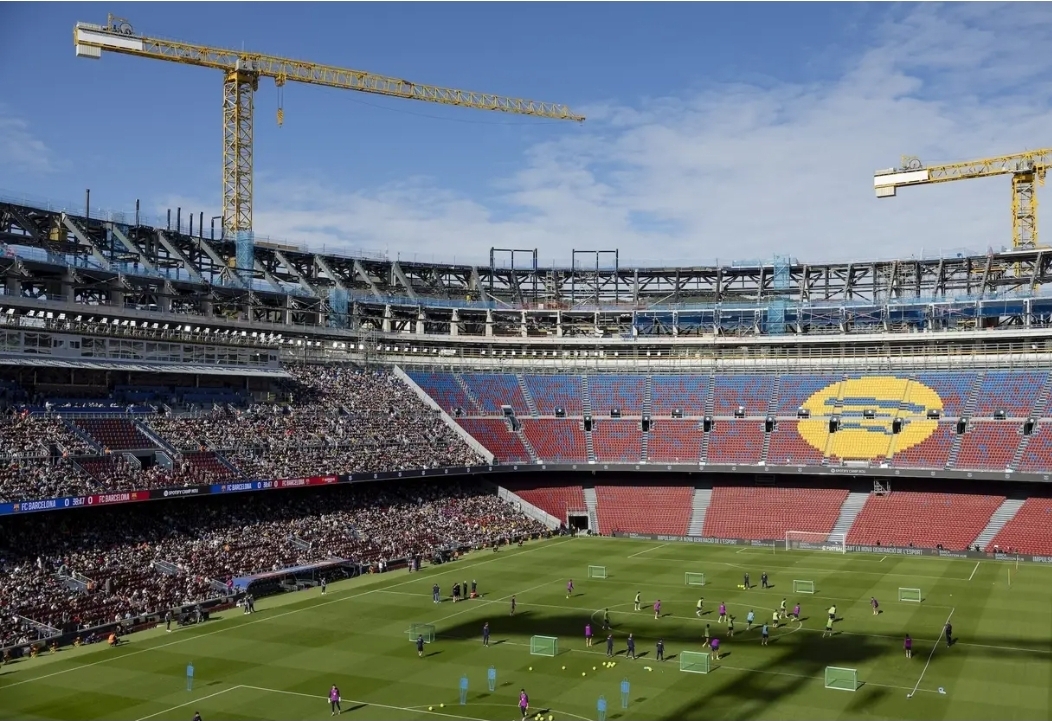
Despite a bright start to the season, where Madrid recorded six consecutive La Liga victories, cracks began to show in Alonso’s approach. One of the season’s early highlights, the classic victory over Barcelona in October, gave the impression that Madrid were on the right track. However, this was followed by performances that failed to inspire confidence in the coaching methods. The turning point arguably came after a gripping but tense Super Cup campaign in Saudi Arabia, culminating in a 3-2 loss to arch-rivals Barcelona in the final.
Super Cup Defeat and La Liga Standings: A Difficult Pillar for Madrid
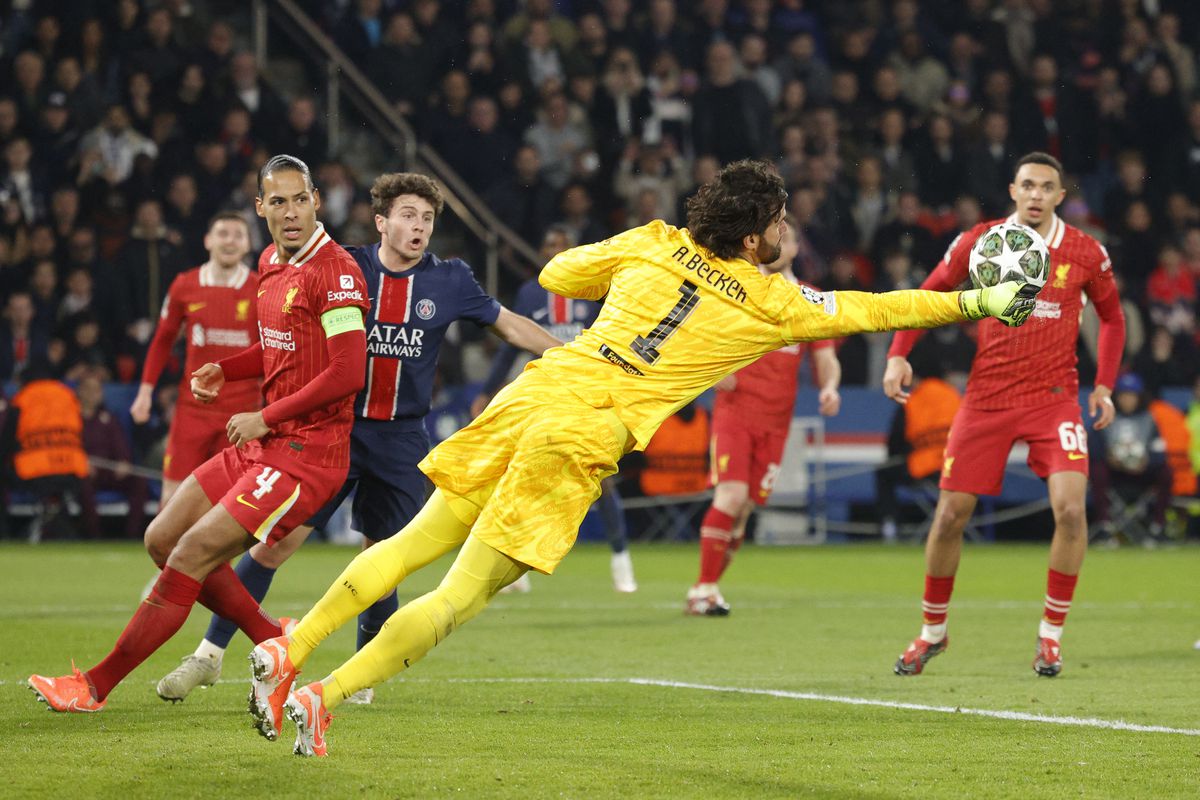
The Super Cup defeat in Jeddah was more than just a lost trophy—it symbolized the broader struggles facing Madrid under Alonso. Heading into the match, the team was already four points behind Barcelona in La Liga, a significant swing from their earlier five-point lead at the start of November. A Champions League exit against Liverpool in early November had ushered in a wobbly patch marked by only two wins in eight games, adding pressure on Alonso’s foray into Real Madrid management.
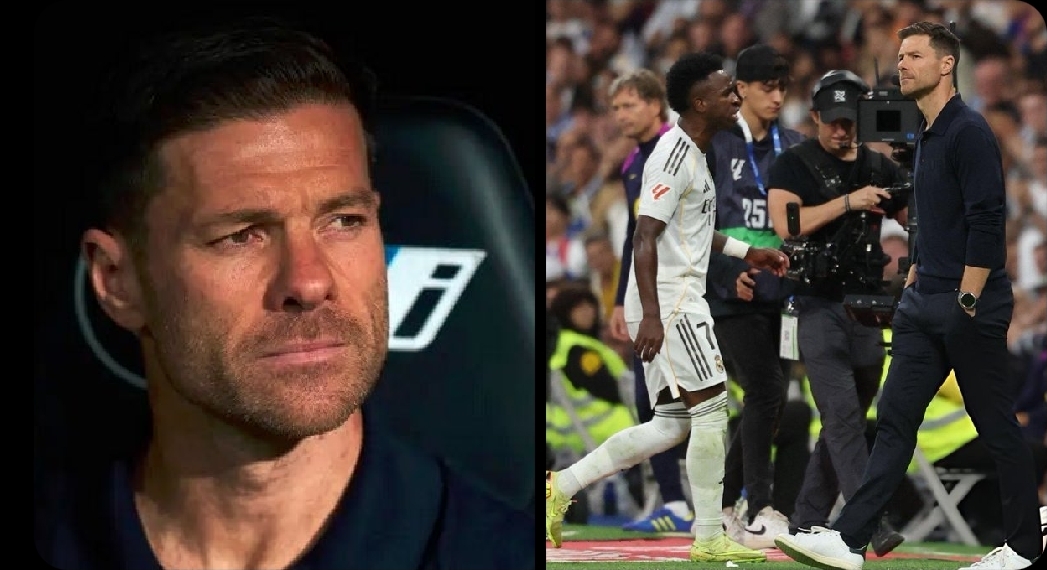
Although Madrid managed to edge past Atlético Madrid in the Super Cup semi-final, their overall run lacked the sparkle that fans and club officials expected. Alonso’s strategy, while tactically sound at times, did not consistently realize Madrid’s lofty ambitions on the pitch. Behind the scenes, there were reports of internal tension, highlighted by a memorable incident after a clásico when Vinícius Júnior angrily stormed off the pitch following his substitution—an event that only deepened perceptions of discontent.
Álvaro Arbeloa to Take the Helm: A Familiar and Trustworthy Interim Choice
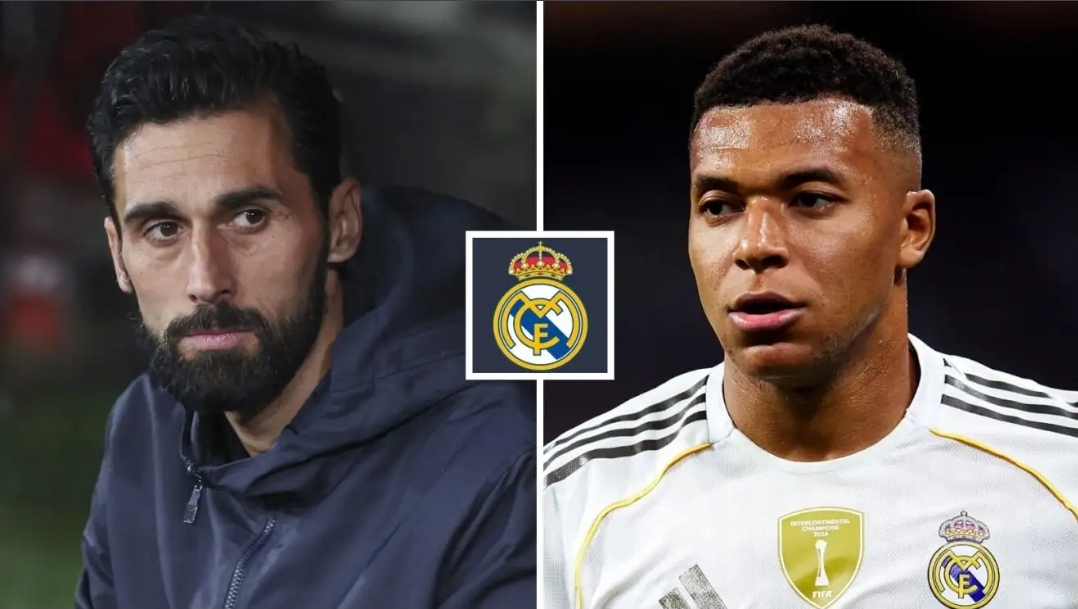
With no immediate replacement ready, Real Madrid opted to promote Álvaro Arbeloa as interim coach. Arbeloa, a former Madrid and Liverpool teammate and longtime friend of Alonso, has been working within Madrid’s setup since 2020. He took charge of Castilla, the club’s B team, in May last year and brings a familiarity with the club’s ethos and players.
This move signals a transitional phase for Real Madrid, providing the club with time to assess its next long-term managerial choice while maintaining stability. Arbeloa’s appointment is expected to emphasize continuity, focusing on steadying the squad and revitalizing morale ahead of the remainder of the La Liga season and Champions League campaign.
Reflections on Alonso’s Time at the Santiago Bernabéu
Xabi Alonso’s brief spell paused with some notable challenges and uncommon controversies for a club of Real Madrid’s stature. Starting with relative optimism, his reluctant but eventual acceptance to begin preparation from the Club World Cup onwards instead of earlier may have hampered his ability to fully influence the squad’s dynamics from the outset.
His desire for certain signings, like Martín Zubimendi—who instead transferred to Arsenal—hinted at his intent to reshape the squad to fit his tactical vision. Yet, without those reinforcements and amid inconsistent performances, Alonso was unable to consolidate his position.
Nevertheless, the club statement upon his departure was respectful and warm, recognizing him as a Real Madrid legend who embodies the club’s values and affirming that the Bernabéu will always be home to him.
What Lies Ahead for Real Madrid?
As Madrid navigates the post-Alonso era with Álvaro Arbeloa at the helm, the club faces significant on-field and off-field decisions. Closing the points gap with Barcelona remains an immediate priority, coupled with stabilizing performances to support both La Liga and Champions League ambitions.
For Alonso, the decision to part ways may open fresh opportunities elsewhere to further prove his managerial credentials. For Madrid, it’s a chance to reset, reflect, and rally behind a coach who can restore the club’s competitive edge.
In the high-stakes world of elite football, Real Madrid’s swift managerial change reflects the enduring pressure to achieve excellence and adapt quickly when trajectories falter. Arbeloa’s stewardship offers hope of steadiness, while fans await news of the club’s long-term direction following an eventful seven months that have already shaped this season’s narrative.### Xabi Alonso Leaves Real Madrid After Seven Months: Álvaro Arbeloa to Step In Following Super Cup Final Defeat
Xabi Alonso leaves Real Madrid after just seven months in charge, signaling a surprising and rapid shift for the La Liga giants. The announcement came shortly after Real Madrid’s narrow 3-2 defeat to Barcelona in the Spanish Super Cup final, a result that underscored the challenges Madrid faced under Alonso’s management this season. With the club trailing Barcelona by four points at the top of La Liga, the decision to part ways marks a turning point, and former teammate Álvaro Arbeloa has been named as the interim replacement.
The End of Xabi Alonso’s Brief Tenure at Real Madrid
Xabi Alonso’s coaching stint at Real Madrid was always under intense scrutiny, given his legendary status as a former player and his promising managerial record at Bayer Leverkusen. Signed on a contract until 2028, Alonso’s arrival was greeted with optimism; he was expected to introduce modern, tactically flexible football to the Bernabéu after his successes winning the Bundesliga and the German Cup, and leading Leverkusen to a Europa League final.